

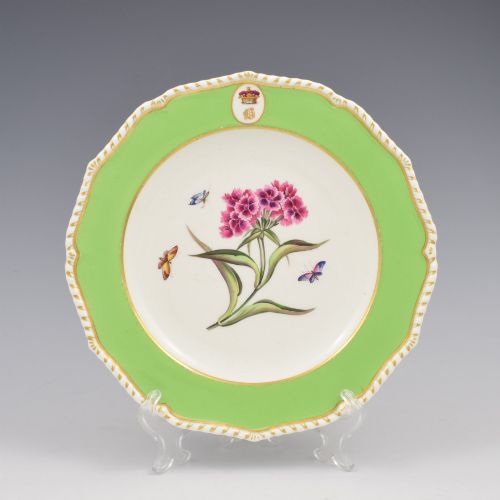


19th Century Derby China
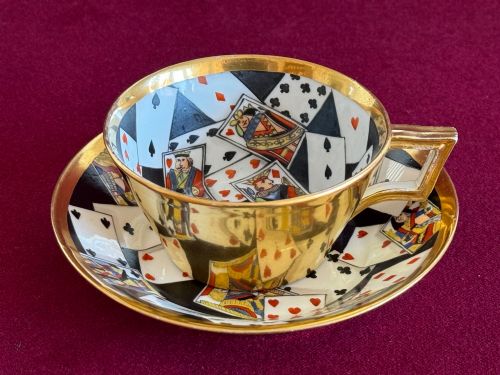
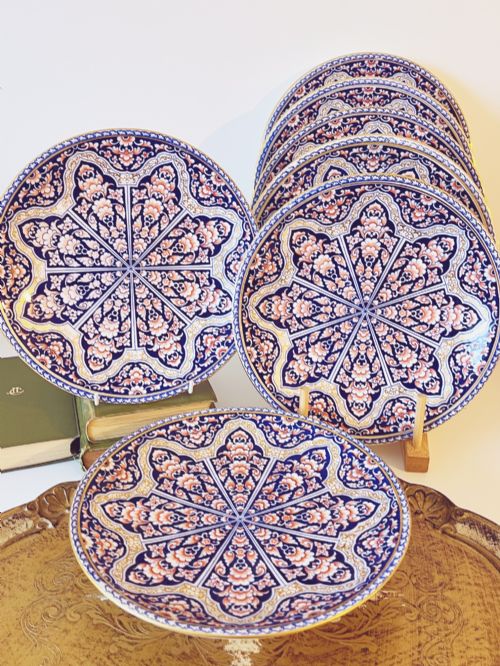
These 19th century derby china pieces bring Regency and Victorian porcelain artistry to your table through hand-painted florals, armorial motifs and gilt porcelain.
19th Century Derby China
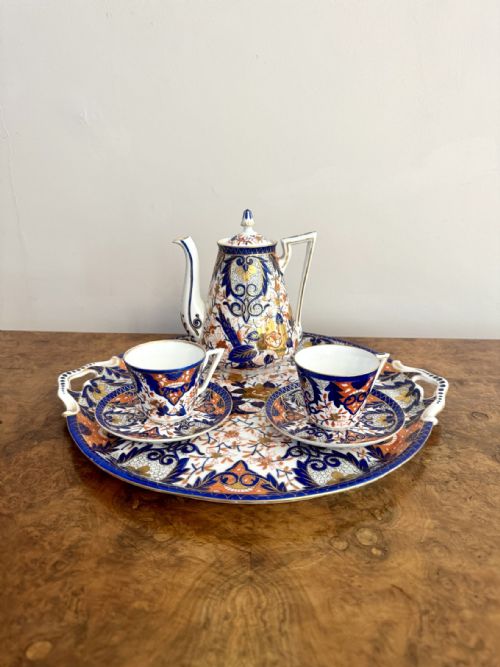
When you search for 19th century derby china, you encounter table services, cabinet plates, teacups, saucers, and decorative figurines produced across the Georgian, Regency, and Victorian eras. These items capture the shifting tastes of British ceramics, moving from neoclassical armorial designs to lavish Victorian Imari palettes.
The selection on this page centres on dessert services, individual cabinet plates, chocolate cups, and porcelain beakers from distinct workshops. Pieces span the Duesbury and Kean partnership, the Bloor Derby years, and the later Stevenson and Hancock period at the King Street works.
Vessels and figures range from practical tea trios and coffee sets to specialised lemon beakers and pen trays. Decorative plates often display botanical studies or fruit painting by named artists such as Thomas Steele, alongside shell plates featuring traditional Kakiemon motifs.
How they were made
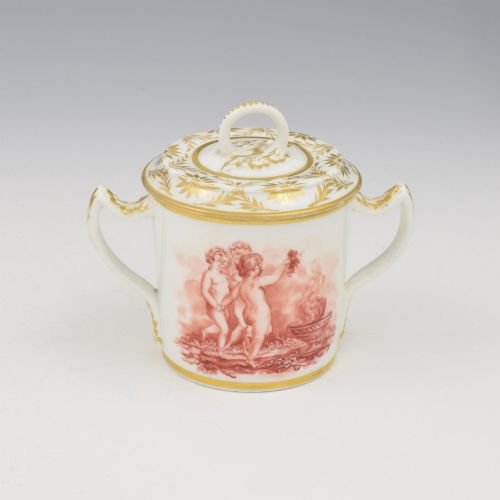
Potters shaped these objects from fine porcelain and bone china bodies, firing them to create dense white surfaces suitable for detailed enamel work. Artisans applied polychrome enamels by hand, building up botanical illustrations, putti scenes, and armorial crests.
Gilding played a central role, utilising gold leaf and heavy gold gilt to outline borders, highlight handles, and frame central painted reserves. Firing techniques fixed these metallic accents and enamel colours permanently to the glaze.
Keep an eye out for the court hairdresser figurine, capturing Regency grooming trends in ceramic form.
What varies in quality
Quality rests upon the precision of the hand-painting, particularly in botanical studies and figural work where artist attribution elevates the piece. The crispness of the porcelain moulding and the richness of the gold gilt application further separate standard production from superior cabinet items.
The reputation of the specific period influences desirability, with particular attention given to pieces bearing marks from the Duesbury and Kean partnership or detailed Bloor Derby specimens. Preservation of the enamel colours and minimal wear to the surface gilding determine the grade of surviving tableware.
Royal Crown Derby·Bloor Derby·Stevenson and Hancock·Duesbury and Kean
The 19th Century Derby China Glossary
- Imari
- A decorative style inspired by Japanese export wares, featuring iron red, cobalt blue, and gold gilt in dense geometric and floral patterns.
- Armorial
- A ceramic design painted with a family crest, coat of arms, or heraldic badge, usually commissioned for aristocratic dining services.
- Kakiemon
- An asymmetric Japanese ceramic style emulated by European factories, characterised by enamelled quails and floral sprays on a white ground.
- Bone china
- A type of soft-paste porcelain enriched with bone ash, producing a durable, slightly translucent body standard in British ceramic manufacture.
- Comport
- A raised dish or pedestal bowl used historically for serving fruit or dessert as part of a large matched tableservice.
19th Century Derby China: Frequently Asked Questions
How do I identify Bloor Derby pieces?
Bloor Derby items usually date between the Regency period and the 1840s, marked by characteristic iron red or printed crown-and-D marks.
They often feature rich gilding and vibrant botanical or landscape painting.
What is an Imari pattern on Derby porcelain?
Derby Imari pieces copy traditional Japanese colour schemes utilising deep cobalt blue, iron red, and abundant gold leaf.
This style remained popular across both Regency and Victorian eras for dessert and tea services.
Can I use antique Derby plates for dining?
Most collectors treat 19th-century Derby china as display items, cabinet pieces, or dessert service elements rather than everyday tableware.
Hand-painted enamels and delicate gold gilt require gentle care to prevent fading.
Who was Thomas Steele?
Thomas Steele was a notable ceramic painter associated with Derby who specialised in detailed fruit studies on porcelain plates.
His signed works on dessert services command strong interest from collectors.