
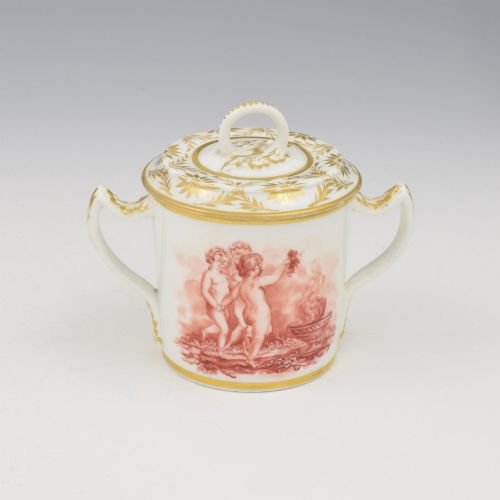

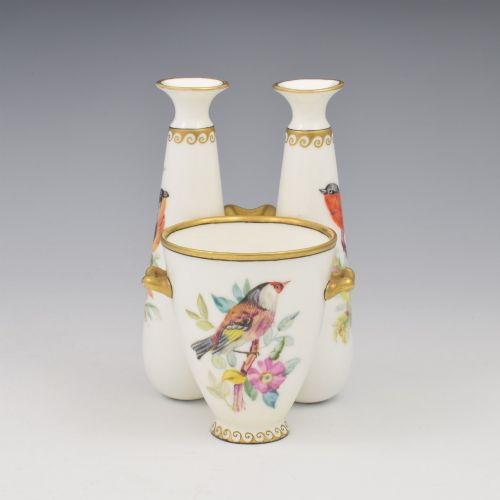


Gilt White Porcelain Vessel
These gilt white porcelain vessel examples bring together classic ceramic forms and bright metallic leaf, catching the light in any room.
Gilt White Porcelain Vessel
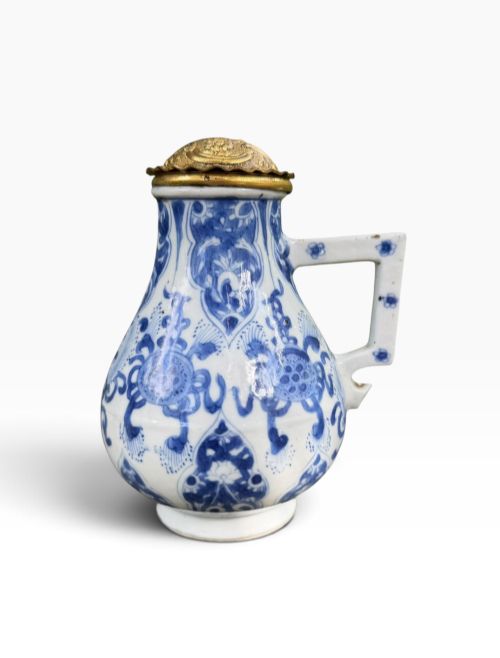
A gilt white porcelain vessel represents a diverse group of ceramic objects shaped into vases, urns, cups, and pots. These pieces span the Georgian, Regency, and Victorian periods, reaching back to the Kangxi period.
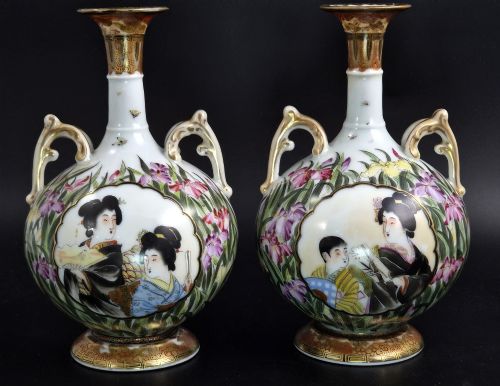
The selection here includes English works from factories such as Worcester alongside French Old Paris pieces and Japanese Satsuma items. Buyers will find domestic forms like sugar bowls and loving cups alongside grand exhibition vases.
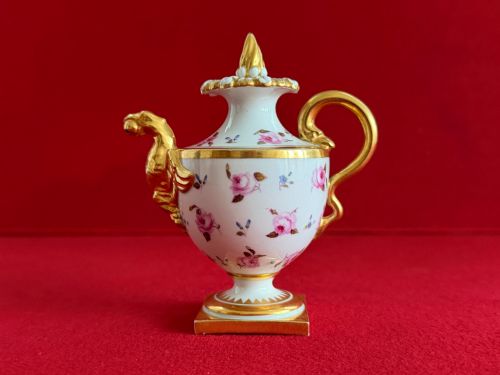
Makers combine bright white ceramic bodies with hand-painted enamel designs and rich gold leaf details. Every piece demonstrates the intersection of utility and ornament characteristic of these eras.
How They Were Made
Potters shaped fine ceramic and felspar porcelain bodies by hand or in moulds before applying initial glazes. Artisans then painted floral motifs, sepia scenes, and ornithological studies using detailed enamel paint.
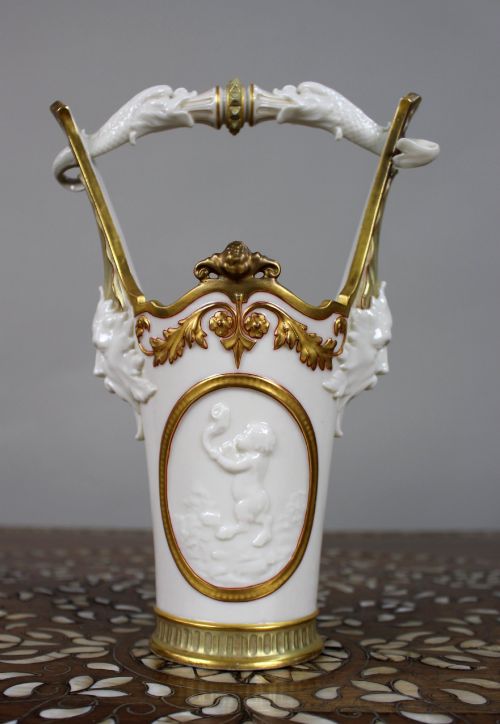
Workers added surface ornamentation through careful application of gold leaf and gilding, sometimes combining ceramic bodies with cast gilt bronze mounts. Kiln firing fixed the pigments and metals permanently to the glazed white surfaces.
The listings span porcelain, ceramic, enamel, and gilt bronze across English, French, and Japanese origins.
What Varies in Quality
The refinement of the ceramic body and the precision of the hand-painted decoration set individual items apart. Finer pieces display crisp moulding, delicate brushwork, and well-preserved gilding without rubbing or loss.
Attribution to documented factories or known decorators elevates certain vessels above anonymous production. The complexity of the form, such as lidded urns with handles or multiple compartments, also indicates higher ambition.
Flight Barr And Barr·Royal Worcester·Bloor Derby·Spode·Jacob Petit
The Gilt White Porcelain Vessel Glossary
- Felspar porcelain
- A ceramic body incorporating feldspar, developed to produce a harder and whiter material for finer vessels.
- Gilding
- The application of gold leaf or gold powder to the surface of porcelain to create metallic highlights and borders.
- Sucrier
- A small lidded vessel designed specifically for holding sugar at the dining or tea table.
- Potpourri
- A decorative lidded container perforated to allow the scent of dried flowers and spices to permeate a room.
- Bough pot
- A specialised container designed to hold flowering tree branches for interior decoration.
Gilt White Porcelain Vessel: Frequently Asked Questions
How do I clean a gilt white porcelain vessel?
Dust these items gently with a dry, soft brush to protect the delicate enamel and gold leaf. Avoid using water, abrasives, or chemical cleaners that might damage the historic surfaces.
Take care when handling lids and handles, as these areas often bear the most fragile painted details. Regular gentle maintenance preserves the original finish without risking wear to the gilding.
Were these vessels meant for display or use?
Many items, such as exhibition vases and bough pots, served primarily as decorative ornaments in period interiors. Others, including chocolate cups, loving cups, and sucrier bowls, had functional roles at the table.
Over time, even the most practical vessels transitioned into display pieces as their fragile ceramic and metallic surfaces became valued for their artistry.
How do I tell Regency pieces from Victorian ones?
Regency vessels often lean toward classical restraint, featuring crisp white bodies with fine sepia painting or neat gilt borders. Victorian examples frequently embrace busier polychrome palettes, ornithological subjects, and Revival styles.
Examining the underlying ceramic body and any factory marks helps clarify the period of production.
Can I use a bough pot for fresh flowers?
Historic bough pots were originally designed to hold water and natural foliage for interior decoration. However, due to age and hairline fractures in the glaze, modern owners often prefer using dry arrangements to protect the ceramic.
Inspecting the interior for old staining or waterproofing provides a guide to whether the vessel remains watertight.