




Gold Gilded Ceramic Cup
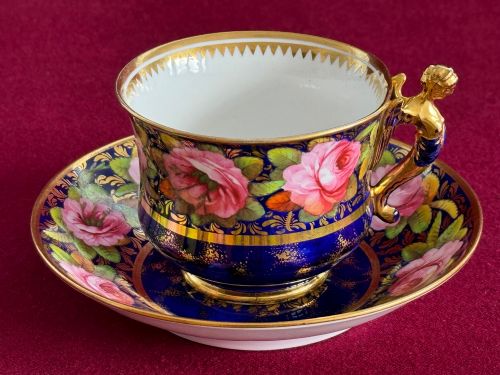
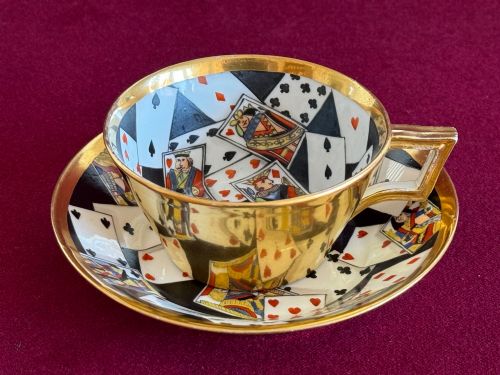
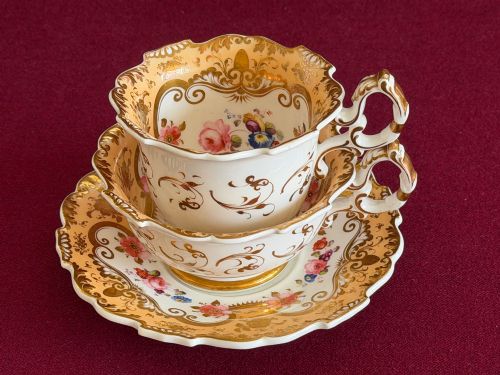
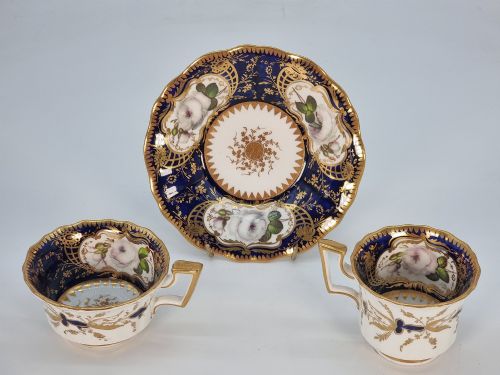
These gold gilded ceramic cup pieces combine porcelain bodies with rich gilding across Georgian, Regency, and later periods.
Gold Gilded Ceramic Cup
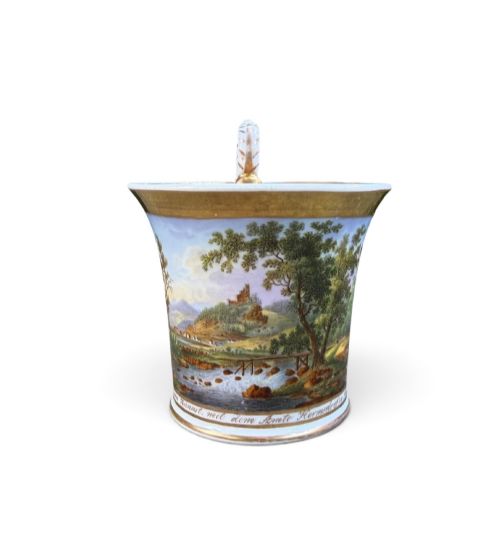
Buyers will frequently encounter Regency and Georgian porcelain pieces alongside early twentieth century productions from prominent factories. These objects span simple tea bowls to elaborate hand-painted cabinet cups adorned with topographical scenes and allegorical figures.
How they were made
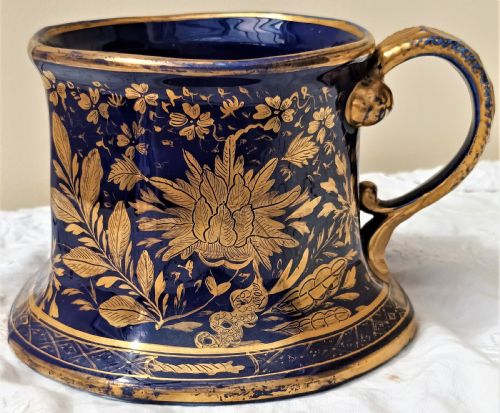
The manufacture of these vessels relies on porcelain, bone china, hard-paste porcelain, and ironstone, shaped into cups, mugs, and saucers. Artisans then applied enamel decoration and gold leaf, gilt, or gold gilt highlights to the ceramic bodies.
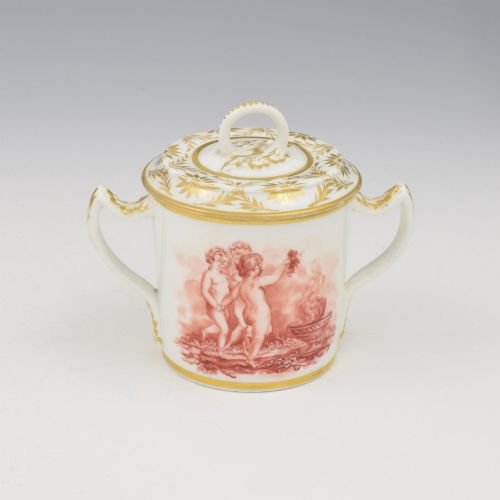
Many items incorporate hand-painted details, encompassing floral motifs, sepia putti, and topographical landscapes. Kiln-firing techniques fixed both the underglaze colours and the subsequent gold gilding to the ceramic surface.
The listings span multiple centuries, incorporating eighteenth century pieces through to twentieth century Edwardian and later productions.
What varies in quality
Quality in these ceramics is dictated by the fineness of the porcelain body and the crispness of the moulded form, alongside the precision of the hand-painted artistry. Superior examples display intricate, detailed brushwork in the enamel scenes rather than simple transfer printing.
The application of the gold leaf or gilding also separates the tiers, with richer pieces utilising heavy, burnished gold rather than flat, thin applications. Completeness further defines the standard, distinguishing isolated cups from matching trios, saucers, and covers.
A H & R Daniel·Coalport John Rose·Berlin·Bloor Derby·Flight & Barr Worcester·Derby·Mason·Kusnetzoff·Royal Worcester·Worcester·Royal Vienna·Spode·Davenport·Taniguchi·Duesbury & Kean·Minton·KPM Berlin·Hutschenreuther
The Gold Gilded Ceramic Cup Glossary
- Cabinet cup
- A decorative ceramic cup intended for display rather than everyday use. These pieces often feature hand-painted topographical or allegorical scenes.
- Coffee can
- A straight-sided cylindrical porcelain cup used for drinking coffee in the eighteenth and nineteenth centuries. They are frequently paired with a matching saucer.
- Trio
- A matched set comprising a teacup, a coffee cup, and a saucer. This form became particularly popular in English porcelain production during the Regency period.
- Ironstone
- A type of heavy, durable earthenware developed in the nineteenth century as a robust alternative to porcelain. It readily accepted enamel decoration and gilding.
- Demitasse
- A small cup used for serving espresso or Turkish coffee. They often appear in sets alongside matching saucers from early twentieth century makers.
Gold Gilded Ceramic Cup: Frequently Asked Questions
How do I identify a Regency period cup?
Regency pieces often display specific factory shapes, refined porcelain bodies, and distinct neoclassical motifs. Look at the form and baseline styling recorded in the evidence to compare handle shapes and foot rims.
Makers from this era frequently marked their porcelain or utilised characteristic hand-painted patterns that date the piece securely to the early decades of the nineteenth century.
Were these cups used for everyday tea drinking?
Many forms, such as standard teacups and saucers, served functional roles in formal dining and drawing-room tea rituals. Cabinet cups and chocolate cups with covers, however, were often created primarily for visual display or special occasions.
The inclusion of delicate gold leaf and intricate enamel scenes meant owners handled superior pieces with care during tea service.
How should I display a gilded ceramic cup safely?
Display these porcelain and bone china items in a stable cabinet away from direct sunlight to protect the enamel colours and gold gilding. Ensure the shelf is level and free from vibration to secure cups, covers, and saucers.
Avoid stacking pieces directly on top of one another to prevent rubbing or scratching the delicate gilt surfaces.