
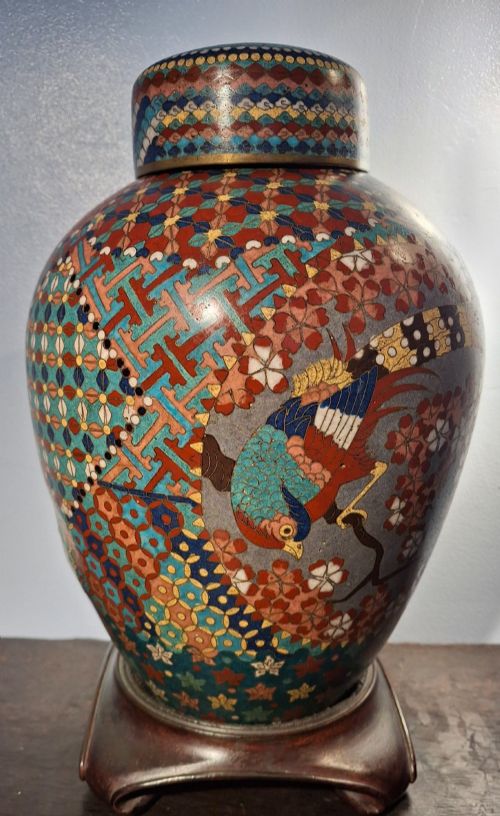
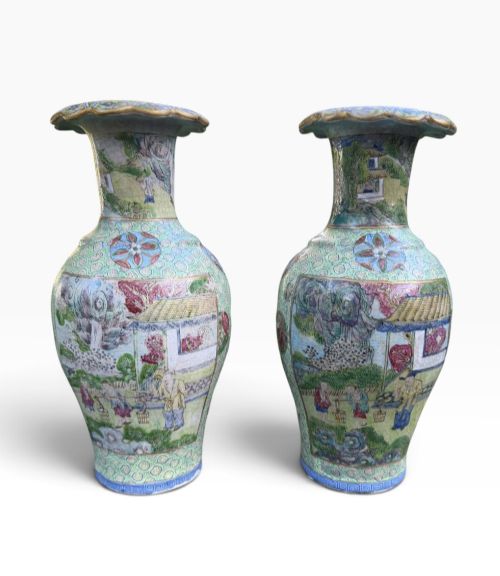
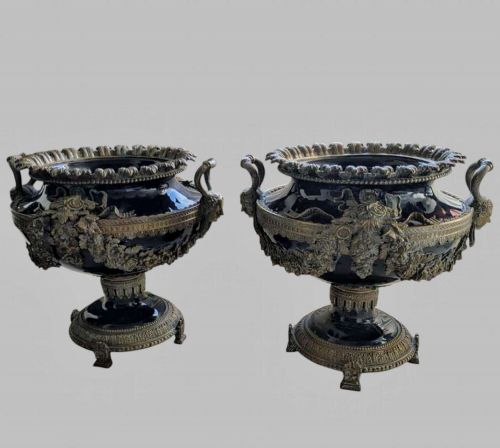
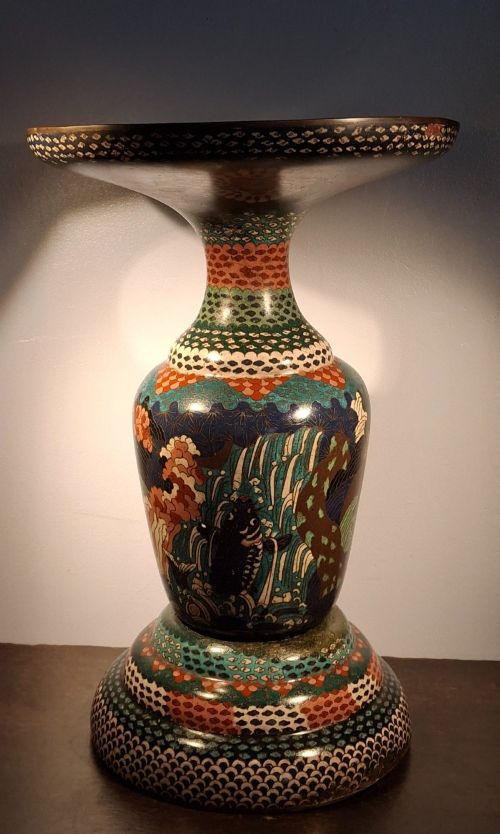
19th Century Decorative Vase
These pieces combine classical form and period craftsmanship, offering a striking focal point for any room.
19th Century Decorative Vase
Materials and Techniques
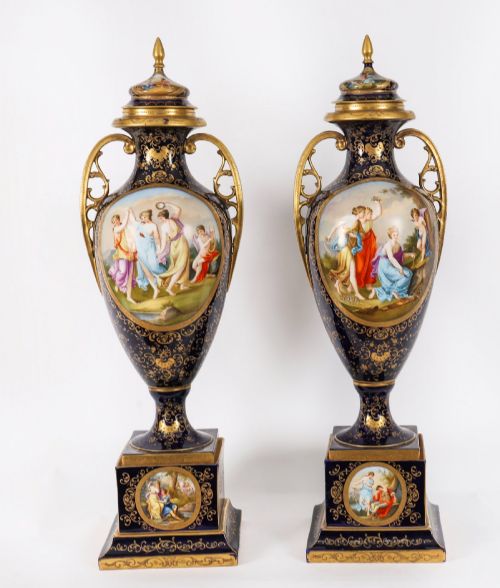
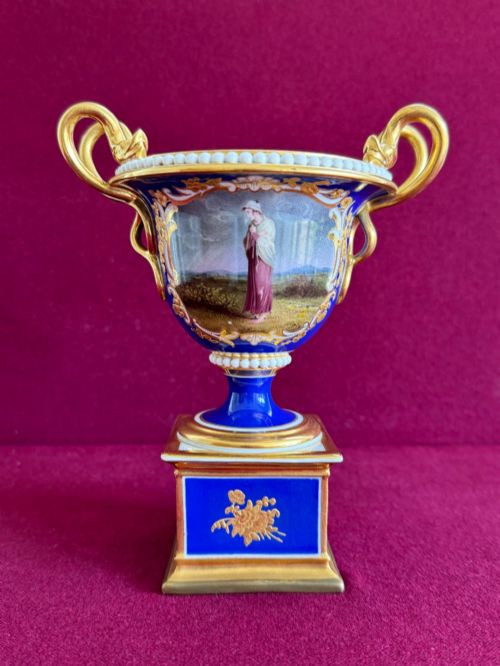
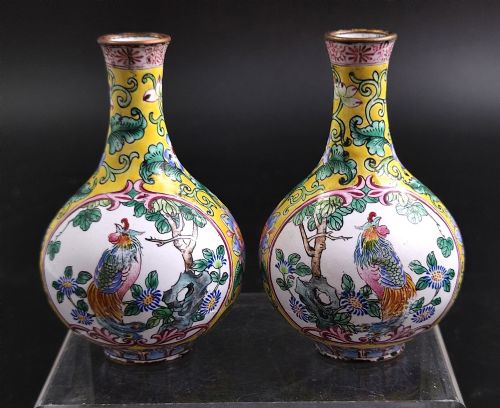
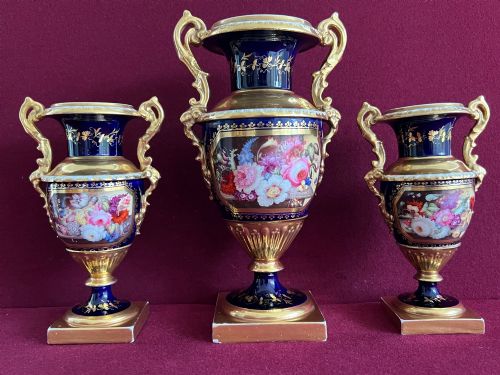
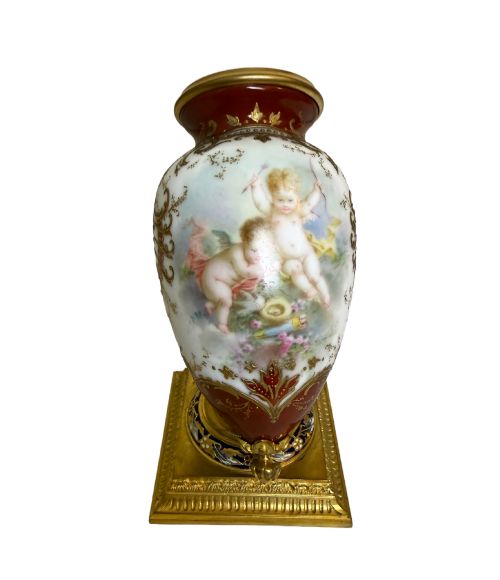
Ceramic bodies utilise porcelain, earthenware, and faience, often finished with hand-painted glazes, enamel, and applied gold leaf. Many porcelain pieces originate from established European factories like Sèvres, Royal Worcester, and Dresden.
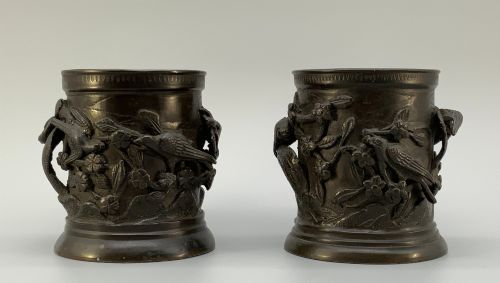
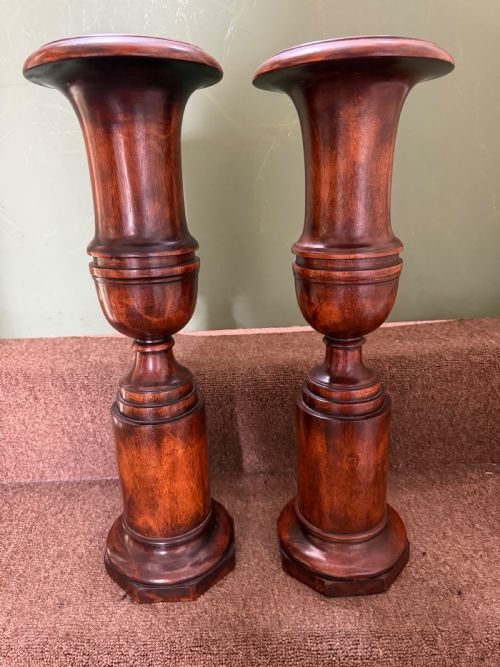
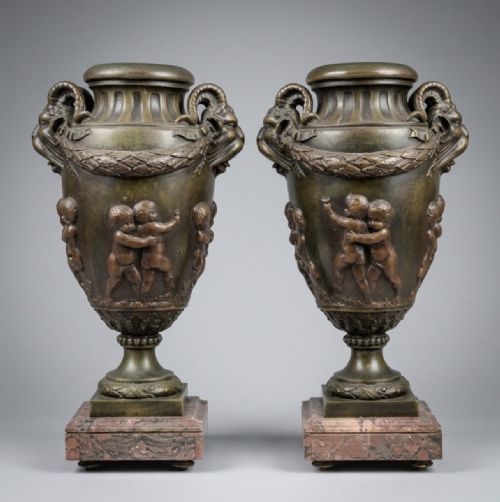
Metal vessels combine cast bronze, gilt bronze, and copper-alloy with champlevé enamel, or employ patinated spelter on marble bases. Wood appears in turned walnut forms, while decorative elements frequently incorporate high-relief casting and repoussé detailing.
Daoist immortals share shelf space with Bacchic putti, proving nineteenth-century decorators enjoyed mixing their mythologies over morning tea.
What Varies in Quality
Quality rests upon the crispness of the casting in metalwork and the precision of the hand-painting on ceramics. Superior examples display sharply defined details in relief motifs, such as figures or foliage, without smoothing or soft edges.
The integration of mixed materials also dictates standard, where gilt bronze mounts fit flush against porcelain or white onyx bodies. Signed works and items tied to known exhibition potters or retail houses carry distinct execution levels.
Royal Worcester·Thomas Webb·Barr Flight And Barr·Helena Wolfsohn·Cantagalli Florence·Fourmaintraux Courquin·Mettlach Pottery·Coalport
The 19th Century Decorative Vase Glossary
- Baluster
- A vase form characterised by a rounded body that tapers toward the base and swells near the lower centre, resembling an architectural column.
- Champlevé
- An enamelling technique where troughs are dug into a metal surface and filled with vitreous enamel before firing.
- Ewer
- A large jug with a wide spout and a looped handle, frequently produced purely for ornamental display during the nineteenth century.
- Imari
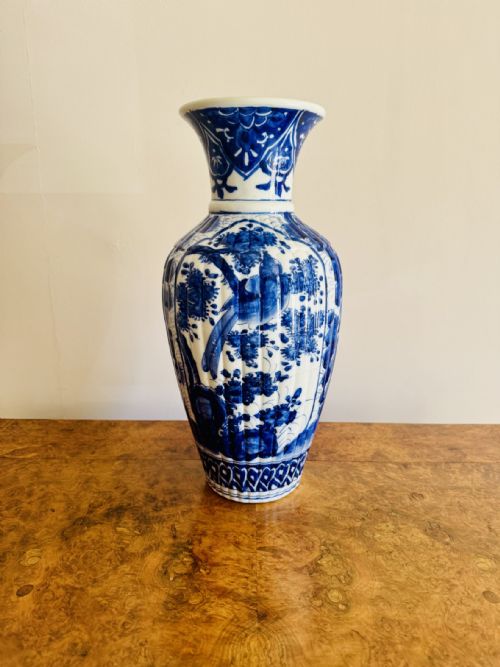
- A style of Japanese export porcelain decorated in underglaze blue and contrasting iron red, gold, and green enamel.
- Spelter
- An alloy of zinc and lead used as a cheaper alternative to bronze for casting decorative figures and urns, often given a bronze-like patina.
19th Century Decorative Vase: Frequently Asked Questions
How were these vases displayed?
These vessels were primarily placed on mantelpieces, pedestals, or large tables as ornamental centrepieces rather than functional flower holders. Paired urns frequently flanked clocks or mirrors in nineteenth-century drawing rooms.
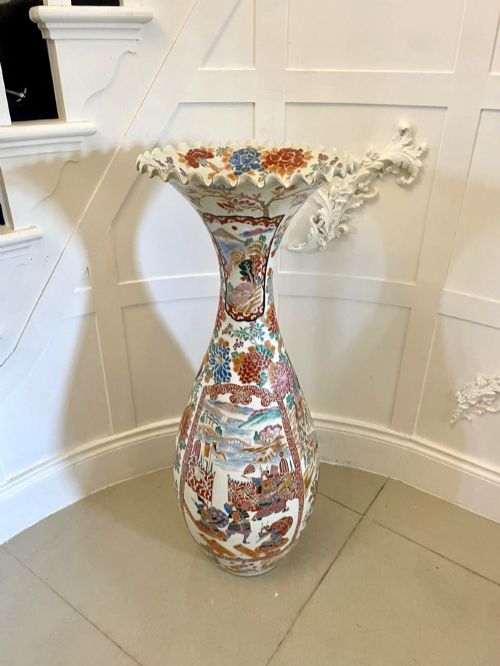
Larger floor-standing jars occupied corners of grand hallways or formal reception rooms, showcasing imported craftsmanship or classical revival motifs to visiting guests.
Are these pieces waterproof?
Many nineteenth-century decorative vessels were built strictly for visual display, meaning their interior construction and glazes may not withstand holding water. Metal mounts, applied enamel, and delicate gilt surfaces can suffer permanent damage if filled.
Collectors generally use these items dry or employ hidden interior liners if floral arrangements are necessary, preserving the fragile historical materials inside.
How do I identify a Grand Tour piece?
Grand tour items typically replicate famous classical antiquities seen by travellers in Italy during the nineteenth century, such as the Warwick or Albani vases. They are usually cast in bronze with patinated or gilt finishes.
These pieces often rest on slate or marble bases, reflecting the souvenirs wealthy tourists brought back to document their travels across European cultural sites.
What does Satsuma mean?
Satsuma refers to a distinct type of Japanese earthenware featuring a crackled, ivory-coloured glaze decorated with intricate enamel patterns and heavy gilding. These pieces gained immense popularity in the West following late-nineteenth-century international exhibitions.
Objects from this tradition range from small cabinet pieces to large floor vases, heavily influenced by European taste while retaining traditional Japanese pictorial themes.