


19th Century Countryside Artwork
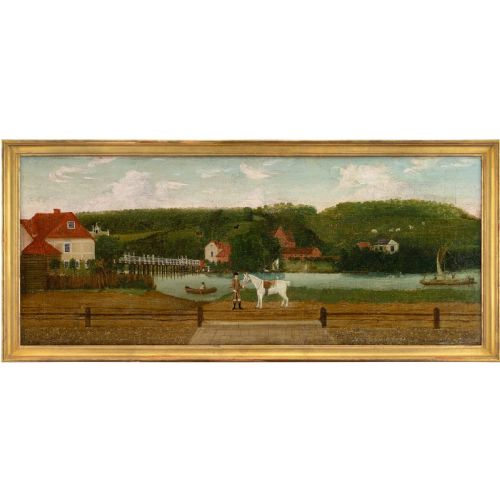
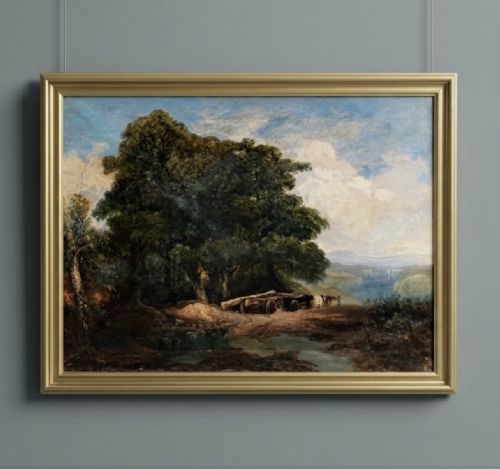
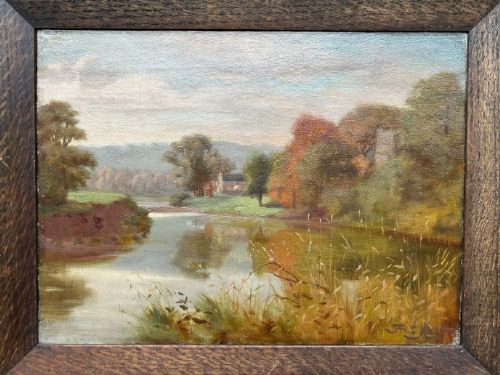
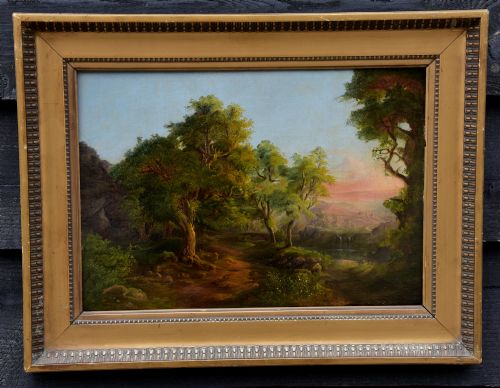
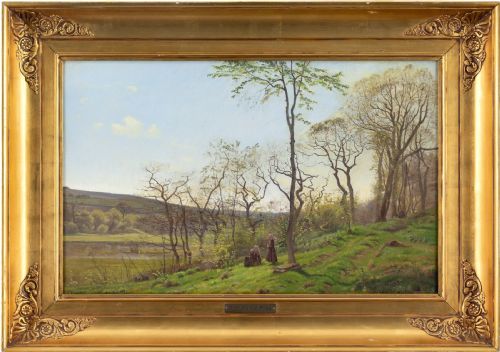
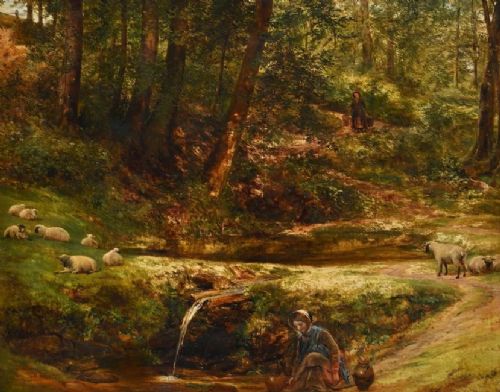
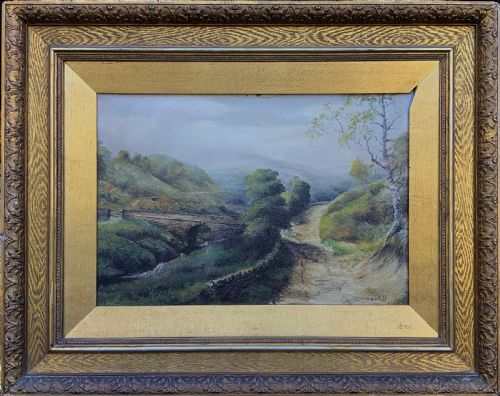
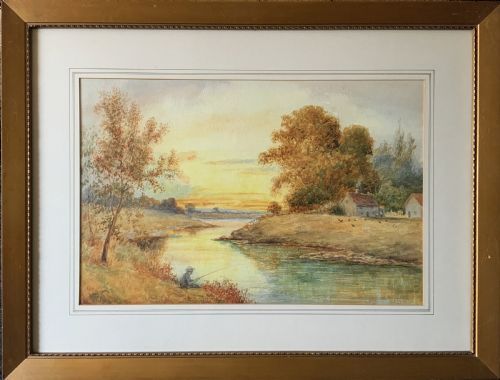
These 19th century countryside artwork pieces capture pastoral rivers, woodlands, and hills, offering buyers a window into traditional rural life through period oil and watercolour paintings.
19th Century Countryside Artwork
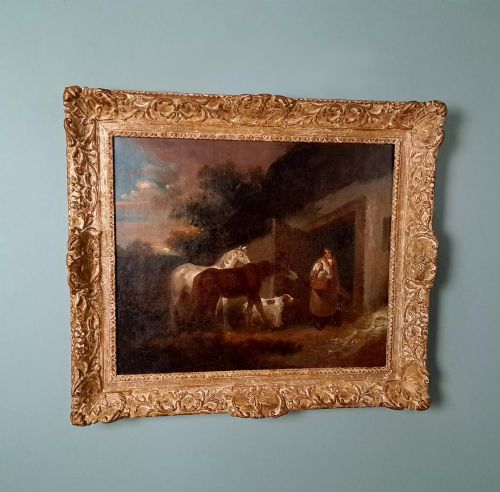
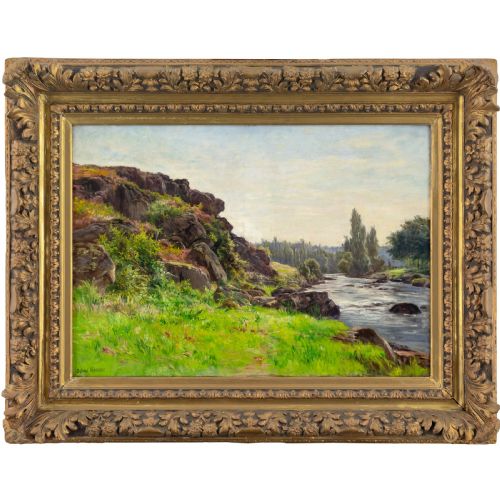
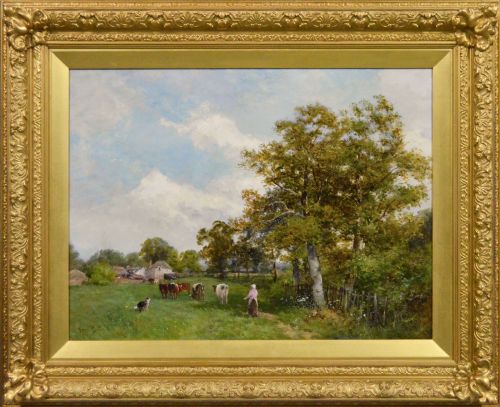
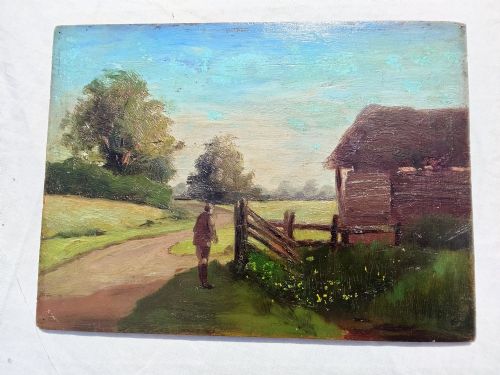
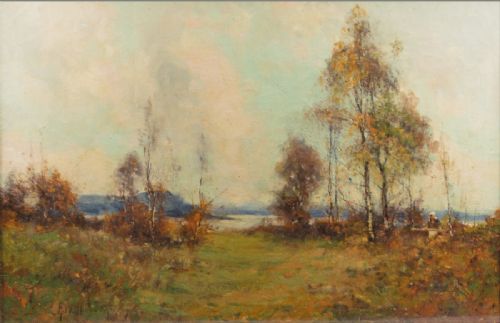
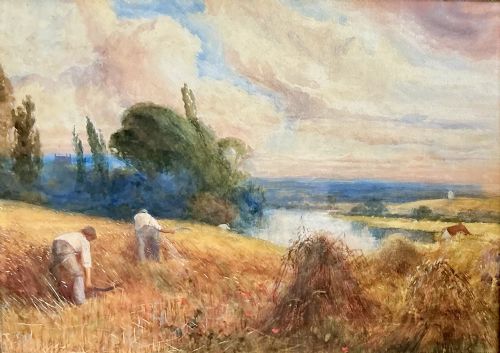
When you search for 19th century countryside artwork, you encounter painted scenes of rivers, woodlands, farmland, and rural figures created primarily during the Victorian era and the broader nineteenth century. The selection leans heavily towards oil paintings on canvas or board alongside traditional watercolours on paper.
The subjects range from tranquil English and Welsh riverbanks to continental pastoral views, often featuring livestock, farm workers, or solitary figures. Most examples survive within period gilt or wooden frames that complement their pastoral motifs.
Materials and techniques
Artists of this period applied oil paint to stretched canvas or prepared wooden boards, building up rich textures and deep tones for woodland and river scenes. Watercolours on paper utilised delicate washes to capture atmospheric light in landscapes and coastal views.
Finished works were typically housed in decorative wooden frames finished with gilt, enhancing the visual depth of the pastoral compositions.
Numerous nineteenth-century cows populate these pastures, quietly observing generations of art buyers from their pastoral riverbanks.
Judging quality in pastoral paintings
Quality rests upon the artist's handling of light, atmospheric perspective, and natural detail within the rural landscape. Finer pieces demonstrate confident brushwork in foliage and water, whereas simpler works rely on repetitive formulae.
The sensitivity of the composition, the natural rendering of figures and animals, and the preservation of the original paint surface separate standard decorative watercolours from accomplished fine art oil paintings.
Richard Sebastian Bond·Frederick Marriott·William Joseph Shayer Senior·Gabriel Mathieu·David Bates·Harald Foss·Richard Redgrave·Alexander Wellwood Rattray·Frederick Hines·John Horace Hooper·Charles Clair·Charles Gregory·William Henry Mander·André Prévot-Valéri·Alfred Augustus Glendening Jnr·William Sydney Cooper·Thomas Hunn·Sidney Richard Percy·James Orrock·Thomas Spinks·Robert John Hammond·Johannes Philippus Galjaard·William Greaves·Robert Thorne Waite·Charles Vickers
The 19th Century Countryside Artwork Glossary
- Oil on Canvas
- A traditional painting medium where pigmented oil paint is applied to a woven fabric support stretched across a wooden frame. This combination allows for rich blending of colour and varied surface textures.
- Watercolour
- A painting method where fine pigment is suspended in a water-based solution and applied to paper. It produces transparent washes that capture light and atmospheric effects.
- Gilt Wood
- Wood that has been coated with a thin layer of gold leaf or metallic gilt paint. These frames were standard for framing nineteenth-century fine art.
- English School
- A classification for artworks produced by artists working within England during a particular historical period. It groups stylistic traditions rather than a single academy.
- Pastoral Landscape
- A genre of art depicting idealized rural life, agriculture, and untamed countryside scenery. These works frequently feature shepherds, cattle, and serene river valleys.
19th Century Countryside Artwork: Frequently Asked Questions
What is 19th century countryside artwork?
These pieces comprise oil paintings and watercolours depicting rural landscapes, farming scenes, rivers, and woodlands created during the nineteenth century. They reflect contemporary appreciation for nature and pastoral life.
Subjects range from Welsh mountain views to quiet English harvest fields, produced by both named professional artists and the broader British School.
How do I care for an antique oil painting?
Keep oil paintings away from direct sunlight and steady humidity levels to protect both the canvas and the wooden stretcher bars. Avoid touching the painted surface directly.
Dust the canvas and frame gently with a soft, dry brush without applying pressure to the paint layer.
Are watercolours framed differently from oils?
Watercolours on paper require framing behind glass to protect the delicate medium from moisture, dust, and handling damage. They also typically feature a paper mount around the image.
Oil paintings on canvas are left unglazed to allow the paint surface to breathe and remain visible in texture.
How can I tell a watercolour from an oil painting?
Watercolours are executed on paper behind glass, showing a flat, transparent wash without raised paint texture. They often highlight luminous paper grounds beneath thin pigment.
Oil paintings display visible brushstrokes, impasto texture, and a hardened paint layer applied to stretched canvas or wooden board.