





19th Century Country Estate Art
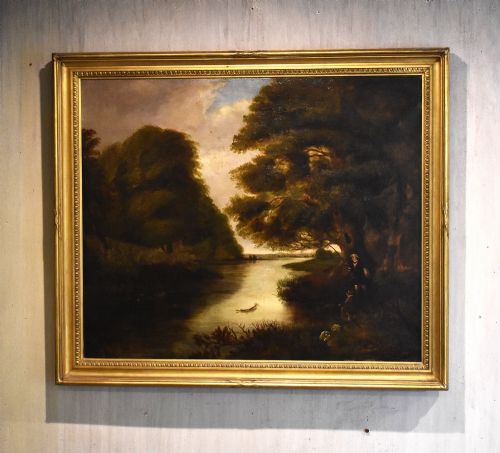
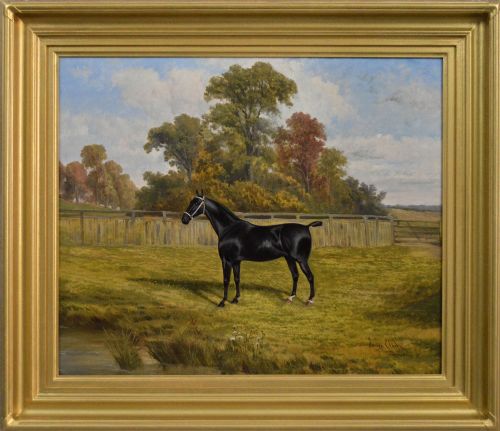
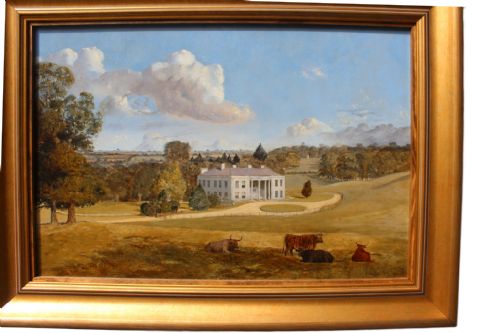
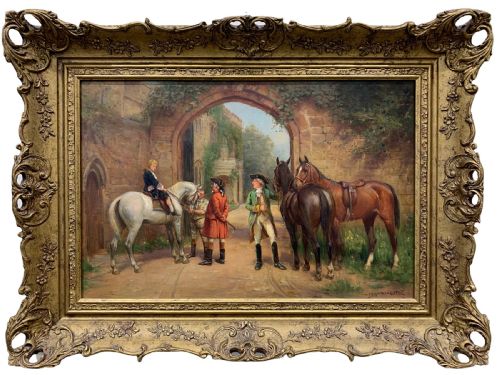
These 19th century country estate art pieces capture houses, horses and landscapes on canvas and paper.
19th Century Country Estate Art
When you search for 19th century country estate art, you are looking at paintings, lithographs and framed prints depicting historic British houses, horses and pastoral scenes. These works record landed properties such as Dalkeith House, Warlies House, Gwydir Castle, Arundel Castle, Pippbrook House, Lowther Castle and Newstead Abbey.
The versions you are most likely to meet on this page include oil paintings on canvas alongside works on paper. They span periods from the Georgian and Regency eras through the Victorian period and into the 1920s.
Subjects range from architectural portraits of country houses to sporting art featuring horses and grooms in landscapes. Some pieces emerge from specific British schools and circles, recording the landed estates of the nineteenth century.
How they were made
Artists painted these estate scenes using oil paint on canvas, sometimes framed in wood and gold leaf. These canvas works capture the depth of landscapes and the textures of historic architecture.
Works on paper utilise monochrome ink with watercolour, alongside coloured lithography. These techniques allowed creators to render precise architectural details of houses like Dalkeith House.
19th Century Country Estate Art Retail Price Guide 2026
Typical asking prices for 19th century country estate art among the pieces listed under this phrase on Sellingantiques today, from the lower quarter to the upper quarter. They describe what is for sale here now, not the wider market.
Cows graze peacefully near Lowther Castle while horses gallop through Newstead Abbey parklands across these canvases.
What varies in quality
Quality in 19th century country estate art rests upon the hand of the artist and the precision of the rendering. Works attributed to named painters or established schools carry distinct artistic merit compared to anonymous topographical records.
The choice of medium alters the character of the piece, as detailed oil on canvas works offer greater presence than monochrome ink and watercolour prints. The preservation of the canvas and the framing in gilt wood also shape the overall standard.
Clifton Tomson·T.M Baynes·Samuel Sidley·James Canter·John Sanderson Wells·Robert Thomas Buttery·Henri Harpignies
The 19th Century Country Estate Art Glossary
- Oil on Canvas
- A painting medium where pigments suspended in drying oils are applied to stretched fabric. This technique allows for rich colour blending and textured brushwork.
- Lithograph
- A print made from a flat stone or metal plate treated to retain ink only in desired areas. Coloured examples utilise multiple stones for different hues.
- Monochrome Ink
- A drawing or wash executed in a single colour of ink, often combined with watercolour. It provides precise architectural lines for estate views.
- Sporting Art
- Depictions of equestrian subjects, hunting, and rural pursuits associated with country life. These works often feature horses and grooms in open landscapes.
- Barbizon School
- A nineteenth century movement towards naturalistic landscape painting. Artists in this circle focused on direct observation of nature.
19th Century Country Estate Art: Frequently Asked Questions
What subjects appear in country estate art?
These works depict historic British houses, parklands, lakes, and equestrian scenes. Named properties such as Arundel Castle and Newstead Abbey frequently serve as the focal point.
Alongside architecture, paintings capture sporting subjects, including horses and grooms within rural landscapes.
How do I date a piece?
Dating relies on recorded periods such as Georgian, Regency, and Victorian, alongside specific years found in the evidence like 1860 or 1866. Styles and artist active dates also help place a work.
Examining the medium, whether oil on canvas or lithograph, provides further context for the era of creation.
What materials were used?
Pieces utilise canvas, oil paint, paper, glass, and wood, often enhanced with gold leaf and gilt wood frames. Works on paper combine monochrome ink with watercolour.
These traditional materials reflect the standard production methods of nineteenth-century British artists and printmakers.
Are these works signed?
Some pieces feature signatures from artists such as Robert Thomas Buttery, while others remain in the circle of specific schools like the Barbizon School. Signatures and attributions help connect works to known creators.
Unsigned pieces rely on subject matter and style to suggest their origin within the nineteenth century.
How should I display them?
Framed artwork in wood, gilt wood, and glass suits placement on interior walls, particularly in spaces that complement historic subjects. Proper framing protects both canvas and paper from environmental wear.
Pairing oil paintings of castles with complementary period interiors enhances their visual impact.