

19th Century Classical Painting
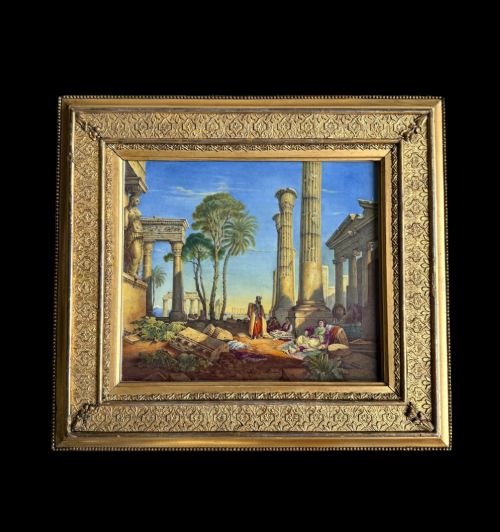
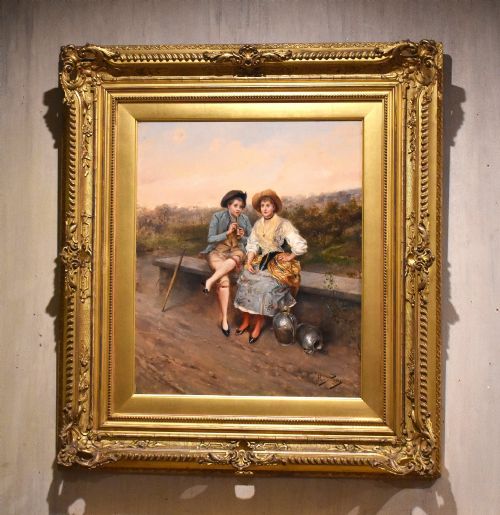
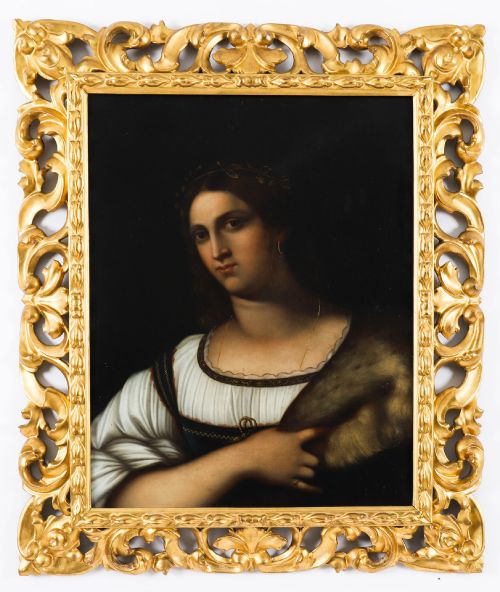
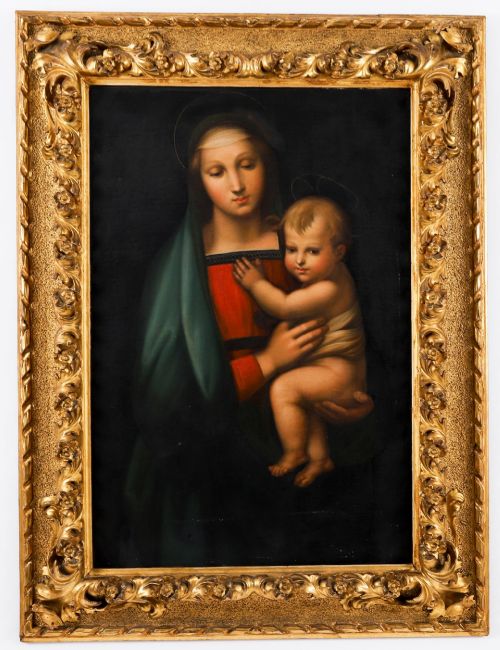
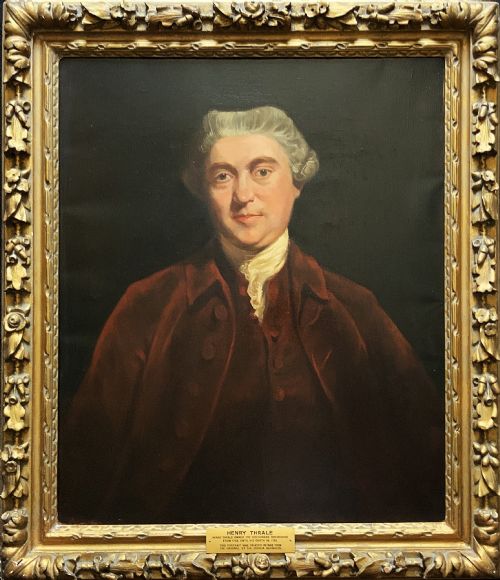
19th century classical painting works on canvas and paper preserve the enduring subjects of antiquity, mythology, and historical portraiture.
19th Century Classical Painting
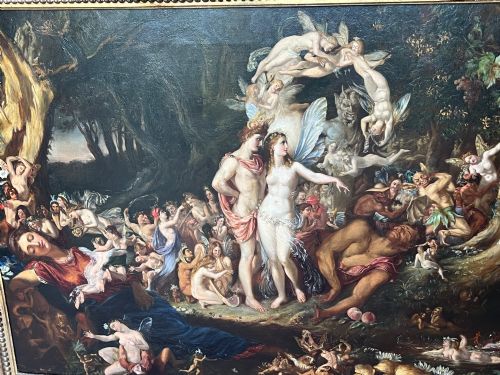
A 19th century classical painting captures historical, mythological, and figurative subjects influenced by academic traditions and earlier masters. These works often translate complex literary scenes, literary narratives, and formal portraiture into refined visual compositions.
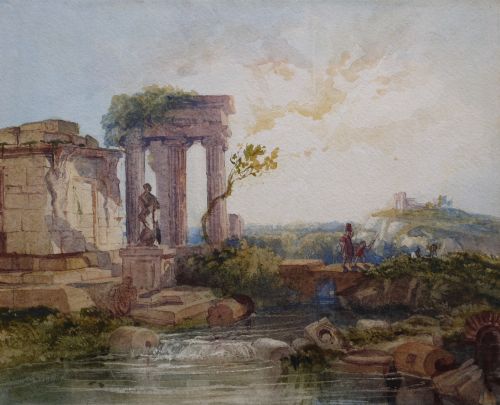
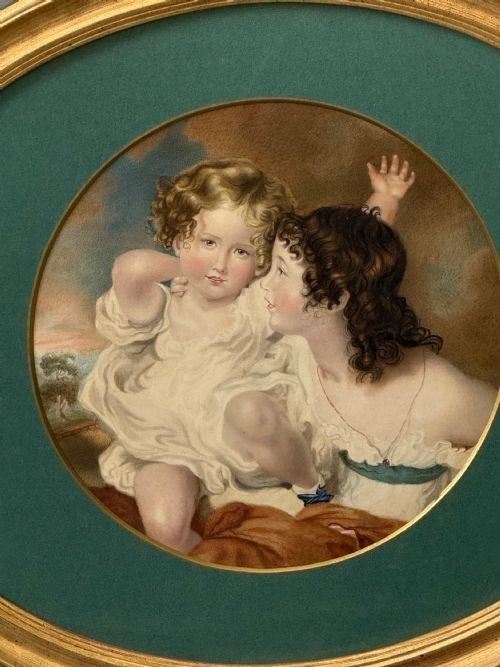
Buyers encountering this group will frequently find oil paintings on canvas alongside works executed in watercolour, ink, and gouache. Such pieces reflect both finished studio works and the intimate sketches produced during Grand Tour travels across Europe.
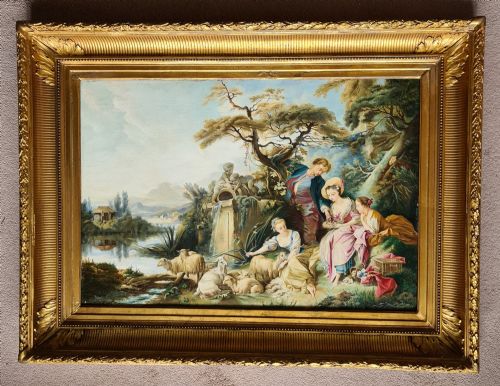
The selection extends from direct copies after established portraitists to original compositions bearing the distinct hand of nineteenth-century European and British schools.
Materials and technique
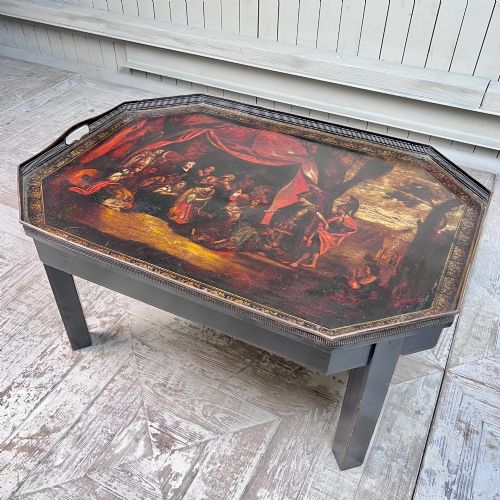
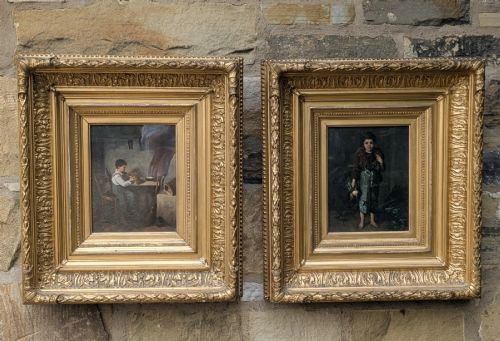
The physical construction of these works relies heavily on oil paint applied to stretched canvas, often housed within period giltwood or gesso frames. Support materials also include paper for watercolours and drawings, sometimes mounted with ink and wash.
Artists utilised traditional layering techniques, building depth through preparatory grounds and meticulous brushwork. The integration of paper, wood, and occasionally glass protects these delicate pigment layers from environmental moisture.
Several canvases capture subjects staring intently across the centuries, seemingly unimpressed by modern interior design choices.
Evaluating quality and execution
Quality within this category rests upon the precision of the draughtsmanship, the handling of light and shadow, and the structural integrity of the support. Superior examples demonstrate confident brush control and anatomical accuracy in figurative rendering.
The preservation of the original surface, including untouched pigment layers and contemporary framing materials, distinguishes works of higher artistic ambition from standard decorative productions.
Richard Principal Leitch·Francois Boucher·Sir Joshua Reynolds·Sir Thomas Lawrence·Henrietta Rae·Johannes Brahms·Renato Moretti·Jacob Akkersdijk·Theodore Jensen·John A Monteith·John Ferneley Senior·John Hunter·Charles Bellay·John Watkins Chapman·George Romney
The 19th Century Classical Painting Glossary
- Oil on Canvas
- Pigments bound in a drying oil applied to a woven fabric support stretched over a wooden frame. This medium allows for rich colour blending and durability over centuries.
- Watercolour
- A painting method in which the paints are made of pigments suspended in a water-based solution. It is typically applied to paper to achieve translucent effects.
- Giltwood
- Wood carved and coated with a thin layer of gold leaf or gold paint. It frequently appears on the elaborate frames enclosing nineteenth-century artworks.
- Gesso
- A white paint mixture consisting of a binder mixed with chalk, gypsum, or pigment. It prepares wooden panels or canvas surfaces to receive paint.
- Provenance
- The chronology of the ownership, custody, or location of a historical historical artwork. Establishing this history validates the authenticity of the piece.
19th Century Classical Painting: Frequently Asked Questions
How do I care for a 19th century classical painting?
Keep these artworks away from direct sunlight and dramatic shifts in temperature or humidity. Avoid touching the pigment surface directly and dust gently with a soft, dry brush.
Ensure that canvas works are periodically checked for proper tension behind their frames. Professional conservation is recommended for any cleaning or repair work.
Are these paintings original works or copies?
The selection includes both original compositions by period artists and studies executed after earlier masters. Many nineteenth-century painters studied by copying historical works in European collections.
Examining the brushwork, signature, and framing helps determine whether a piece is an independent creation or a skilled homage.
What subjects are common in these paintings?
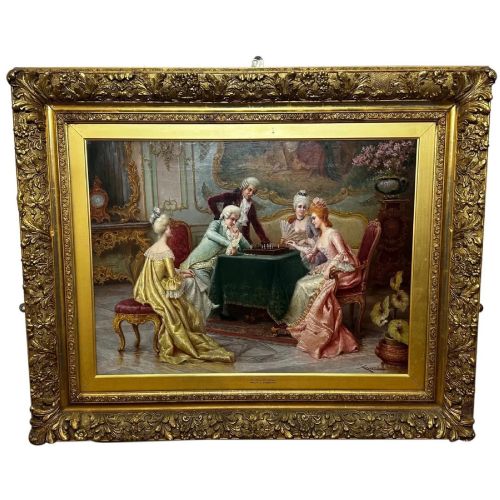
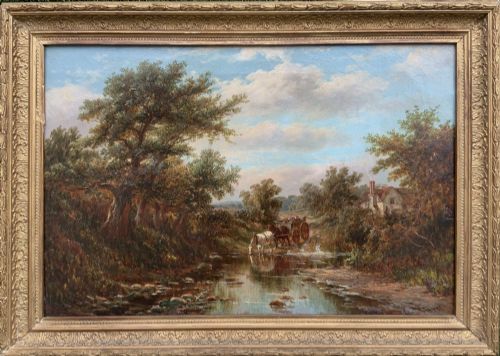
Common subjects draw heavily from classical mythology, historical narratives, and literary scenes. Portraits of notable figures and idealized landscape views also appear frequently.
These themes reflect the academic curriculum and cultural interests prevalent throughout the nineteenth century.
How are periods identified in these artworks?
Dating relies on stylistic markers, framing techniques, and the material composition of the support. Pigment analysis and stretcher construction often provide clues regarding the exact decade of creation.
Documentation such as signatures, exhibition labels, and historical provenance further confirm the period of origin.