
19th Century Child Artwork
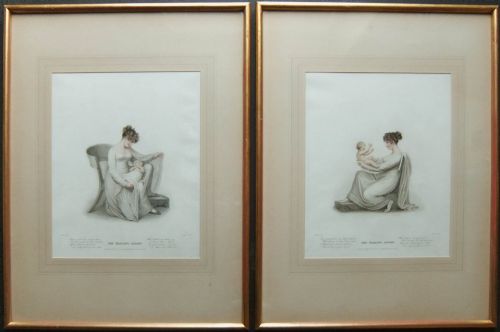
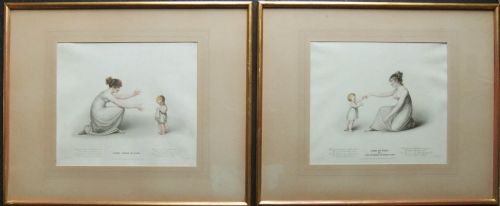
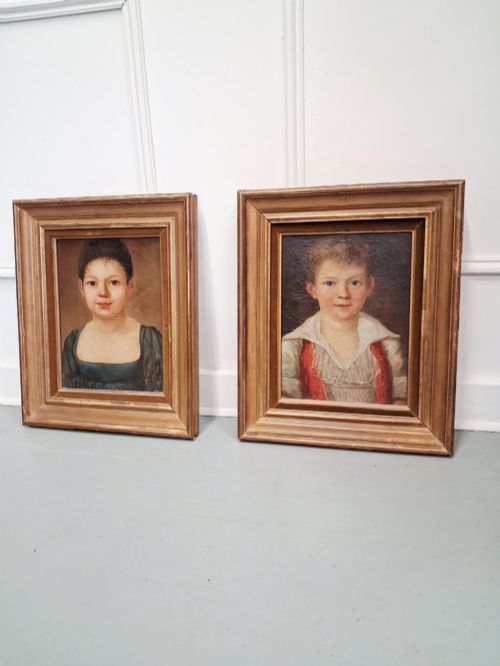
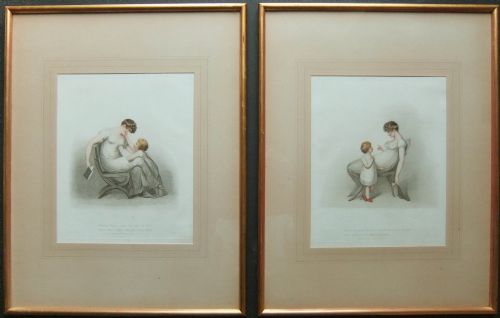
These pieces of 19th century child artwork capture historical portraiture, intimate domestic scenes and delicate silhouettes from the Georgian, Regency and Victorian eras.
19th Century Child Artwork
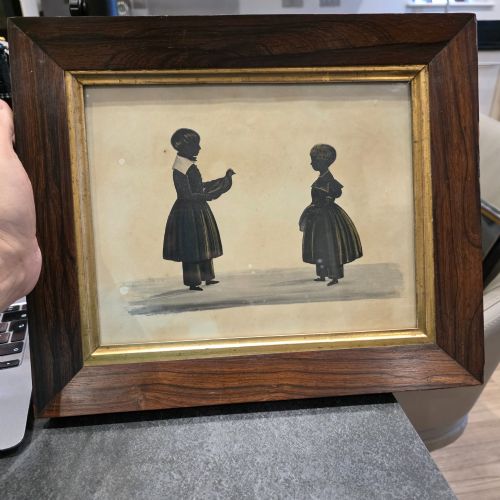
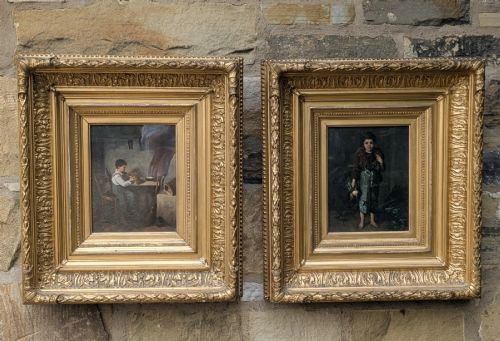
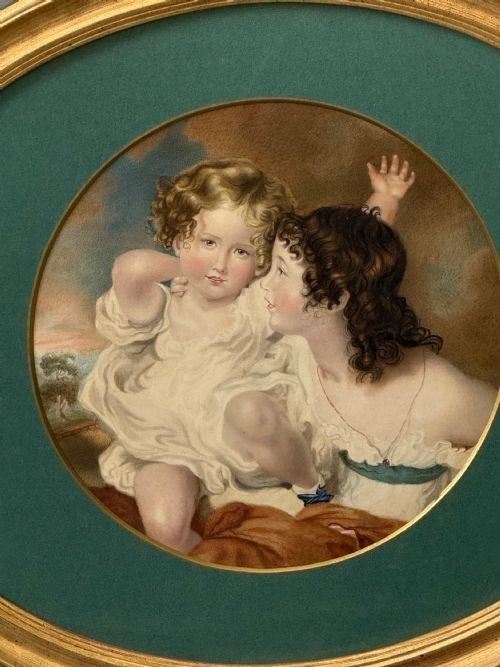
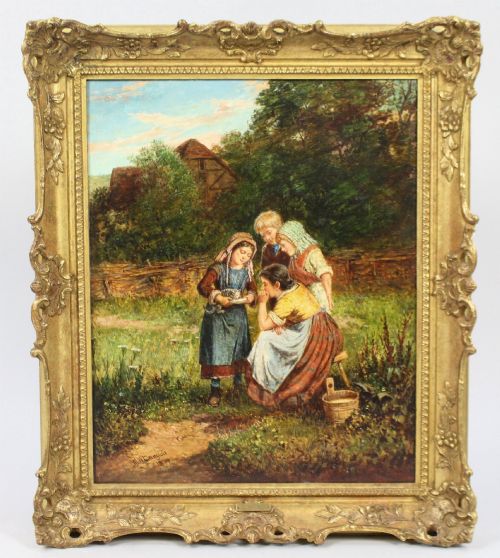
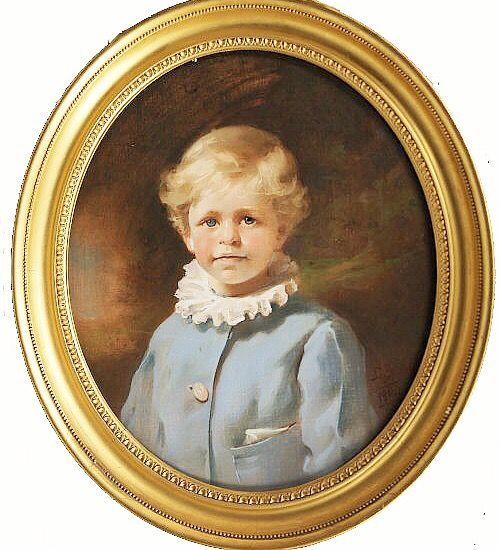
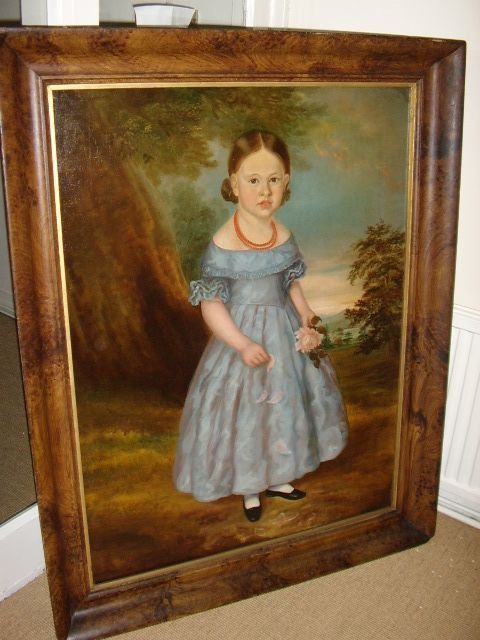
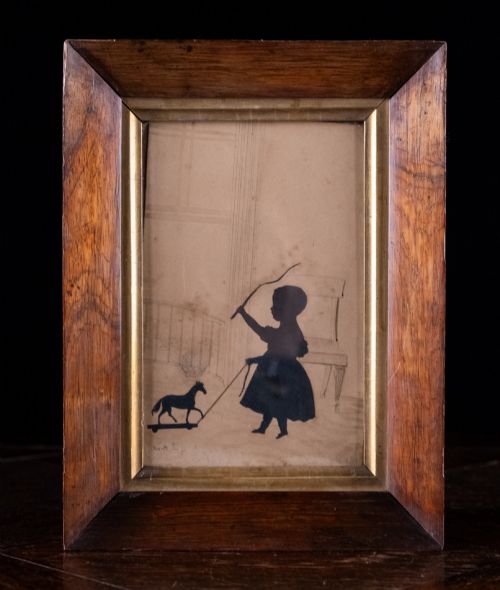
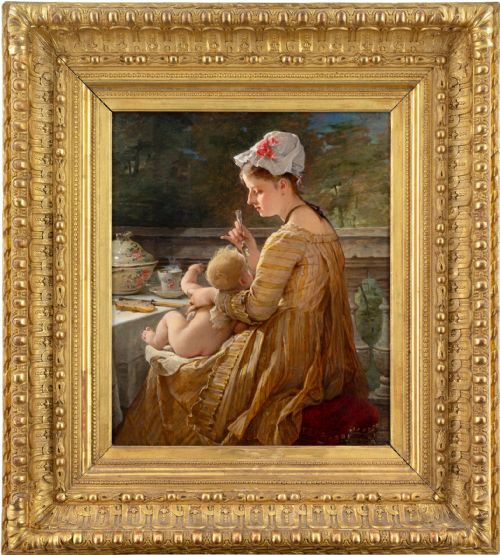
When searching for 19th century child artwork, collectors encounter a diverse range of visual media depicting youths, siblings and family groups across the Georgian, Regency and Victorian periods. These pieces include formal oil paintings, delicate watercolours, graphite sketches, silhouette profiles and period engravings reflecting contemporary domestic life.
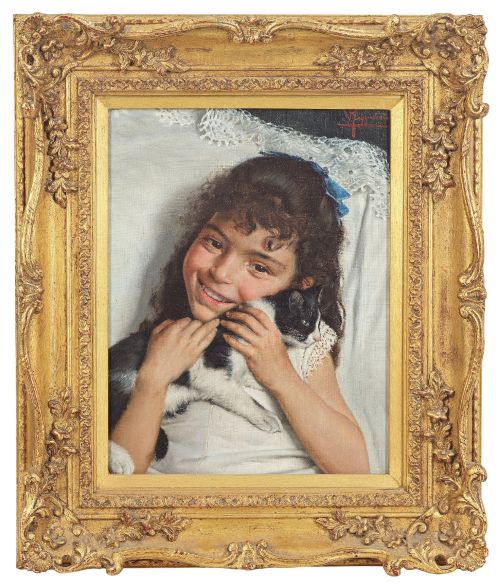
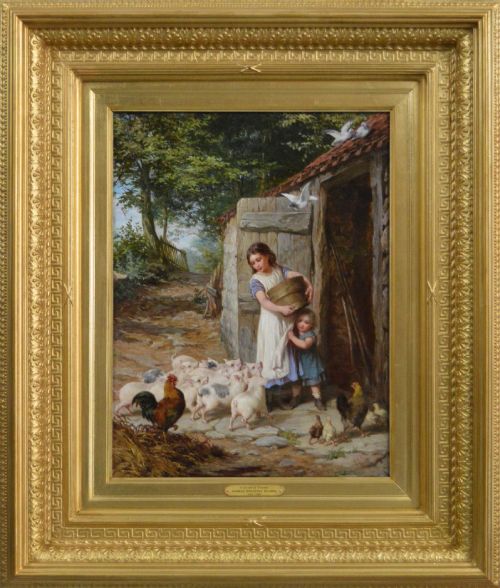
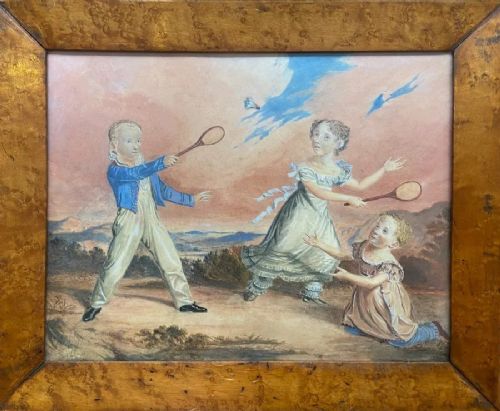
The selections on this page are predominantly oil on canvas paintings and framed works on paper, spanning genres from academic portraiture to folk art. Buyers most frequently meet Victorian oil paintings of children with animals or toys, alongside earlier Regency pencil drawings and hand-coloured prints.
Materials and Methods
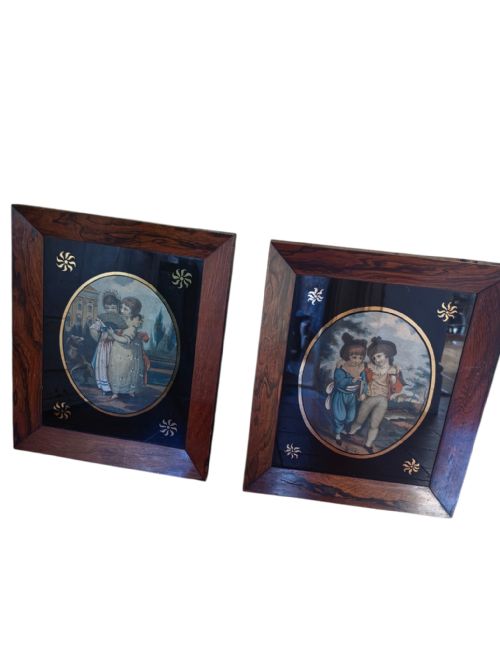
Artists of the era utilised oil paints applied to canvas or wood panels, often housed within original giltwood or ebonised frames. Watercolour and graphite drawings on paper required precise draughtsmanship, whilst silhouettes were meticulously cut from card or painted directly.
Engravings and prints utilised metal plates or woodblocks to replicate popular compositions for broader domestic display. Gilt and rosewood frames provided standard presentation for both high-status academic works and simpler folk-art pieces.
Watch for children depicted alongside stubborn farm animals and eager kittens that clearly stole the artistic focus.
Assessing Quality
Condition and originality heavily influence stature, particularly the survival of untouched surfaces, period pigments and matching historical frames. Works bearing signatures from documented exhibitors command greater interest than unsigned naive pieces.
Vittorio Reggianini·Mark William Langlois·Leon Sprinck·Augustin Edouart·Adelaïde Salles-Wagner·George Augustus Holmes·Henry Travis·Adam Buck·Frederick Tatham·Sir Thomas Lawrence·James Mallard Bromley·James Hardy·George Smith·Evaristo Cappelli·William Egley
The 19th Century Child Artwork Glossary
- Silhouette
- A solid shape of a person, usually presented in profile and filled in with a dark colour, cut from paper or painted on card. These profiles gained immense popularity during the Regency and early Victorian periods.
- Genre Painting
- A pictorial representation depicting scenes from everyday life, typically involving ordinary people engaged in domestic activities or leisure. In this category, such works frequently show children playing or interacting with animals.
- Engraving
- A printmaking technique where an image is incised into a metal plate, which then holds ink for transfer under pressure. Publishers used this method to disseminate popular portraits widely.
- Giltwood
- Wood that has been coated with a thin layer of gold leaf or gilt powder. Frames utilising this finish were standard for respectable oil paintings of the period.
19th Century Child Artwork: Frequently Asked Questions
What periods do these artworks represent?
The listings span from the Georgian and Regency eras through the extensive Victorian period up to the early twentieth century. This timeline covers shifting artistic styles from classical academic portraiture to charming folk art.
Specific dates within the titles range from the early 1800s to the 1950s, capturing evolving societal views on childhood and domestic life.
How were these pieces displayed originally?
Period artworks of this nature were predominantly hung in domestic reception rooms, parlours and private family spaces. Wealthier households commissioned grand oil paintings, while smaller watercolours and silhouettes decorated intimate chambers.
Many retain their original rosewood, ebonised or giltwood frames, which were chosen specifically to complement the interior aesthetics of their respective decades.
Are these works signed by the artists?
Some pieces feature legible signatures, monograms or contemporary attribution notes verso identifying the painter, draughtsman or engraver. These signed works often link directly to recorded exhibitors at institutions like the Royal Academy.
Other examples remain unattributed folk art or studio copies after established masters such as Sir Thomas Lawrence, reflecting the widespread popularity of academic compositions.
What subjects besides portraits appear here?
Alongside direct portraiture, the works encompass genre scenes showing children engaged in games, interacting with pets, gathering firewood or participating in family mealtime. Narrative elements such as battledore and shuttlecock or feeding kittens provide contextual storytelling.
Allegorical representations, including cherubs and putti after baroque masters, also feature within the broader selection of nineteenth-century fine art.