




Pair Child Portraits
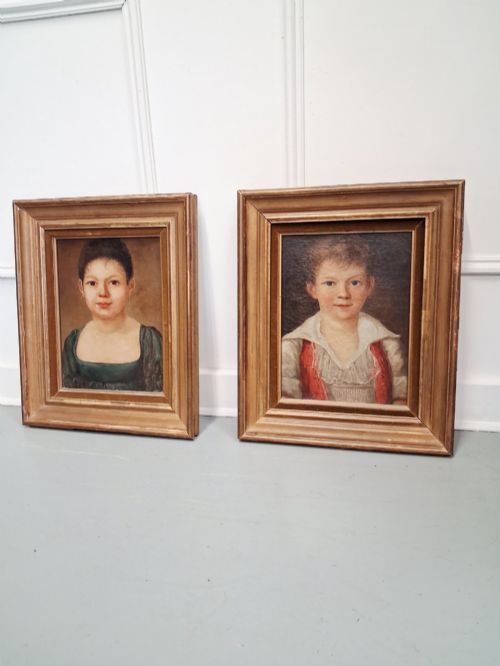
Pair antique child portraits bring unmatched character into a room, offering a glimpse into past childhoods through oils, watercolours, and engravings.
Pair Child Portraits
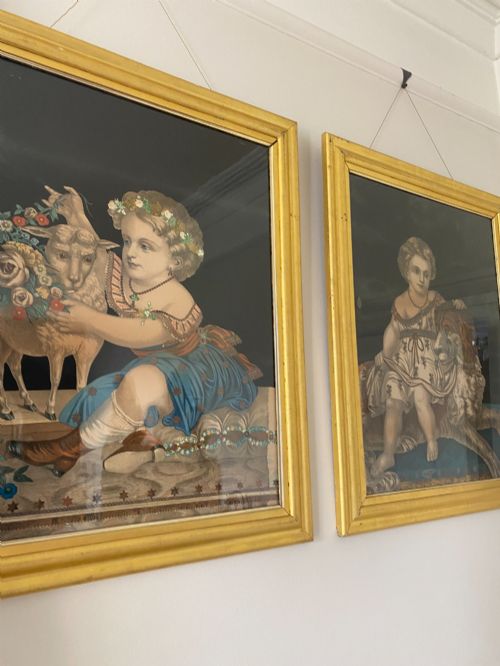
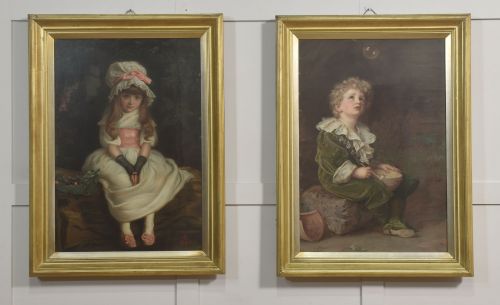
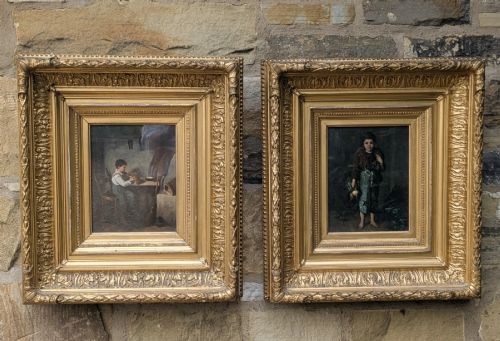
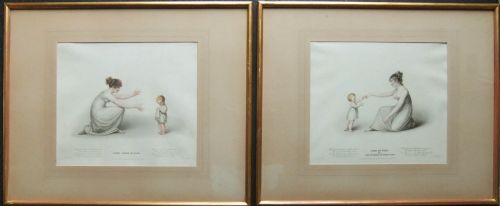
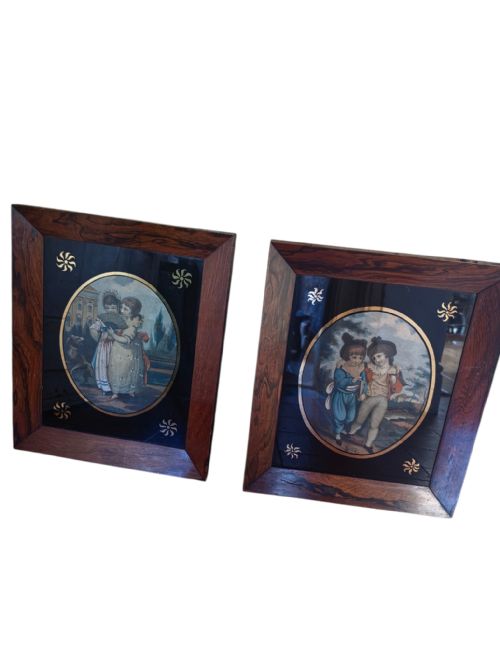
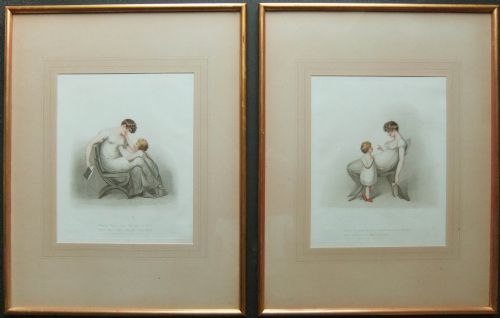
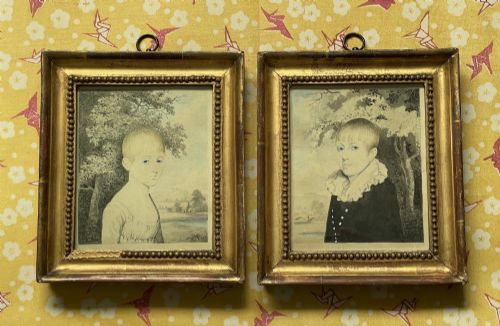
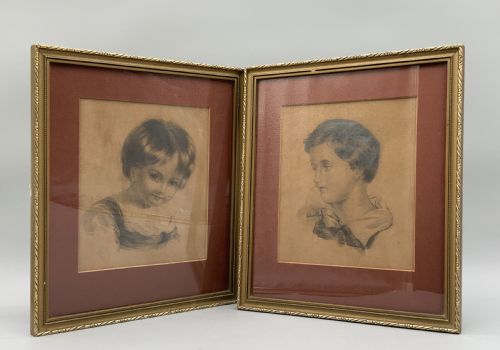
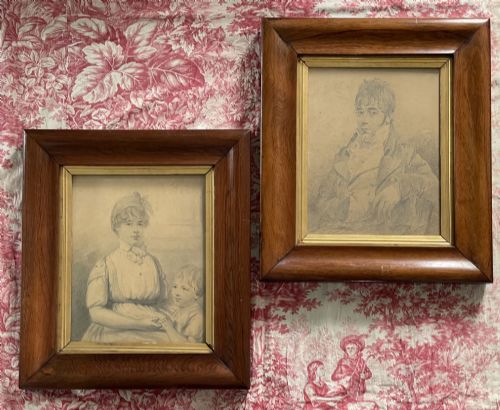
Pair antique child portraits are matching pairs of artworks depicting children, executed across the eighteenth, nineteenth, and early twentieth centuries. When you search for pair antique child portraits, you encounter framed watercolours, oil paintings, stipple engravings, pencil drawings, and terracotta busts.
The subjects range from formal Regency works and Victorian watercolours to early twentieth-century pastels and advertising prints. These pieces frequently emerge in matching frames made of wood, rosewood, or giltwood, preserving their original symmetry.
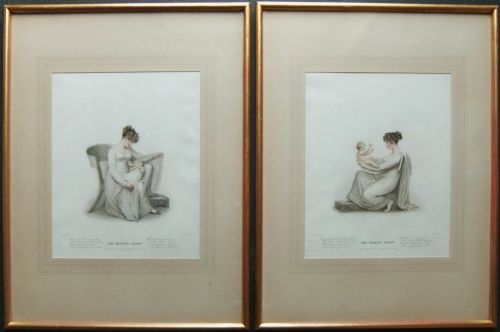
Makers and artists span the English School, continental creators, and known printmakers such as Adam Buck. Collectors find works dating from the Georgian era through to the Edwardian period, reflecting changing artistic tastes in youth representation.
How They Were Made
Artists employed watercolour on paper, oil paint on canvas or panel, and graphite or pastel for graphic works. Engravers utilised copper plates for stipple prints, sometimes enhanced with metal embellishments on clothing.
Sculptors shaped terracotta to form paired busts of children, capturing fine facial details in fired clay. Framing utilised traditional wood techniques, applying gold leaf and giltwood finishes to complement the artwork.
Pair Child Portraits Retail Price Guide 2026
Typical asking prices for pair child portraits among the pieces listed under this phrase on Sellingantiques today, from the lower quarter to the upper quarter. They describe what is for sale here now, not the wider market.
Listings feature works spanning the 17th, 18th, 19th, and early 20th centuries, executed in oil, watercolour, pastel, graphite, terracotta, and print.
What Varies in Quality
The fidelity of draughtsmanship and the expressiveness of the subject determine the standing of each piece. Superior works display confident brushwork or precise pencil lines that capture individual likeness rather than generic forms.
Materials also dictate grade, where original giltwood frames and untrimmed paper sheets elevate the presentation. Hand-finished details, such as metal clothing embellishments or delicate pastel blending, separate standard commercial prints from master works.
Emily Eyres·Adam Buck·Henry Edridge·John Mc Ghie·Karl Feiertag
The Pair Child Portraits Glossary
- Stipple engraving
- A printmaking method using dots to create tonal gradations and soft shadows. This technique gained popularity for reproducing sentimental portraiture during the Georgian period.
- Giltwood
- Timber carved and coated with a thin layer of gold leaf or metallic paint. It provides a reflective, ornate border common in period frames.
- English School
- A classification for artists working in Britain who shared stylistic traditions rather than formal academy membership. Many anonymous period portraits fall under this historical grouping.
- Terracotta
- Fired unglazed clay possessing a reddish-brown earthy tone. Sculptors utilised this medium for durable portrait busts.
Pair Child Portraits: Frequently Asked Questions
How should I display pair antique child portraits?
Hang them at eye level in a balanced arrangement, ideally maintaining their original symmetry to preserve the visual dialogue between the two subjects. Keeping them away from direct sunlight protects vulnerable watercolours and paper from fading.
Pair them with traditional room furnishings to complement their historical context, or mount them on plain walls to let the period details stand out clearly.
What framing is typical for these portraits?
Original frames often consist of rosewood, carved wood, or giltwood surrounds that match the period of the artwork. Many retain glass protection over delicate paper, pastel, and watercolour mediums.
Check that the backing boards and fixings align with nineteenth or early twentieth-century methods to confirm originality.
How do I distinguish between an original painting and a print?
Examine the surface closely under magnification to look for brush texture, canvas weave, or paper absorption characteristic of hand-painted oils and watercolours. Prints display microscopic dot patterns or plate marks left by the engraving process.
Signatures and medium density also offer clear clues to whether the work is a unique creation or a published edition.
Why were these portraits created in pairs?
Artists and sitters often commissioned or produced portraits in pairs to represent siblings, complementary themes like sleeping and waking, or balanced decorative symmetry for domestic interiors. This pairing created a narrative dialogue across the wall space.
Publishers also issued commercial engravings in matched sets to satisfy the nineteenth-century demand for sentimental domestic decor.