
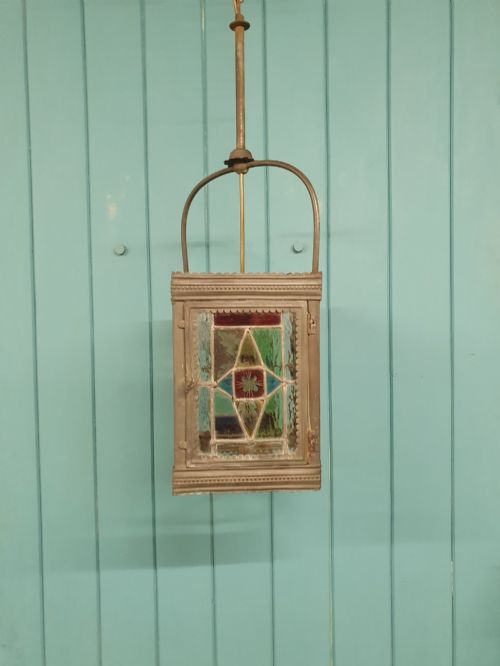


19th Century Ceiling Pendant
These 19th century ceiling pendant fixtures bring period presence and direct illumination to interior spaces through historical forms.
19th Century Ceiling Pendant
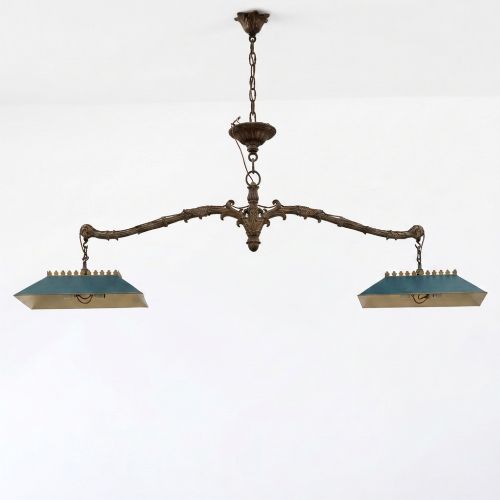
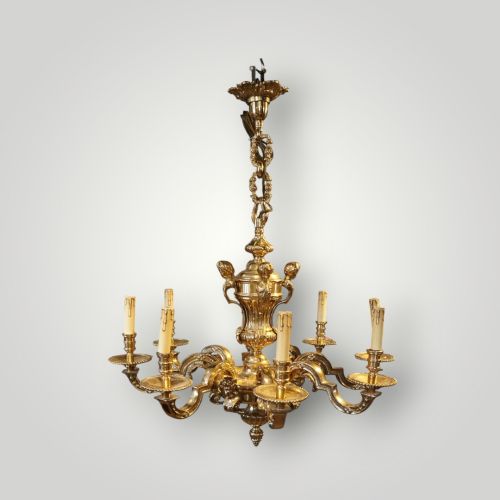
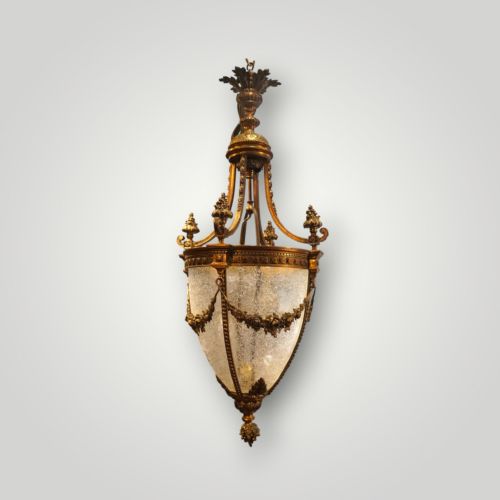
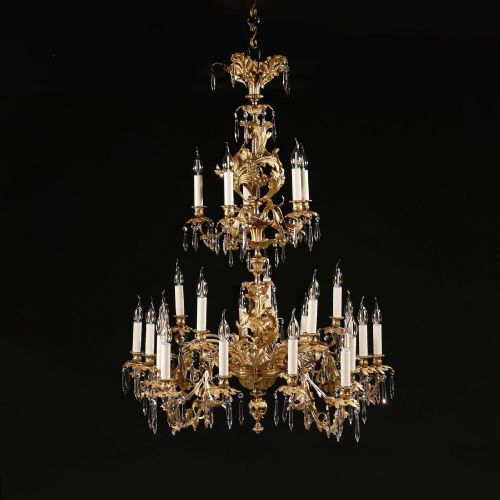
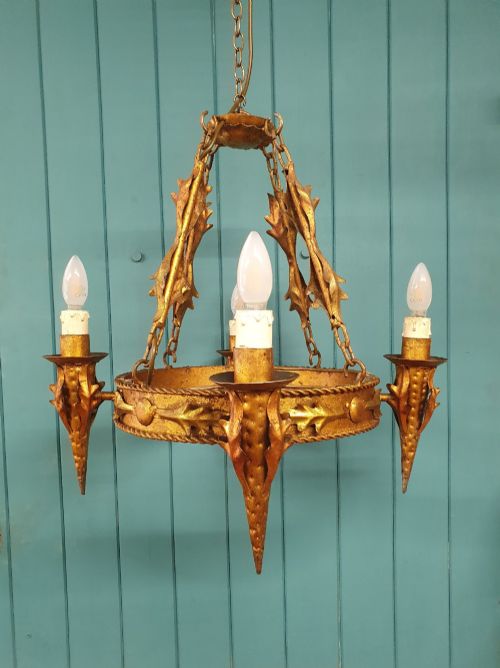
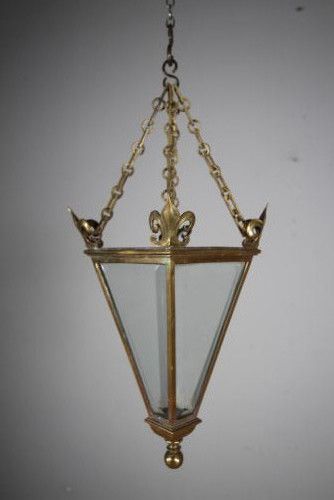
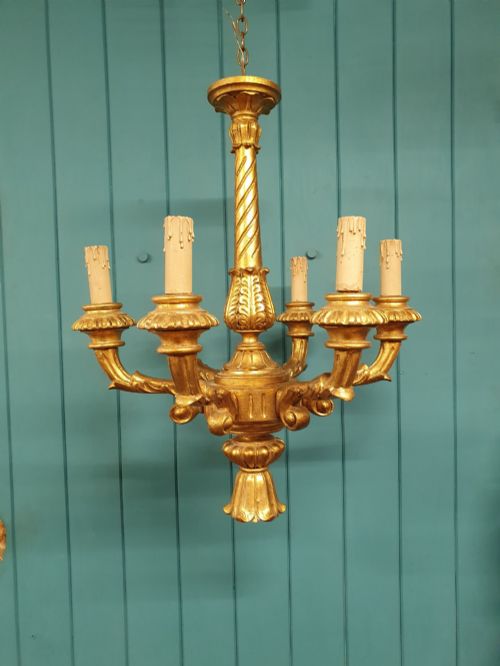
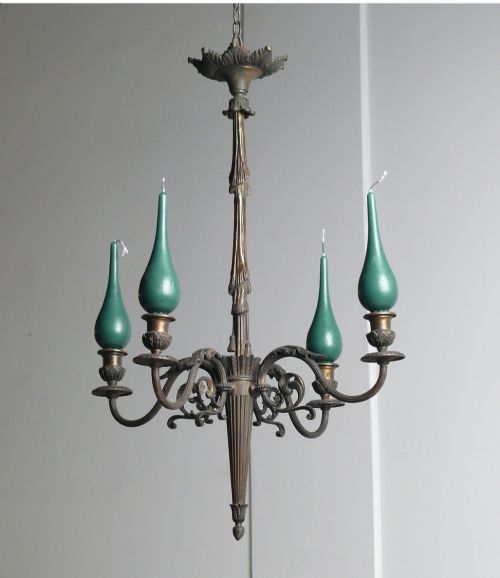
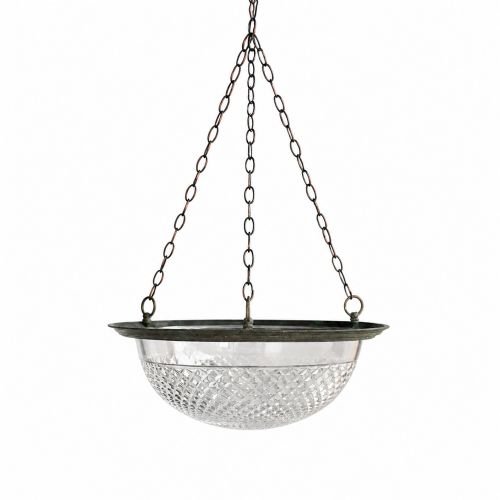
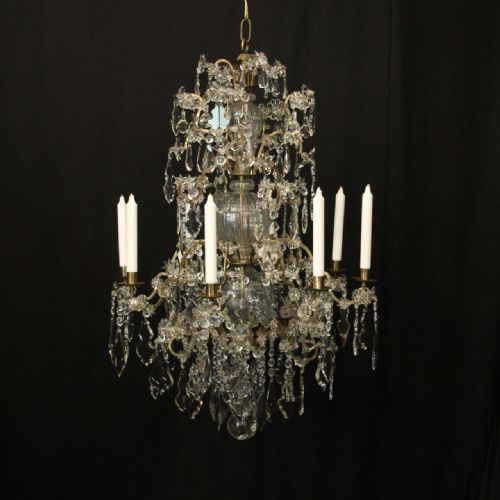
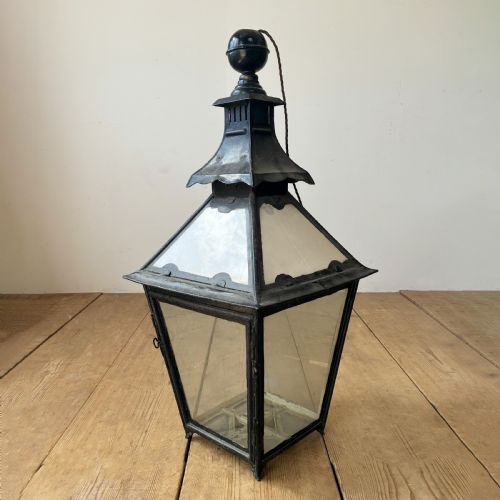
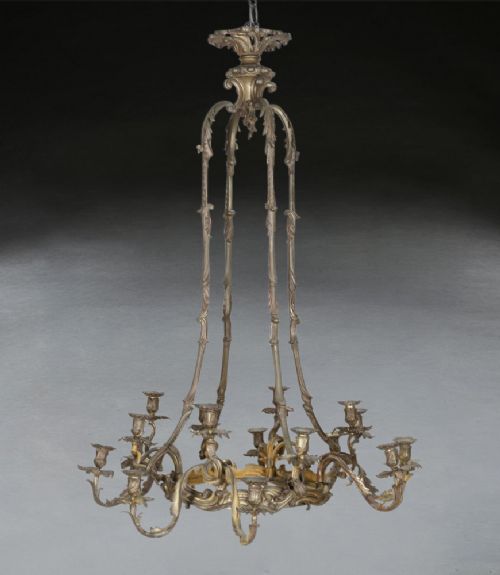
When you search for a 19th century ceiling pendant, you encounter a diverse array of historic hanging light fittings designed to illuminate interior spaces. The selections span chandeliers, hall lanterns, billiard lights, and plafonniers originating from various European traditions.
The assortment encompasses varied formats from compact hexagonal hall lanterns to large multi-arm chandeliers decorated with crystal drops and gilt details. Each object reflects the interior lighting requirements and decorative preferences of its period of manufacture.
Materials and construction methods
Metals form the structural core of these fittings, with brass, bronze, gilt bronze, and cast iron providing robust frames for the hanging arrangements. Gilded finishes and silver plating are frequently applied to enhance the visual weight of the metalwork.
Glass and crystal elements complement the metal structures through cut glass components, leaded panels, and decorative drops that refract the light source. Gesso and giltwood additionally appear in specific chandelier frames from the period.
Recorded periods span the early nineteenth century through the Victorian era, Edwardian period, and up to the 1930s.
Distinctions in quality and execution
The degree of hand-chasing on bronze and gilt bronze components separates standard production from exceptional work, defining the crispness of foliate and figural motifs. Cast iron and brass fittings show variation in the precision of their assembly and the weight of the metal used.
The integration of cut crystal elements and the complexity of the arm configuration dictate the refinement of a chandelier or lantern. Comprehensive multi-arm structures with detailed metal casting represent the upper tier of period manufacturing.
Joseph Wilmotte
The 19th Century Ceiling Pendant Glossary
- Chandelier
- A branched ornamental light fixture suspended from the ceiling. These fixtures hold multiple candles or electric bulbs across several arms.
- Hall Lantern
- An enclosed hanging light designed specifically for corridors, vestibules, and entrance halls. They frequently utilise glass panels set within a brass or bronze framework.
- Gilt Bronze
- Bronze metal coated with a thin layer of gold or gold leaf through fire gilding or similar historic processes. This treatment provides a durable golden lustre.
- Plafonnier
- A ceiling light fitting that sits relatively flat against the ceiling surface rather than hanging low on a chain. These fixtures distribute ambient illumination downwards.
- Gasolier
- A decorative light fixture originally designed and piped for coal gas illumination before being adapted for electricity. They often retain complex branching arms.
19th Century Ceiling Pendant: Frequently Asked Questions
What rooms suit a 19th century ceiling pendant?
These historic light fittings suit entrance halls, dining rooms, and principal reception spaces where ceiling height permits a hanging fixture. Their substantial scale and decorative metalwork anchor the room's interior scheme.
Smaller lanterns work well in narrow hallways or landings, while multi-arm chandeliers provide central illumination and a focal point for larger living areas.
How do I identify a French 19th century chandelier?
French chandeliers from this era typically display distinct stylistic markers such as gilt bronze mounts, cast foliate details, and arrangements influenced by Rococo or Empire designs. The integration of cut crystal drops and cage frames is also characteristic.
Examination of the metal casting and the quality of the chasing often reveals the continental manufacturing origin compared to domestic British pieces.
Were these lights originally electrified?
Most of these nineteenth-century fixtures were originally built for candles or coal gas rather than electricity. Gasoliers and candle-branch chandeliers were subsequently adapted during later periods to house electrical wiring.
This conversion process preserves the historic metal body while allowing safe modern operation within contemporary domestic properties.