


19th Century Carving Set
A 19th century carving set brings period craftsmanship to the table, offering a matched pairing for joint preparation that collectors prize for utility and display.
19th Century Carving Set
A 19th century carving set represents the Victorian dining table equipment used for serving large joints of meat. These groupings typically comprise a carving knife and matching fork, occasionally accompanied by a steel, designed to handle the substantial roasts of the era.
The evidence for this specific grouping points towards Victorian material culture, where matching implements were housed in fitted presentation boxes for daily use or formal dining. Collectors encounter these items as functional survivals from a period that valued elaborate domestic service.
Materials and construction
Makers utilised high-carbon steel for the blades to maintain a sharp cutting edge, paired with handles fashioned from natural materials such as antler horn. These components were assembled using pins or collars to secure the tang within the grip.
The accompanying forks incorporated hand guards or folding rests to protect the user during carving. Metal collars, often in plated silver, joined the handle to the implement body for structural stability.
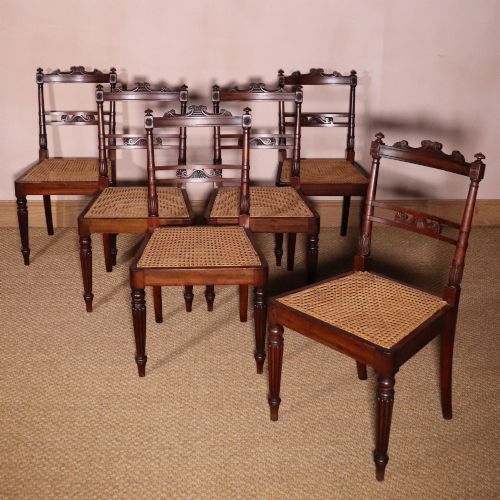
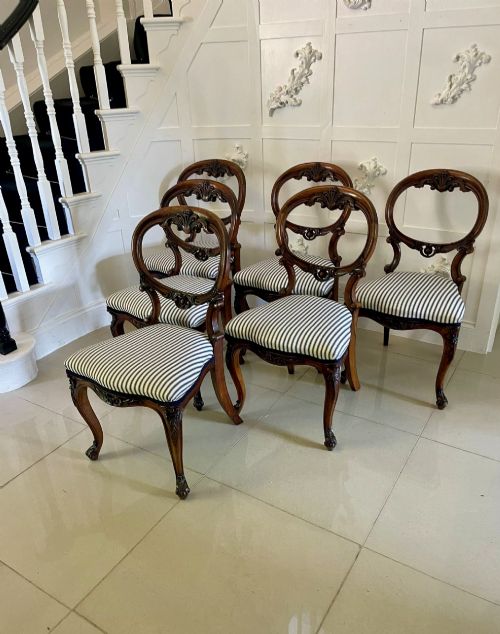
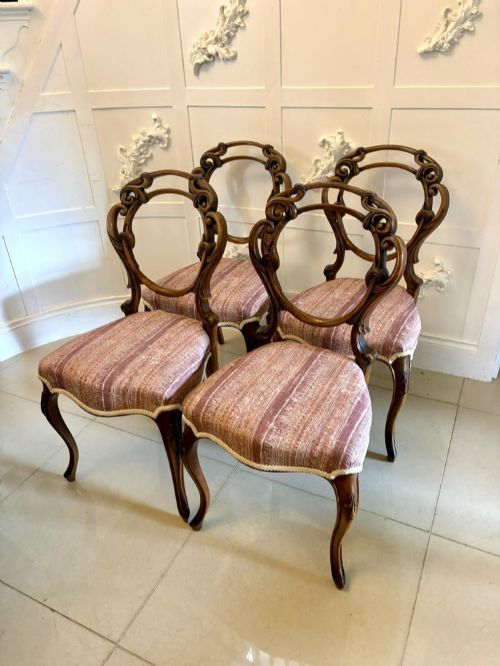
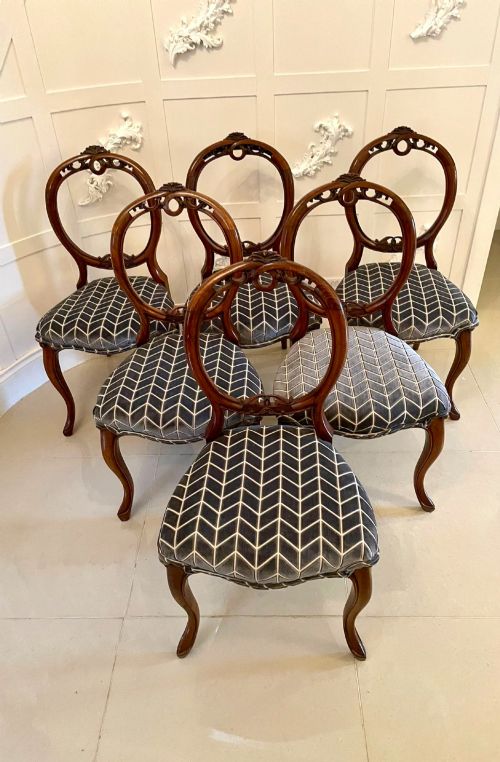
Listings demonstrate that 19th century utility items frequently survive alongside formal dining furniture in oak, mahogany, and walnut.
Factors of quality
Quality in a 19th century carving set rests upon the balance of the knife and the integrity of the handle material. Dense, well-matched antler or horn shows superior selection compared to common substitutes, while steel thickness determines durability.
The presence of the original fitted case adds significant distinction to a set. Sets that retain their matching steel and show minimal blade wear from historic sharpening represent the higher tier of survival.
Poix Blin·Gillows·Strahan
The 19th Century Carving Set Glossary
- Tang
- The extension of the knife blade that runs into the handle. A full tang provides greater strength during use.
- Steels
- A rod used for realigning the edge of a carving knife. These frequently matched the handles of the accompanying knife and fork.
19th Century Carving Set: Frequently Asked Questions
What does a 19th century carving set include?
A standard surviving set comprises a large carving knife and a matching fork designed for heavy roasts. Many examples also include a sharpening steel.
These implements are frequently found preserved together in their original fitted presentation boxes lined with velvet or silk.
How were these sets used originally?
Victorian hosts utilised these matched implements at the head of the dining table to portion joints of meat for guests. The fork secured the roast while the long blade sliced uniform portions.
Following the meal, the instruments were cleaned and returned to their fitted cases for safekeeping until the next formal dinner.
What handle materials should I expect?
Handles from this era commonly feature natural substances such as antler horn, bone, or various hardwoods. Antler provided a secure grip and decorative texture for formal dining.
Metal caps and collars made of silver plate often reinforced the join where the handle met the steel blade.
How do I care for a carving set?
Store the implements in a dry environment away from direct heat to protect natural handle materials like horn from drying and splitting. Hand washing is essential to preserve the vintage metal.
Avoid abrasive scourers on the steel blades and plated collars to maintain the historic surface finish.