






19th Century Carved Timber Statue
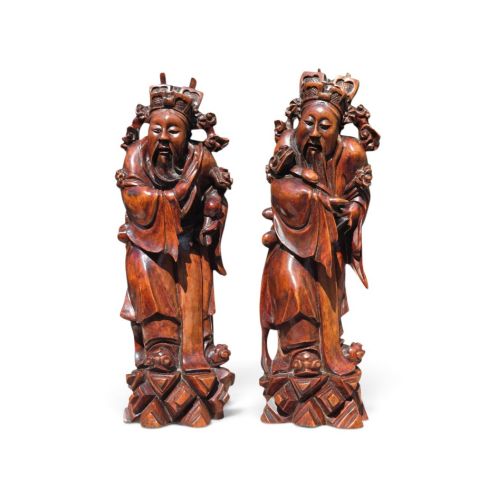
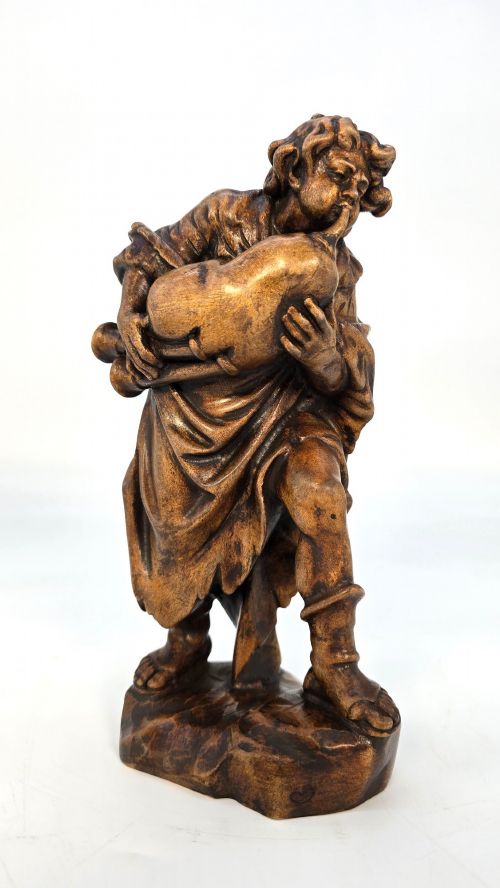
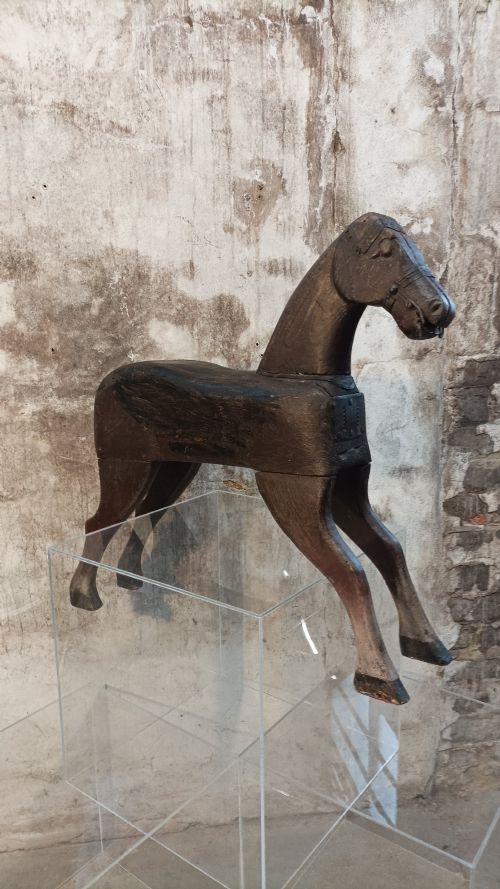
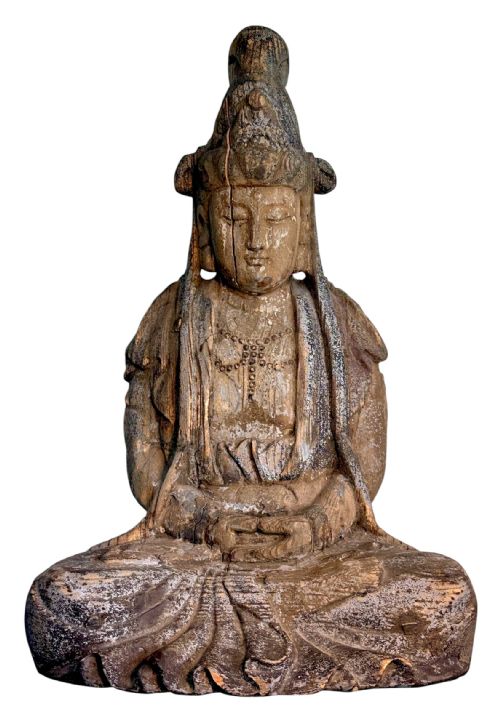
A 19th century carved timber statue brings expressive animal studies, religious figures and folk carvings into a room.
19th Century Carved Timber Statue
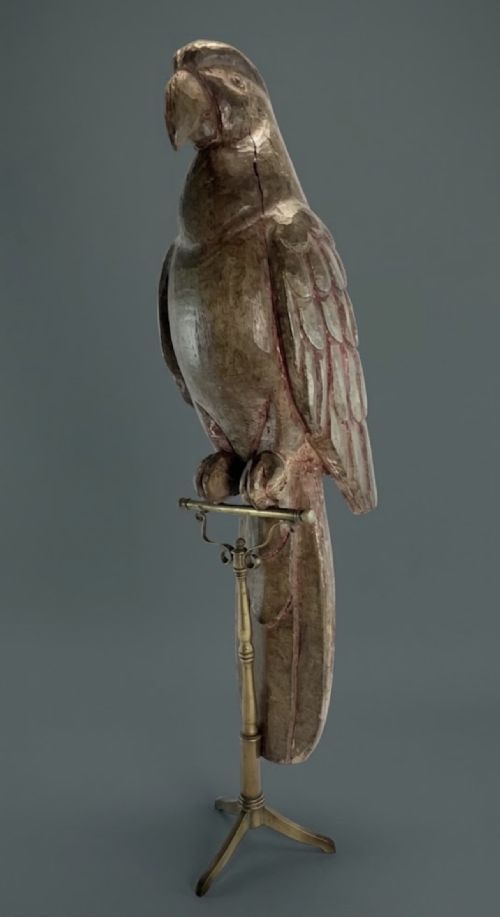
A 19th century carved timber statue encompasses a diverse array of sculptural forms ranging from European animalier studies to Asian deities and vernacular trade figures. A buyer searching this phrase encounters works originating from British, continental European, and Asian workshops spanning the entire nineteenth century.
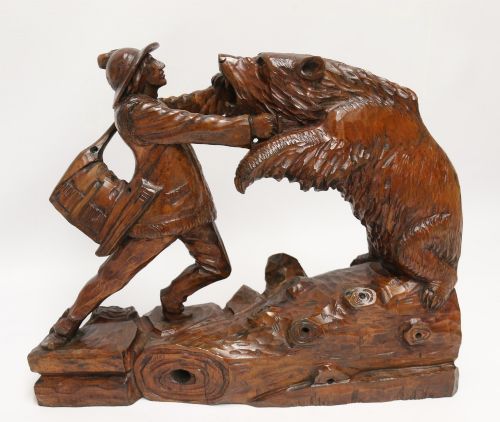
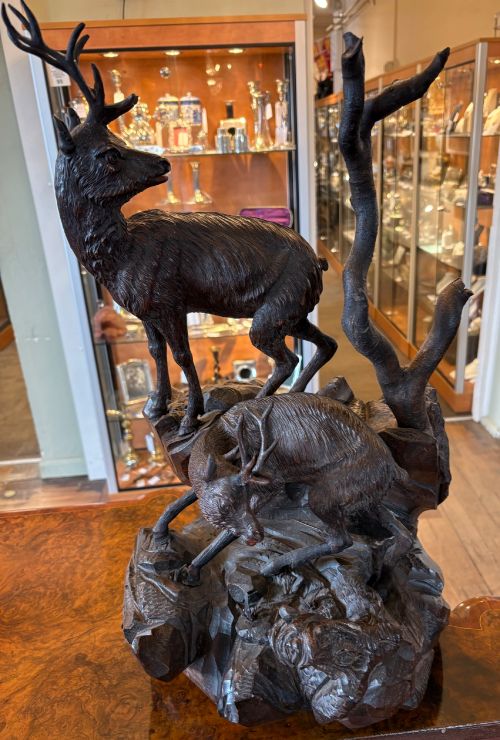
The domestic interior tradition is strongly represented by Black Forest animal carvings, religious saints in oak and limewood, and expressive folk art figures. Alongside these European works, Chinese and Japanese hardwood sculptures complete the selection available to collectors.
How they were made
Carvers utilised native and exotic woods including walnut, lime wood, fruitwood, boxwood, oak, and dense oriental hardwoods to achieve both minute detail and monumental scale. Tools such as gouges and chisels shaped the timber directly, leaving tool marks that define the surface texture of folk carvings and religious figures.
Many sculptures received supplementary treatments including polychrome paint, gilding, or dark wax finishes to enhance their decorative impact. Certain regional pieces, particularly from Swiss and Italian workshops, relied on deep undercutting to create highly realistic fur and plumage.
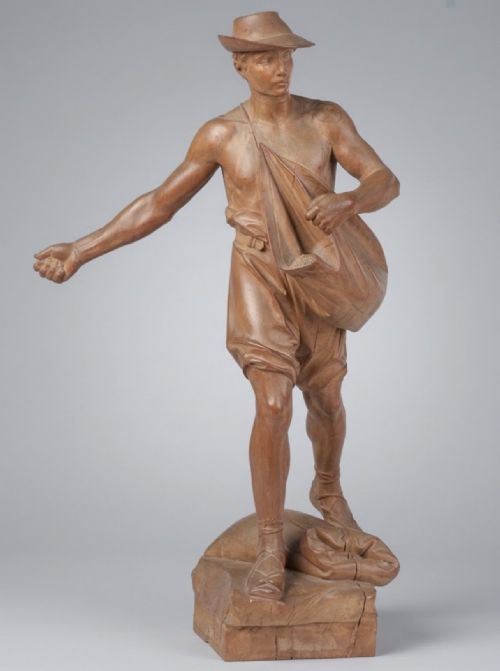
The selection includes animal studies, religious iconography, trade figures, and Japanese okimono.
What varies in quality
The standard of a carving depends upon the vitality of the posture and the precision of the anatomical or facial rendering. Master carvers captured movement and expression with anatomical conviction, whereas lesser works remain stiff and formulaic in execution.
Material selection also dictates quality, with dense hardwoods and finely grained limewood allowing for sharper detail than softer utility timbers. The preservation of original surface finishes, such as polychrome paint or aged patination, further separates superior examples from heavily restored or stripped pieces.
Valentino Besarel·Jules Buste Labatut
The 19th Century Carved Timber Statue Glossary
- Polychrome paint
- Decoration applied using multiple colours to surface wood, frequently seen on religious figures and trade pieces.
- Hardwood
- Timber derived from broad-leaved trees, providing the dense material required for intricate Asian and European carvings.
- Limewood
- A pale, close-grained wood favoured by European carvers for its suitability in creating deep, highly detailed reliefs.
- Folk art
- Utilitarian or decorative objects produced by self-taught or non-academic artisans, notable for naive charm and direct expression.
- Okimono
- A Japanese decorative freestanding sculpture designed for display on a shelf or cabinet.
19th Century Carved Timber Statue: Frequently Asked Questions
How do I identify a Black Forest carving?
Black Forest carvings are typically rendered in walnut or limewood, depicting animals such as bears, deer, and chamois with realistic textures. These pieces originated primarily in Swiss and German workshops during the nineteenth century.
Many bear distinct regional characteristics, including deep undercutting and naturalistic poses that simulate wildlife in motion.
Were these statues originally painted?
A significant number of timber sculptures, particularly religious figures and trade figures, were finished with polychrome paint or gilding. This surface treatment was standard practice to enhance realism or provide vibrant decoration.
Over time, many pieces lost their original paint through stripping or wear, leaving bare wood with an aged patina.
How should I care for an antique wood statue?
Antique timber sculptures require stable indoor humidity levels to prevent the wood from drying out, cracking, or warping. Direct sunlight should be avoided to protect original polychrome paintwork and varnished surfaces from fading.
Dusting should be performed gently with a dry, soft brush rather than liquid polishes, which can harm historic patination.
What distinguishes folk art carvings from studio pieces?
Folk art and naive carvings are distinguished by a direct, unacademic approach to form and proportion. They were often produced by tradesmen or local artisans rather than trained academic sculptors.
Studio pieces display sophisticated anatomical knowledge and refined tool techniques, whereas folk carvings derive their appeal from rustic character.