

19th Century Carved Sofa
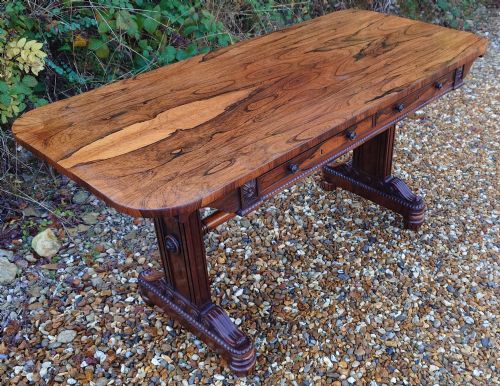
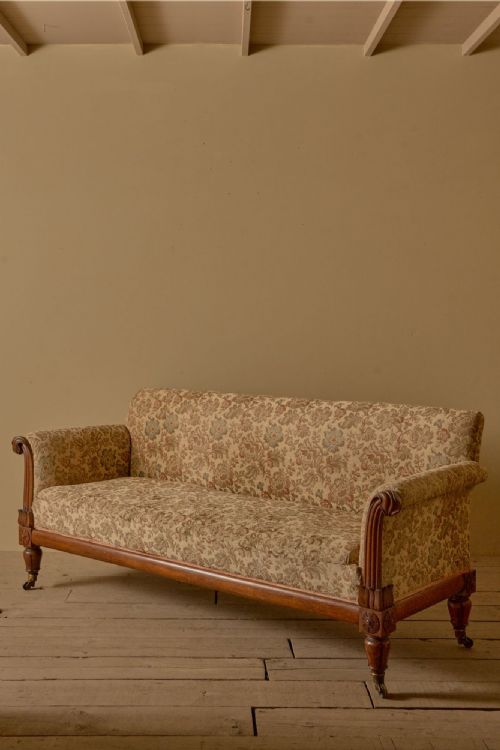
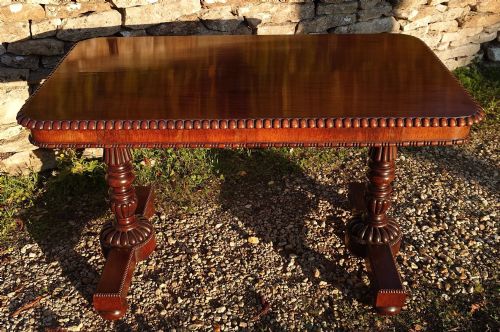
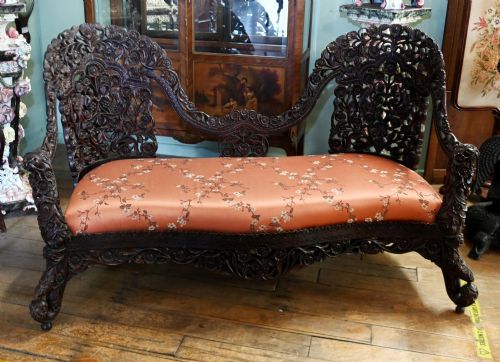
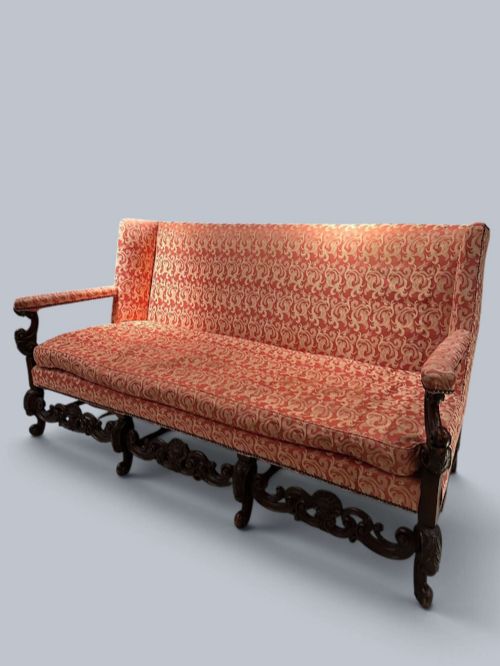
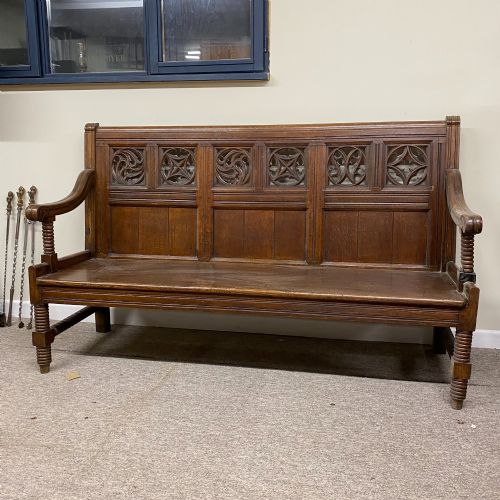
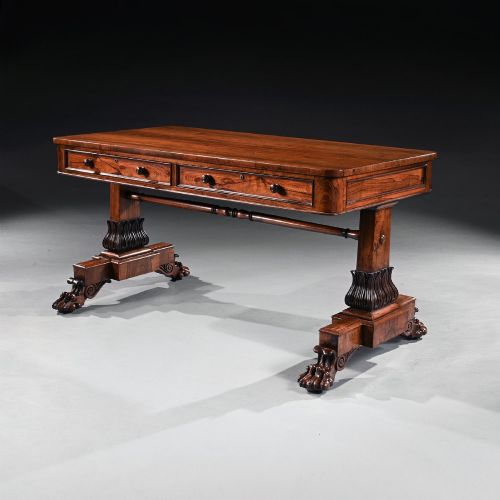
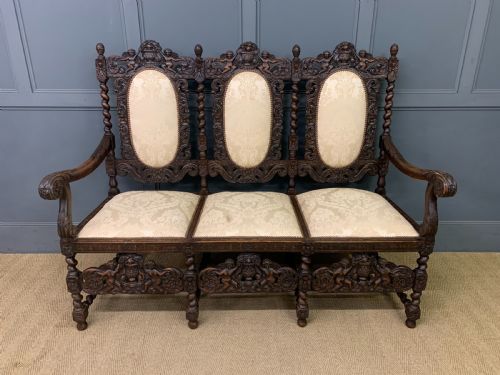
A 19th century carved sofa brings heavy timber frames and ornate woodwork into a reception room.
19th Century Carved Sofa
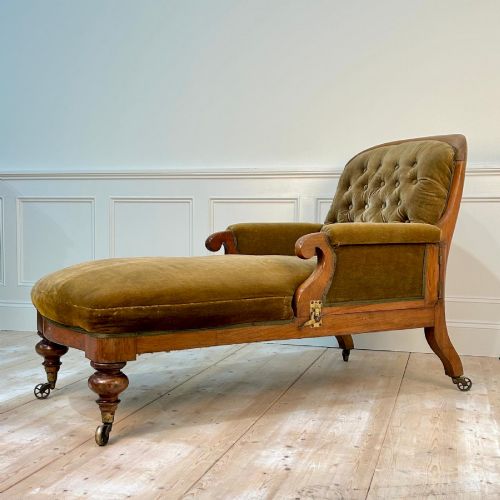
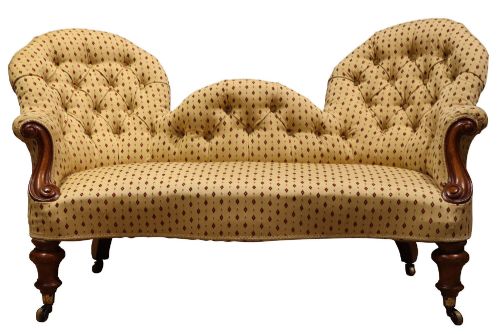
A 19th century carved sofa encompasses large timber seating options designed during the Victorian era and preceding periods like Regency. Buyers encounter walnut and mahogany settees, double-ended frames, and chaise longues alongside regional variants.
The selection ranges from revival styles reflecting Louis XIV and Gothic designs to Anglo-Indian production and Burmese hardwood couches. These seating forms served formal drawing rooms and libraries, featuring extensive woodwork along the crest rails and frame edges.
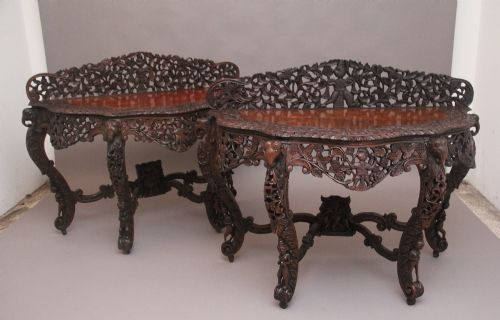
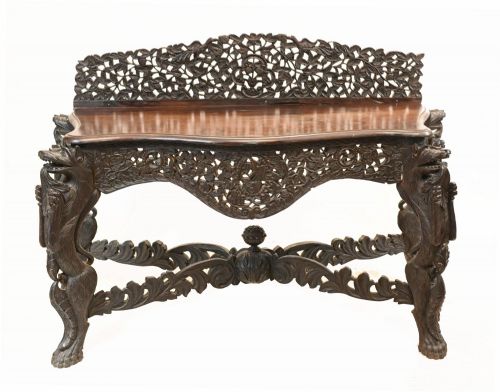
Victorian walnut and mahogany versions dominate the available furniture types, often built with upholstered sections flanked by exposed carved timber. Regional workshops also contributed heavily carved hardwood seating featuring intricate pierced ornamentation.
Materials and Construction
Cabinetmakers utilised dense hardwoods including mahogany, walnut, rosewood, and burr walnut to build the primary structural frames. These timbers allowed craftsmen to execute deep relief carving along the legs, rails, and back panels without compromising structural integrity.
Frames incorporate traditional joinery methods and support fabric upholstery secured over webbing and stuffing. Exotic timbers and regional hardwoods appear in specific imported items, while domestic production relied heavily on native British and European cabinet woods.
19th Century Carved Sofa Retail Price Guide 2026
Typical asking prices for 19th century carved sofa among the pieces listed under this phrase on Sellingantiques today, from the lower quarter to the upper quarter. They describe what is for sale here now, not the wider market.
The furniture selection spans Victorian domestic production alongside Anglo-Indian and Burmese hardwood items from the 1860s onward.
Judging Quality
Quality rests primarily on the depth and crispness of the timber carving rather than superficial decoration. Pieces featuring sharp, undercut foliage and figures demonstrate superior hand skill compared to soft, shallow moulding.
The choice of primary timber heavily influences the standing of a piece, with figured burr walnut and dense rosewood commanding greater attention than plain secondary woods. Structural rigidity within the frame and the retention of original timber components further separate standard production from finer cabinetwork.
The 19th Century Carved Sofa Glossary
- Chaise longue
- An upholstered couch with a backrest at one end, designed for reclining. These seats gained popularity in Victorian drawing rooms.
- Settee
- A long upholstered seat with a back and arms, built to accommodate multiple people. This term often interchanges with sofa in nineteenth-century records.
- Burr walnut
- Timber taken from a walnut tree growth, producing complex swirling grain patterns. Cabinetmakers utilised this veneer on high-status Victorian furniture.
- Gothic Revival
- An architectural and decorative style drawing inspiration from medieval design. Pieces display pointed arches and heavy tracery.
- Cabriole leg
- A furniture leg featuring a double curve resembling animal legs, swelling outward at the knee and tapering inward at the foot.
19th Century Carved Sofa: Frequently Asked Questions
How do I care for timber frames?
Keep wooden frames away from direct heat sources and sudden humidity changes to prevent the timber from splitting. Apply appropriate furniture wax sparingly to nourish polished surfaces.
Avoid using harsh chemical sprays on the carved woodwork or the fabric upholstery. Dust the intricate crevices regularly with a soft brush.
Were these sofas used daily?
Most nineteenth-century seating was designed for formal reception rooms rather than casual lounging. Households utilised them primarily for receiving visitors and displaying upholstery.
Heavier hardwood couches served both domestic sitting rooms and colonial residences abroad. Their robust frames accommodated active daily use in various settings.
How do I identify revival styles?
Revival pieces borrow specific decorative motifs from earlier periods, such as Louis XIV scrolling or Gothic pointed arches. Cabinetmakers combined these historical elements with contemporary Victorian construction techniques.
Examining the secondary woods and joinery helps distinguish nineteenth-century interpretations from genuine earlier examples. Style markers indicate the aesthetic preferences of the manufacturing decade.
Can I fit one in a modern home?
These sofas anchor a room visually, working well against neutral walls in contemporary living spaces. Measure both the floor space and access doorways carefully before placement.
Pairing a carved timber frame with minimal modern furnishings highlights the woodwork. Ensure the seating depth suits your intended room layout.