
19th Century Carved Sculpture
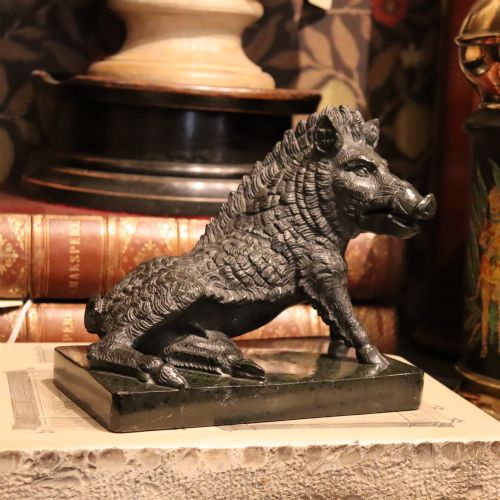
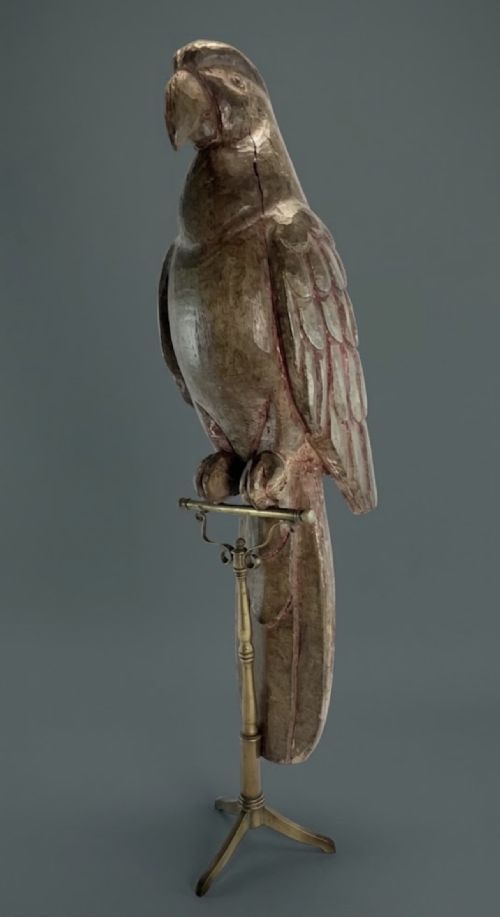
19th century carved sculpture spans diverse global workshops, offering tangible history and decorative presence for discerning interiors through finely worked marble, wood, and stone.
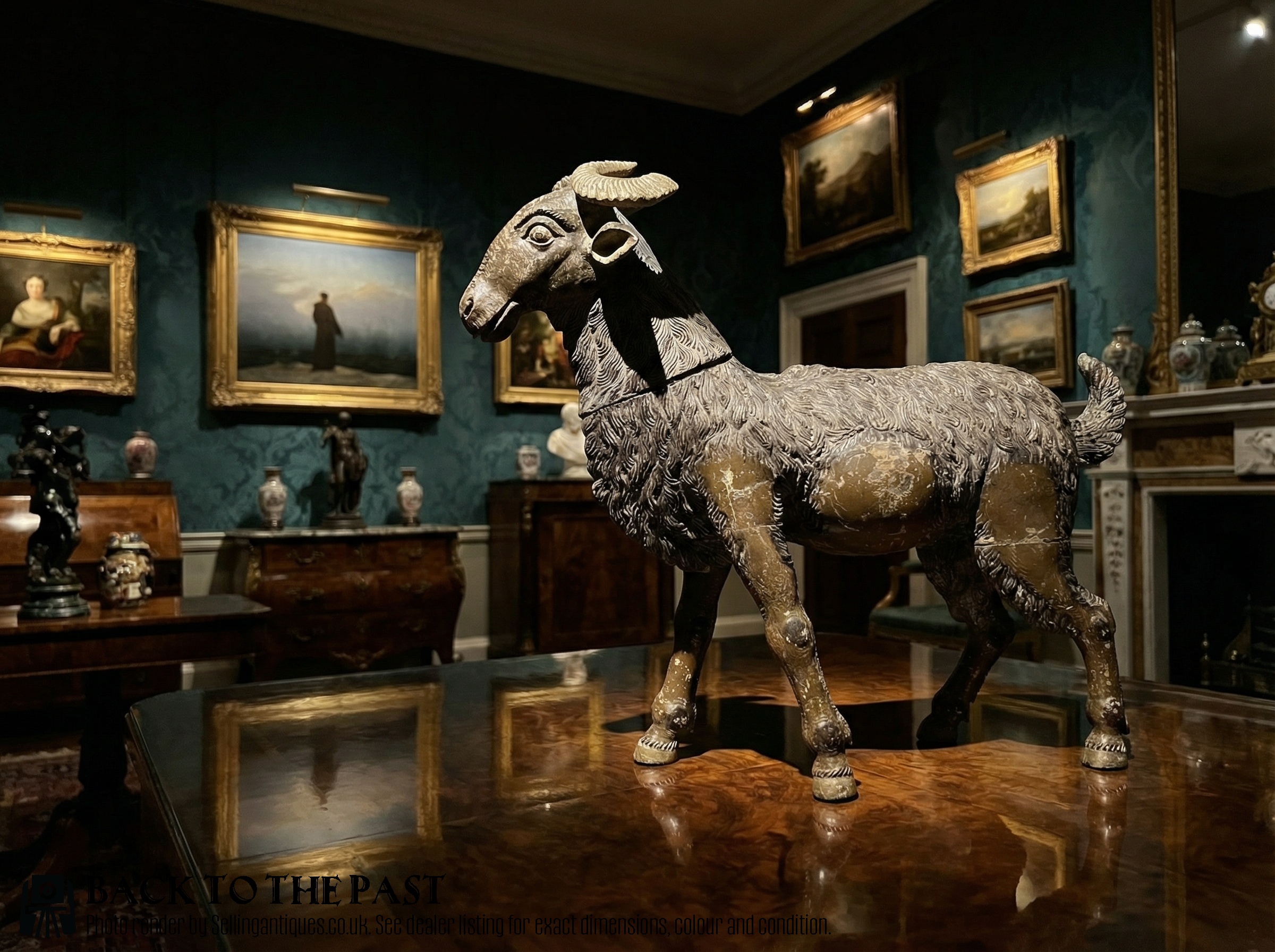
19th Century Carved Sculpture
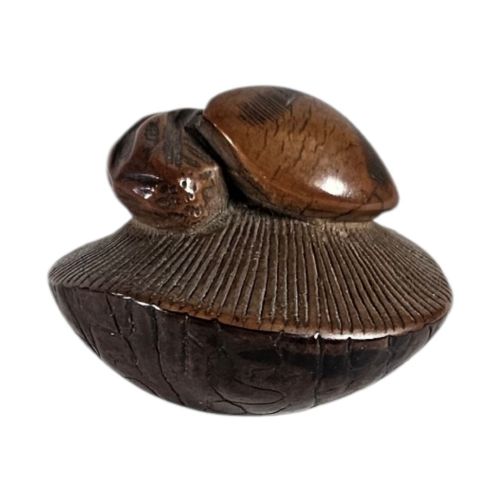
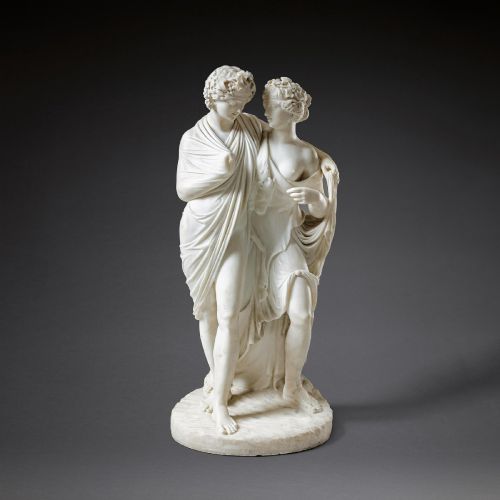
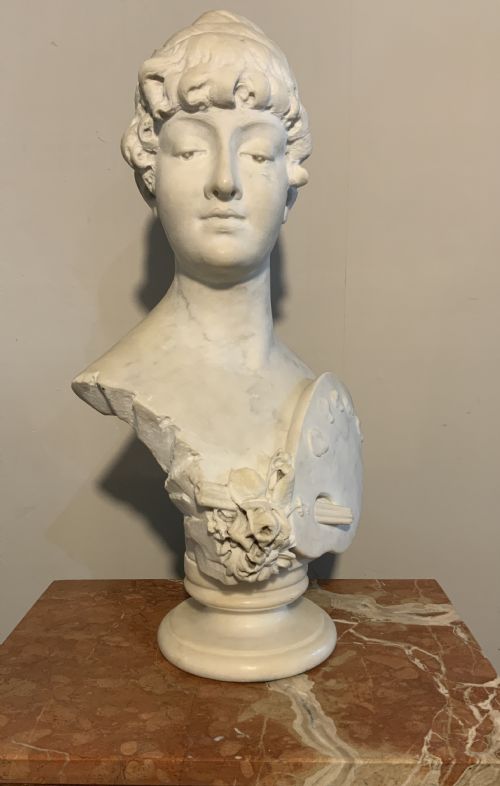
Buyers encounter everything from monumental Carrara marble portrait busts to diminutive boxwood netsuke and fruitwood animal groups. These objects reflect the prevailing tastes of their eras, moving from strict Neoclassical revivalism towards naturalistic studies and regional folk traditions.
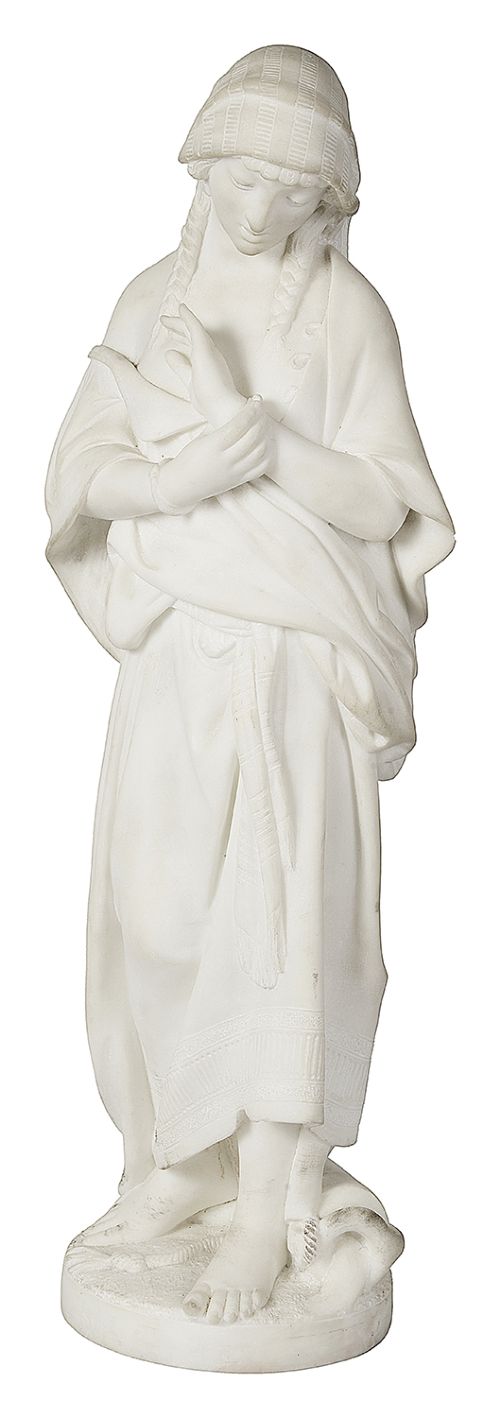
Originating from domestic ornaments, scholarly collections, and sacred spaces, these pieces bring tactile warmth and distinct cultural narratives into contemporary rooms. The variety ranges from polished Italian alabaster figures to richly patinated hardwoods from Anglo-Indian and East Asian workshops.
Materials and Techniques
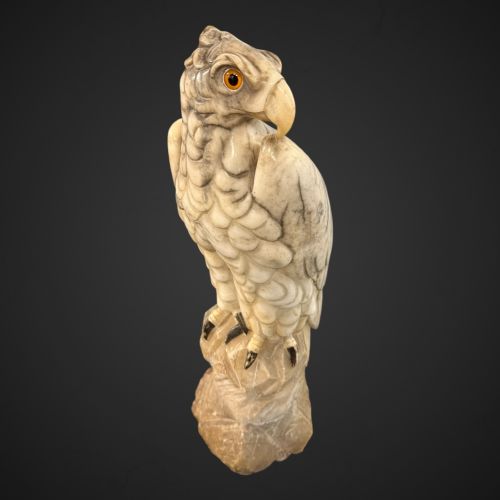
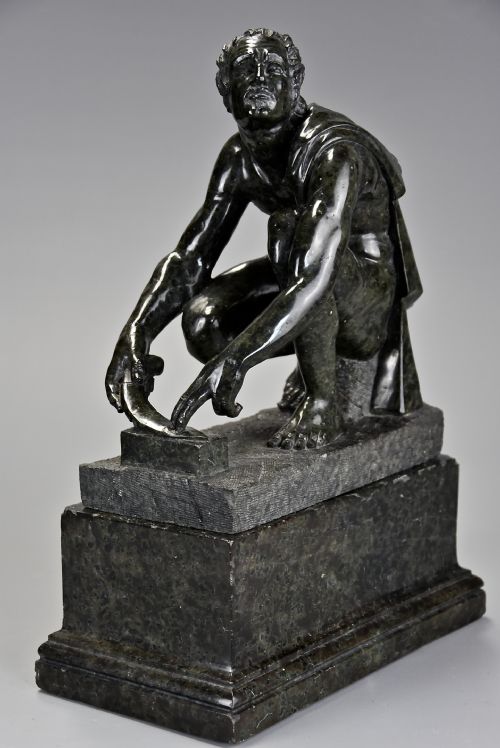
Makers shaped these works using traditional hand tools suited to the chosen medium, whether chisel and rasp for marbles and alabaster or gouges for fine softwoods like linden and boxwood. Sculptors of white, veined Carrara, and green serpentine marbles relied on pointed drills and abrasive grit to achieve smooth transitions and crisp drapery, frequently following the antique or finishing casts by celebrated predecessors.
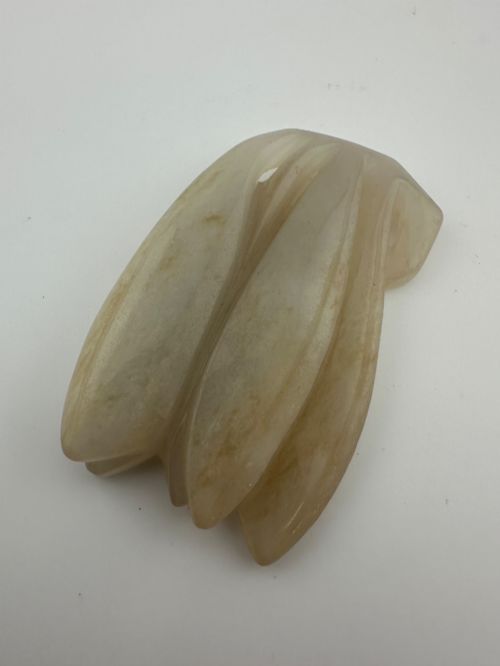
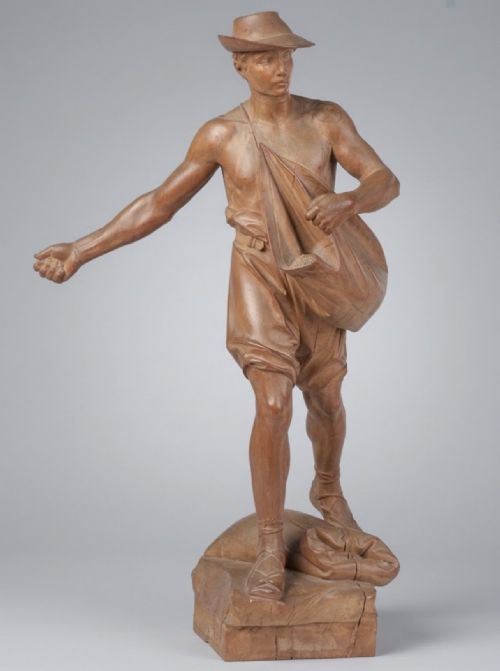
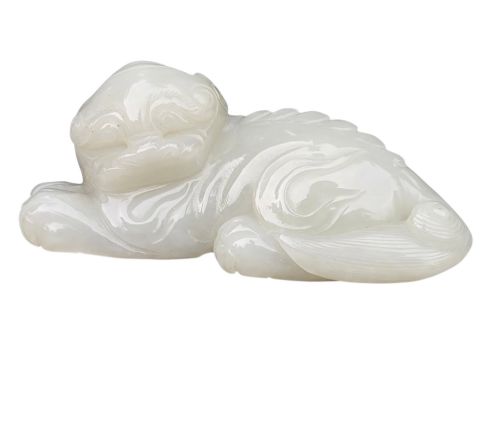
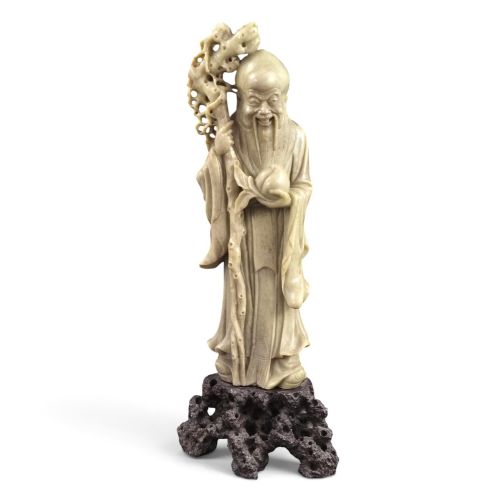
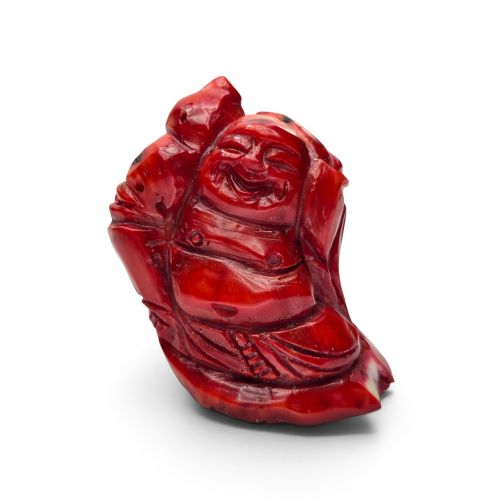
Wood carvers utilised indigenous timbers such as walnut, fruitwood, and oak, often leaving surfaces waxed or polished to highlight the natural grain, while Asian artisans worked precious materials including jade, soapstone, coral, and pale celadon. Gesso, paint, and gilding occasionally added polychrome detail to decorative figures, rocking horses, and architectural corbels.
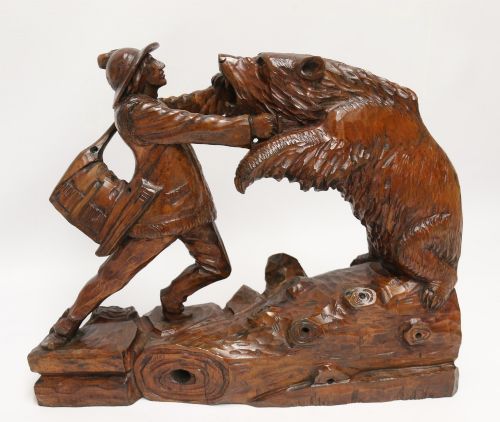
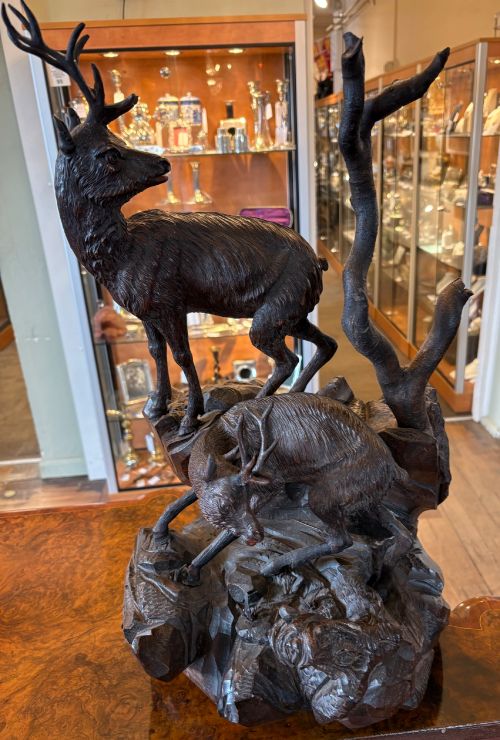
Technical precision dictated the success of intricate undercut details, seen in the fur of Black Forest deer or the elaborate headgear of figural groups. Workshops combined mechanical pointing machines for large stone reductions with meticulous hand-carving for facial expressions and fine textures.
19th Century Carved Sculpture Retail Price Guide 2026
Typical asking prices for 19th century carved sculpture among the pieces listed under this phrase on Sellingantiques today, from the lower quarter to the upper quarter. They describe what is for sale here now, not the wider market.
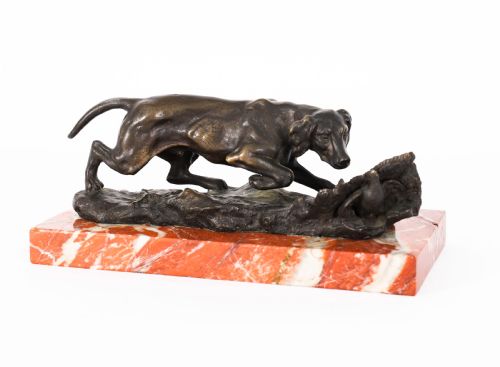
Carved wooden rocking horses and decoy ducks share gallery space here with stoic classical philosophers and reclining Buddhas.
Evaluating Quality and Execution
The distinction between ordinary production and superior craftsmanship lies in the anatomical accuracy, depth of relief, and sensitivity of the carving. Master carvers captured tension in musculature, fluid movement in drapery, and subtle lifelike expressions in portrait busts, whereas lesser workshop pieces remain stiff and formulaic.
Material selection significantly influences the standing of a piece, with flawless translucent white marble or high-grade unblemished jade commanding greater appreciation than stone marred by heavy veining or wood split by age. The crispness of preserved detail in high-relief foliage or delicate hair strands demonstrates the carver's control over the medium.
Signatures, atelier stamps, or documented attributions to known sculptors and recognised regional centres elevate a work's authority. Pieces retaining their original pedestals, stands, or untouched historical patination offer a more complete representation of nineteenth-century output.
Carl Kauba·Carlo Albacini·J Huggler·Antonio Canova·Eugene Aizelin·J Francis
The 19th Century Carved Sculpture Glossary
- Grand Tour
- A traditional trip through Europe undertaken by upper-class young men to study art and antiquities, generating a demand for miniature marble and serpentine sculptures brought home as souvenirs.
- Black Forest
- A style of wood carving originating in the Swiss region, typically depicting bears, deer, and alpine fauna executed in linden wood with realistic texturing.
- Carrara Marble
- A type of white or blue-grey marble quarried in the city of Carrara in Tuscany, widely favored by European sculptors for its fine, even grain.
- Neoclassical
- An artistic movement drawing inspiration from the classical art and culture of ancient Greece and Rome, emphasising proportion, restraint, and mythological themes.
- Serpentine
- A group of green silicate minerals often used as a smooth, decorative stone in Grand Tour architectural models and small sculptures.
- Netsuke
- A small Japanese miniature carved toggle fastened to the end of a cord attached to a pouch, typically fashioned from boxwood, ivory, or jade.
19th Century Carved Sculpture: Frequently Asked Questions
How do I clean marble sculptures safely?
Dust marble surfaces regularly with a soft, dry microfibre cloth to prevent particulate accumulation. Avoid harsh chemical cleaners, abrasive scouring pads, and excessive water, which can damage unsealed stone and historical patination.
For stubborn grime, consult a professional conservator rather than attempting aggressive DIY solvent treatments. Gentle damp wiping with distilled water should only be used when necessary and dried immediately.
Where should I display large stone busts?
Place substantial stone and marble busts on sturdy pedestals, heavy consoles, or dedicated architectural wall brackets capable of supporting significant weight. Ensure the furniture piece sits on stable, level flooring away from high-traffic household areas where accidental impacts might occur.
Position pieces away from direct heat sources and strong sunlight to protect the stone from thermal stress and subtle discoloration over time. Adequate ambient lighting highlights the carved contours and surface texture effectively.
What defines Black Forest wood carvings?
Black Forest carvings are characterised by their distinct naturalistic depiction of alpine animals, particularly bears, deer, and dogs, rendered in rich linden wood or walnut. These pieces frequently incorporate functional elements such as umbrella stands, inkwells, or wall brackets alongside pure sculptural groups.
Originating primarily from nineteenth-century Swiss and German workshops, they display deep undercutting and textured fur work. The style values rustic charm combined with high technical proficiency in woodworking.
How can I distinguish Grand Tour souvenirs?
Grand Tour sculptures usually replicate famous classical antiquities found in Italian museums and archaeological sites, executed in marble, alabaster, bronze, or serpentine. They served as educated travel mementos for collectors during the nineteenth century and often feature inscribed titles or specific regional stone types like Siena marble.
Examine the base and underside for old collection labels, retailer marks, or signs of historical handling. The reduction scale and choice of material help identify whether a piece dates from the nineteenth-century revival period.