


Anglo Indian Wooden Animal
An anglo indian wooden animal brings the rich decorative traditions of the colonial period straight into a room.
Anglo Indian Wooden Animal
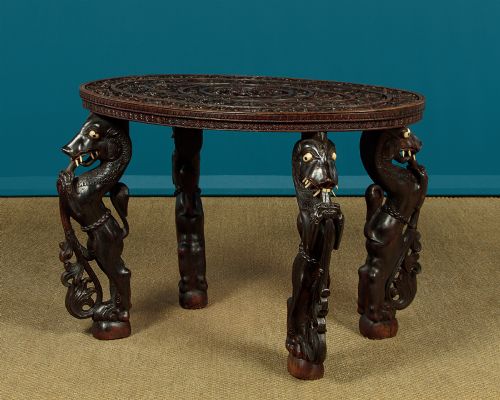
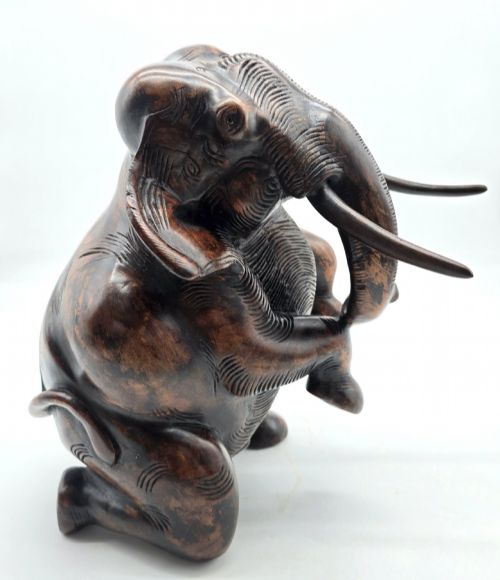
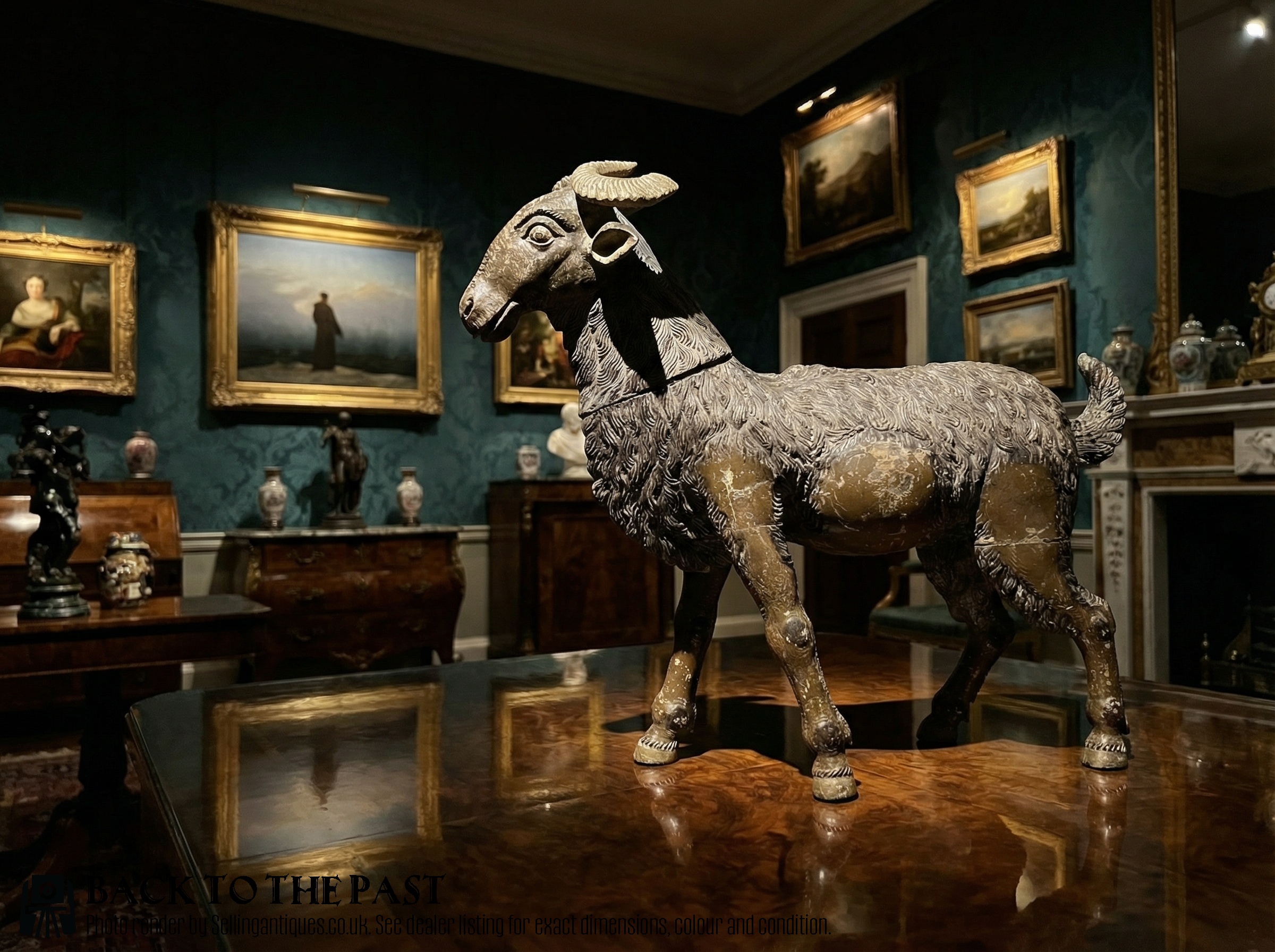
An anglo indian wooden animal typically takes the form of a carved elephant, camel, goat, or iguana dating from the nineteenth century into the early twentieth century. These figures often appear as sculptural studies, bookends, or functional furniture such as coffee tables and window seats.
The objects reflect the intersection of traditional Indian carving skills with British colonial taste during the Victorian and Raj periods. Buyers frequently encounter representations of elephants, whether solitary studies or paired bookends, alongside more uncommon creatures like tortoises and iguanas.
Most examples originate from the broader nineteenth century, spanning decades from the 1840s through to the 1930s. The forms range from small decorative figures to life-size sculptures and novelty items like card cases and jewellery boxes.
Materials and construction methods
Carvers utilised dense timbers such as teak, ebony, hardwood, and coromandel to shape these detailed animal studies. These heavy woods provided the stable foundation necessary for intricate chiselling and long-term durability.
An unexpected star tortoise jewellery box shares shelf space with life-size goats and performing elephants.
Distinguishing quality in carving
The depth and precision of the hand-carved detail separate ordinary items from superior examples. Naturalistic proportions and expressive rendering of the animal demonstrate the carver's mastery.
The choice of material also influences the standing of a piece, with dense ebony or finely figured teak holding particular appeal. Furthermore, the inclusion of delicate bone inlay or complex structural forms like tables and benches elevates the work beyond simple figures.
The Anglo Indian Wooden Animal Glossary
- Raj period
- The period of British crown rule on the Indian subcontinent, lasting from 1858 to 1947. Objects from this era often combine traditional local craftsmanship with forms suited to European homes.
- Ebony
- A dense black or very dark brown hardwood obtained from trees in the Diospyros genus. It takes a smooth polish and appears frequently in nineteenth-century animal sculptures.
- Teak
- A tropical hardwood species prized for its durability and rich grain. Carvers utilised teak for both large furniture items and detailed animal figures.
- Bone inlay
- A decorative technique where small pieces of bone are set into the surface of wood to create contrasting patterns. It frequently decorates the harness or blanket details of carved elephants.
Anglo Indian Wooden Animal: Frequently Asked Questions
What animals appear most often in these carvings?
Elephants dominate the selection, appearing as single figures, bookends, or supporting elements for tables. Camels, goats, and tortoises also appear occasionally.
Most pieces date from the nineteenth century or the early decades of the twentieth century.
How were these wooden animal items used historically?
Many served purely as decorative sculptures or display pieces in colonial and Victorian interiors. Others doubled as functional objects such as bookends, card cases, jewellery boxes, or small tables.
Practical forms combined novelty design with everyday utility in the home.
What woods should I expect to find?
Makers relied on dense regional timbers including teak, ebony, and general hardwoods. Coromandel also appears on specific items like bookends.
These heavy materials supported intricate hand carving and delicate detailing.
How do I care for antique wooden animal carvings?
Keep the wood away from direct sunlight and sudden temperature shifts to prevent drying and splitting. Dust the carved surfaces gently with a soft, dry cloth.
Avoid using liquid polishes that might damage the historical finish or the bone inlay.