


19th Century Canvas Paintings
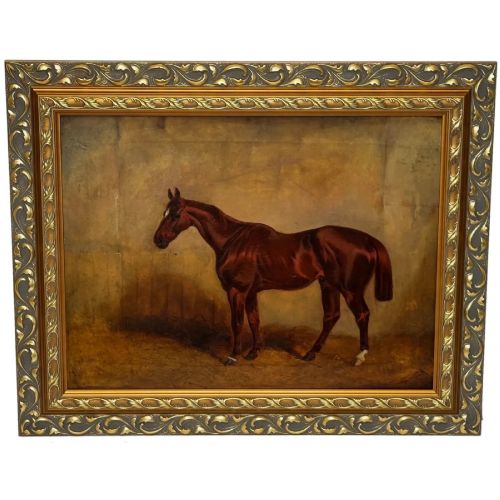
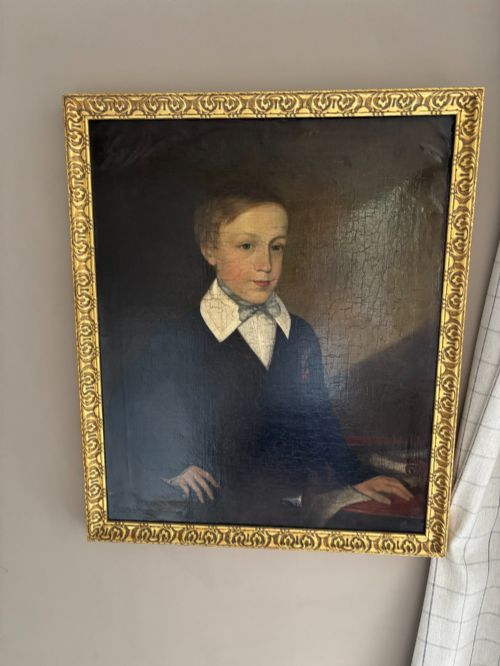
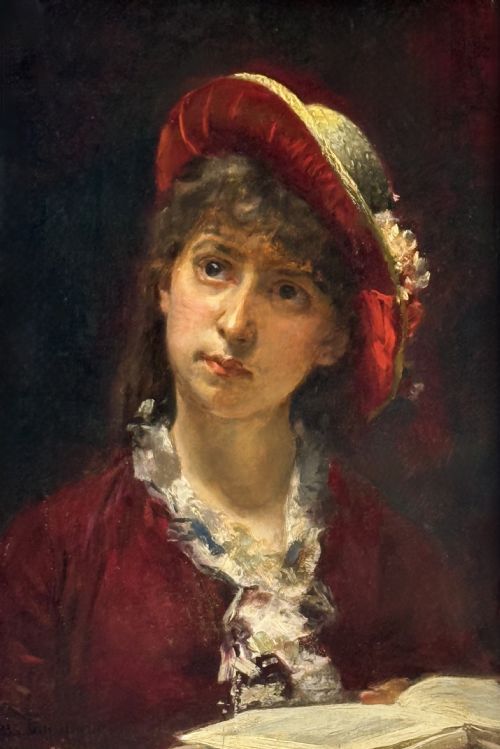
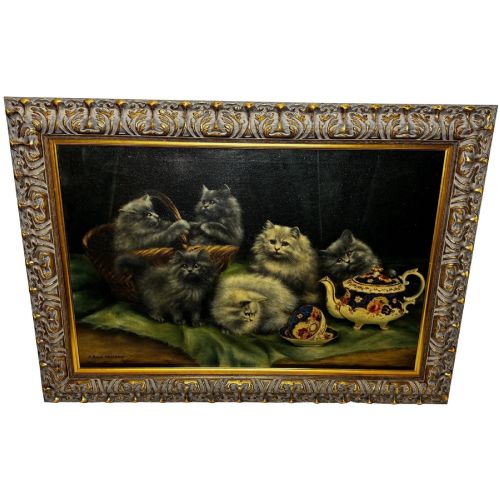
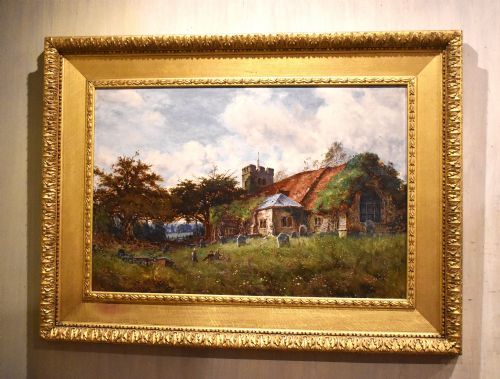
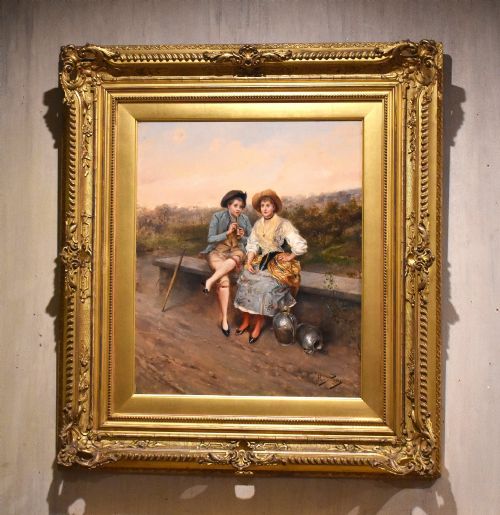
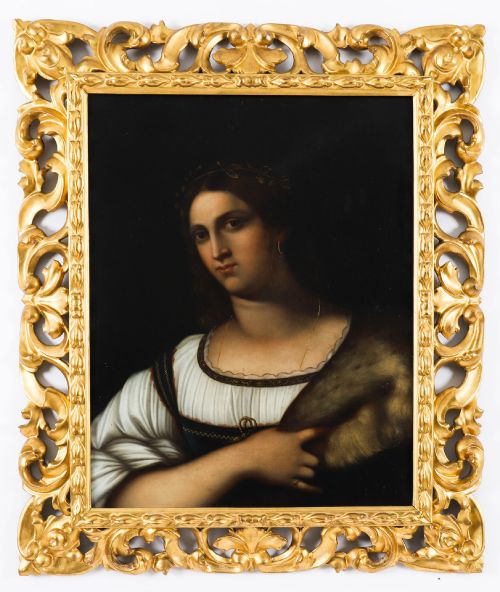
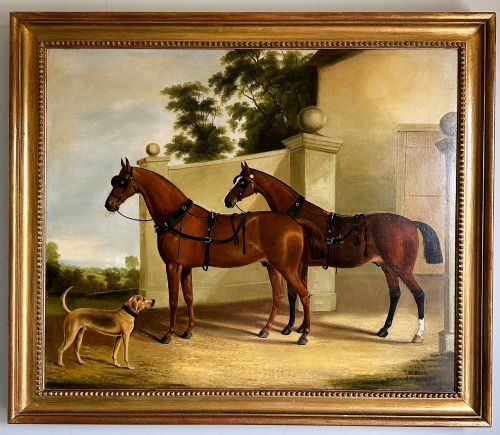
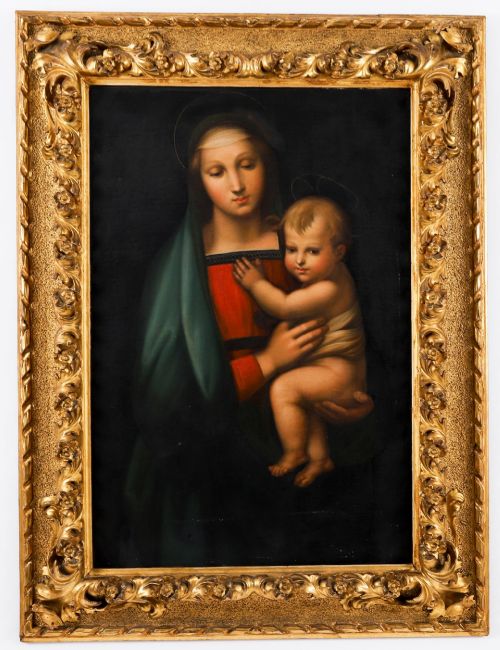
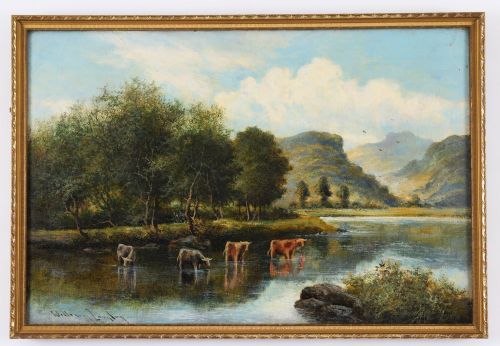
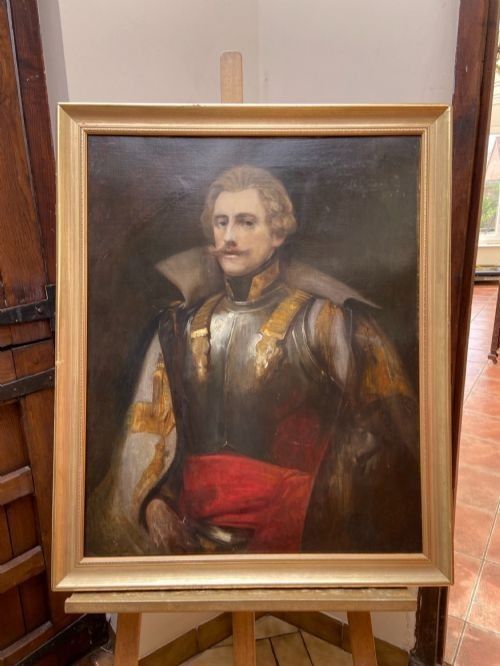
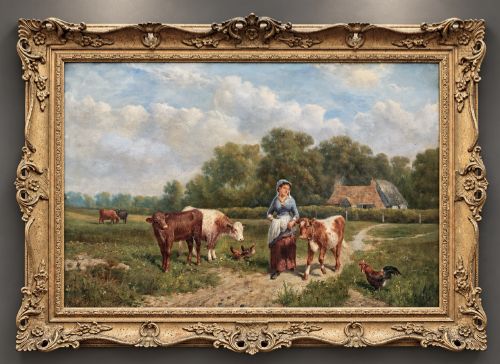
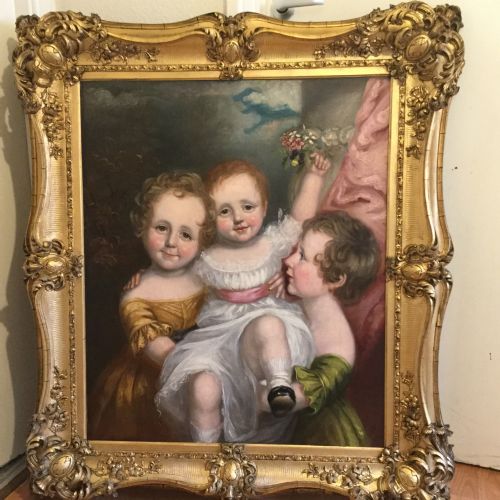
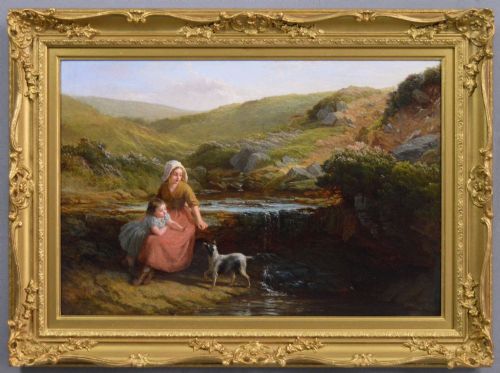
When you explore 19th century canvas paintings, you encounter original oil works framed in giltwood that capture portraits, landscapes, and domestic scenes.
19th Century Canvas Paintings
When buyers search for 19th century canvas paintings, they are looking at original oil works spanning portraits, landscapes, and maritime scenes produced during the Victorian, Regency, and Georgian periods. The most frequent versions on this page are framed oil paintings created by British and French schools, depicting figures, animals, and rural or coastal views.
These works range from intimate naïve studies of animals to large romantic landscapes and social history portraits. Subjects vary widely from floral still lifes and classical narratives to domestic interiors and marine shipwrecks, reflecting the diverse artistic output of the century.
The physical objects combine painted canvas with period frames, often utilising original gesso and giltwood settings. They serve as historical windows into nineteenth-century life, capturing the clothes, environments, and artistic sensibilities of the era.
How they were made
Artists applied oil paint directly onto stretched canvas surfaces using traditional bristle brushes and palette knives. These canvases were mounted on wooden stretchers and frequently housed within elaborate giltwood and gesso frames embellished with gold leaf.
The underlying material structure relies on woven fabric primed with a gesso or white lead ground to receive the oil pigments. Wood frames provided structural support and aesthetic finish, often bearing the maker stamps or studio labels of period framers.
Listings feature oil paintings on canvas spanning from the Regency era through to the early twentieth century, including Victorian landscapes and French school portraits.
What varies in quality
Quality rests in the precision of the brushwork, the psychological depth of a portrait, and the naturalism rendered in light and shadow. Master works display confident handling of anatomy and atmosphere, whereas simpler pieces exhibit naive or formulaic execution.
The integrity of the original canvas, the stability of the oil paint layer, and the preservation of the matching giltwood frame dictate the desirability of the piece. Surviving frames retaining their original gold leaf elevate the overall historical and visual standard.
Henry Barraud·Theude Grönland·William Oliver·Eugène Verboeckhoven·Richard Sebastian Bond·William Beattie-Brown·Felix Stone Moscheles·Valentine T. Garland·John Maler Collier·Dumini Leopoldo·Frederick Marriott·John Horace Hooper·William McAlpine·Reginald Arthur Borstel·Alfred Fontville de Breanski Jr·Stephen Samuel Lewin·John Rose Miles·Vittorio Reggianini·Thomas W Lascelles·James Salt·Gustave De Bréanski·Walter Jackson
The 19th Century Canvas Paintings Glossary
- Oil on Canvas
- A painting medium where pigments are suspended in a drying oil, applied to a woven fabric support. This combination allowed artists to achieve rich textures and deep colour blending.
- Giltwood
- Wood that has been coated with a thin layer of gold leaf or gold paint. It is commonly found on ornate nineteenth-century picture frames.
- Gesso
- A plaster-like mixture used as a base coat on canvas or wood frames before gilding or painting. It creates a smooth, durable surface for subsequent artistic layers.
- Barbizon School
- A collective of French painters who championed naturalistic landscape painting during the mid-nineteenth century. Their work emphasised direct observation of rural life and atmospheric light.
- Regency
- The period in British history from 1811 to 1820, characterised by distinct fashions and neoclassical aesthetics in portraiture. Paintings from this era often feature restrained elegance and refined sitter poses.
19th Century Canvas Paintings: Frequently Asked Questions
How do I identify a 19th century painting?
Examine the canvas weave, the stretcher frame construction, and the style of the pigmemts used. Nineteenth-century works often utilise specific priming methods and period framing techniques that distinguish them from modern reproductions.
Look closely at the clothing, hairstyles, and background details of portraits or landscapes. These elements usually align with Victorian, Regency, or Georgian aesthetics, providing clear chronological markers.
Were these paintings always framed in gold?
Many nineteenth-century oil paintings were housed in giltwood frames featuring moulded gesso ornamentation. Gold leaf was applied to create a luminous border that complemented the dark tones of the oil canvas.
While original frames are highly prized, some pieces were re-framed later in their history. Checking the corners and rabbet of the frame helps determine if it is contemporary to the canvas.
What subjects were popular in the nineteenth century?
Artists focused heavily on portraiture, romantic landscapes, marine scenes, and narrative genre paintings. Commissioned portraits recorded family lineage, while landscapes reflected a growing fascination with picturesque scenery.
Still lifes featuring flowers, fruit, and game also appeared frequently in domestic interiors. These diverse subjects catered to an expanding middle-class market for fine art.
How should I care for an oil painting on canvas?
Keep the artwork away from direct sunlight, extreme temperature fluctuations, and high humidity. Stable environmental conditions prevent the canvas from sagging and the oil paint from cracking.
Dust the surface gently with a soft, dry brush and avoid using water or chemical cleaners. Professional conservation should be sought if the paint layer shows signs of lifting or heavy dirt accumulation.