
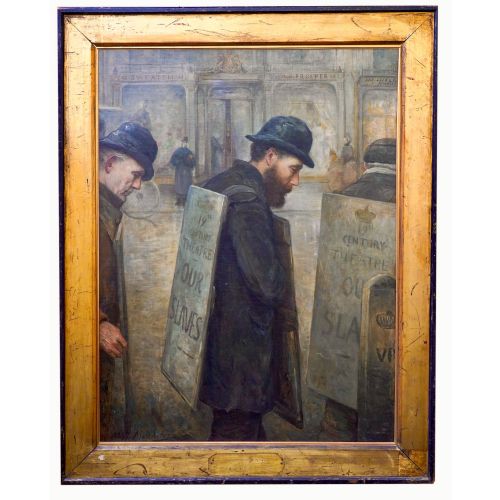


19th Century Canvas Art
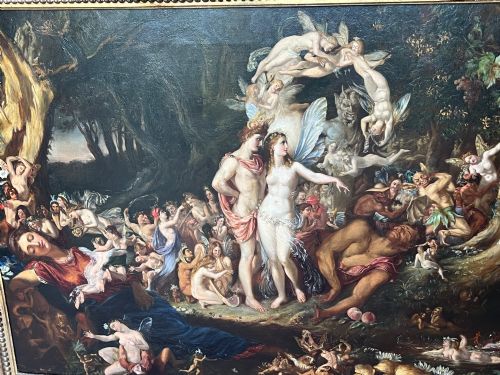
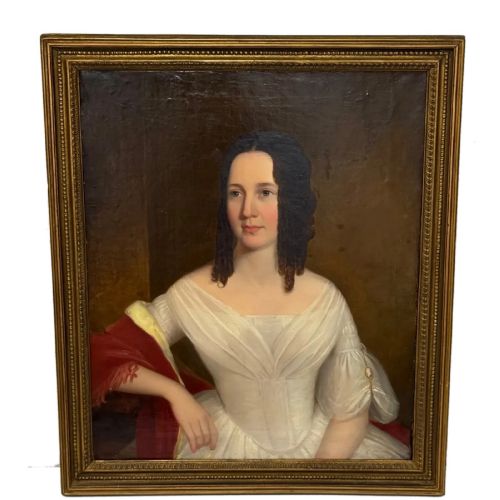
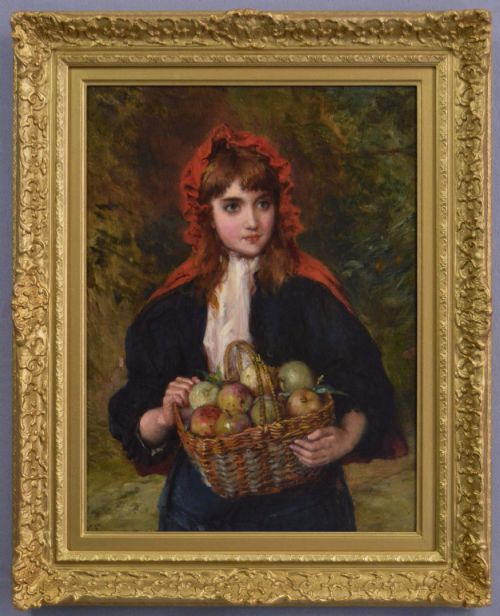
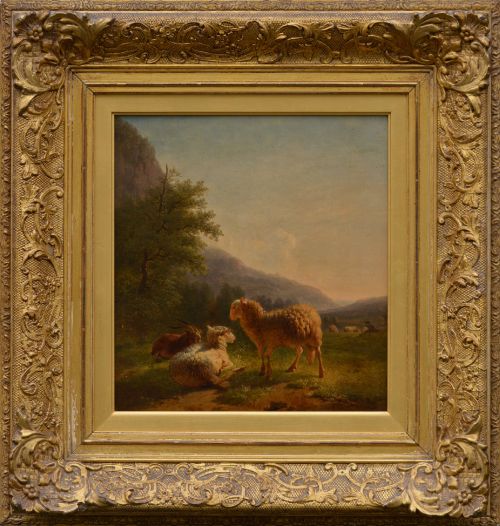
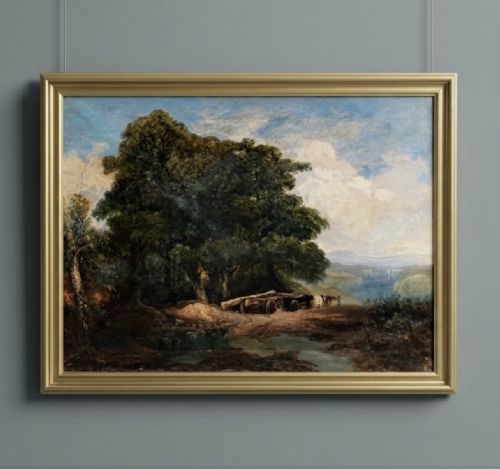
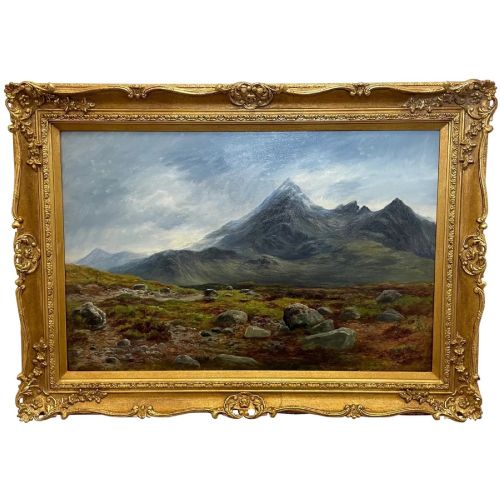
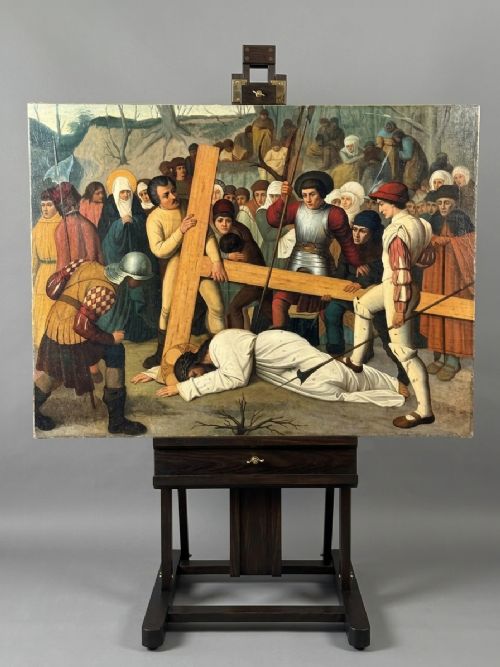
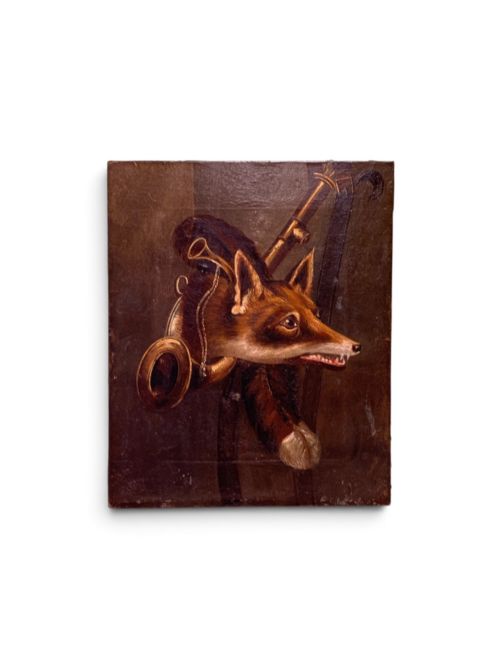
When you search for 19th century canvas art, you encounter oil paintings spanning portraits, landscapes, and maritime scenes.
19th Century Canvas Art
Pieces classified as 19th century canvas art encompass oil paintings created across the Victorian, Regency, and Georgian periods, alongside works from the Barbizon and French schools.
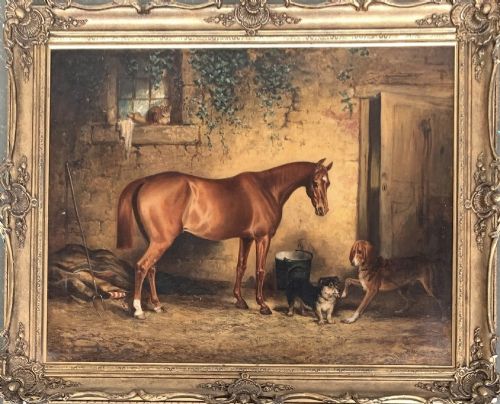
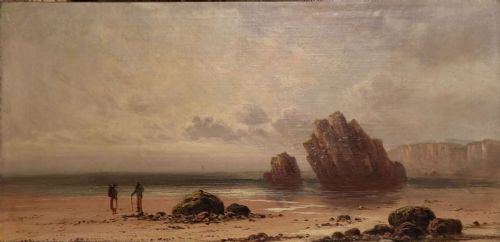
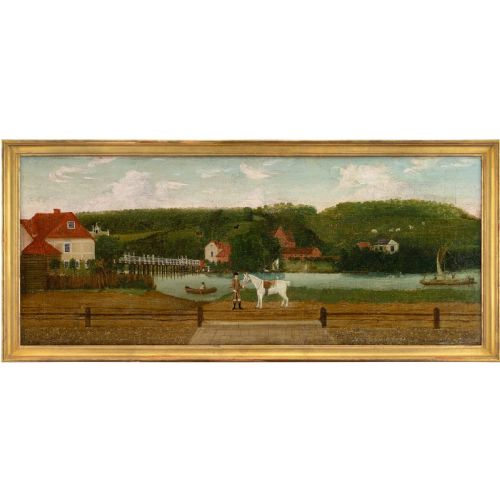
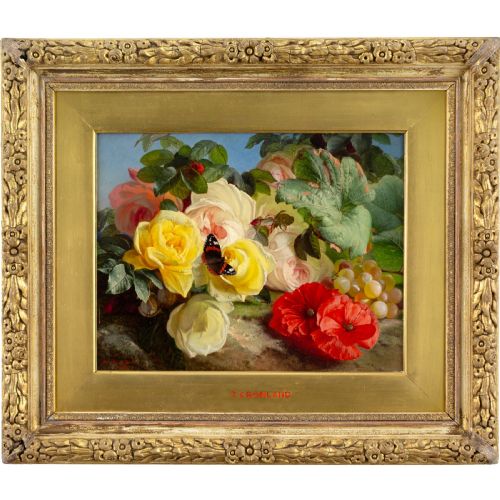
The subjects range widely from equestrian portraits and coastal marine views to domestic interiors, botanical still lifes, and romantic landscapes.
Buyers frequently encounter framed works originating from British, French, and Italian makers, rendered in styles spanning realism, impressionism, and traditional portraiture.
How They Were Made
These works utilise oil paint applied to woven canvas supports, often stretched over wooden frames to maintain structural tension.
Many surviving examples retain their original heavy frames constructed from wood and gesso, finished with applied gold leaf or giltwood.
The inventory records regional British, French, and Italian schools alongside traditional equine and landscape subjects.
What Varies in Quality
The level of detail in brushwork and the expressive handling of light separate master portraits and landscapes from more commercial studio productions.
Preservation of the original paint surface and the integrity of the underlying canvas influence the overall standing of an individual work.
Henry Barraud·Theude Grönland·Sir Joseph Noel Paton·William Oliver·Eugène Verboeckhoven·Richard Sebastian Bond·William Beattie-Brown·Felix Stone Moscheles·Valentine T. Garland·John Maler Collier·Dumini Leopoldo·Frederick Marriott·John Horace Hooper·William McAlpine·Reginald Arthur Borstel·Alfred Fontville de Breanski Jr·Stephen Samuel Lewin·John Rose Miles·Vittorio Reggianini·Thomas W Lascelles·James Arthur O'Connor·Arturo Orselli·Arthur Gilbert·Arthur Knowles·William Arthur Howgate
The 19th Century Canvas Art Glossary
- Gesso
- A plaster-like material applied to wooden frames before gilding, providing a smooth base for gold leaf. It often shows intricate moulded decorative motifs.
- Giltwood
- Wood carved and coated with gold leaf or metallic powder, forming the decorative border typical of period picture frames.
- Barbizon School
- A collective of French landscape painters active during the mid-nineteenth century who favoured painting directly from nature.
- Oil Paint
- Pigment mixed with drying oil, such as linseed, utilised by artists for its rich colour depth and slow drying time.
19th Century Canvas Art: Frequently Asked Questions
How should I clean a 19th century canvas?
Surface dust may be removed gently with a soft, dry brush by someone with appropriate care.
Professional conservators should handle any deeper cleaning or varnish removal to avoid damaging the paint.
Were these paintings always framed in gold?
Giltwood and gesso frames finished in gold leaf were standard for displaying fine art during the Victorian period.
Many surviving pieces retain these original surrounds, though some have been reframed later.
How do I identify the period of a painting?
Signatures, dates, and stylistic markers such as Victorian dress or Barbizon realism offer direct clues.
Examining the canvas weave and the construction of the wooden stretcher provides additional age indicators.
Can I hang these paintings in direct sunlight?
Direct sunlight causes oil pigments to fade and accelerates the degradation of both canvas and frame.
Displaying them away from windows and heat sources ensures better long-term preservation.