
19th Century Bronze Urn
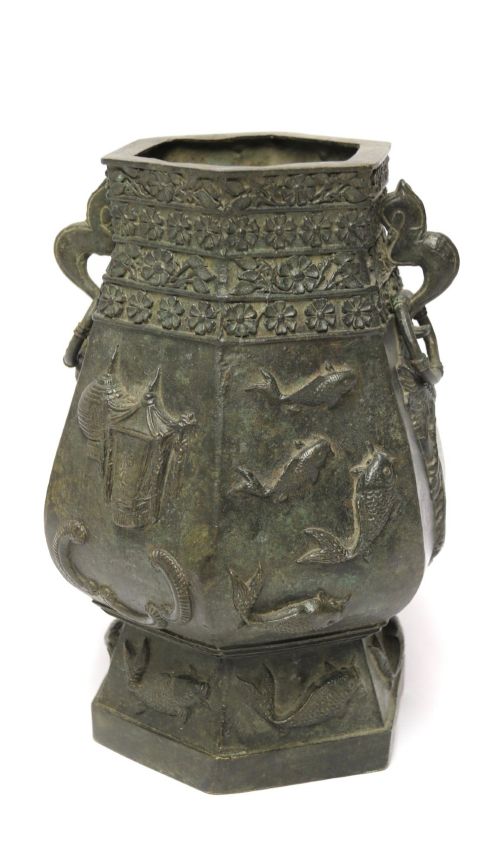
A 19th century bronze urn brings classical gravitas to a room, offering sculptural presence and patinated weight.
What 19th century bronze urn pieces are
When you search for a 19th century bronze urn, you encounter vessels shaped by neoclassical tastes, Grand Tour souvenirs, and global influences. These decorative objects range from cabinet-sized ornaments to large focal pieces.
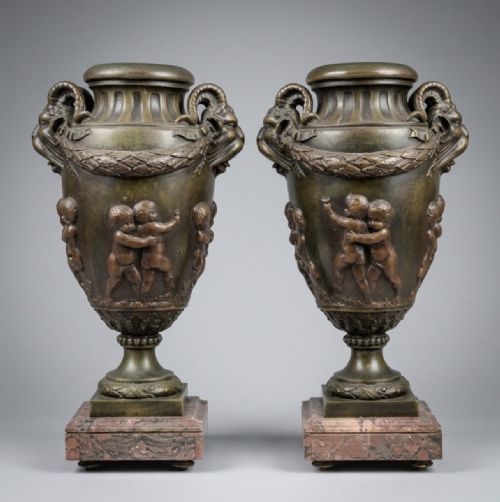
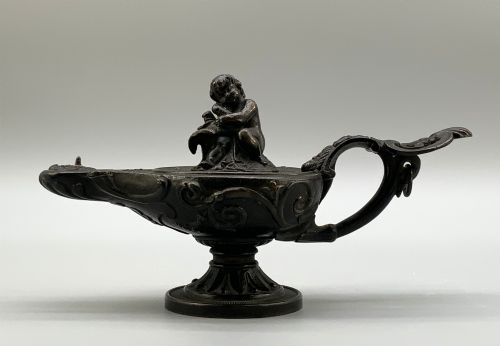
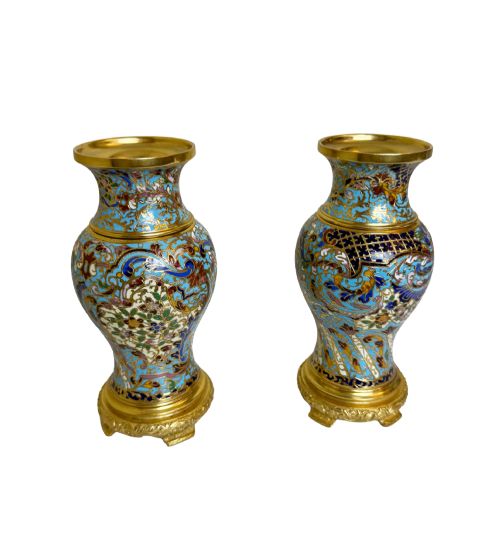
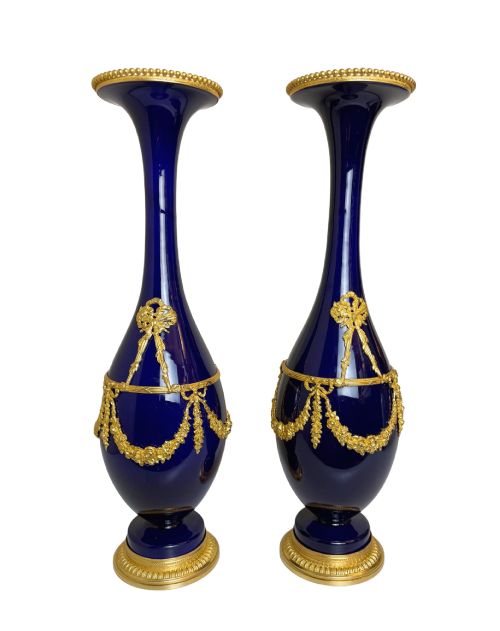
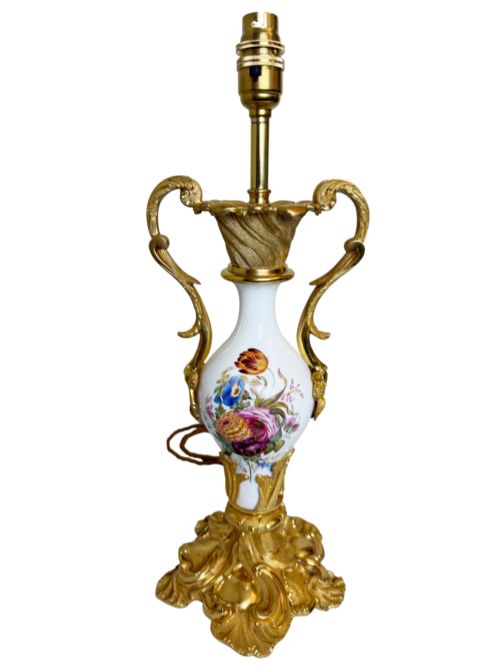
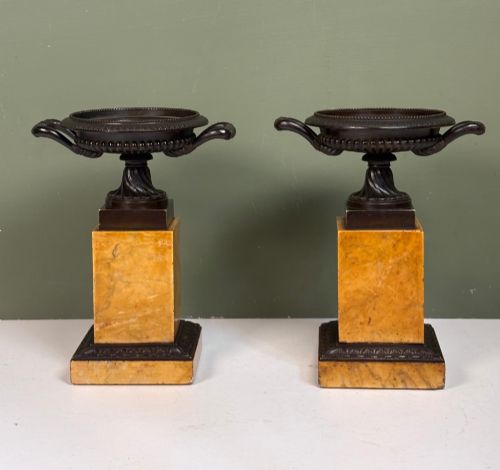
The version most commonly met on this page is the Grand Tour souvenir or French neoclassical vessel, often paired with marble bases or mounted with ormolu. Makers drew on ancient Greek and Roman forms such as the Warwick or Medici vase.
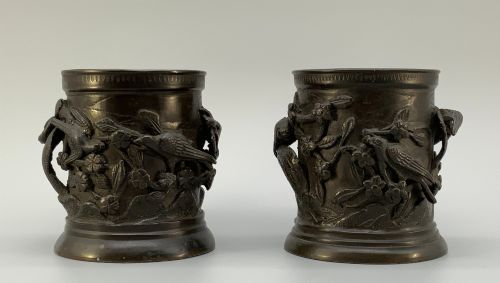
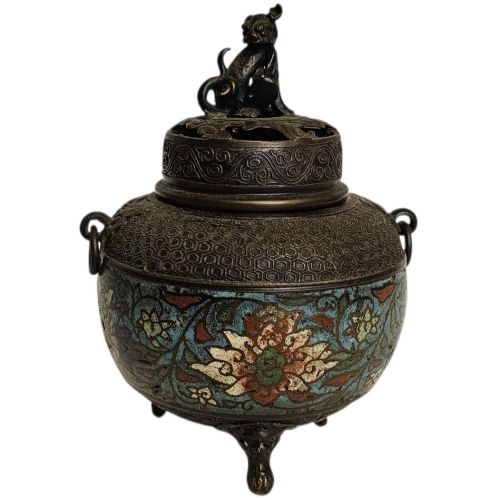
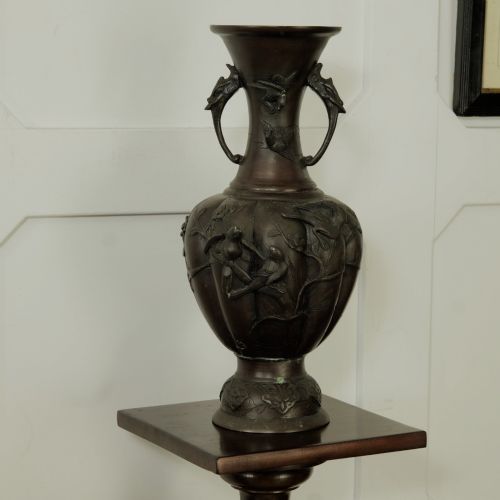
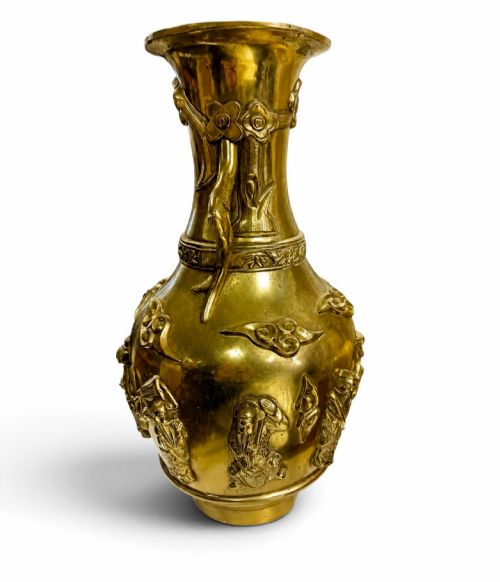
Beyond European classical revivals, the inventory includes Indian Raj period vases and Japanese Meiji period bronzes. These diverse origins share a heavy reliance on cast metal and sculptural ornament.
Materials and methods
Foundries utilised traditional casting methods to shape the bronze, producing heavy walls that took patination evenly. Artisans chased the cooled metal surfaces by hand to sharpen details on foliate bands and figural friezes.
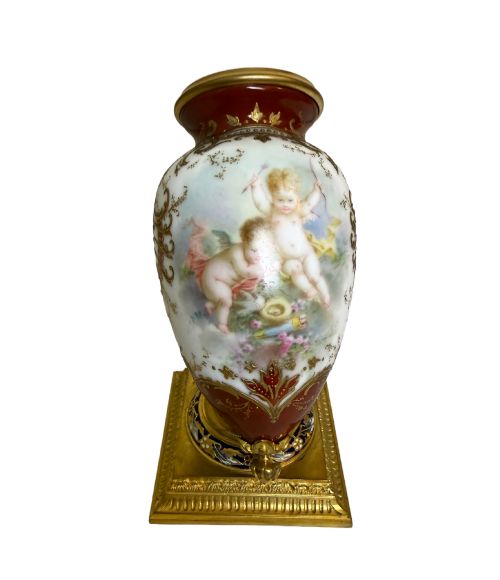
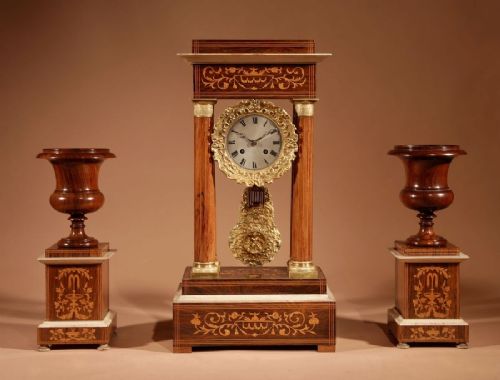
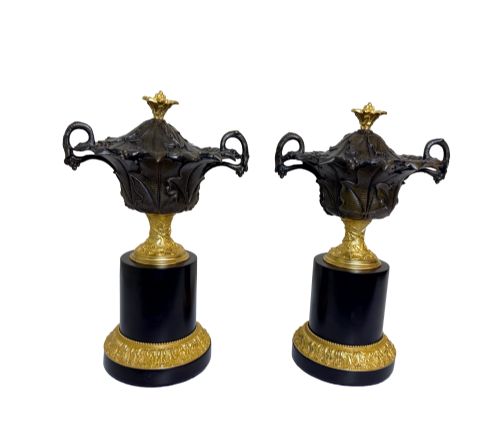
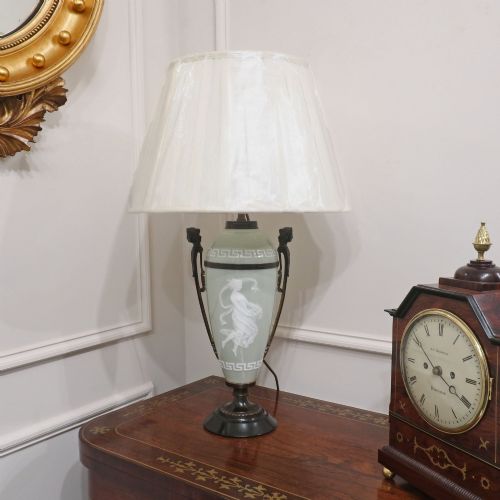
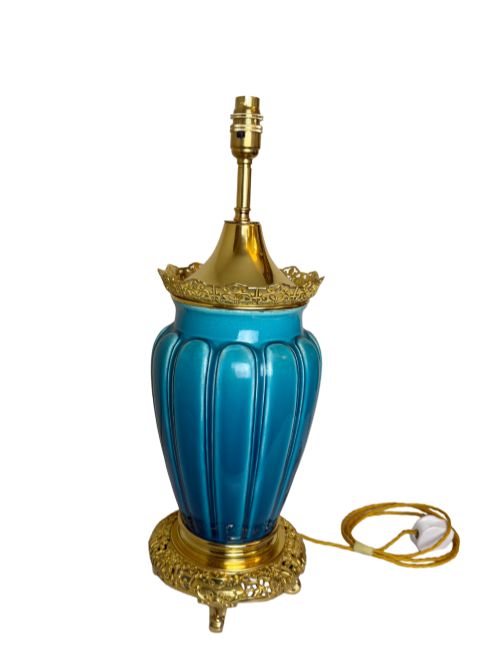
Many vessels incorporate contrasting materials, pairing dark patinated or gilt bronze with white or Sienna marble pedestals. Wood, jasperware, and porcelain also appear as body components or supporting stands.
Retail Price Guide 2026
Typical UK retail prices for 19th century bronze urn, calculated from the Sellingantiques database of over a million retail prices indexed since 2003. This retail price guide relies exclusively on Sellingantiques data; no external sources or auction records are used, so the figures do not describe the wider market.
Listings feature periods spanning the Regency era, 1860, and late nineteenth-century Meiji Japan.
Distinguishing quality
Superior examples display crispness in the chased surface details and precision in the assembly of cast components. Poorer specimens rely on softer, blurred casting that lacks definition in high-relief friezes.
The integration of secondary materials dictates tiering, where fine Italian marble plinths and fire-gilded ormolu mounts elevate a piece. Simple patinated bronze single-material bodies sit at the accessible end of the scale.
Auguste Cain
The 19th Century Bronze Urn Glossary
- Grand Tour
- A traditional trip through Europe undertaken by upper-class young men to absorb classical culture. Souvenirs purchased on these journeys frequently included small bronzes.
- Ormolu
- Gilt bronze created by applying a high-carat gold amalgam to a bronze base. This technique produces a rich golden surface that resists tarnishing.
- Cassolette
- A dual-purpose decorative vessel featuring a reversible lid that functions as a small bowl or solid cover. They frequently combine marble bodies with bronze mounts.
- Campana
- A classical bell-shaped krater form with flaring rims and scrolling handles. This silhouette is common among nineteenth-century decorative urns.
Frequently Asked Questions
How do I clean a bronze urn?
Dust the surface gently with a soft dry cloth to remove airborne particles. Avoid chemical polishes that strip away historical patina.
Wax can be applied sparingly to protect exposed metal surfaces from moisture.
Where should I place a bronze urn?
Position heavier vessels on sturdy wooden consoles, mantelpieces, or dedicated pedestals to support their substantial weight. Ensure they sit away from direct heat sources.
Smaller examples work well on library tables or within glazed cabinets.
Are these urns waterproof?
Nineteenth-century decorative metal vessels were designed purely for visual display rather than holding water. Their construction often involves multiple fitted sections.
Utilising them for cut flowers risks damaging internal joints and historic patination.