
19th Century Bronze Mounts
When you examine 19th century bronze mounts, you look at cast and chased metal details that define French and Victorian furniture, clocks and porcelain.
19th Century Bronze Mounts
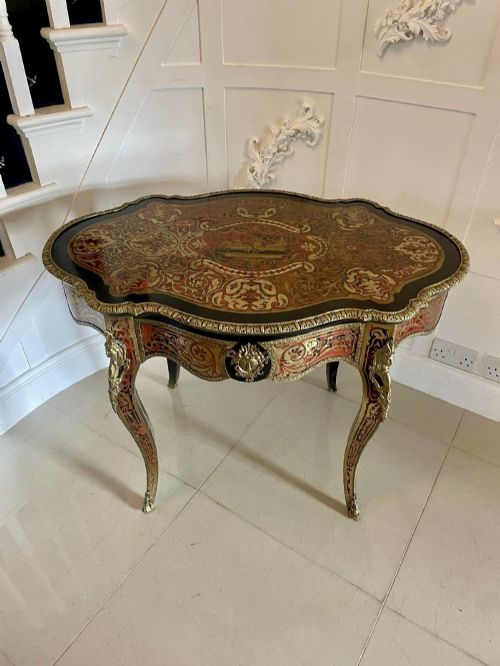
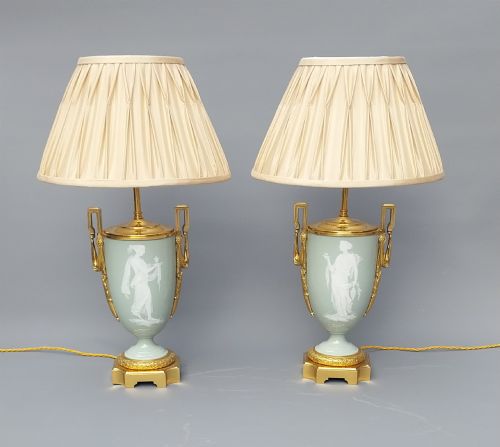
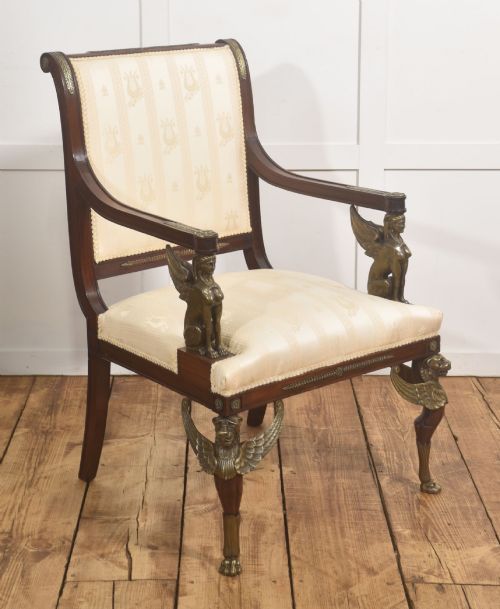
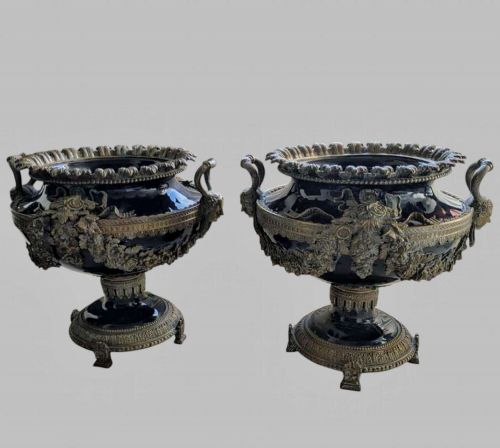
When searching for 19th century bronze mounts, buyers encounter cast metal fittings applied to furniture, clock cases, porcelain vases and marble columns. These elements include freestanding ornaments, furniture mounts, appliques, and structural trims designed to enhance decorative objects.
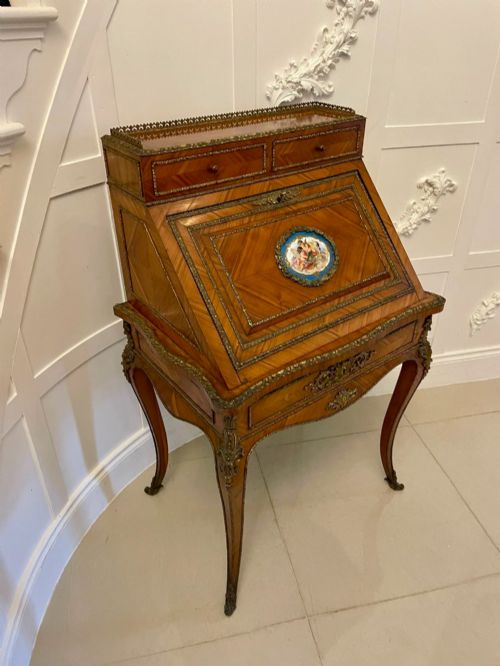
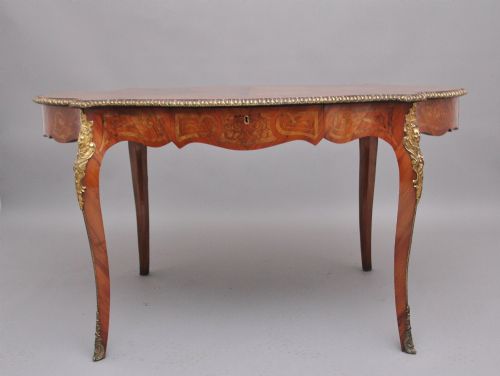
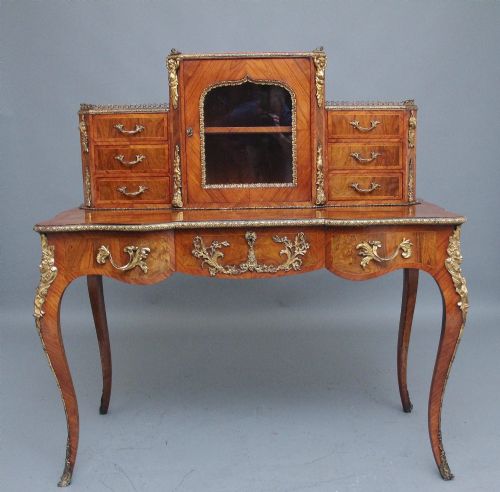
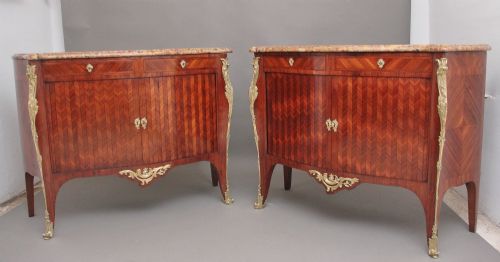
The objects carrying these mounts span desks, centre tables, credenzas, display cabinets and mantel clocks created across the nineteenth century. Most pieces originate from French workshops adhering to revival styles such as Louis XV, Louis XVI and Empire, alongside Victorian British cabinetmaking.
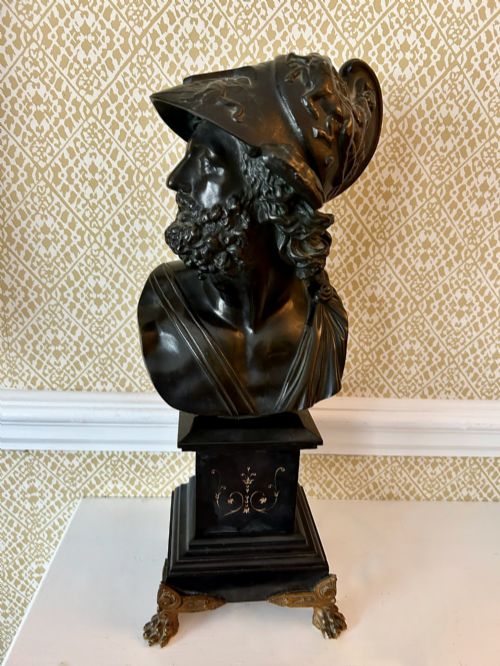
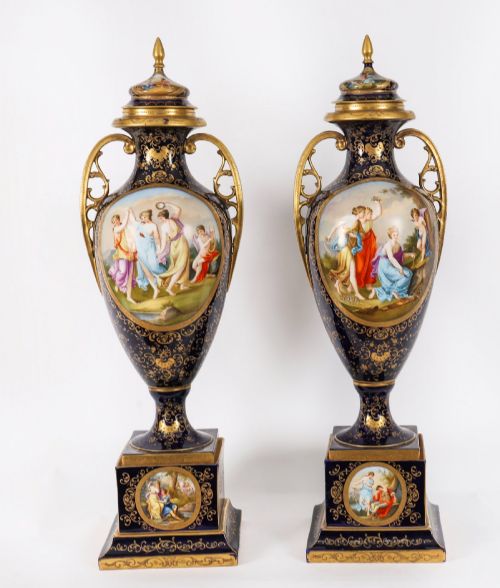
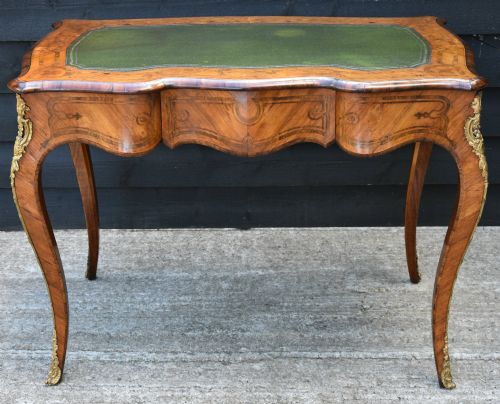
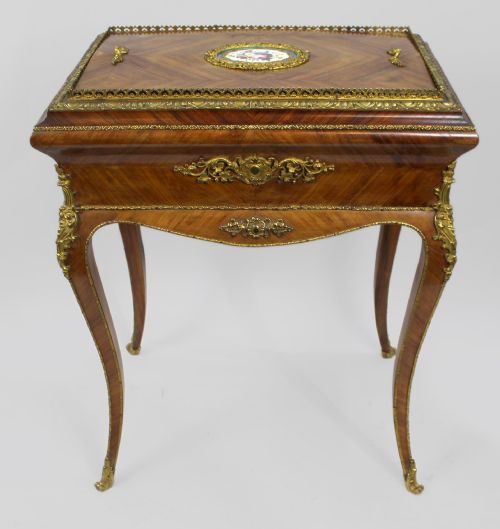
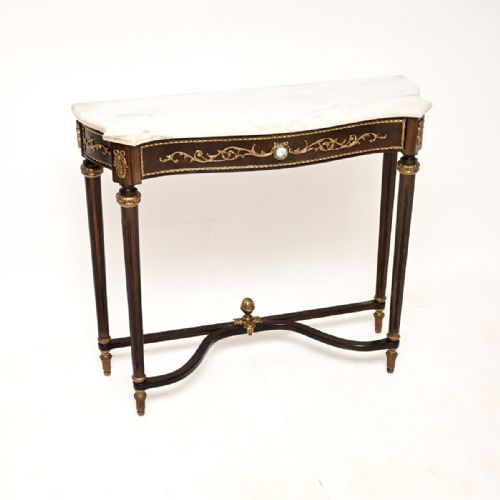
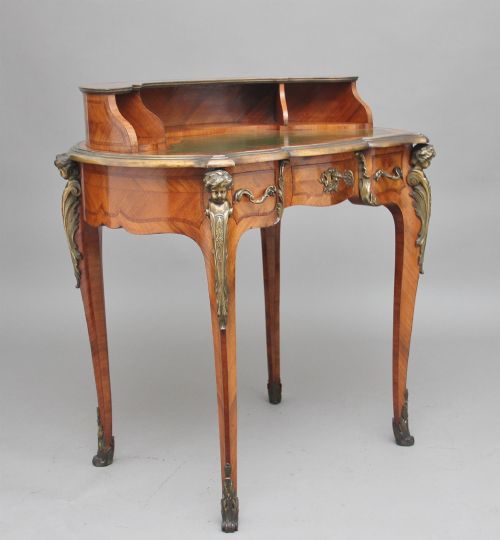
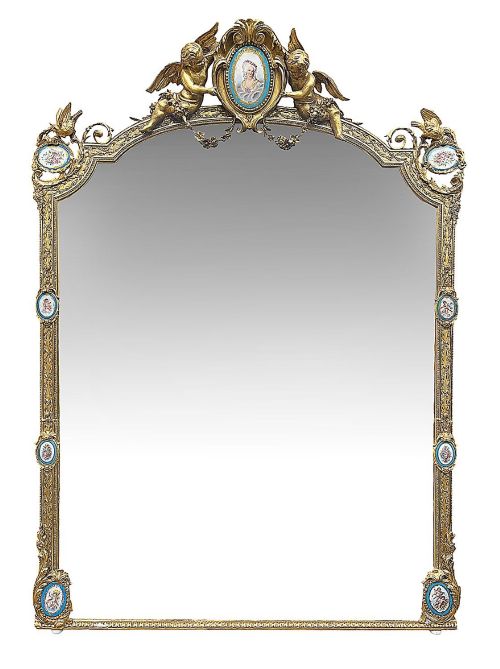
The selection ranges from isolated architectural furniture mounts and lion head ornaments to fully integrated centre tables and porcelain vases featuring substantial gilt bronze trim. Ormolu and gilt bronze dominate the physical record, appearing alongside marble, kingwood, walnut and porcelain.
How they were made
Mounts begin as metal casts produced in bronze, brass or copper alloys, shaped through sand casting or lost-wax techniques to capture intricate botanical and figurative motifs. Artisans then refine the raw metal surfaces using chisels and files to sharpen details before applying surface treatments.
Gilding transforms the bronze through the application of gold leaf or mercury fire gilding, known as ormolu, which creates a durable, luminous golden finish. Workshops secure these finished mounts to timber carcases, marble plinths and porcelain bodies using specialised brass screws, pins or peg joints fitted flush into the underlying material.
Listings feature 19th century bronze mounts applied to kingwood, walnut, rosewood, mahogany, marble, onyx and porcelain.
What varies in quality
The depth and uniformity of the gilding further divide standard production from exceptional work, with fire-gilded surfaces retaining a warm, deep refraction of light over decades. The precision of the fit against the underlying wood, marble or porcelain indicates the level of bespoke labour invested by the maker.
Edward Holmes Baldock·Poix Blin·Gabriel Viardot·Johnstone And Jeanes·Charles A Orleans·Francois Linke·Paul Sormani·Maison Krieger·Ch Jeanselme Co·Henry Dasson
The 19th Century Bronze Mounts Glossary
- Ormolu
- Gilt bronze created by applying a mixture of mercury and gold to a bronze base and heating it until the mercury vaporises. This technique produces a rich, lasting golden layer characteristic of high-end French decorative arts.
- Chasing
- The manual process of refining a metal casting with small steel punches and hammers. Artisans use this technique to texture surfaces, sharpen outlines, and add fine detail after the initial casting stage.
- Applique
- A decorative metal ornament designed to be affixed directly to the surface of furniture, walls or architectural woodwork. These pieces often take the form of floral swags, trophies or masks.
- Kingwood
- A dense, heavily figured Brazilian timber featuring dark violet and brown stripes, frequently utilised in French cabinetmaking. It provides a contrasting dark ground that highlights bright gilt bronze mounts.
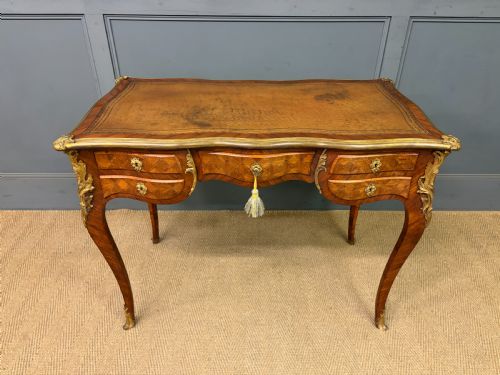
- Bureau Plat
- A freestanding writing desk featuring a flat rectangular top and drawers in the frieze, typically supported on four cabriole or tapered legs. These desks frequently incorporate extensive bronze mounts along the edges and corners.
19th Century Bronze Mounts: Frequently Asked Questions
What are bronze mounts?
Bronze mounts are cast metal decorative elements attached to furniture, clocks, and ceramic vessels. They serve both to reinforce structural corners and to provide ornamental enrichment.
Craftsmen cast these pieces in bronze or brass before finishing them with chiselling and gilding. They appear extensively on nineteenth-century French and Victorian luxury goods.
How do you clean ormolu?
Cleaning gilt bronze requires gentle dusting with a soft brush or dry cloth to remove surface particles. Moisture and commercial metal polishes strip the historic gold layer.
Preserving the original fire-gilt surface means avoiding harsh chemical solvents entirely. Professional conservation is recommended for pieces showing heavy accumulation of dirt.
Are these mounts removable?
Most mounts attach to their host objects using pins, screws or threaded posts secured from the reverse or interior. Removing them disturbs historical fixings and risks damaging fragile surrounding materials like veneer or porcelain.
Original mounts remain in their primary positions to maintain the integrity and provenance of the piece. Disassembly is rarely necessary for display or standard maintenance.
How do you date bronze mounts?
Dating relies on stylistic indicators, casting technology, and the secondary materials used in the host object. Revival periods often emulate earlier Louis XV or Louis XVI designs while utilising nineteenth-century manufacturing methods.
Maker stamps, where present on the bronze or the underlying timber, provide a direct link to specific workshops. Tool marks and assembly techniques offer further clues regarding the era of production.