

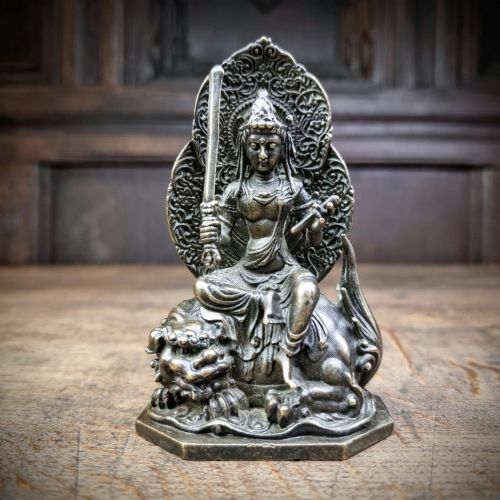


19th Century Bronze Lion
When you search for a 19th century bronze lion, you enter a field of cast metal sculpture and decorative objects shaped by animalier tastes and Grand Tour classicism.
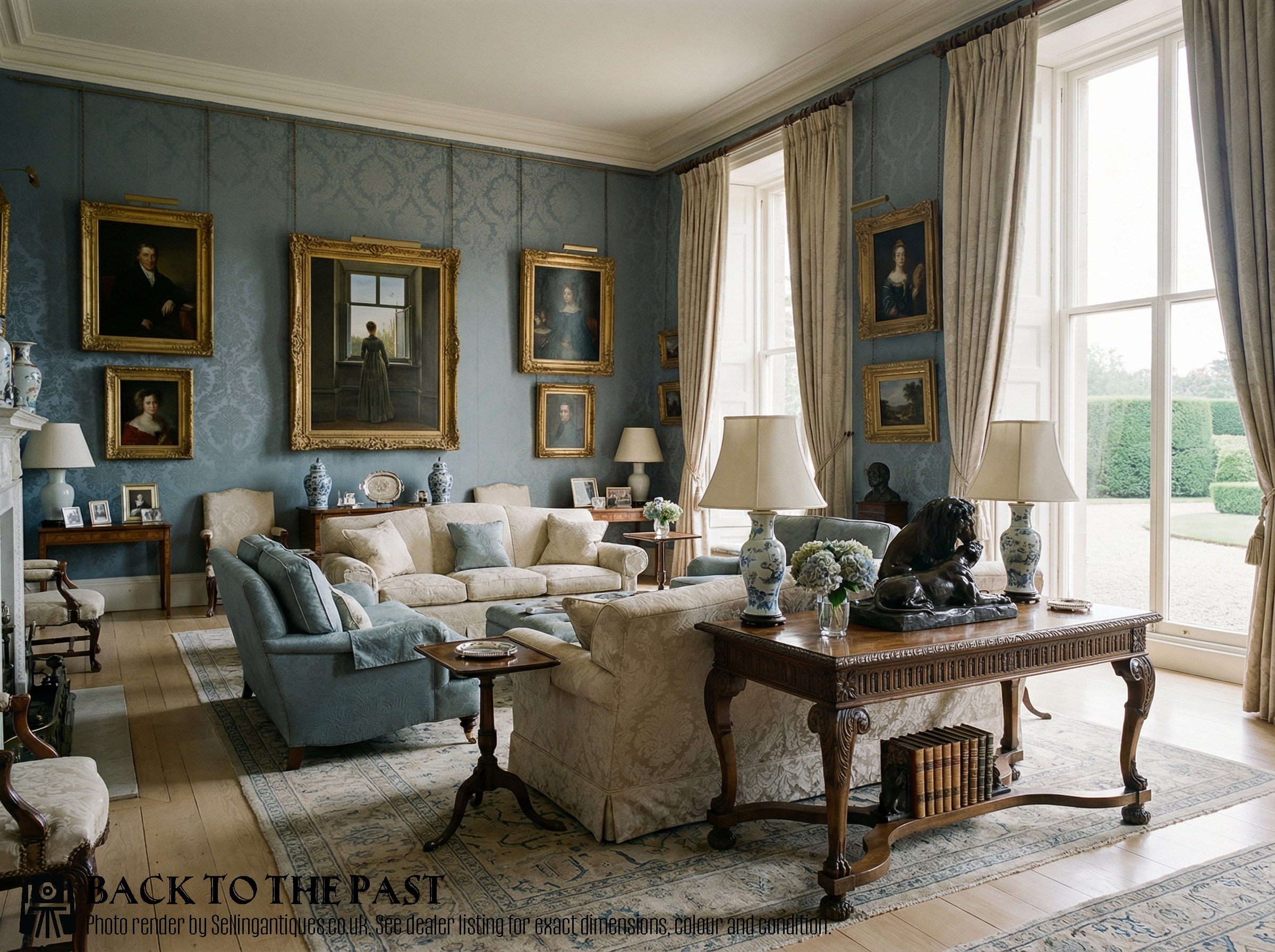
19th Century Bronze Lion
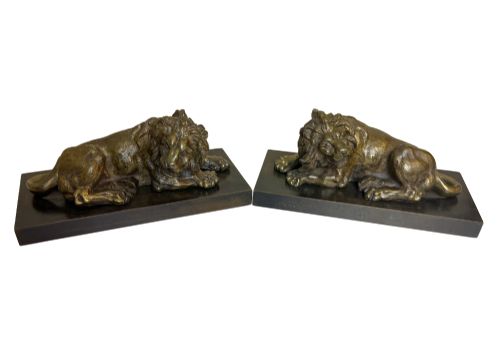
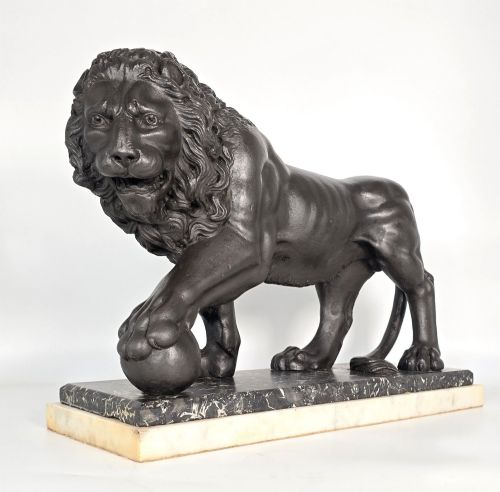
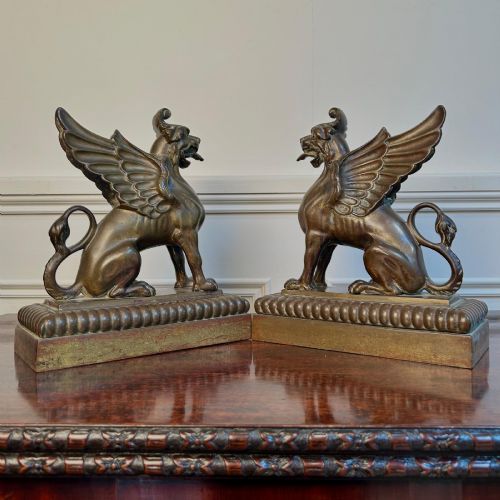
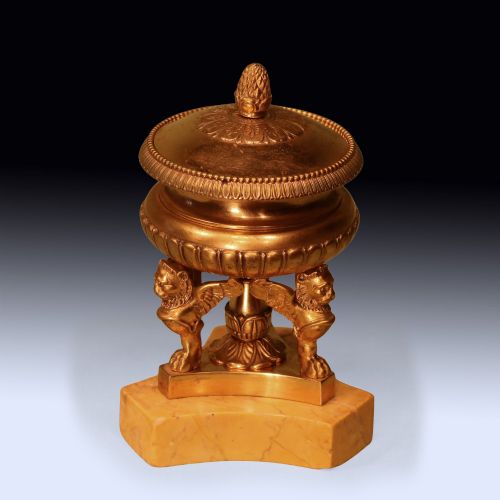
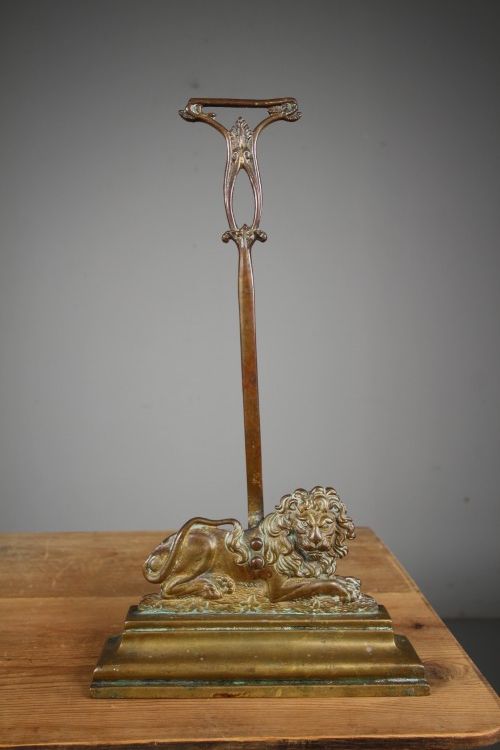
A 19th century bronze lion encompasses a variety of objects, ranging from freestanding animalier sculptures of resting or roaring beasts to functional items like inkstands, doorstops, and clock mounts. Buyers frequently encounter French animalier casts, Neoclassical figures modelled after classical antiquities, and Grand Tour souvenirs.
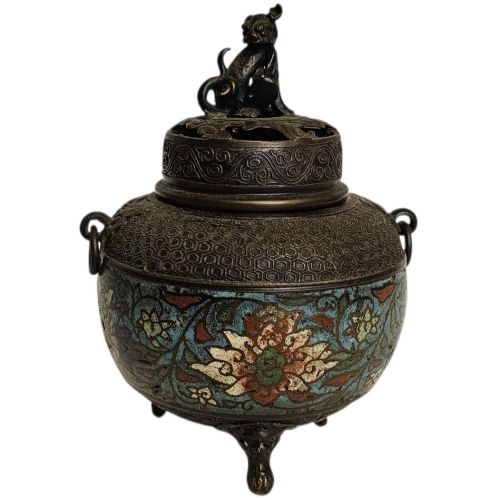
The materials span standard bronze, patinated bronze, and gilt bronze or ormolu, often mounted on bases of marble, alabaster, or slate. Figures range in scale from cabinet bronzes to large floor or mantel sculptures, alongside Asian temple lions and censers.
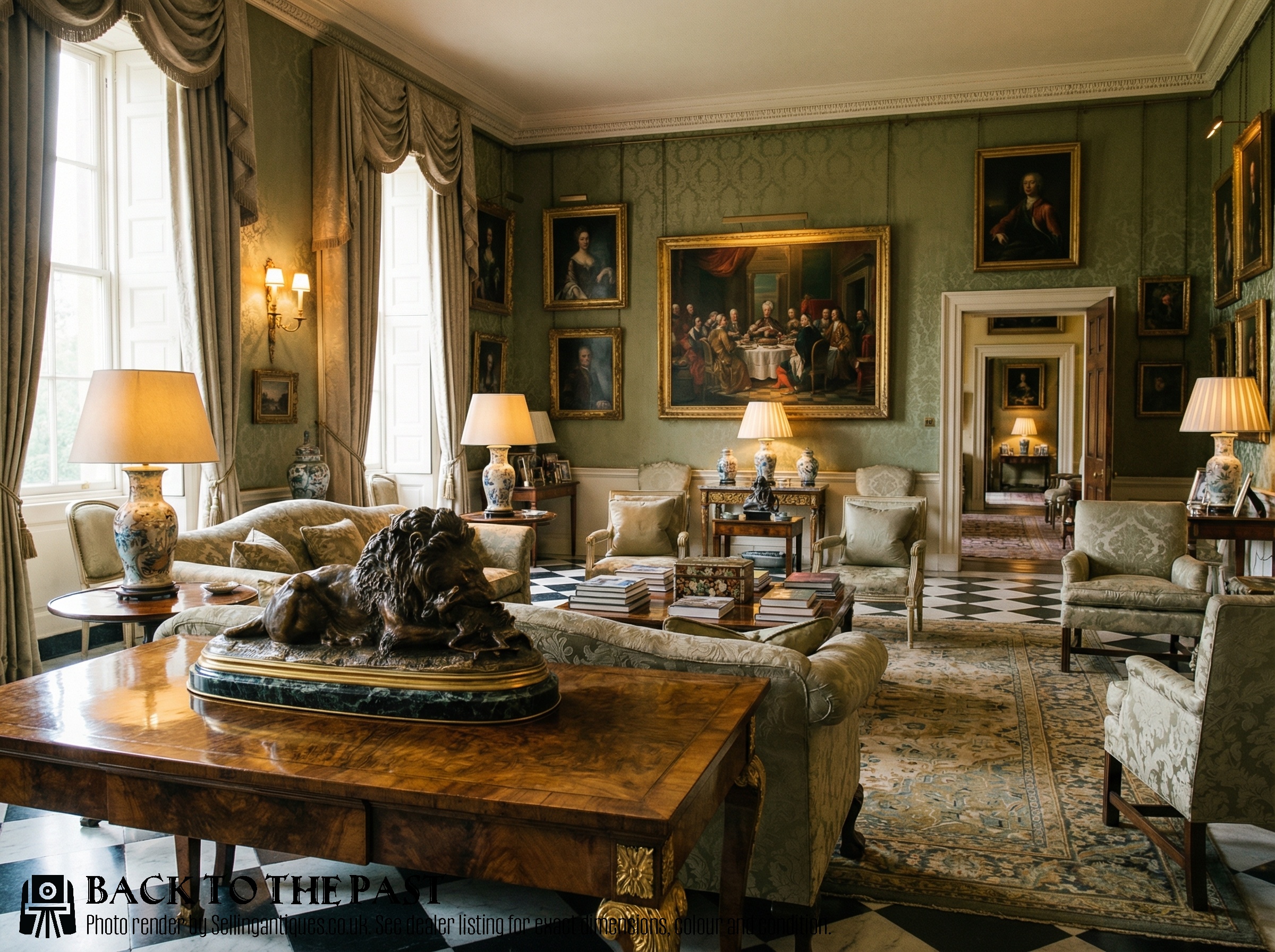
How they were made
Many sculptures and mounts were combined with stone elements, requiring workshops to fit bronze casts securely onto marble plinths, inkwell bases, or clock housings using pins and screws.
19th Century Bronze Lion Retail Price Guide 2026
Typical asking prices for 19th century bronze lion among the pieces listed under this phrase on Sellingantiques today, from the lower quarter to the upper quarter. They describe what is for sale here now, not the wider market.
Listings feature 19th Century, Regency, Victorian, and Georgian periods alongside materials like bronze, ormolu, marble, brass, and alabaster.
What varies in quality
Quality rests in the crispness of the chase work and the subtlety of the surface patination. Superior casts retain sharp definition in the fur and claws without softening from worn moulds.
The execution of the underlying stone base, the weight of the metal alloy, and the fidelity of the sculptural model - whether taken from classical antiquities or named animalier sculptors - distinguish finer studio productions from standard commercial wares.
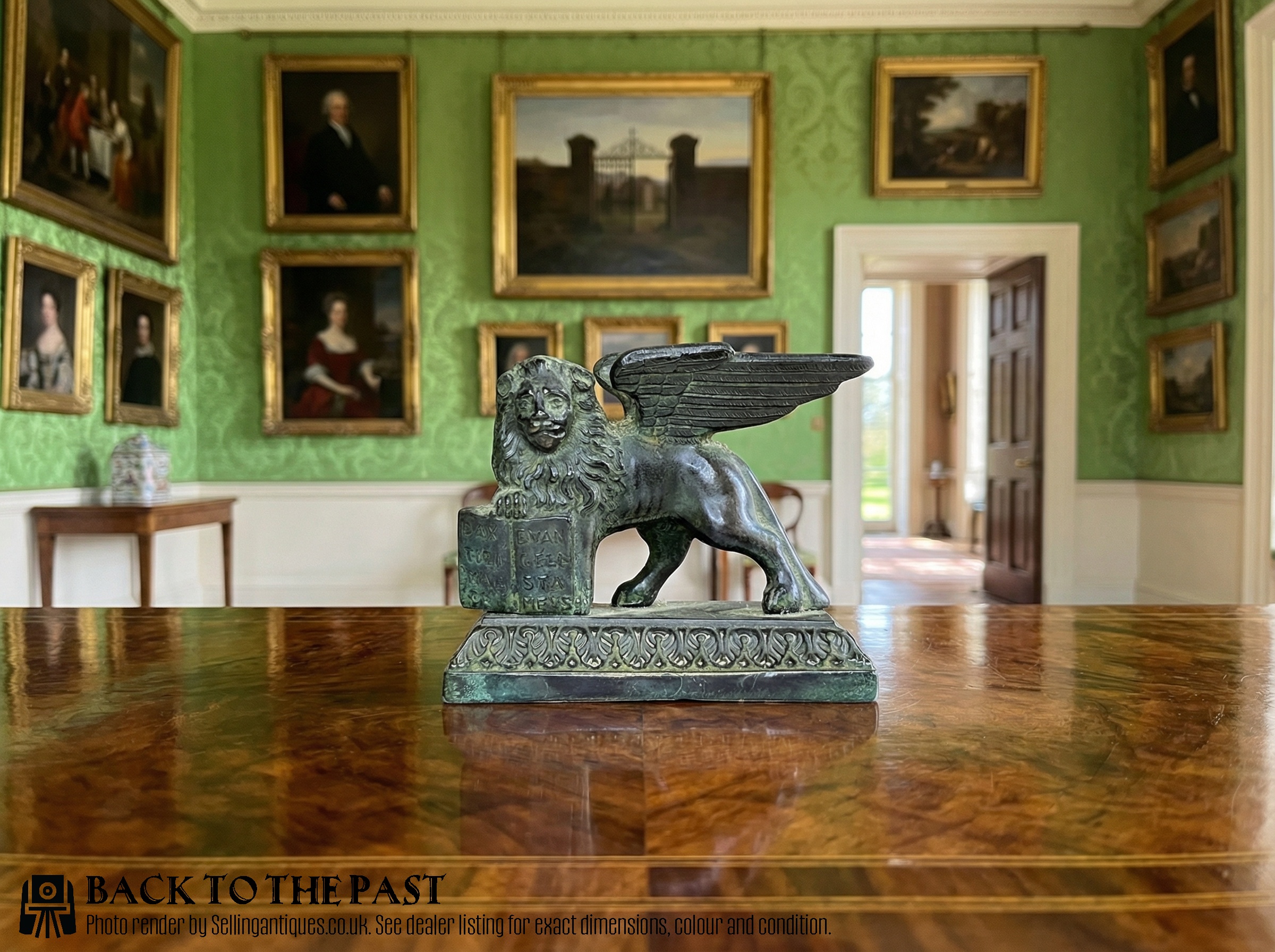
Paul-Édouard Delabrièrre·G. Gardet·Al Barye·Barbedienne·Le Courtier·Louis Vidal·L. Bureau·Pierre-Jules Mene·Antoine-Felix Bouré
The 19th Century Bronze Lion Glossary
- Animalier
- A nineteenth-century artistic movement focused on the realistic depiction of animals, particularly predators in motion or repose. Sculptors in this tradition studied anatomy closely.
- Grand Tour
- A traditional trip through Europe undertaken by upper-class individuals, collecting small bronzes, fountain heads, and architectural models as souvenirs. These pieces often replicated famous Italian antiquities.
- Ormolu
- Finely ground high-carat gold applied to a bronze base using a mercury amalgamation technique, yielding a bright golden surface. This finish is also known as gilt bronze.
- Patinated bronze
- Bronze treated with chemical solutions to alter the surface colour, ranging from deep brown to black or green. This finish protects the metal and highlights sculptural contours.
- Medici Lion
- A sculptural type derived from the pair of marble lions guarding the Loggia dei Lanzi in Florence, copied extensively by European founders during the nineteenth century.
19th Century Bronze Lion: Frequently Asked Questions
What is an animalier lion?
An animalier lion is a nineteenth-century sculpture focused on the naturalistic study of the animal's anatomy and behaviour. These works capture the creature in resting, stalking, or roaring postures.
Foundries produced these studies in varying scales, capturing the texture of the mane and musculature through precise casting and chasing.
How do I identify a Grand Tour bronze?
Grand Tour bronzes typically replicate famous Roman or Florentine sculptures, such as the Medici Lion or classical monuments encountered by travellers in Italy. They often feature dark patination and may be mounted on marble bases.
These objects were designed as portable cabinet pieces or decorative ornaments for nineteenth-century libraries and studies.
What is the difference between bronze and ormolu?
Bronze is a copper and tin alloy used structurally for casting the entire figure or object. Ormolu refers specifically to gilt bronze, where a layer of gold is bonded to the bronze surface.
Ormolu mounts and decorative elements appear frequently on French clocks, inkstands, and furniture from the period.
Where were these lions displayed originally?
Nineteenth-century bronze lions served multiple domestic functions, standing upon library desks as inkwells, guarding doorways as heavy doorstops, or decorating mantel clocks and torchieres.
Larger sculptures occupied prominent positions in entrance halls, drawing rooms, and studies as symbols of strength and classical taste.