




19th Century Bronze Jardiniere
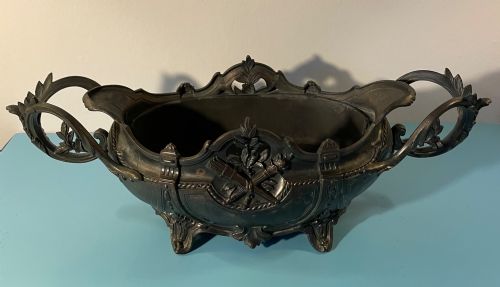
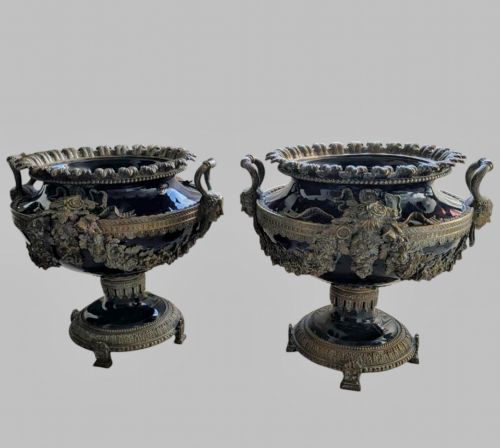
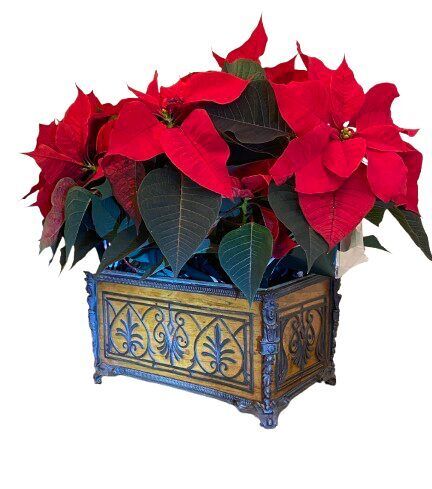
These pieces of 19th century bronze jardiniere bring refined botanical display and sculptural presence into a room.
19th Century Bronze Jardiniere
A 19th century bronze jardiniere serves as an ornamental plant holder or decorative bowl, designed to bring greenery or floral arrangements into interior spaces. Buyers examining this page encounter vessels shaped for domestic horticulture, originating primarily from French workshops and East Asian traditions.
How They Were Made
Maker's workshops cast these bodies predominantly in bronze, frequently incorporating brass, ormolu mounts, and gilt bronze highlights. Artisans combined metal casting with secondary materials including burr walnut, kingwood, ebonised wood, and ceramic inserts.
Surface ornamentation relies on intricate techniques such as cloisonné enamel work, marquetry inlay, and cast relief detailing. Japanese and Chinese examples utilise traditional metalworking methods alongside Buddhist ritual vessel forms, while European pieces often employ French rococo scrollwork.
Listings combine French Louis XV style planters with Japanese Meiji period bronze bowls and Chinese cloisonné enamel pieces from the nineteenth century.
What Varies in Quality
The standard of a piece rests upon the crispness of the bronze casting and the precision of any applied ormolu mounts. Superior items display sharp relief work and secure joins between the metal body and wooden or ceramic elements.
Another distinction lies in the complexity of surface decoration, particularly the fineness of cloisonné enamel work or hand-applied marquetry. Pieces featuring integrated stands or matched pairs command attention for their balanced proportions and harmonious design.
The 19th Century Bronze Jardiniere Glossary
- Jardiniere
- An ornamental pot or stand for holding plants or flowers. These vessels sit upon tables or floors as decorative centrepieces.
- Ormolu
- Gilt bronze mounted on furniture or decorative objects. This technique involves applying a finely ground gold-mercury amalgam to bronze.
- Cloisonné
- Enamel work created by pouring coloured glass pastes into compartments formed by soldered metal wires. The piece is then fired and polished smooth.
- Meiji Period
- A Japanese historical era spanning from 1868 to 1912. Metalwork from this time is noted for high technical proficiency in bronze casting.
- Athenienne
- A decorative tripod stand supporting a bowl or basin, popular in neoclassical interiors. These serve as elevated plant holders or decorative vessels.
19th Century Bronze Jardiniere: Frequently Asked Questions
What is a jardiniere used for?
These vessels were created to house potted plants and floral arrangements inside nineteenth-century homes. They protected surfaces from moisture while elevating greenery as decorative focal points.
Today, collectors use them to hold houseplants, floral displays, or simply as sculptural decorative bowls within a room.
How do I care for bronze?
Bronze requires minimal maintenance, needing only a gentle dust with a soft, dry cloth. Avoid abrasive cleaners or polishes that can strip the metal of its historic patina.
If using the vessel for live plants, place a protective plastic liner inside to prevent water damage to the bronze or any interior wooden elements.
How do I date a piece?
Dating relies on stylistic clues, casting methods, and material combinations recorded across the periods. French pieces often follow Louis XV or Napoleon III revival styles with Ormolu mounts.
Japanese examples frequently align with the Meiji or late Edo periods, identified through specific bronze patination and traditional decorative motifs.
Are these pieces watertight?
Many antique metal and cloisonné bowls hold water, but older joins and soldered sections can develop minor vulnerabilities over time. Structural inserts were often utilised to protect the primary metal body.
It is prudent to inspect the interior and utilise a separate inner pot rather than pouring water directly into the antique vessel.