


19th Century British Artwork
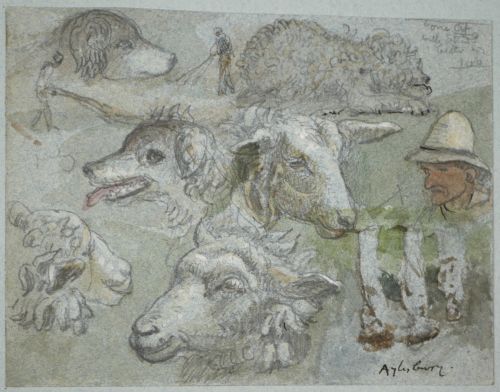
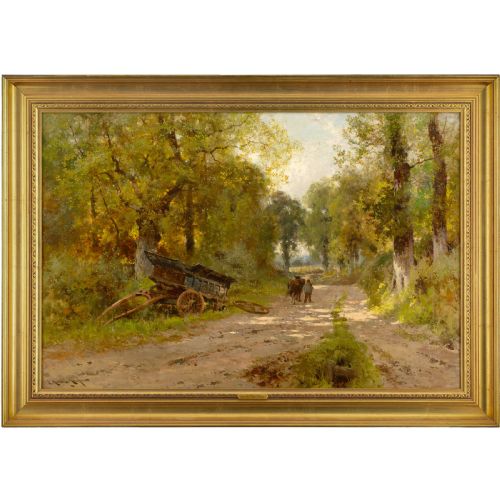
19th century british artwork captures the changing landscapes and social scenes of the era through oils, watercolours, and drawings.
19th Century British Artwork
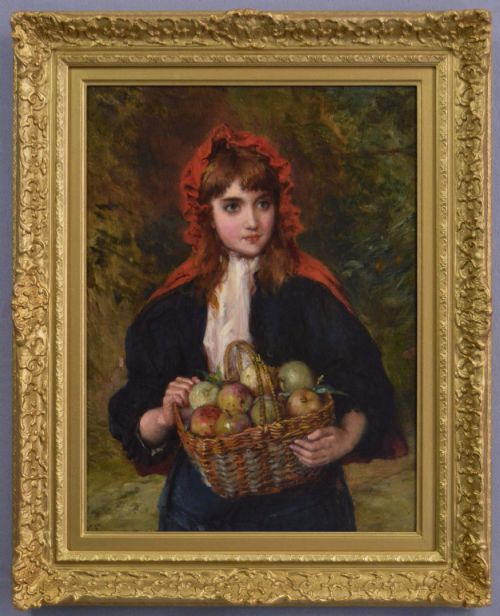
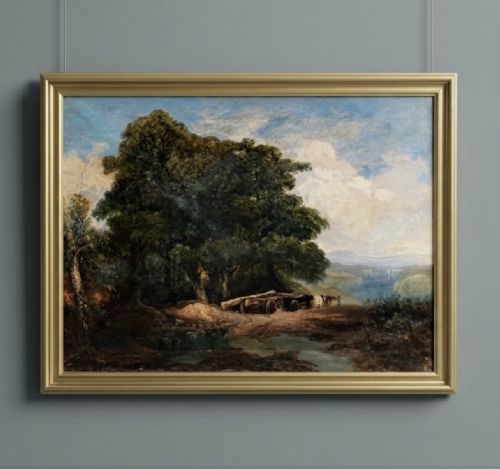
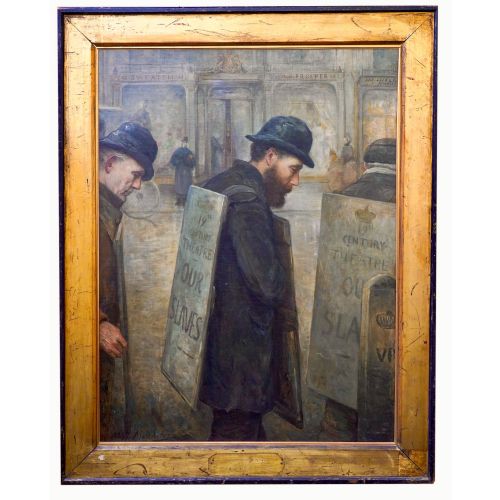
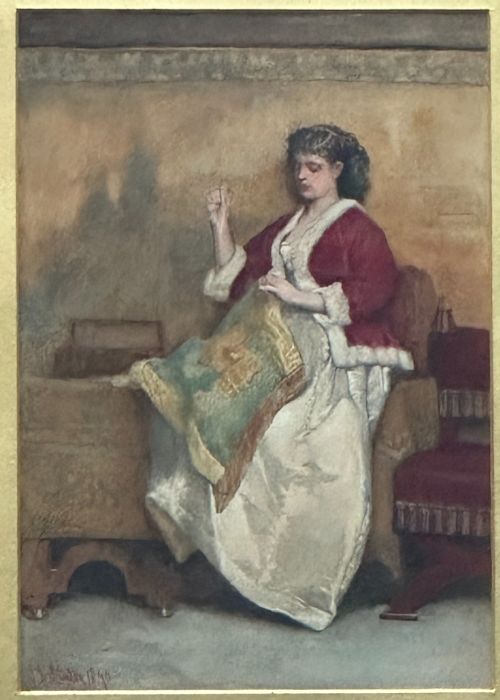
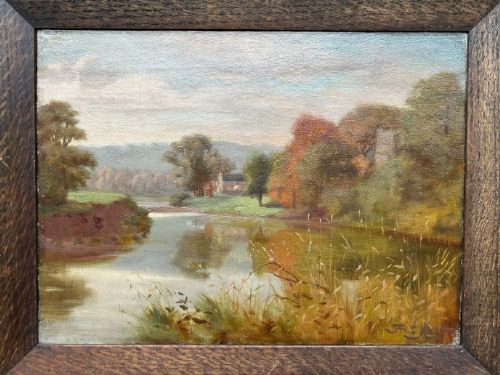
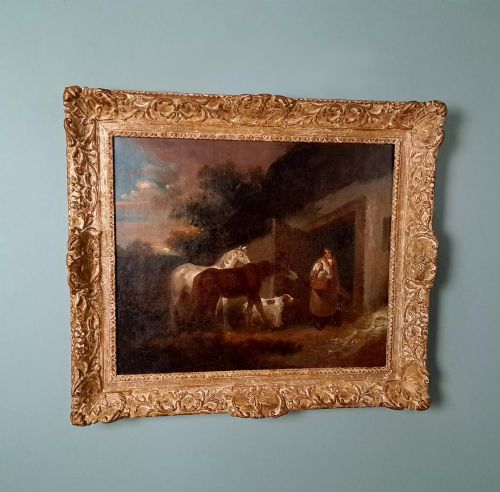
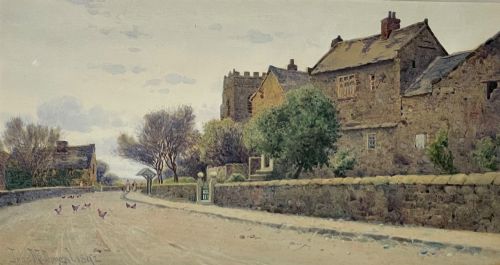
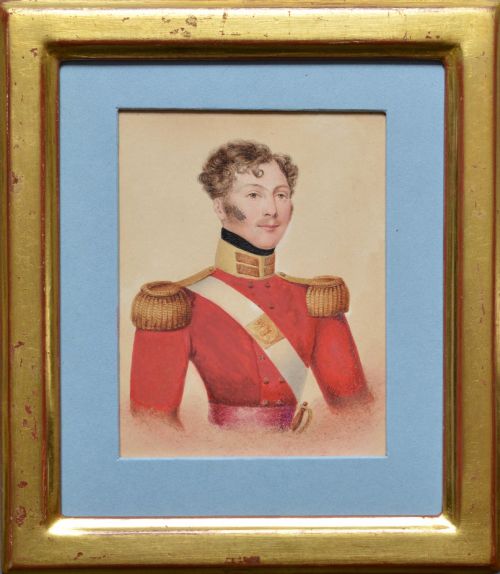
When searching for 19th century british artwork, buyers encounter a diverse selection of paintings, drawings, and framed wall art produced across the Victorian, Regency, and Georgian periods. These pieces range from detailed coastal watercolours to large oil paintings on canvas depicting rural landscapes, portraits, and sporting subjects.
Works on paper and canvas dominate the category, often preserved behind glass in period giltwood frames. Buyers find both intimate topographical studies and monumental narrative paintings recording nineteenth-century life.
Materials and Techniques
Artists of this period relied primarily on oil on canvas or watercolour applied to paper, mounted within wooden or giltwood frames. Oil paints allowed for rich layering and deep colour saturation in landscape and portrait compositions.
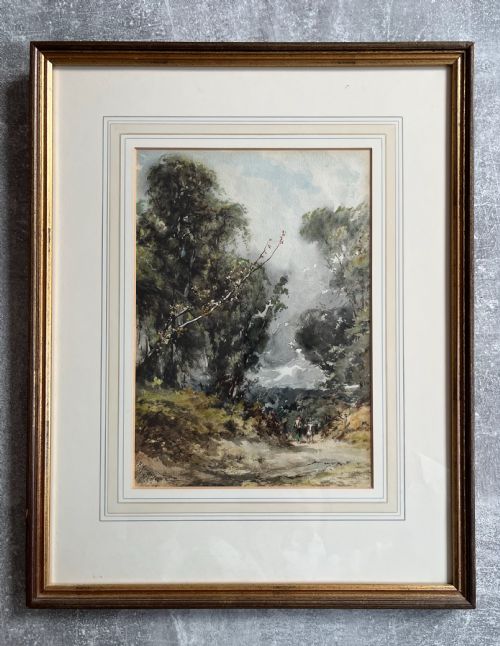
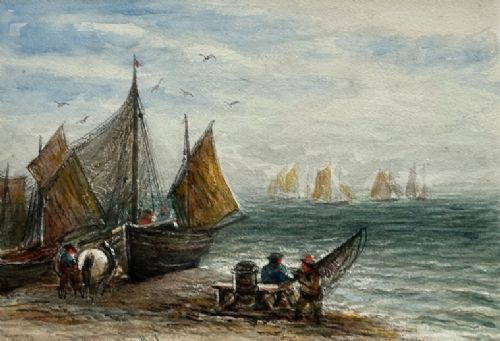
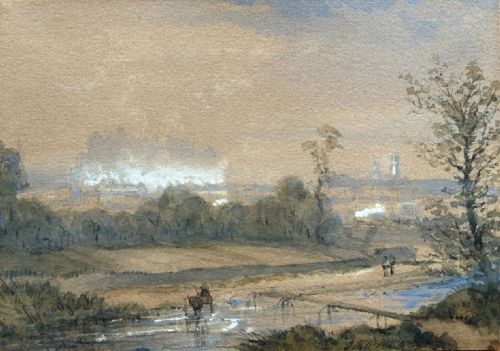
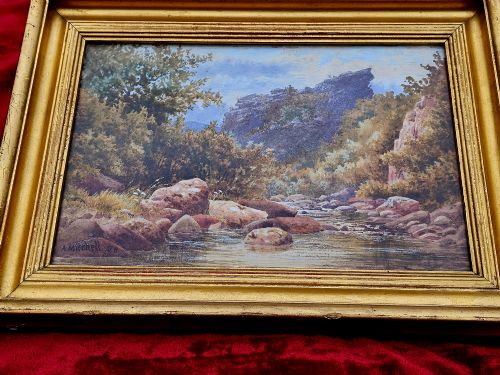
Watercolour pieces demonstrate fluid washes and precise brushwork on paper supports, frequently capturing light effects along rivers and coastal harbours. Pigments were worked onto prepared surfaces using traditional binders suited to the medium.
19th Century British Artwork Retail Price Guide 2026
Typical asking prices for 19th century british artwork among the pieces listed under this phrase on Sellingantiques today, from the lower quarter to the upper quarter. They describe what is for sale here now, not the wider market.
Listings span the 19th century and Edwardian eras, incorporating paper, canvas, oil, and watercolour materials.
Understanding Quality Variations
Quality in these artworks rests upon the artist's handling of light, perspective, and proportion within the composition. Masterly brushwork and confident draughtsmanship distinguish ambitious exhibition pieces from routine studio output.
The condition of the original paint surface or paper support heavily influences desirability. Works retaining their original pigments without extensive restoration or severe fading represent the upper tier of the selection.
William Oliver·Richard Sebastian Bond·George Fotherly Hargitt·James Orrock·Felix Stone Moscheles·Sir James Dromgole Linton·John R Prentice·Valentine T Garland·Alfred Young Nutt·Frederick Marriott·James Smetham·John Horace Hooper·A Mitchell·William Joseph Shayer Senior·John McDougal·Alfred Fontville de Breanski Jr·Edward Mills·James E Aitken·William Banks Fortescue·Stephen Samuel Lewin·John Rose Miles·Thomas W Lascelles·Mark William Langlois·David Bates·Benjamin Barker of Bath
The 19th Century British Artwork Glossary
- Oil on Canvas
- Pigments bound in a drying oil applied to a stretched woven fabric support. This technique provided durability and allowed artists to build rich textures.
- Watercolour
- A paint consisting of colorants suspended in a water-soluble binder, traditionally painted on paper. It was widely used for both rapid topographical sketches and finished exhibition pieces.
- Giltwood
- Wood carved and covered with a thin layer of gold leaf. Frames executed in this material frequently accompany nineteenth-century oil paintings.
- Victorian Social Realism
- An artistic style focusing on the everyday lives of working-class people and contemporary social conditions. These works often carry strong narrative or historical documentation.
19th Century British Artwork: Frequently Asked Questions
What subjects are common in 19th century British paintings?
Artists focused heavily on romantic landscapes, rural village scenes, coastal harbours, and domestic portraiture. Sporting art and maritime vessels also appear regularly across the period.
Many compositions reflect contemporary interests in British topography, agricultural life, and historical narratives.
How can I tell a watercolour from an oil painting?
Oil paintings utilise opaque pigments on stretched canvas or wooden panels, giving a textured and reflective surface. Watercolours use transparent washes on paper and require protection under glass.
Watercolours often display the texture of the underlying paper sheet, whereas oils show the weave of the canvas.
How do I care for antique watercolours?
Watercolours on paper are sensitive to direct sunlight and high humidity, which can cause fading and paper discolouration. They should be displayed away from direct sunbeams.
Glazing with UV-filtering glass helps protect the pigments from environmental degradation over time.