


19th Century Brass Chandelier
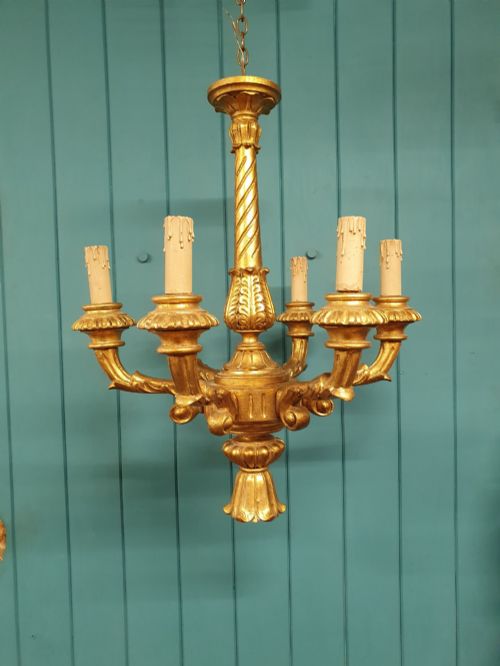
These pieces are a 19th century brass chandelier, bringing period character and warm illumination to high-ceilinged rooms.
19th Century Brass Chandelier
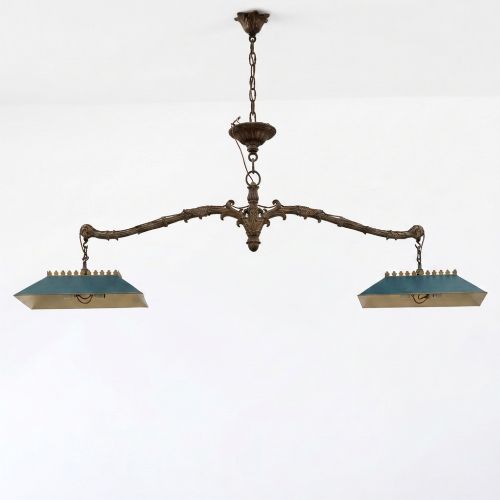
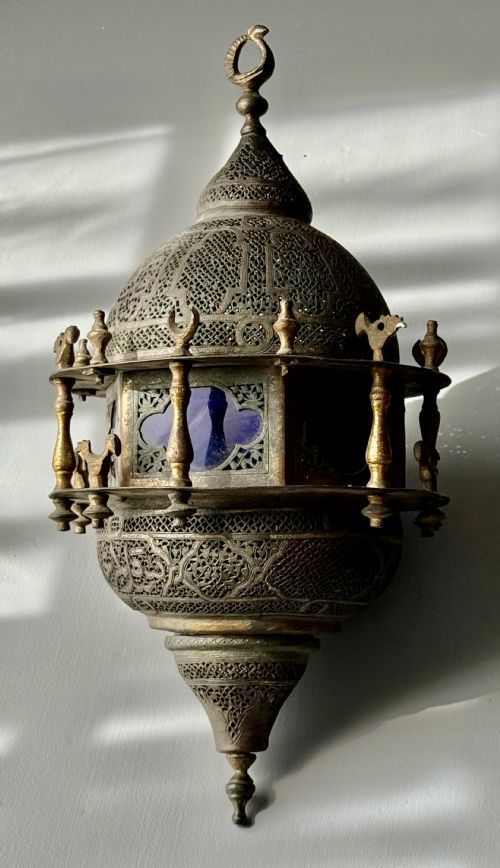
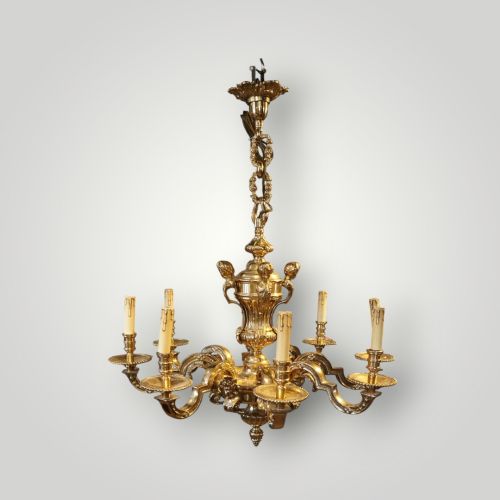
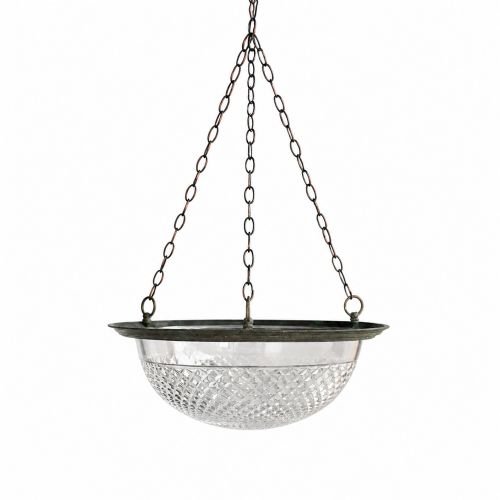
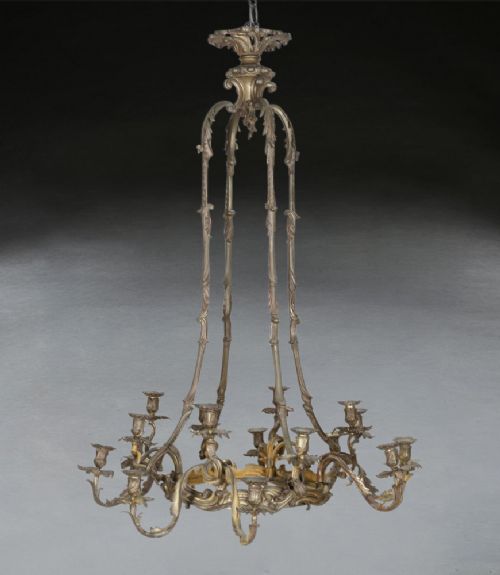
A 19th century brass chandelier encompasses a diverse range of forms, from multi-armed candelabra fixtures to specialised billiard lights and glazed hall lanterns. The pieces seen most frequently on this page originate from French and English workshops, demonstrating influences that span from the Regency and Victorian eras to exuberant Rococo and Empire revivals.
Makers utilised various formats suited to domestic spaces, including open-cage designs, tent-and-waterfall configurations, and substantial multi-light constructions. Buyers encounter simpler domestic brass fittings alongside ornate creations incorporating elaborate cast metalwork.
Materials and Techniques
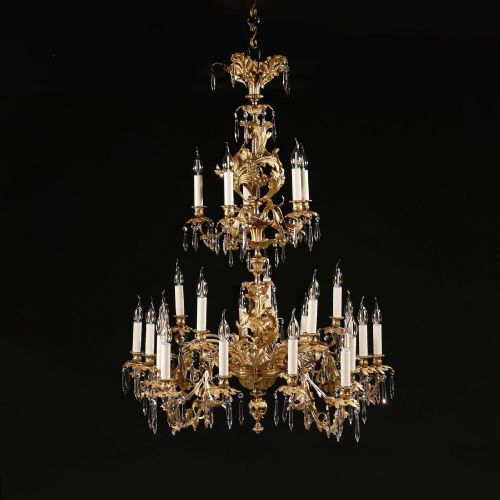
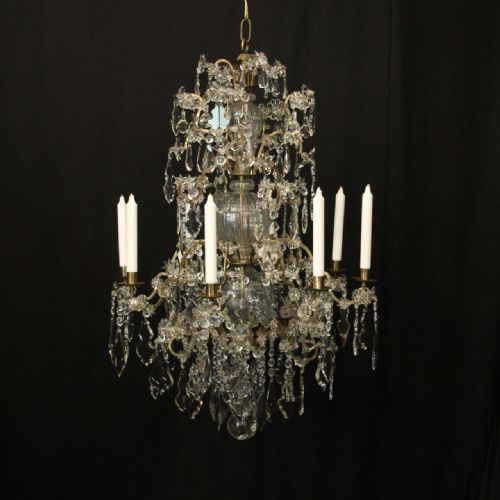
Craftsmen built these lighting fixtures primarily using cast and spun brass, often combining gilt bronze, ormolu, and gilded metal with structural frames. Many examples integrate glass elements, utilising cut glass, crystal drops, and leaded glass panels to reflect and amplify candlelight or early gas illumination.
Foundries employed intricate sand casting and chasing techniques to produce decorative motifs such as cherubs, scrolling foliage, and architectural revival details. Surface finishes ranged from polished natural metal to heavy fire-gilding and silver plating.
Cast cherubs regularly peer down from the upper rings of mid-century French chandeliers, keeping a watchful eye on the room below.
Defining Quality
Distinction across the range rests upon the crispness of the metal casting and the depth of the chased surface details. Superior examples exhibit finely articulated ornamentation where human figures, floral garlands, and structural mounts retain sharp relief rather than softened contours.
The integration of secondary components similarly dictates merit, notably the clarity and cut of associated crystal drops or the structural integrity of glazed panels. Heavier gauge metalwork and balanced arm distribution signal superior workshop production.
Joseph Wilmotte
The 19th Century Brass Chandelier Glossary
- Ormolu
- A technique of applying finely ground high-carat gold to a bronze or brass base. This mercury gilding imparts a warm, durable metallic lustre typical of high-status French lighting.
- Gasolier
- A multi-branched ceiling light originally designed and piped for town gas illumination before later conversion to electricity. These fixtures often feature hollow structural arms.
- Plafonnier
- A shallow or flat-bottomed ceiling light fitting designed to sit close to the ceiling plane. Such fixtures frequently combine pierced brass frames with glass panels.
- Tent and Waterfall
- A specific configuration of crystal drops where strings of beads form a conical tent shape above a cascading arrangement of pendants. This design maximises light refraction.
- Billiard Light
- An elongated multi-light fixture specifically engineered to illuminate gaming tables evenly. These typically feature extended brass or bronze linear frames.
19th Century Brass Chandelier: Frequently Asked Questions
How are these lights wired?
Most surviving fixtures have undergone conversion from candles or gas to modern electrical standards. Wiring is typically routed through the central hollow core and arms to conceal the cables.
Buyers should inspect the internal channels and consult a qualified electrician to ensure compatibility with contemporary safety regulations and ceiling weight capacities.
How do I identify French styles?
French pieces often display distinct revival characteristics, incorporating Louis XV Rococo asymmetry or formal Louis XVI neoclassical symmetry. Gilded bronze, crystal cages, and figural mounts like cherubs strongly point to French manufacture.
English counterparts generally favour heavier cast brass structures with simpler Gothic or classical proportions.
Can I clean the crystal drops?
Crystal elements and glass panes can be carefully washed using lukewarm water and a mild detergent solution. Each pendant should be removed individually to prevent structural strain on the wire pins.
Allowing components to dry completely before reattachment ensures maximum brilliance and prevents moisture retention in the surrounding metal mounts.