
19th Century Bowl
When you search for a 19th century bowl, you enter a diverse world of porcelain, metal and earthenware designed for display or practical service.
19th Century Bowl
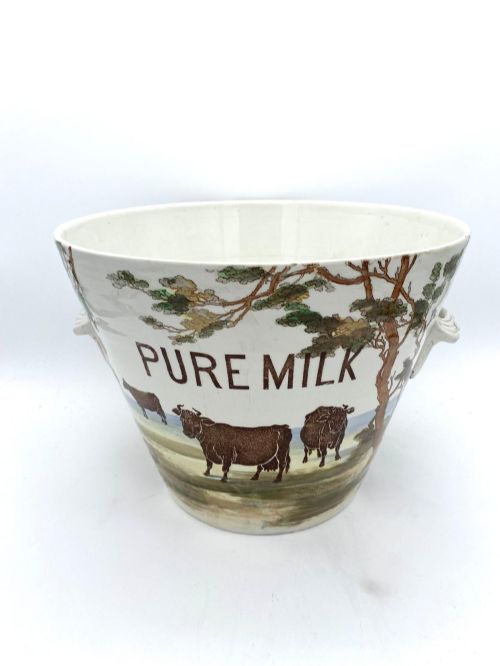
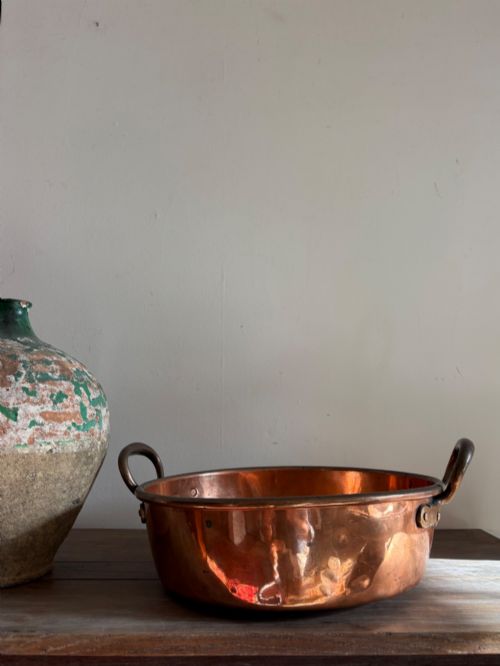
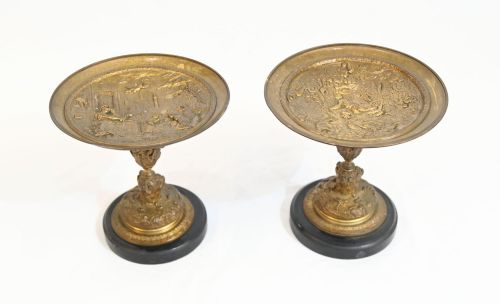
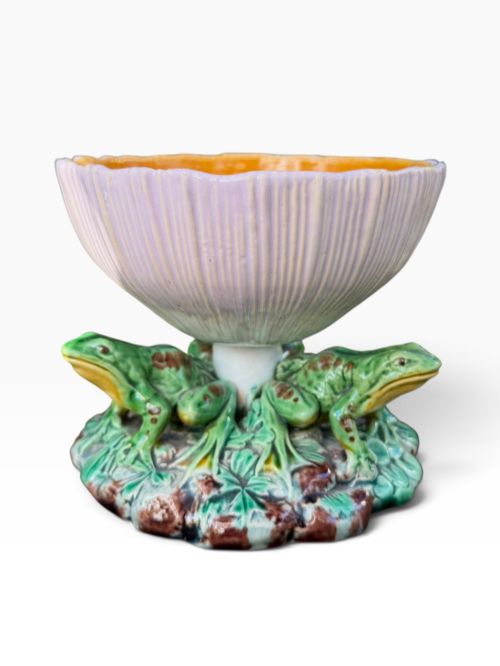
A 19th century bowl encompasses a wide array of domestic and decorative vessels, ranging from large copper kitchen pans and dairy crocks to delicate porcelain tazzas and Chinese export porcelain. The selection on this page bridges utilitarian kitchenware and ornate drawing-room centrepieces.
Buyers will encounter formal Victorian porcelain, Chinese Qing dynasty ceramics, and grand tour marble or bronze pieces designed to catch the eye. Forms stretch from simple earthenware dairy bowls to elaborate gilt bronze and crystal table garnitures.
Origins vary widely across British factories, continental workshops, and Asian kilns, reflecting the global trade and domestic pursuits of the period.
Materials and techniques
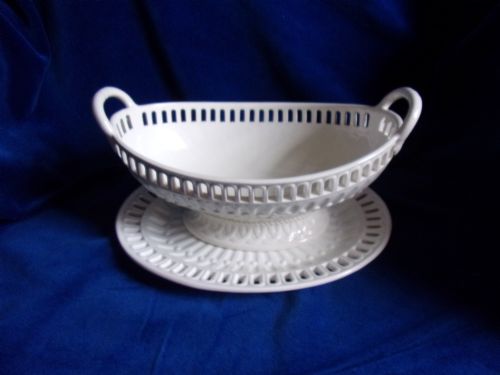
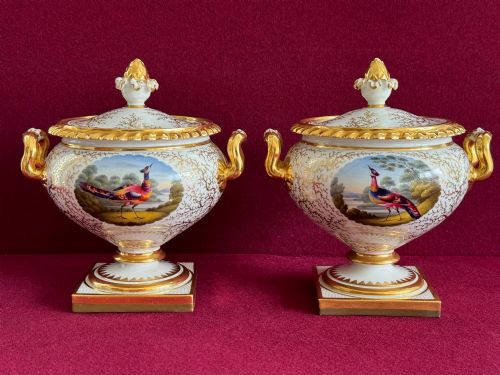
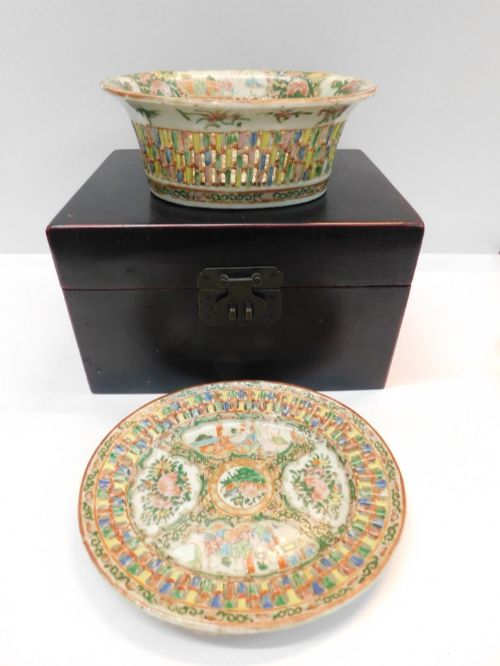
Ceramic pieces rely on traditional potting methods, earthenware bodies, bone china, and porcelain pastes, often finished with hand-painted enamels, flow blue transfers, or intricate pierced reticulation. Glazes range from high-gloss transparent coverings to rich coloured grounds.
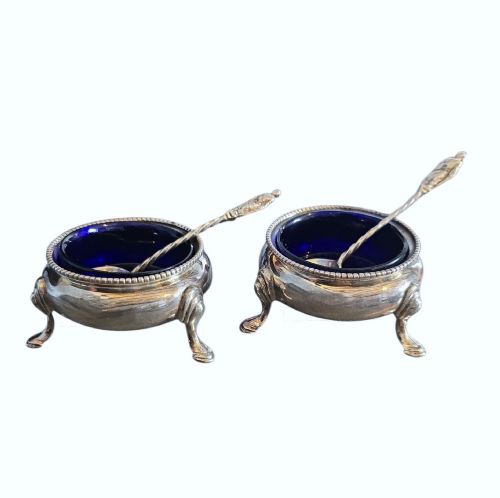
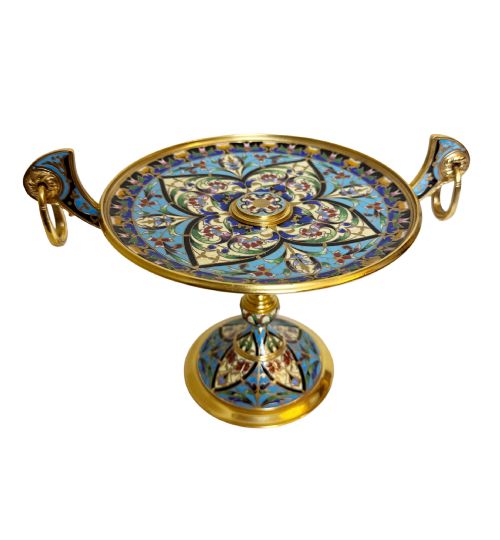
Metal vessels utilise heavy-gauge copper with brass handles, cast iron, spun brass, or gilt bronze and ormolu paired with marble bases. Silversmiths and bronze workers employed casting, chasing, and champlevé enamel techniques to achieve sculptural depth.
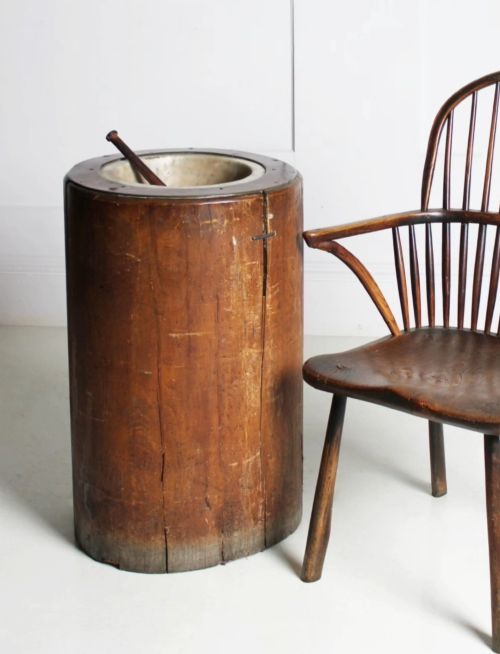
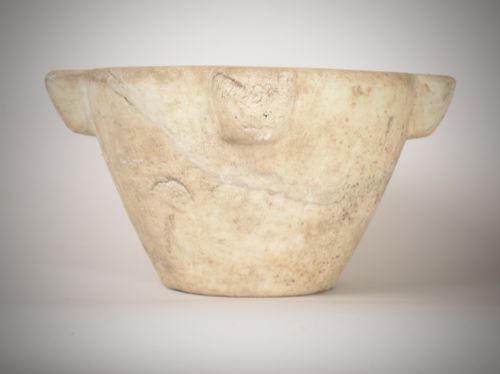
Heavy floor-standing pestles and mortars stand ready for Victorian apothecaries who misplaced their arm strength.
Evaluating the standard
Quality rests on the crispness of the modelling, the precision of hand-painted or enamelled detail, and the integrity of the materials. Fine porcelain exhibits smooth glazes and delicate painting without blurring, while metalwork demonstrates clean casting lines and secure joinery.
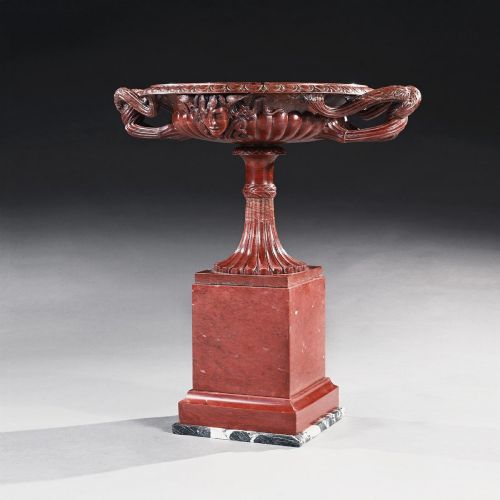
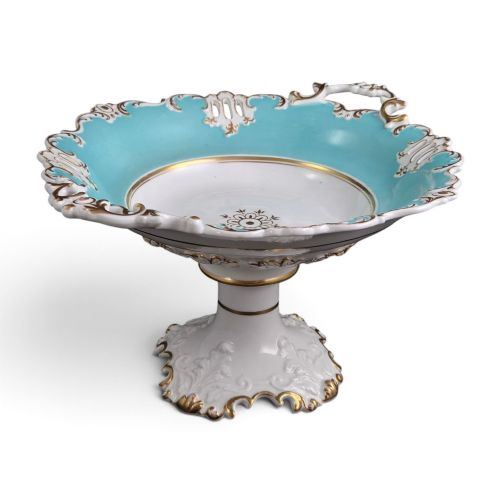
The sophistication of the design, such as the sculptural ambition of a Rococo revival tazza or the weight and purity of a Rosso Antico marble base, elevates certain pieces above standard production wares.
Barr & Barr·Flight, Barr & Barr·Duesbury & Kean·Coalport·Minton·Seaton Pottery·Meissen·Wedgewood
The 19th Century Bowl Glossary
- Tazza
- A shallow bowl or dish mounted on a stem and foot, typically used for displaying fruit or sweetmeats. This form originates from Renaissance plateware and gained renewed popularity during the Victorian era.
- Centrepiece
- A large, decorative table ornament placed in the middle of a dining table or sideboard. These often combine cut crystal glass with gilt bronze or silver plating.
- Champlevé
- An enamelling technique where troughs or cells are sunk into the surface of a metal object and filled with vitreous enamel powder before firing. The resulting surface shows colourful patterns bounded by raised metal lines.
- Flow blue
- A cobalt blue transfer printing style that intentionally allowed the colour to blur slightly during the kiln firing. This created a soft, hazy aesthetic highly fashionable in mid-century British earthenware.
- Reticulated
- Openwork or net-like decoration carved or pierced through ceramic walls before firing. This technique requires considerable skill to prevent warping in the kiln.
19th Century Bowl: Frequently Asked Questions
How were these bowls used originally?
Many metal and earthenware bowls served practical domestic roles in dairies, kitchens, and washrooms for preserving food or holding water.
Finer porcelain and bronze examples functioned purely as decorative centrepieces, fruit dishes, or display items in formal reception rooms.
Are these pieces suitable for daily use?
Utilitarian kitchenware and heavy earthenware crocks remain robust enough for gentle modern service, though antique glazes warrant careful hand washing.
Delicate porcelain tazzas, enamel pieces, and gilt bronze items are best reserved for display to protect their fragile surfaces and gilding.
How do I distinguish regional ceramic styles?
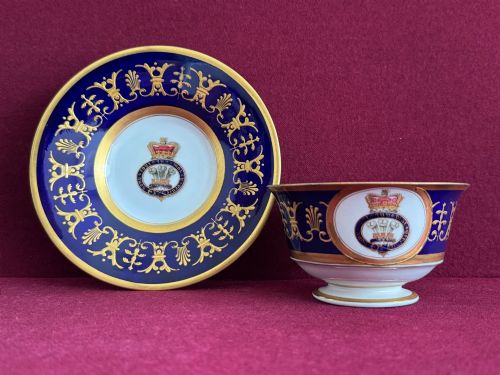
British factories like Minton and Coalport often utilised bone china with rich cobalt grounds or flow blue patterns reflecting revival styles.
Chinese export pieces, such as Famille Rose or Canton wares, feature distinct hand-painted palettes and intricate motifs tied to the Qing dynasty.
What defines Grand Tour decorative items?
Grand tour pieces were souvenirs acquired by wealthy travellers visiting classical sites in Italy during the nineteenth century.
They typically feature carved alabaster or Rosso Antico marble modelled after ancient architectural fragments and antiquities.