



19th Century Bottle
A 19th century bottle delivers practical utility and decorative charm through diverse glass, porcelain, and stoneware forms.
19th Century Bottle
When buyers search for a 19th century bottle, they encounter a broad category that spans scent and perfume bottles, decanters, apothecary jars, and snuff bottles. These objects represent the domestic, medicinal, and personal storage needs of the Victorian, Regency, and Georgian periods.
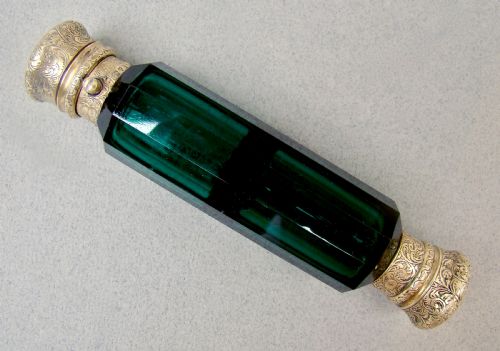
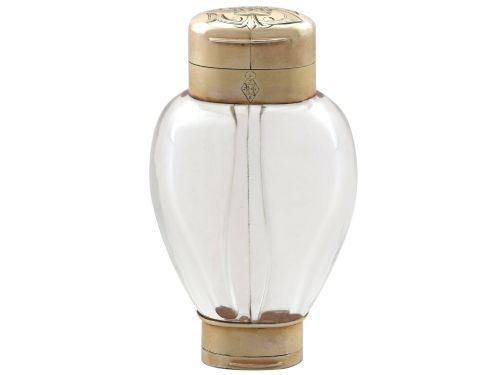
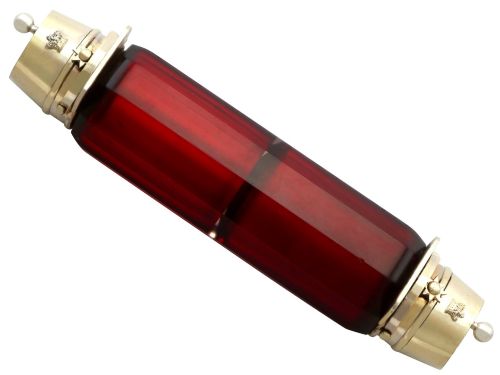
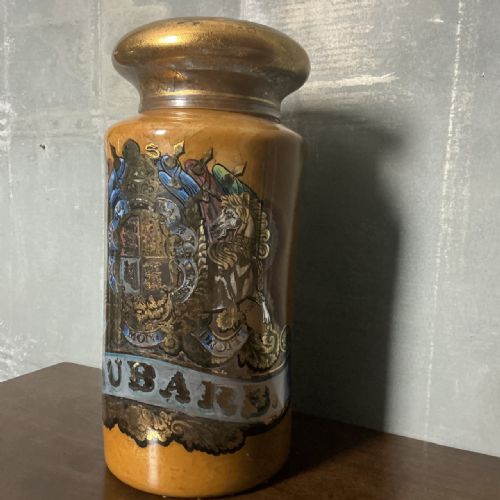
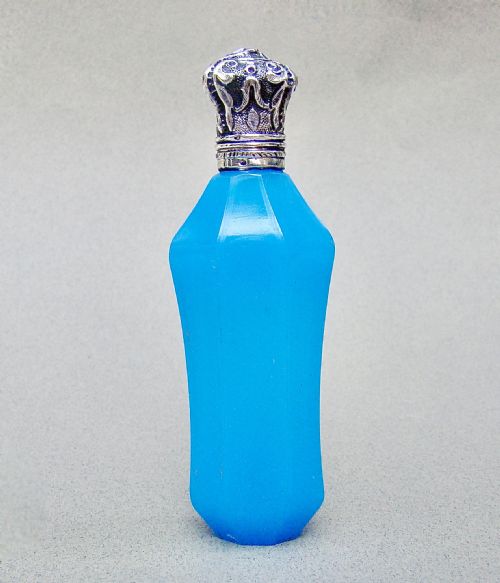
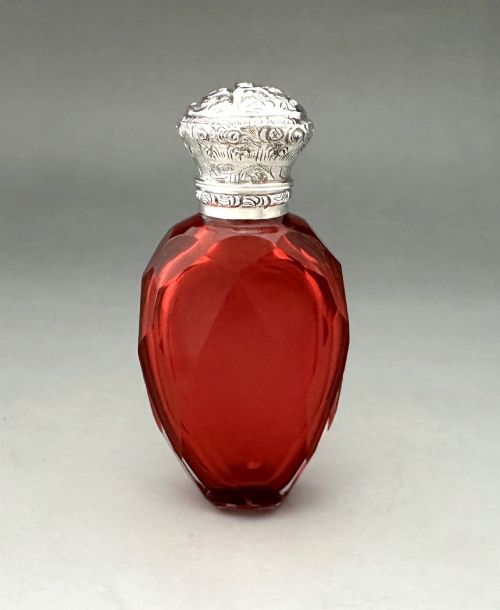
The most common examples on this page are glass scent bottles and larger apothecary jars, frequently originating from English and French workshops. These vessels often feature fitted stoppers, hinged metal mounts, or hand-painted details characteristic of their respective decades.
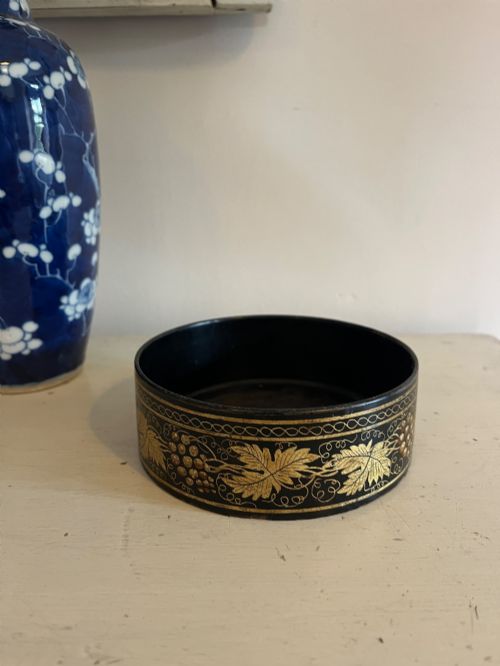
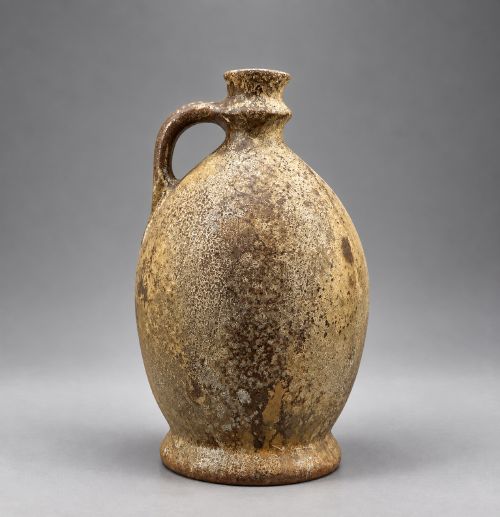
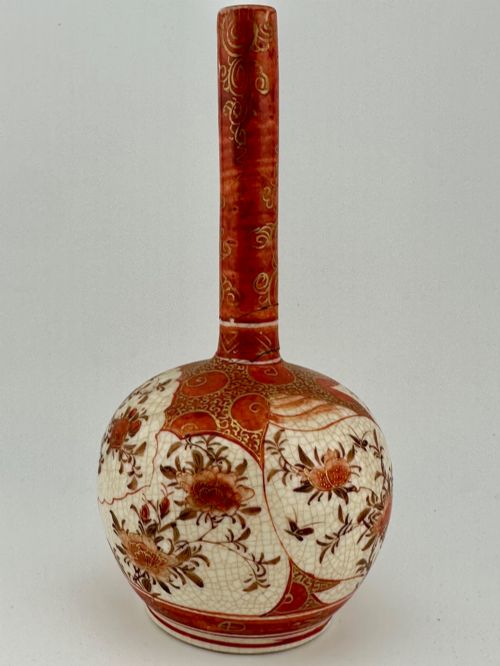
Beyond portable scent flasks, the category includes utilitarian stoneware flagons, ceramic snuff bottles, and large decorative vases shaped as long-necked bottles. Each form reflects the specific material culture and manufacturing capacities of the 1800s.
Materials and methods
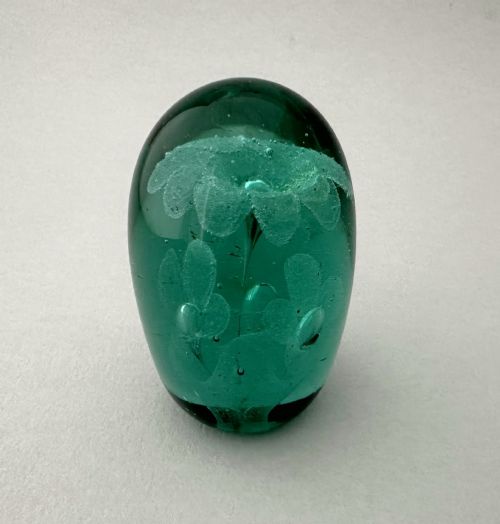
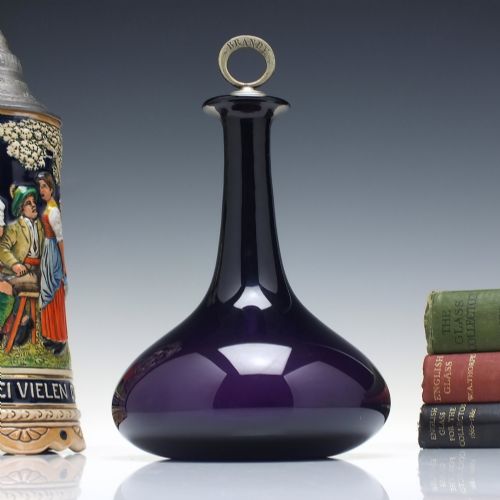
Makers relied primarily on blown and moulded glass, often utilising coloured metals like Bristol green, ruby, amethyst, and turquoise opaline to achieve striking visual depth. Stoneware and porcelain were similarly shaped and fired, occasionally enhanced with hand-painted floral or figural motifs.
Metalwork played a structural and decorative role, with silver, silver gilt, and ormolu applied as hinged caps, chatelaine mounts, or protective collars. Gold leafing and etched patterns further decorated the surfaces of French and English luxury pieces.
19th Century Bottle Retail Price Guide 2026
Typical asking prices for 19th century bottle among the pieces listed under this phrase on Sellingantiques today, from the lower quarter to the upper quarter. They describe what is for sale here now, not the wider market.
Napoleon's profile once found its way into a crystal scent bottle, keeping an emperor close at hand.
Evaluating craftsmanship
Quality separates routine utilitarian vessels from bespoke luxury items through the precision of the glassblowing and the intricacy of the secondary mounts. Fine silver-gilt work, detailed hand-painting, and the presence of an original matching stopper elevate an individual piece.
The choice of materials dictates the upper tier of the range, where precious metals, scarce coloured glass varieties, and recognised porcelain bodies intersect. Superior items demonstrate seamless integration between the glass body and its metal hardware.
Sampson Mordan·Jacob Petit·Sitzendorf
The 19th Century Bottle Glossary
- Scent Bottle
- A small portable container designed to hold liquid perfume, frequently fitted with a screw cap or hinged stopper. Many examples incorporate glass or precious metal bodies.
- Apothecary Jar
- A large storage vessel utilised by chemists and pharmacists to hold medicines or dry ingredients. These often feature hand-painted or etched labels and matching covers.
- Vinaigrette
- A small hinged box containing a perforated grill, designed to hold a sponge soaked in aromatic vinegar. These are often mounted inside scent bottles or carried alongside them.
- Silver Gilt
- Silver that has been coated with a thin layer of gold on its surface. This technique provided the richness of solid gold while maintaining structural stability.
- Ormolu
- Gilded bronze or brass used for decorative mounts and hardware on French glass and porcelain. It added an ornate metallic trim to luxury items.
19th Century Bottle: Frequently Asked Questions
How were scent bottles used?
Scent bottles held liquid perfumes or smelling salts used for personal freshening or reviving individuals during periods of faintness in crowded rooms.
Ladies carried them in pockets, reticules, or attached them to chatelaines hanging from the waist for immediate access.
What held apothecary jars?
Apothecary jars sat on wooden dispensary shelves or shop counters within chemist's shops to store dry drugs, herbs, and medicinal preparations.
Larger carboys and jars also stood in shop windows as illuminated trade signs to attract passing customers.
How do I date a glass bottle?
Dating relies on observing manufacturing marks, pontil scars on the base, stylistic traits of the metal mounts, and the specific colour palette popular in periods like the Regency or Victorian eras.
Matching stoppers and documented maker marks further narrow down the decade of production.
How should I display glass bottles?
Displaying these vessels benefits from placement near natural light sources that illuminate the rich colours of ruby, green, and turquoise glass.
Securing stable shelf space away from high-traffic edges ensures the safety of delicate stoppers and protruding metal mounts.