




19th Century Book Rack
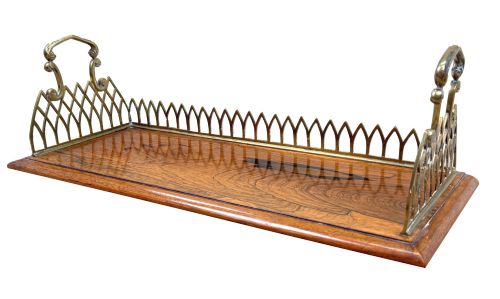
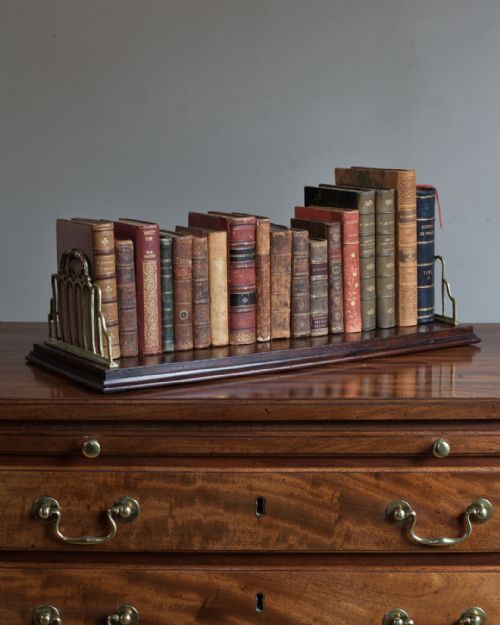
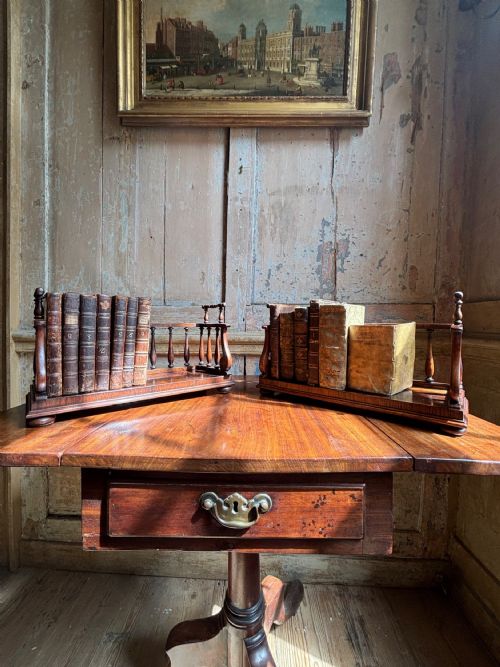
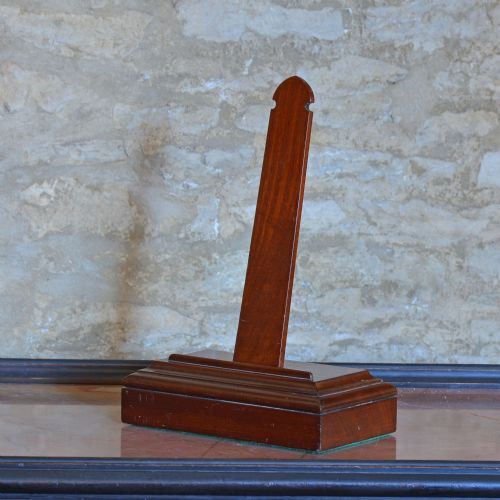
A 19th century book rack keeps volumes tidy upon a desk or shelf with sliding wooden ends and metal mounts.
19th Century Book Rack
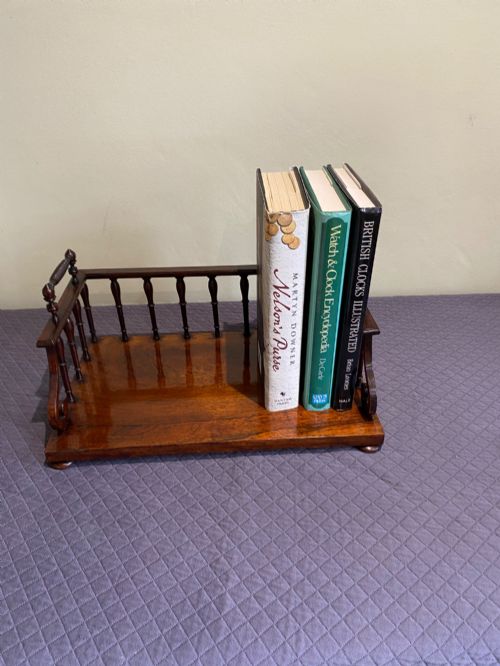
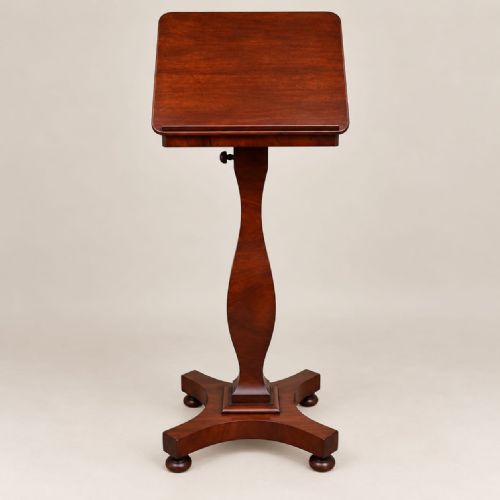
A 19th century book rack encompasses portable wooden book slides, expanding desktop stands, and small shelf units designed to keep volumes upright and close to hand. These pieces serve domestic libraries and studies, taking forms that range from simple expanding troughs to elaborate carved stands.
The versions most commonly met on this page include extending desk slides fitted with brass mechanisms, alongside compact tabletop and portable shelves. Materials span rich timbers like rosewood, mahogany, and oak, often paired with brass or ormolu mounts to secure the ends.
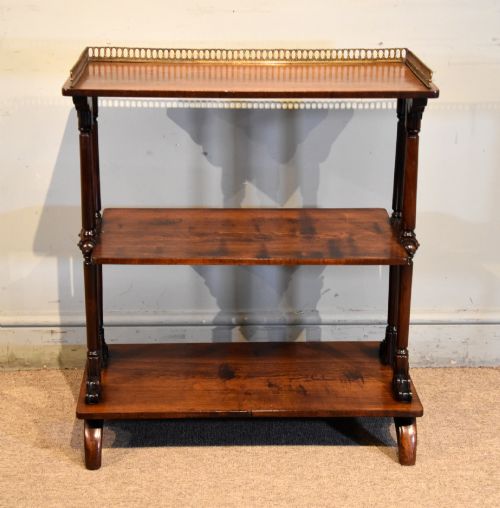
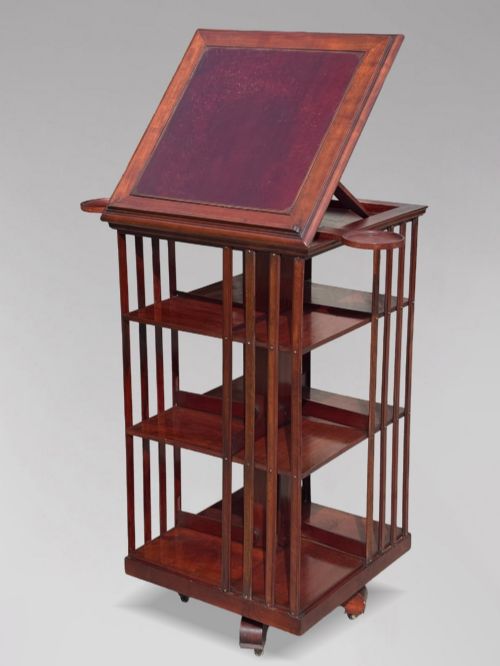
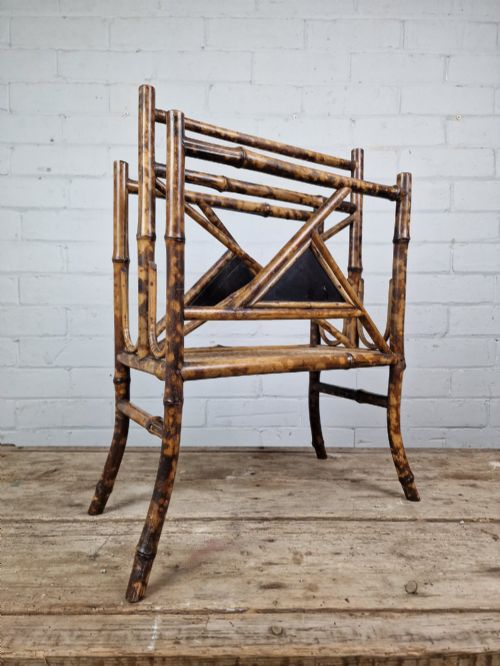
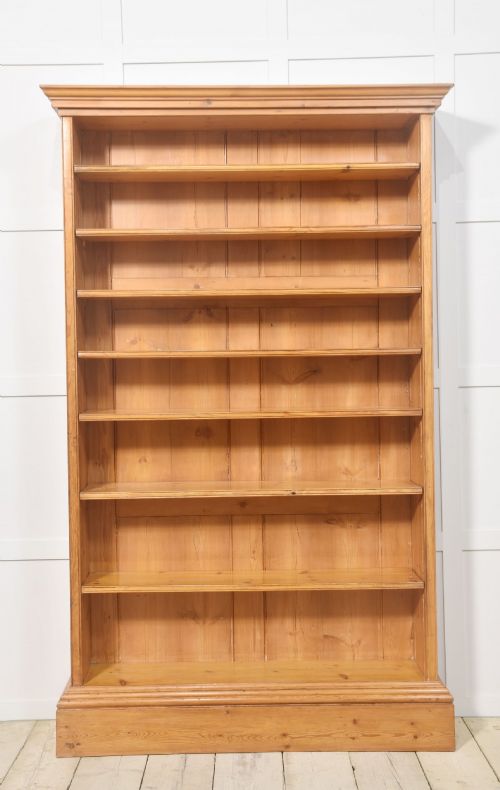
Beyond standard desktop slides, the selection includes tiered waterfalls, bamboo magazine racks, and Gothic Revival oak designs. Each piece reflects the functional needs of Victorian and Regency readers who required adaptable storage for growing collections.
How they were made
Cabinet makers utilised dense hardwoods such as mahogany, rosewood, oak, and walnut, selecting them for structural stability and fine grain figure. Pine and beech appear in simpler or concealed components, while exotic materials like bamboo and lacquered surfaces feature in specific aesthetic pieces.
Construction relies on precise joinery to house extending mechanisms, sliding actions, and folding supports. Brass and ormolu mounts are frequently integrated to strengthen joints and protect corners, while decorative techniques include Tunbridge ware inlay, hand-painted details, and deep relief carving.
19th Century Book Rack Retail Price Guide 2026
Typical asking prices for 19th century book rack among the pieces listed under this phrase on Sellingantiques today, from the lower quarter to the upper quarter. They describe what is for sale here now, not the wider market.
Listings feature portable bookshelves, expanding slides, and tabletop tiers constructed from mahogany, rosewood, oak, and bamboo across the nineteenth century.
What varies in quality
Quality rests upon the selection of timber figures, the precision of the joinery, and the execution of carved or inlaid decoration. Dense, highly figured rosewood and mahogany set a different standard from utilitarian pine or beech, showing deeper polish and greater resistance to warping.
The sophistication of the extending mechanism distinguishes standard utility items from finer workshop productions. Smoothly operating brass actions, crisp Tunbridge ware mosaics, and substantial ormolu mounts indicate superior craftsmanship and higher status original commission.
Gillows·Tiffany and Co
The 19th Century Book Rack Glossary
- Book slide
- An adjustable desktop rack featuring expanding sides to hold a varying number of volumes securely between upright ends. These often incorporate brass action bars or scissor mechanisms underneath.
- Tunbridge ware
- Woodworking craft involving mosaic patterns assembled from thousands of tiny tinted wood squares to create pictorial or geometric designs. This technique decorates specialist surfaces and boxes.
- Gothic Revival
- Architectural and decorative style drawing inspiration from medieval forms, prevalent during the Victorian era. Pieces in this style feature pointed arches, quatrefoils, and heavy carved oak.
- Canterbury
- A low piece of furniture fitted with upright divisions for holding sheet music, magazines, or books. They frequently incorporate lower drawers and small castors for mobility.
- Whatnot
- An open set of freestanding shelves supported by slender pillars used for displaying ornaments and books. They emerged in the Regency period and remained popular through the Victorian age.
19th Century Book Rack: Frequently Asked Questions
How do extending book racks work?
Extending book racks utilise a central wooden channel or concealed metal runners that allow the two end pieces to slide outward or inward. This mechanism lets the user adjust the length of the trough to accommodate a smaller or larger row of books.
Finer examples feature smooth brass scissor actions or tracks that maintain parallel alignment as the rack expands. The weight of the books often helps anchor the sliding ends in place once positioned.
Were these racks meant for desks or shelves?
Most 19th century book racks were built specifically for desktop use, keeping reference volumes, ledgers, or current reading material within arm's reach. Portable bookshelves and small tabletop slides allowed users to transport a selection of texts between rooms easily.
Larger variations took the form of waterfall bookcases, countertop tiers, and low display shelves designed to sit permanently against walls or upon side tables. Their scale remained domestic and compact rather than architectural.
What woods were commonly used?
Makers relied heavily on durable hardwoods like mahogany, rosewood, and oak to withstand the daily weight and friction of holding books. Walnut and coromandel appear in more decorative or high-status pieces intended for prominent display in libraries and studies.
Secondary timbers such as pine and beech form internal structures, drawer linings, or sliding bases. Exotic materials like bamboo and lacquered wood emerge specifically within late-century Aesthetic and Japanned items.
How do I date a 19th century book rack?
Dating relies on observing stylistic markers, construction methods, and prevailing material preferences across the century. Regency and William IV pieces often display rich rosewood with classic brass inlay, while mid-century examples lean toward robust oak with Gothic architectural motifs.
Later Victorian pieces from the 1880s onward frequently introduce bamboo, Aesthetic Movement painting, or specialised mechanics like extendable Black Forest carvings. Examining the interior secondary woods and fixing screws provides further clues to the manufacturing decade.