






Small Wooden Book Trough
A small wooden book trough keeps volumes close at hand on a desk or table, combining practical storage with handsome timber grain.
Small Wooden Book Trough
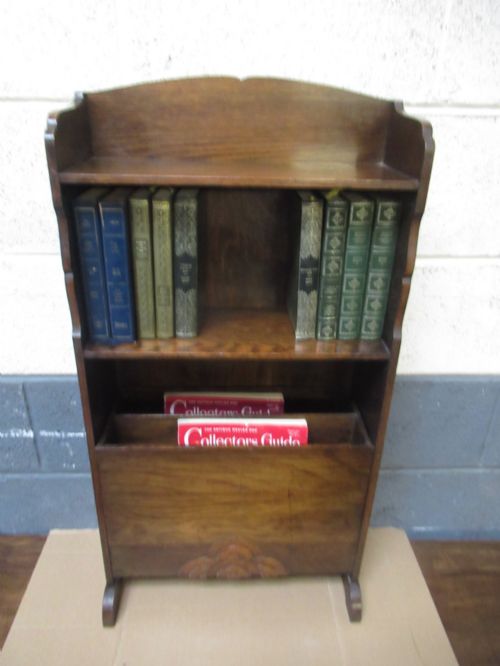
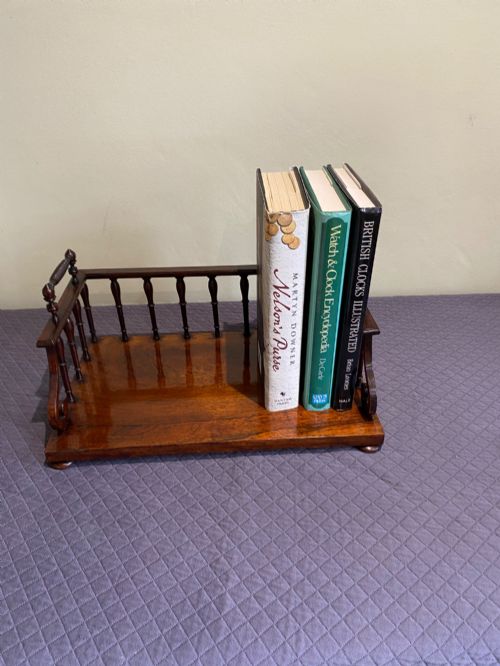
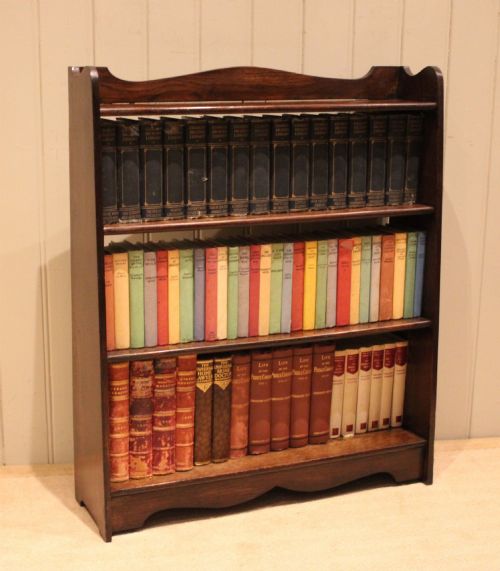
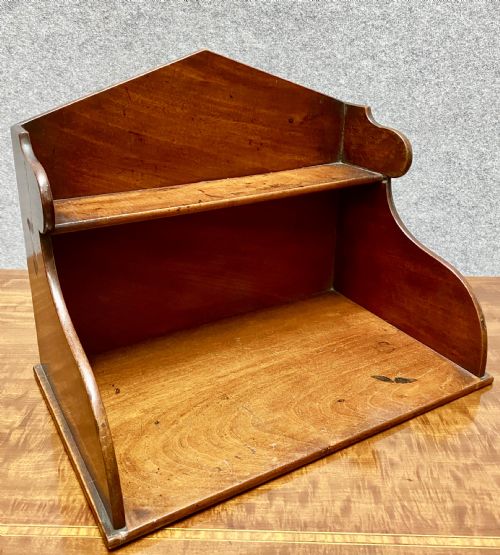
A small wooden book trough is a compact desk accessory or tabletop bookstand designed to hold a selection of volumes upright within easy reach. The pieces collected here span the nineteenth and twentieth centuries, taking forms such as open angled bookcases, desk tidies, and tabletop troughs.
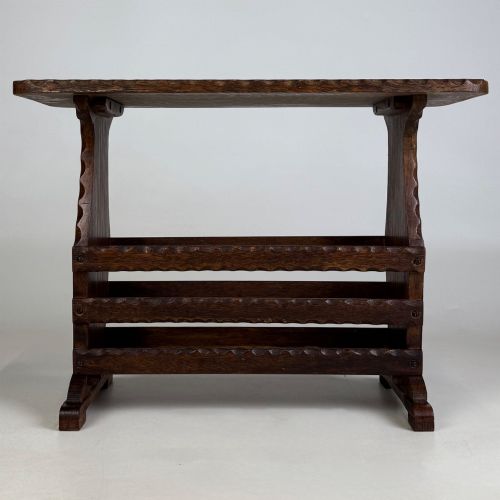
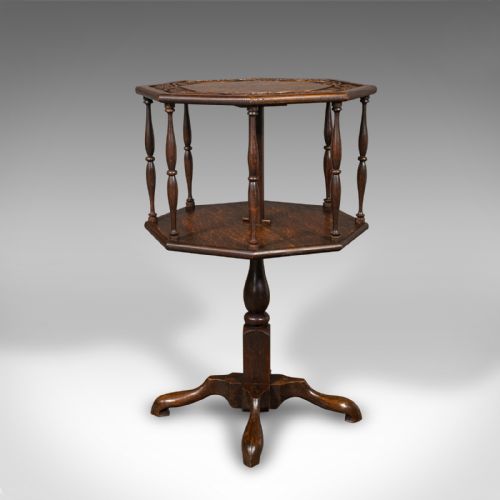
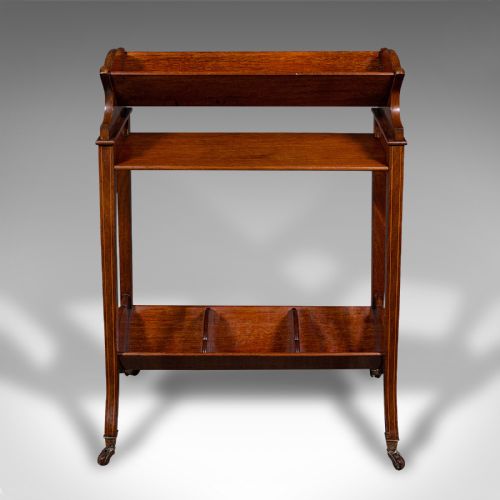
You are most likely to encounter Edwardian and Victorian examples in mahogany or oak, alongside later Art Deco and 1930s variations. Some items integrate additional functions, appearing as occasional tables or side tables with built-in lower shelves for magazines and books.
Makers and cabinetmakers produced these stands in various distinctive regional styles, from plain Arts and Crafts oak to finely inlaid Edwardian mahogany. Each piece reflects the interior habits of its period, whether designed for a grand Regency library or a modest twentieth-century study.
How they were made
Cabinetmakers constructed these troughs using solid timbers and decorative veneers, selecting mahogany, oak, rosewood, and satinwood for their strength and grain. Timber selection dictated the character of the piece, with rich dark mahogany and golden oak dominating the surviving examples.
Detailing often included contrasting inlay work to enhance the surfaces of Edwardian and Victorian pieces. Brass fittings occasionally appear on desk tidies, while leatherette, paper, and cloth line or accompany certain miniature sets and associated bookstands.
Small Wooden Book Trough Retail Price Guide 2026
Typical asking prices for small wooden book trough among the pieces listed under this phrase on Sellingantiques today, from the lower quarter to the upper quarter. They describe what is for sale here now, not the wider market.
Some book troughs double as miniature libraries, housing complete Shakespearean works small enough to fit inside a pocket.
What varies in quality
The standard of a small wooden book trough rests upon the selection of the timber and the crispness of its joinery. Superior examples display carefully matched grain patterns across the visible surfaces and tight, enduring joints that support the weight of heavy volumes.
Decorative restraint and proportion separate finer items from simpler utilitarian boxes. Subtle inlaid detailing or well-turned gallery rails elevate an ordinary desk accessory into a piece of considered cabinet work.
The Small Wooden Book Trough Glossary
- Book trough
- A portable open receptacle designed to hold books in a vertical or slanted position on a desk, table, or shelf. These items keep active volumes tidy and upright without the need for heavy bookends.
- Inlay
- A decorative technique where contrasting woods or other materials are set flush into the surface of the primary timber. Edwardian cabinetmakers frequently utilised this method to create fine border lines and floral motifs.
- Occasional table
- A small, light table intended to be moved about a room as needed, often incorporating a lower shelf or rack for books. They bridge the gap between functional furniture and display stands.
- Desk tidy
- A compartmentalised tabletop accessory designed to organise writing implements, papers, and small reference books. They offer a compact solution for desktop organisation in studies and libraries.
- Arts and Crafts
- A design movement valuing honest construction, visible joinery, and the natural qualities of materials over mass-produced ornamentation. Pieces from this tradition favour plain oak and sturdy proportions.
Small Wooden Book Trough: Frequently Asked Questions
Where should I place a book trough?
These compact stands sit comfortably on sturdy desks, side tables, or wide windowsills where you keep current reading material. Their small footprint allows them to fit easily into corners or onto mantelpieces without dominating the room.
Ensure the surface is level and capable of supporting the combined weight of the timber trough and your chosen volumes. Keeping them out of direct sunlight prevents the polish and timber from drying out over time.
How do I care for wooden book stands?
Dust the timber regularly with a soft, dry cloth to prevent grit from settling into the grain and carved details. Avoid commercial liquid polishes containing heavy silicones, which can build up a hazy film on older polished surfaces.
Feed dry hardwoods occasionally with a traditional beeswax paste applied sparingly and buffed to a soft sheen. This preserves the natural lustre of mahogany and oak without softening the finish.
How do I identify an Edwardian book trough?
Edwardian pieces often display lighter mahogany timbers, sometimes enhanced with delicate satinwood stringing or inlaid patera motifs. The overall aesthetic leans towards refined domestic comfort rather than heavy Victorian solemnity.
Look for clean lines and slightly tapered forms that reflect the furniture fashions current around the turn of the twentieth century. Construction techniques from this era generally show neat machine-assisted joinery alongside traditional hand-finishing.