

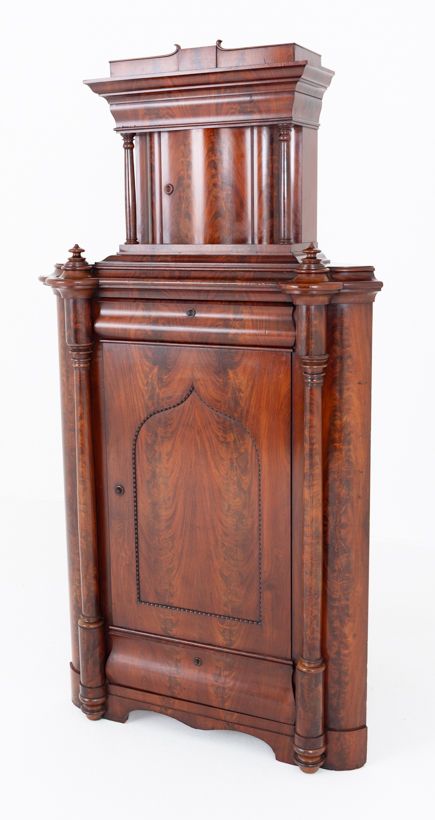


19th Century Biedermeier Furniture
These 19th century biedermeier furniture pieces bring practical utility and warm timber grains to a room, focusing on clean lines and figured veneers.
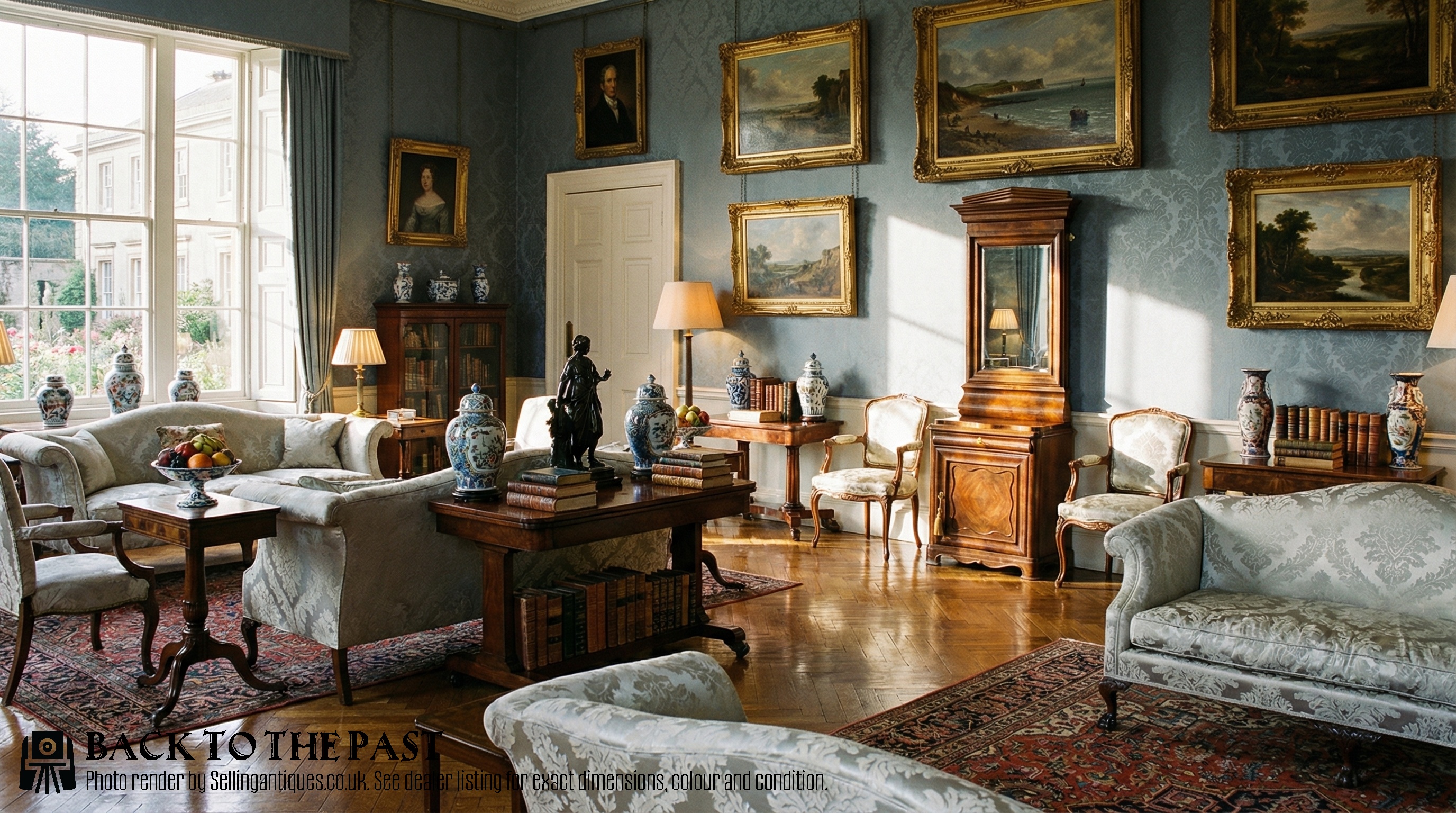
19th Century Biedermeier Furniture
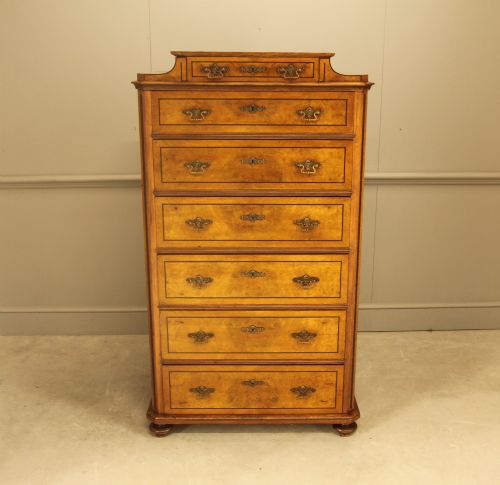
When people search for 19th century biedermeier furniture, they encounter a range of functional items designed for domestic use during the nineteenth century. These pieces originate largely from Scandinavian workshops, with Swedish examples appearing frequently across the selection.
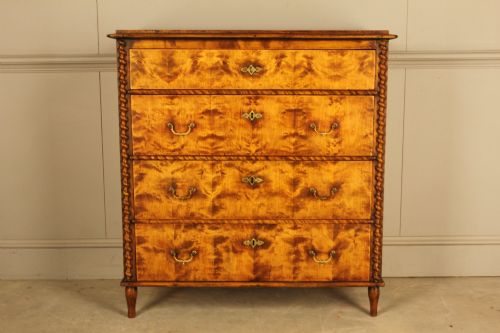
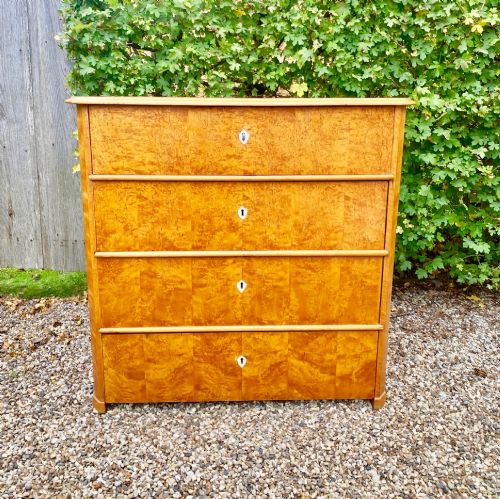
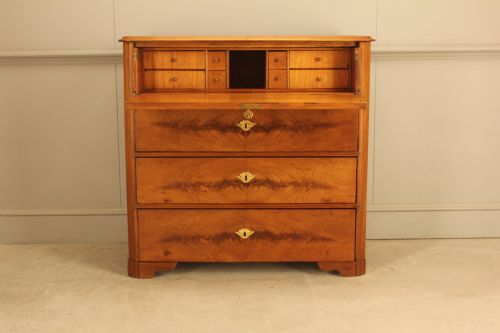
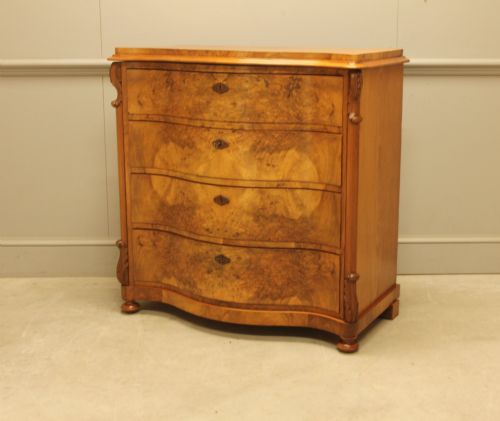
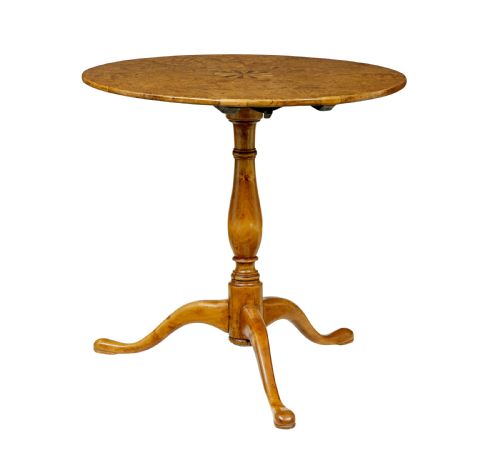
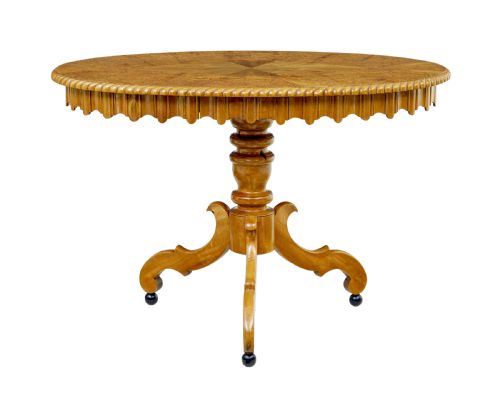
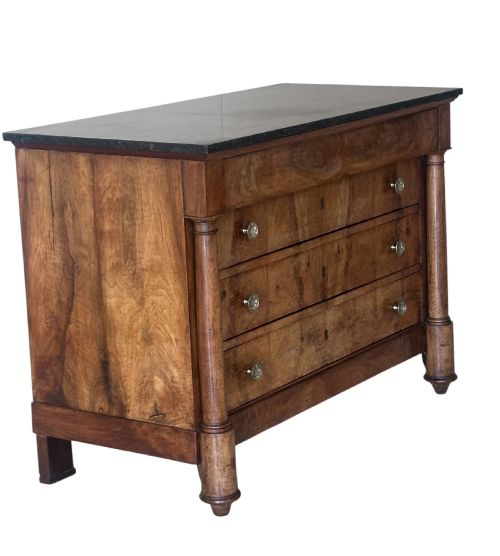
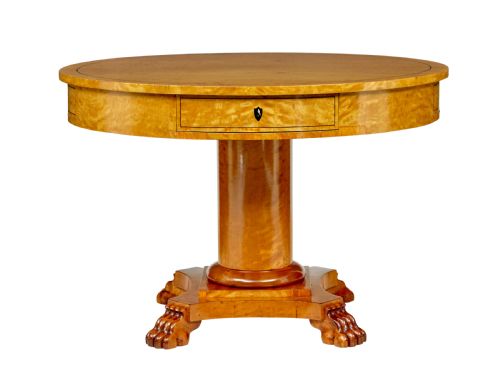
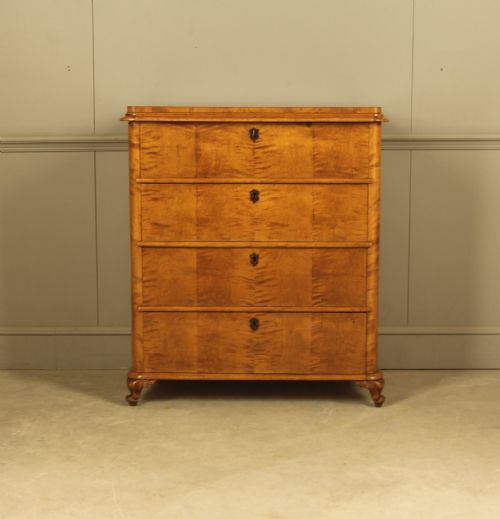
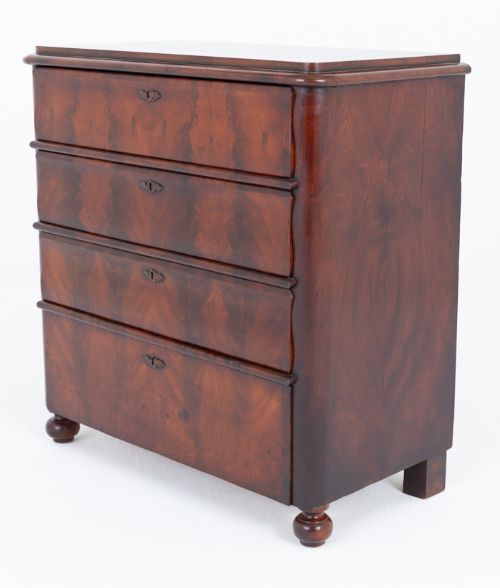
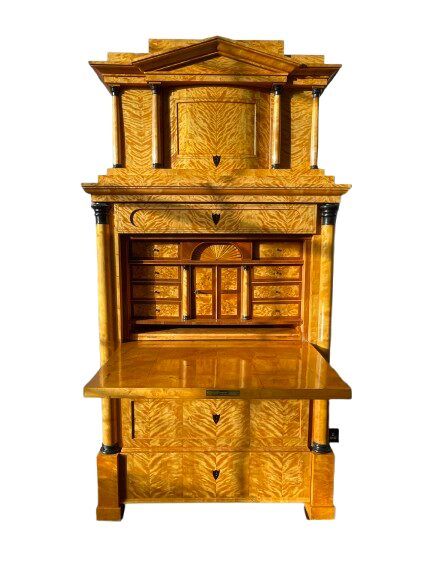
The dominant forms on this page include chests of drawers, commodes, and secretaires alongside various occasional, centre, and sofa tables. Cabinet pieces and side tables complete the selection, reflecting the domestic needs of the period through straightforward storage and display surfaces.
What Varies in Quality
The standard of a piece rests heavily on the choice and matching of timber veneers, where intensely figured burr or flame birch commands attention through its visual depth. Superior examples display careful grain alignment across drawer fronts and smooth, balanced proportions.
Construction integrity and the restraint of the design differentiate individual items. Pieces that maintain clean architectural lines without excessive embellishment reflect the core aesthetic of the style more successfully than heavier adaptations.
19th Century Biedermeier Furniture Retail Price Guide 2026
Typical asking prices for 19th century biedermeier furniture among the pieces listed under this phrase on Sellingantiques today, from the lower quarter to the upper quarter. They describe what is for sale here now, not the wider market.
Form categories span from large secretaire chests down to small tripod occasional tables and sewing boxes.
The 19th Century Biedermeier Furniture Glossary
- Biedermeier
- A central European style spanning the nineteenth century that prioritises utility, comfort, and clean architectural lines. It developed largely in German-speaking regions before influencing Scandinavian cabinet making.
- Burr Birch
- A timber harvested from birch tree growths that yields intricate, swirling grain patterns. Cabinet makers prized this wood for decorative veneering on drawer fronts and table tops.
- Secretaire
- A cabinet or chest incorporating a fitted writing drawer with a drop-down flap. This form provided concealed desk space alongside standard chest storage.
- Commode
- A low chest of drawers or cabinet designed for domestic storage. French and Scandinavian examples from this period often feature shaped fronts and rich timber veneers.
- Ormolu
- Gilded bronze used for decorative mounts, handles, and feet on furniture. It provides metallic contrast against dark or figured wood surfaces.
19th Century Biedermeier Furniture: Frequently Asked Questions
What is 19th century biedermeier furniture?
These items comprise practical domestic furnishings produced during the nineteenth century, characterised by restrained neoclassical lines and decorative wood veneers. They include chests of drawers, secretaires, and tables.
The style originated in central Europe and gained significant popularity across Scandinavia, resulting in the prevalent use of native birch timbers.
How do I identify Swedish pieces?
Swedish examples frequently employ blonde or figured birch timbers such as burr, flame, or tiger birch. Their construction tends to emphasise pale, reflective surfaces and clean geometric forms.
Makers often paired these light woods with simple ebony or dark wood stringing to define the edges of drawers and tabletops.
Where were these pieces used?
Original owners placed these furnishings in bedrooms, parlours, and formal sitting rooms for daily storage and utility. Chests and commodes held textiles, while writing pieces served administrative tasks.
Tables functioned as central room fixtures for lamps, books, or sewing work.
How do I care for birch veneer?
Veneered surfaces require protection from direct sunlight and excessive humidity to prevent timber drying or lifting. Regular dusting with a soft, dry cloth preserves the polished finish.
Avoid placing damp items directly onto tabletops without protective barriers.