


Warm Brown Pier Cabinet
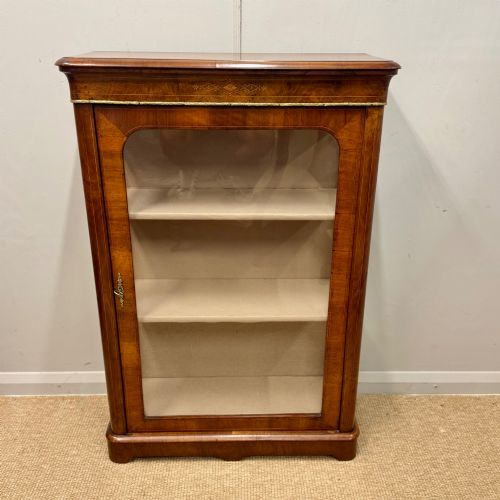
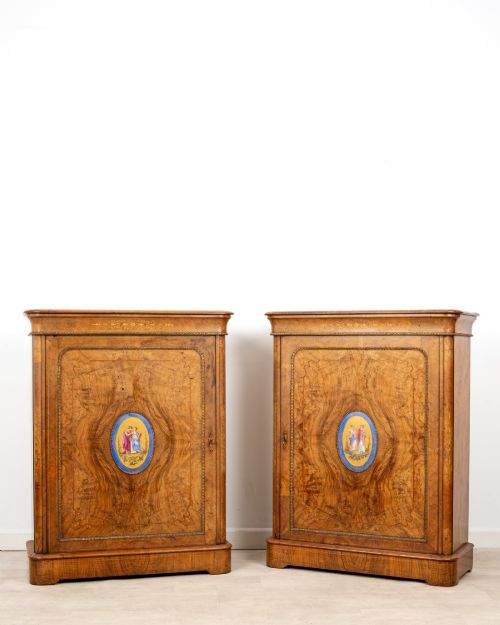
A warm brown pier cabinet brings rich walnut timber and refined nineteenth-century display space into a drawing room.
Warm Brown Pier Cabinet
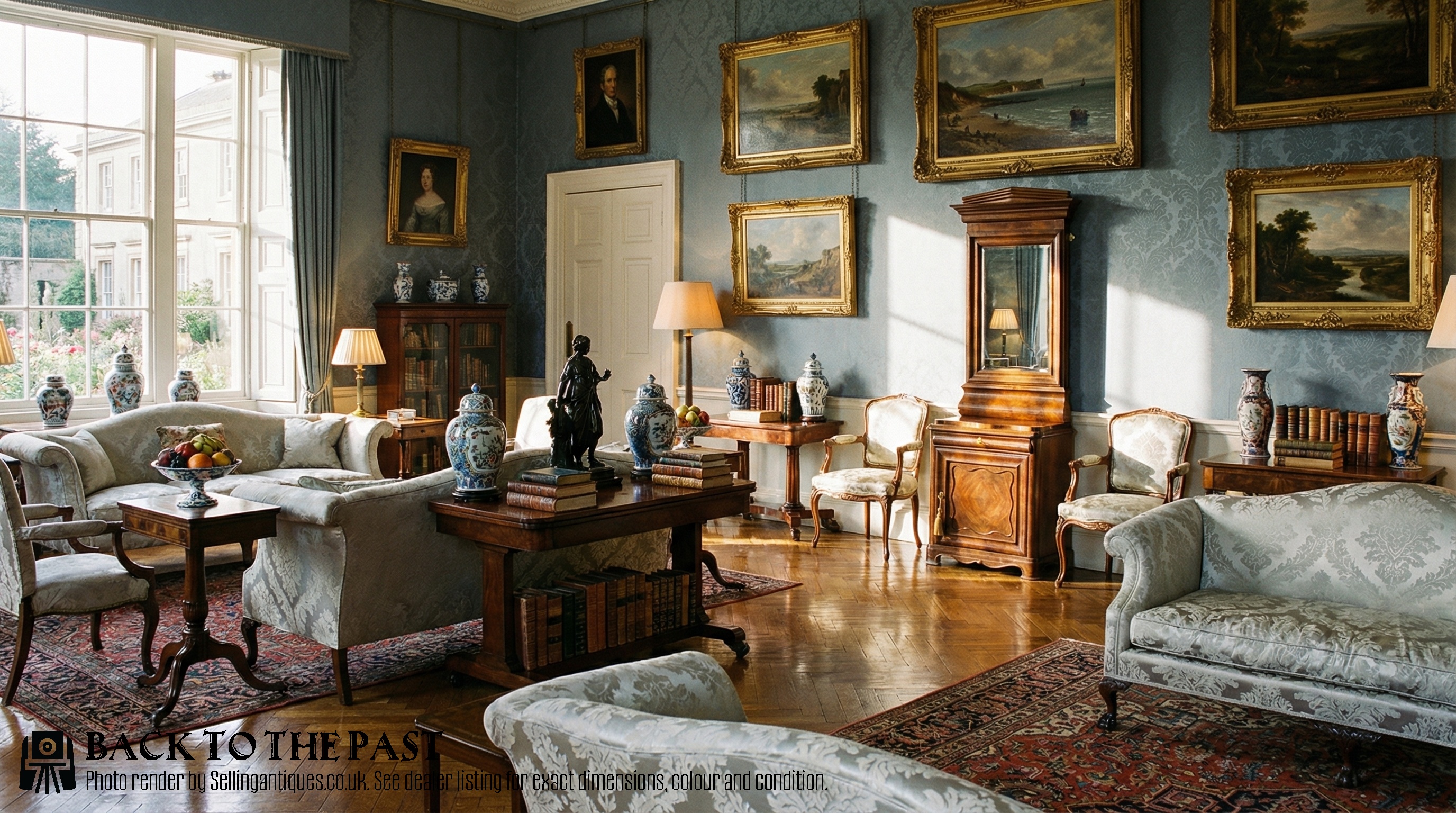
A warm brown pier cabinet is a slender display piece designed to stand against the narrow wall space between windows, bringing architectural symmetry to nineteenth-century rooms. These cabinets frequently take the form of side cabinets and display cabinets that showcase treasured objects behind glazed doors.
The pieces seen here span the Victorian and Edwardian eras, alongside specific dates from the nineteenth century such as eighteen-sixty and eighteen-eighty. Alongside traditional British Victorian designs, buyers will encounter French Louis XV revival, Napoleon III, and Biedermeier influences.
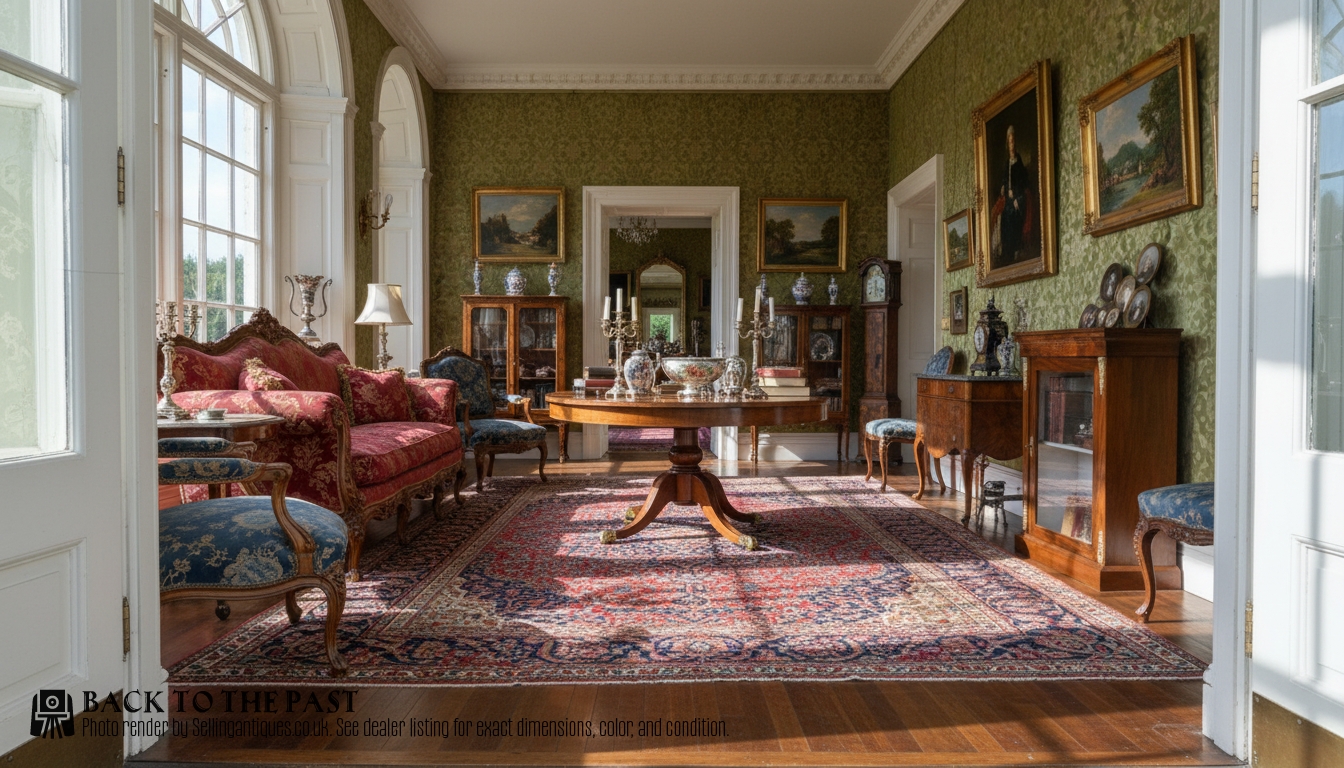
Walnut forms the core of these cabinets, often enriched with kingwood and detailed wood inlay. They serve as elegant focal points for books, porcelain, and decorative pieces while maintaining a compact footprint that suits domestic spaces.
How they were made
Cabinet makers utilised rich walnut timbers as the primary foundation for these pieces, frequently selecting burr walnut to create striking grain patterns across the exterior surfaces. Boxwood marquetry and detailed wood inlay were carefully worked into the timber to form intricate decorative motifs.
Gilded ormolu mounts and brass details were added to accentuate the framework and frame the glazed glass doors. Interior glass panels and fabric linings completed the construction, creating a secure enclosure for delicate porcelain plaques and prized collections.
Walnut is the dominant material across the selection, complemented by glass, ormolu, brass, fabric, porcelain, and kingwood.
What varies in quality
The standard of a warm brown pier cabinet rests on the precision of its marquetry and the depth of its timber figure. Pieces featuring elaborate boxwood marquetry or matched burr walnut display a higher level of artisan skill than plain veneered surfaces.
Integration of cast ormolu mounts and the crispness of brass detailing separate standard utility pieces from exceptional decorative examples. The refinement of the French revival styles and the quality of the glass components further define the upper tier of these cabinets.
The Warm Brown Pier Cabinet Glossary
- Pier cabinet
- A slender display cabinet designed specifically to fit the wall space between two windows. These pieces often feature glass doors and rich wood marquetry.
- Marquetry
- Decorative patterns formed by fitting together small pieces of wood veneer. Boxwood is frequently used for this detailed inlay work.
- Ormolu
- Gilded bronze mounts applied to furniture for decorative effect. It appears frequently on French revival pieces from the nineteenth century.
- Burr walnut
- A highly figured wood grain obtained from walnut tree growths. It provides a rich, swirling pattern highly valued by nineteenth-century cabinet makers.
- Biedermeier
- A central European style focusing on utilitarian comfort and clean lines. Pieces from this tradition emphasise the natural beauty of wood grain over heavy ornamentation.
Warm Brown Pier Cabinet: Frequently Asked Questions
Where should I place a pier cabinet?
These slender cabinets suit narrow wall spaces, particularly the wall section situated between two windows.
Their compact proportions also allow them to function effectively as side cabinets in living rooms or studies.
What is the difference between Victorian and Edwardian examples?
Victorian cabinets from the nineteenth century often feature heavier proportions, elaborate marquetry, and rich ormolu mounts.
Edwardian pieces tend to display lighter framing while retaining traditional walnut and inlay techniques.
Can these cabinets hold books?
Certain variations function as bookcases alongside their primary role as display cabinets for decorative objects.
Glazed glass doors protect the contents from dust while keeping volumes visible within the room.
What woods were used in these cabinets?
Walnut serves as the primary timber across the selection, appearing in both straight grain and highly figured burr varieties.
Makers also incorporated kingwood and boxwood for contrast within the marquetry and inlay work.