
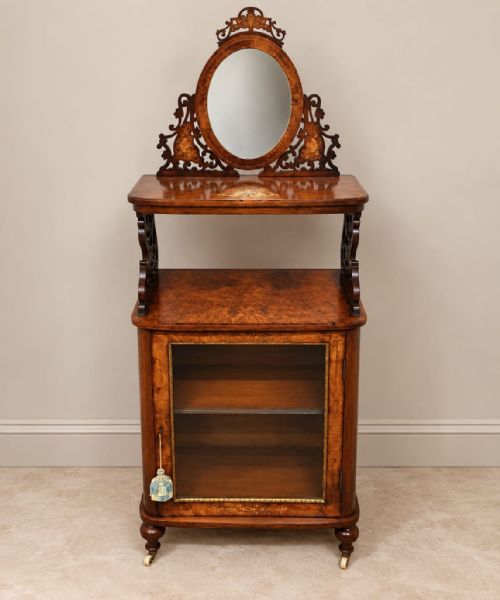
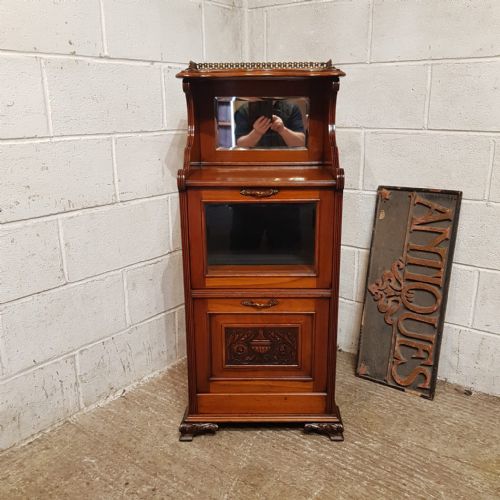


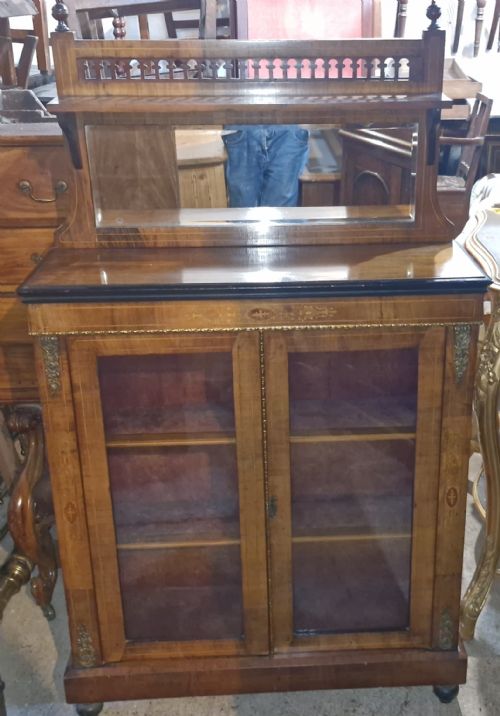


Antique Pier Mirror Cabinet
An antique pier mirror cabinet brings architectural presence and reflected light to a room, combining display space with a fixed mirror.
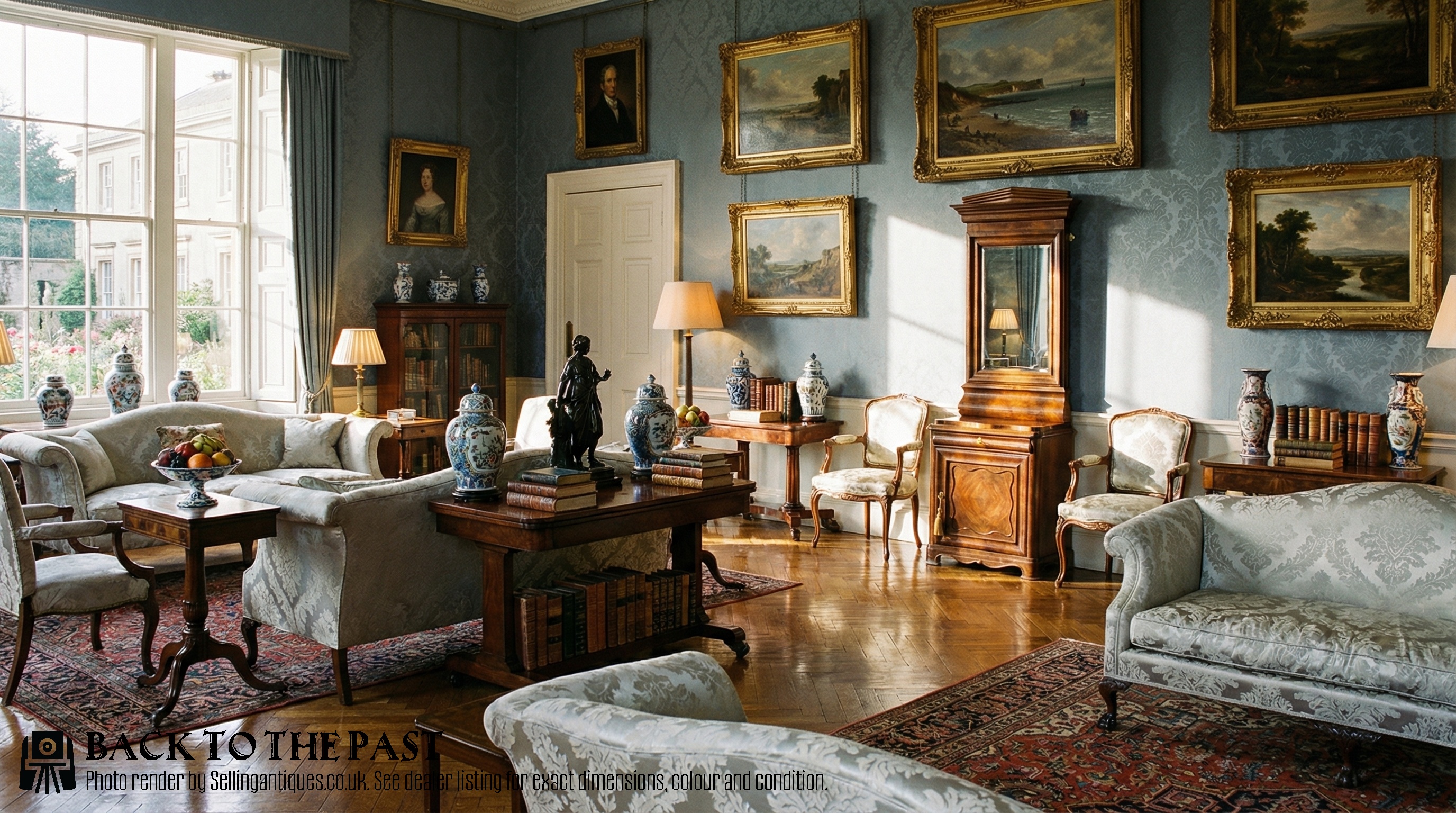
Antique Pier Mirror Cabinet
An antique pier mirror cabinet is a substantial piece of furniture designed to sit against a pier, the solid wall space between two windows. These items combine cabinetry with mirror glass, serving both a decorative and a functional purpose in a formal interior.
The pieces listed here span the 19th Century, including Victorian, Regency, Biedermeier, Aesthetic Movement and Danish Empire examples. Buyers frequently encounter walnut and mahogany constructions, often featuring inlaid details or mirrored backing.
Forms range from narrow side cabinets and chiffoniers with marble tops to console tables with mirrors and dedicated pier cabinets. Many incorporate glass doors or ormolu mounts to enhance their visual weight and reflect natural light around the room.
How they were made
Cabinet makers utilised dense hardwoods such as mahogany and burr walnut, frequently applying fine inlays to create patterned surfaces on the doors and frames. Ormolu mounts in cast brass provide metallic highlights against the dark timber.
Mirror glass is integrated directly into the cabinet structure or mounted above the console base, requiring sturdy joints to support the weight of the glass and stone elements like marble tops. Ebonised and painted finishes appear alongside polished natural wood grains.
Some Victorian walnut cabinets feature secret mirror doors that conceal tiny inner shelves for storing calling cards.
What varies in quality
The standard of an antique pier mirror cabinet depends on the selection of timber veneers, such as burr walnut, and the precision of the inlay work. Finer examples display meticulous grain matching and careful integration of ormolu mounts rather than plain or repetitive decoration.
Structural complexity also dictates worth, separating simpler narrow side cabinets from elaborate Victorian aesthetic pieces with painted details or integrated marble tops. The clarity of the mirror glass and the stability of the combined cabinet frame remain central to the construction standard.
The Antique Pier Mirror Cabinet Glossary
- Pier glass
- A tall mirror designed specifically to hang on the wall space between two windows. It often matches the proportions of the console or cabinet placed below it.
- Ormolu
- Gilded bronze or brass mounts applied to furniture for decoration. This technique adds metallic contrast to mahogany and walnut surfaces.
- Biedermeier
- A Central European style dating to the 19th Century focusing on utility, clean lines and warm wood grains. It appears in console tables and cabinets from the era.
- Chiffonier
- A low sideboard or cabinet featuring shelves or a mirror back. These pieces developed during the 19th Century as versatile living room furniture.
- Burr walnut
- Timber taken from the wart or growth on a walnut tree, yielding highly figured patterns. Cabinet makers used it for veneering prominent surfaces.
Antique Pier Mirror Cabinet: Frequently Asked Questions
Where should I place a pier cabinet?
These cabinets suit narrow wall spaces between windows or blank expanses where the mirror can reflect light into the room.
They occupy a relatively shallow footprint while offering vertical height through the mirror element.
What is the difference between a chiffonier and a pier cabinet?
A chiffonier typically provides surface space with a low cupboard underneath, sometimes featuring a mirrored back or shelf superstructure.
Pier cabinets are built to occupy specific architectural wall gaps and often pair a tall mirror directly with a narrow display base.
How do I identify a Victorian pier cabinet?
Victorian examples often feature walnut timber, glazed doors, and inlaid marquetry details designed to catch the eye in a formal parlour.
Many incorporate ormolu mounts and mirror backs that reflect the interior decoration of late 19th Century homes.
Are these cabinets suitable for small rooms?
Their narrow proportions and integrated mirror glass make them effective for bouncing light and creating a sense of depth in compact spaces.
Buyers should measure ceiling height and wall width carefully to ensure the mirror proportions match the room scale.