


19th Century Apothecary Jar
A 19th century apothecary jar brings domestic utility and rich pharmacy history together through striking glass and ceramic containers.
19th Century Apothecary Jar
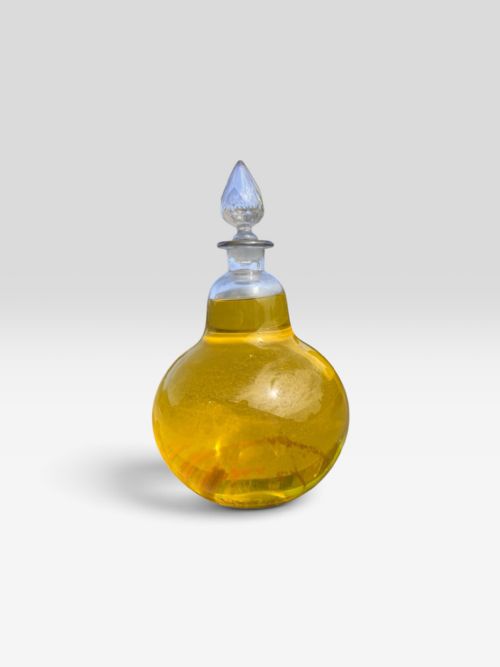
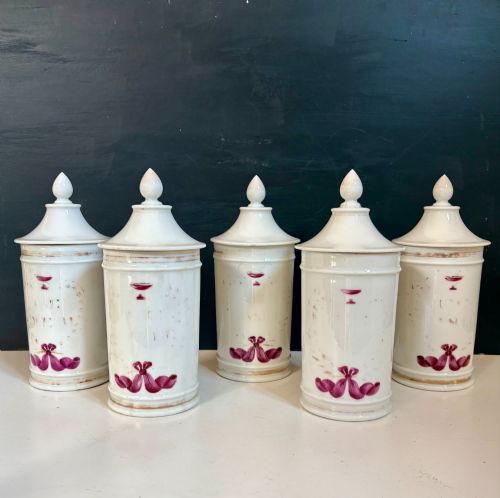
A 19th century apothecary jar encompasses a wide variety of storage vessels, carboys, and bottles originally utilised in pharmacies and dispensaries. Buyers will frequently encounter tall glass storage cylinders, ceramic albarelli, and heavy glass carboys spanning the Victorian and Georgian eras.
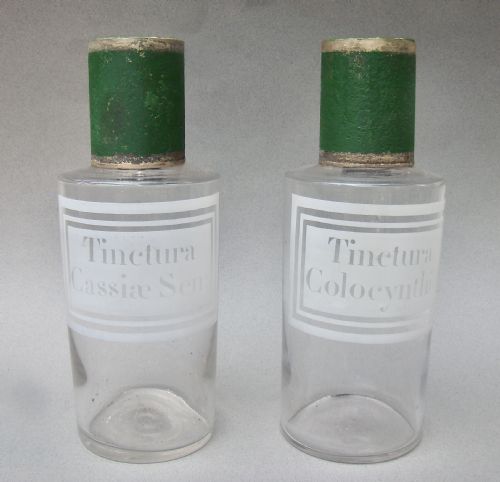
The forms range from small tincture bottles intended for liquid medicines to large wet drug jars designed to hold ointments and preserves. Many examples retain their original glass stoppers or lids, while others appear as open vessels or jugs.
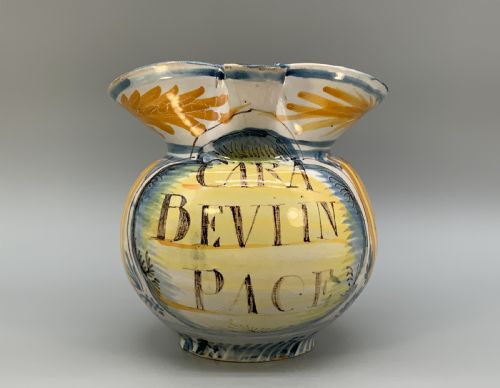
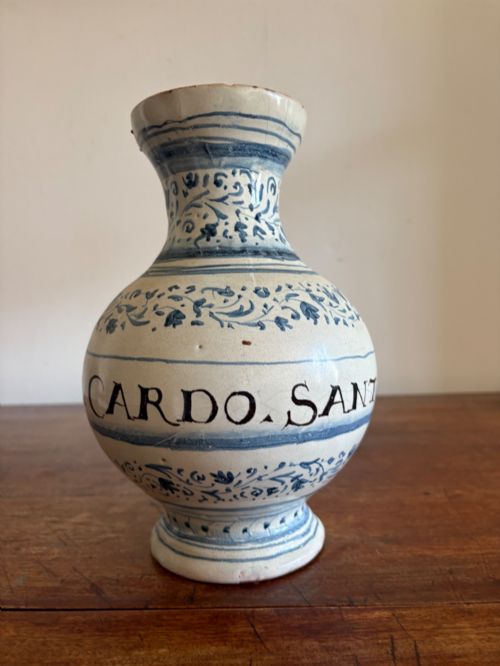
Origins stretch across English workshops and continental makers, with French glass containers and Italian majolica pieces forming a significant portion of the available selections.
Assessing Quality and Merit
Quality rests primarily on the clarity and colour of the glass, with deep tones like Bristol blue, amber, and turquoise commanding attention. Intact original labels, whether etched, gilded, or painted, elevate the desirability of a piece significantly.
Ceramic examples depend on the crispness of the tin glaze and the preservation of the polychrome painting across the body. The survival of matching lids and stoppers completes the integrity of the vessel.
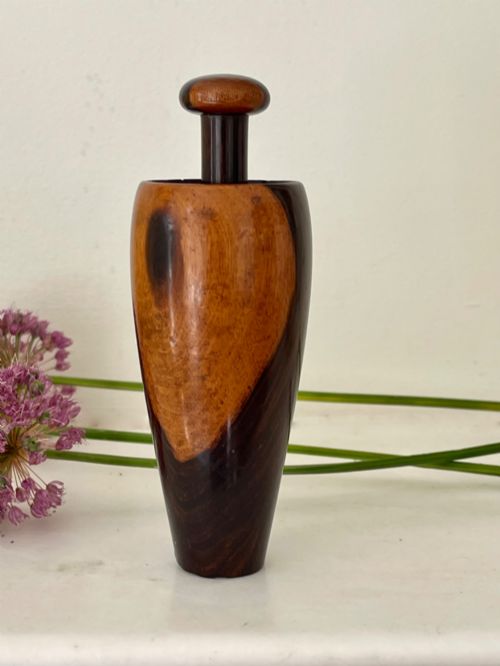
Listings feature items spanning the Georgian, Victorian, and late nineteenth-century periods, utilising glass, earthenware, wood, and gold leaf.
Samuel Alcock and Co
The 19th Century Apothecary Jar Glossary
- Albarello
- A cylindrical earthenware jar used in pharmacies to hold ointments and dry drugs. This form originates from the Middle East and became popular in Italian and European potteries.
- Carboy
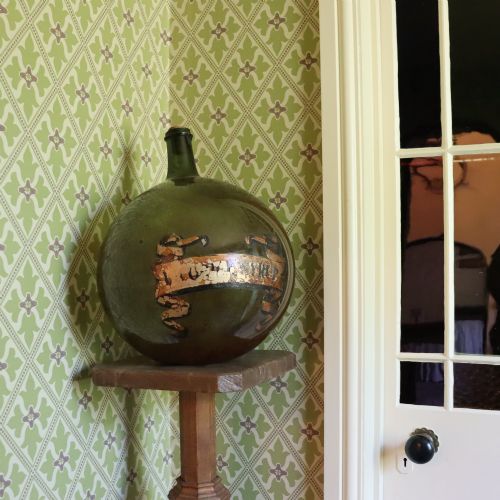
- A large, bulbous glass vessel used for holding corrosive liquids or large quantities of distilled water. These substantial bottles often sat in protective frames or directly on the shop floor.
- Tincture
- A medicine made by dissolving a drug in alcohol. Tincture bottles were typically smaller glass vessels kept on shelves in rows.
- Majolica
- Tin-glazed earthenware decorated with colourful metallic oxide paints. Italian workshops produced these decorated pharmacy jugs and jars for centuries.
- Pontil mark
- The rough scar left on the bottom of blown glass where the pontil rod was attached during manufacture. This feature indicates traditional hand-blown techniques.
19th Century Apothecary Jar: Frequently Asked Questions
What did they store inside?
These vessels held various dry drugs, herbs, syrups, ointments, and liquid tinctures required by pharmacists and apothecaries for daily compounding.
Larger carboys and storage jars held bulk supplies or distilled water ready for dispensing into smaller bottles.
How do I date a glass jar?
Hand-blown glass featuring pontil marks, surface bubbles, and slight asymmetry generally points toward the Georgian and Victorian periods.
Applied gold leaf labels and specific etched designs often narrow production down to the late nineteenth century.
Are ceramic jars waterproof?
Tin-glazed earthenware and majolica jars were designed to hold dry or semi-solid preparations rather than thin liquids.
Over long periods, porous ceramic bodies can absorb moisture, so modern display is best kept dry.
How should I clean antique glass?
Gentle wiping with a soft, dry cloth preserves delicate painted or gilded labels without causing damage.
Immersing old glass in water can sometimes loosen historic residue or harm fragile surface finishes.