
19th Century Animalier Sculpture
19th century animalier sculpture captures the tension and anatomy of beasts in cast metal, bringing the natural world directly onto the Victorian desk or mantelpiece.
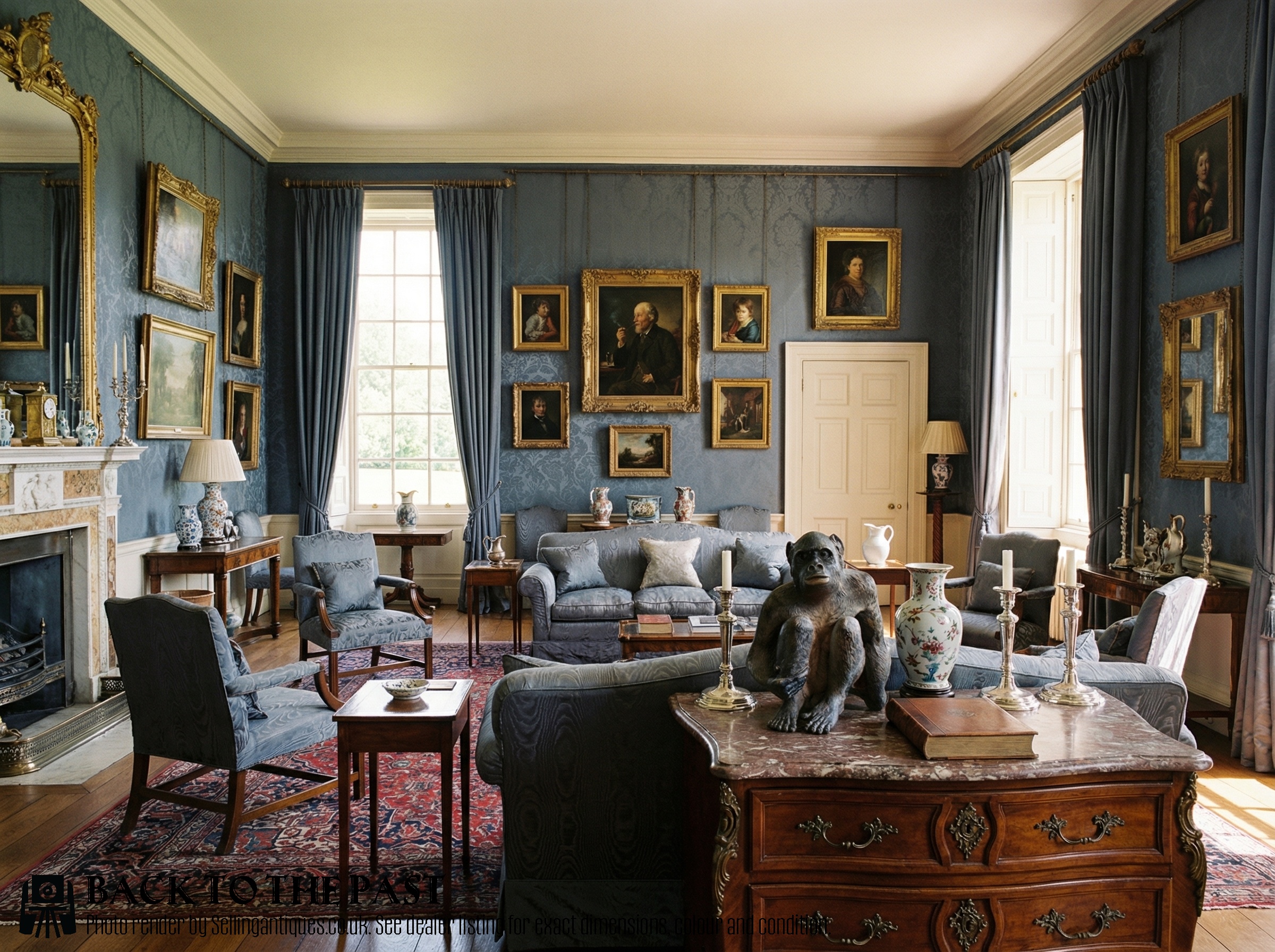
19th Century Animalier Sculpture
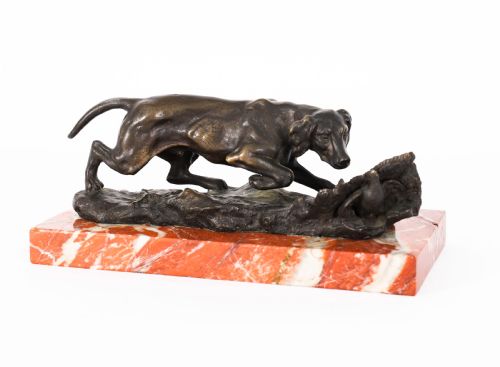
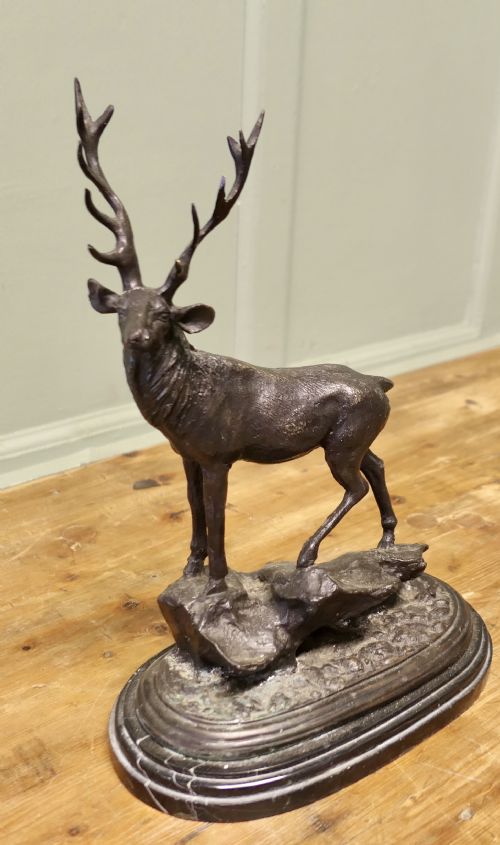
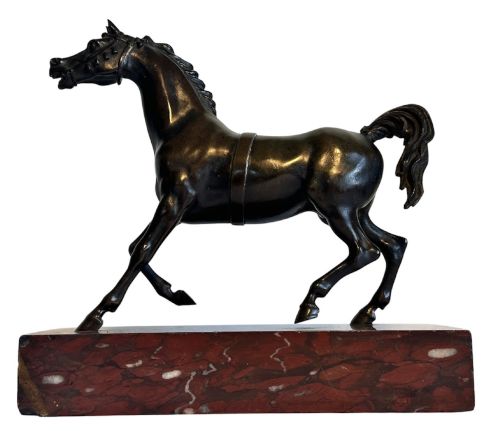
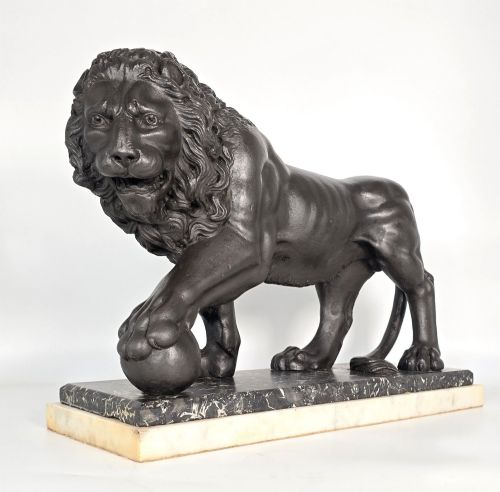
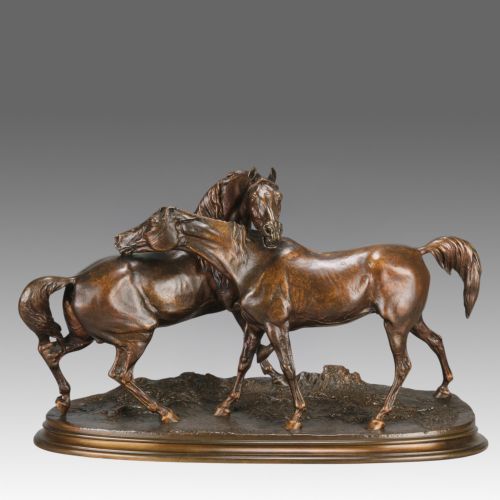
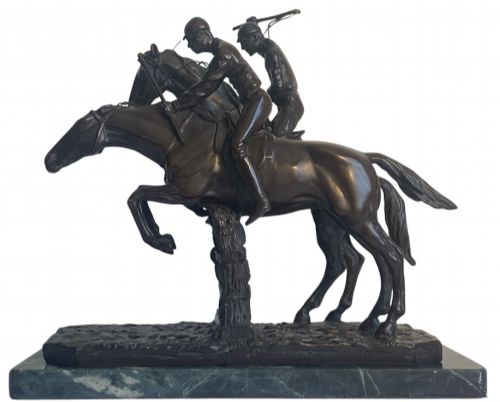
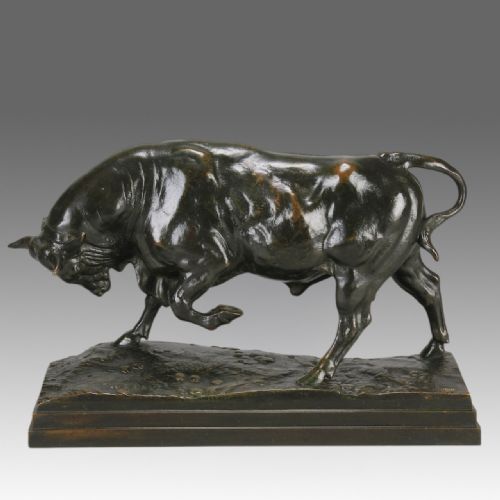
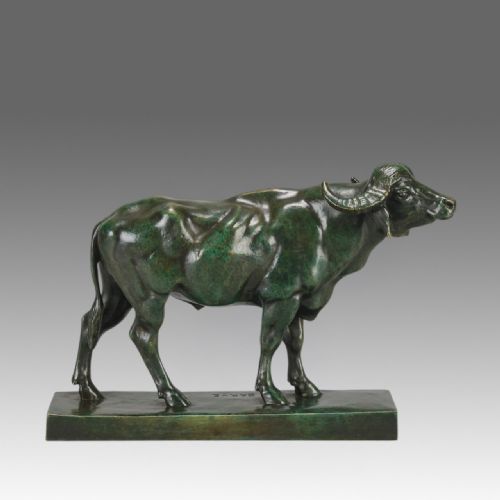
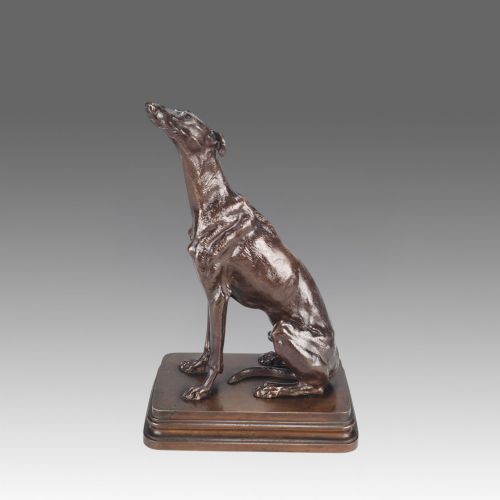
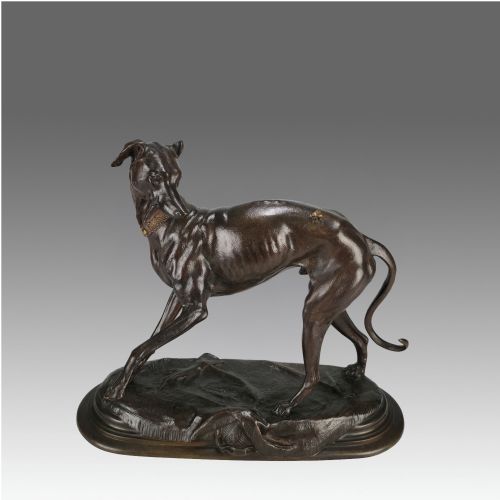
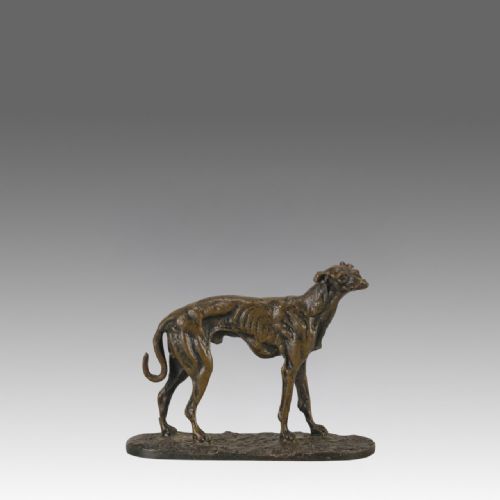
When you search for 19th century animalier sculpture, you encounter realistic studies of fauna ranging from domestic hounds to powerful bulls and racing horses. The French Animalier school dominates this selection, often taking the form of patinated bronze figures mounted upon veined marble plinths.
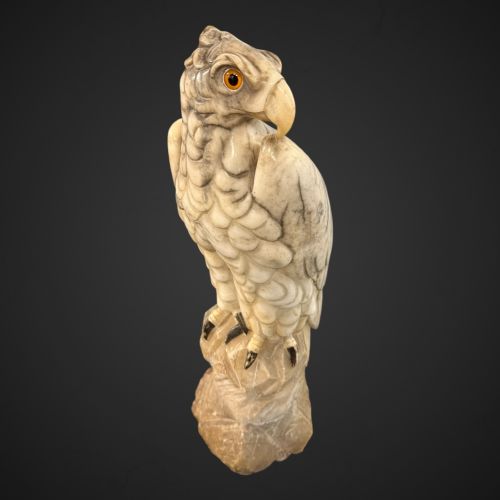
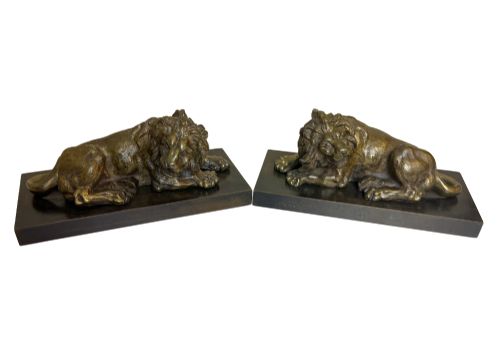
Beyond standalone statuettes, the genre encompasses functional items such as inkstands and inkwells featuring lions, eagles, and emus. These pieces bridge the gap between fine art and utility, reflecting a Victorian fascination with natural history and precise anatomical observation.
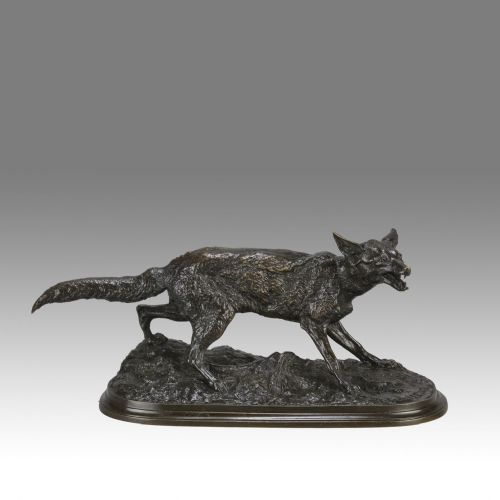
The objects span multiple decades of the nineteenth century, with casting dates clustering around the mid-to-late victorian era. Subjects include stags, sighthounds, foxes, and birds caught in lifelike moments of rest or motion.
How they were made
Foundries utilised the lost-wax casting method or sand-casting techniques to shape molten metal into complex anatomical forms. Bronze served as the primary medium, frequently treated with dark patinas or gilded with ormolu to highlight texture and musculature.
Many figures were paired with heavy bases cut from Carrara marble or veined stone, requiring precision fitting between metal hooves, paws, and the stone plinth. Artisans chased the cooled bronze surfaces by hand, defining fur, feathers, and harnesses before signing the works.
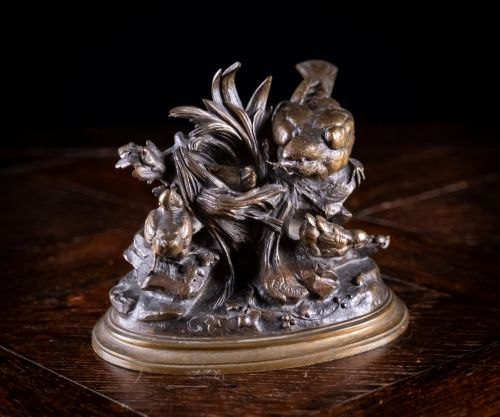
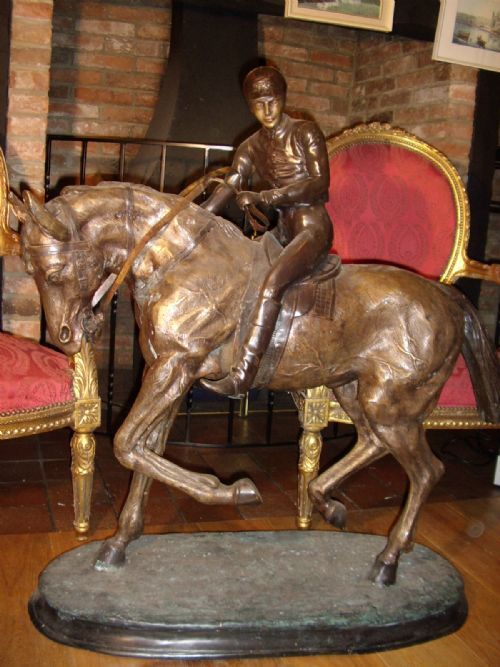
Nineteenth-century sculptors captured everything from racing jockeys to an accidental frog, ensuring even the smallest creatures received heroic bronze immortality.
What varies in quality
The fidelity of the cast dictates much of the distinction between standard production and masterwork pieces. Superior examples retain crisp detail in the musculature and fur without smoothing from excessive post-casting filing.
The depth and subtlety of the chemical patina further separate fine studio output from later commercial editions. Additionally, the quality of the supporting marble base and the sharpness of the artist's signature contribute to a piece's standing.
Carl Kauba·P J Mêne·Louis Emile Cana·Pierre Jules Meme·Jules Bonheur·Antoine Louis Barye·Alfred Dubucand·Alfred Barye·John Willis Good·Luigi Secchi·Prosper Lecourtier·Charles Crozatier·E.Drouot·Jules Moigniez·Pierre Lenordez·Delabrierre·Isadore Bonheur·Barbedienne
The 19th Century Animalier Sculpture Glossary
- Animalier
- A nineteenth-century artistic movement dedicated to the realistic portrayal of animals, particularly in sculpture. Practitioners studied subjects in menageries and veterinary hospitals to capture accurate movement.
- Patina
- The surface coloration and sheen applied to bronze through chemical treatment or natural ageing. A dark patina helps emphasise the shadows and musculature of cast figures.
- Ormolu
- Gilded bronze, where finely ground gold is amalgamated with mercury and applied to a bronze base by heat. This technique creates a rich golden finish seen on decorative inkstands and mounts.
- Plinth
- A heavy base, typically carved from Carrara marble, upon which the bronze figure is mounted. It provides both physical stability and a formal architectural frame for the sculpture.
19th Century Animalier Sculpture: Frequently Asked Questions
What is animalier sculpture?
Animalier sculpture is a nineteenth-century genre focused on realistic depictions of animals in motion and repose. Artists studied anatomy closely to render fur, muscle, and bone with striking accuracy.
These pieces were produced primarily in bronze and frequently displayed in domestic interiors on marble bases.
How do I identify a cast?
Look closely at the surface texture for signs of hand-chasing and the depth of the chemical patina. Signatures inscribed into the bronze near the base often indicate the sculptor or the foundry responsible.
Heavier elements like marble plinths and gilt ormolu mounts provide further context regarding the period of manufacture.
Were these pieces functional?
While many animalier sculptures served purely as decorative table ornaments or mantel figures, others had practical uses. Examples include inkwells and inkstands incorporating lions, birds, or hounds into the design.
These functional objects combined utility with the Victorian appetite for natural history.
How should I clean bronze?
Bronze sculptures require minimal intervention to preserve their historic patinas. Dusting gently with a soft, dry cloth prevents the buildup of particulate matter on the metal and marble.
Avoid chemical polishes or water, as these can strip the original patination and damage the surface.