
19th Century Animal Art
19th century animal art captures livestock, pets and wildlife across oil paintings, watercolours and carved snuff boxes.
19th Century Animal Art
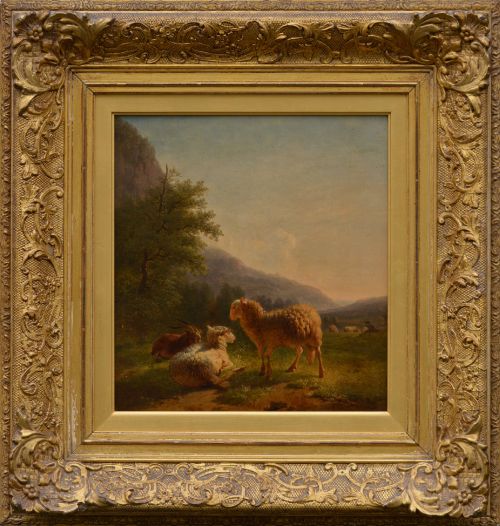
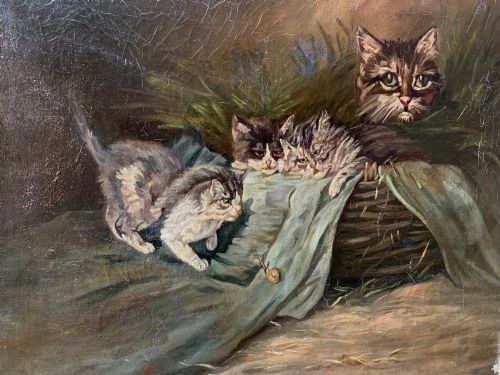
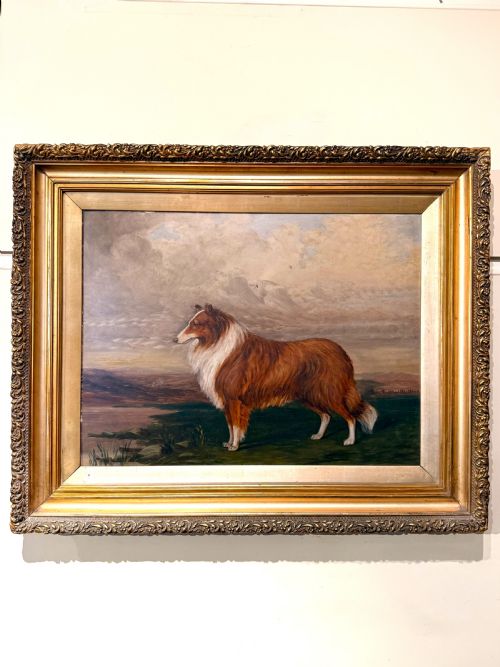
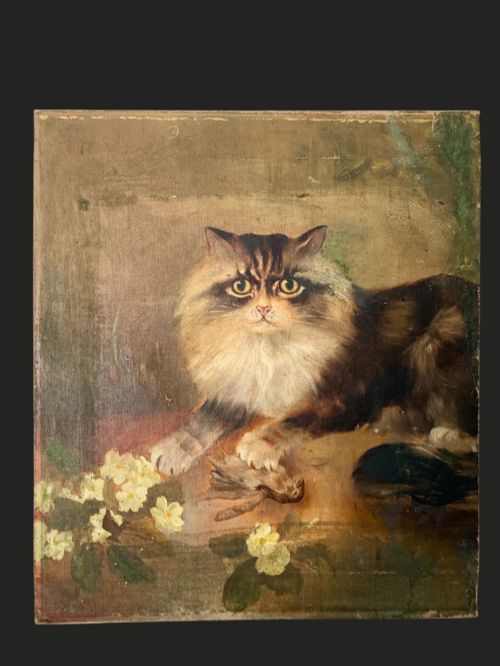
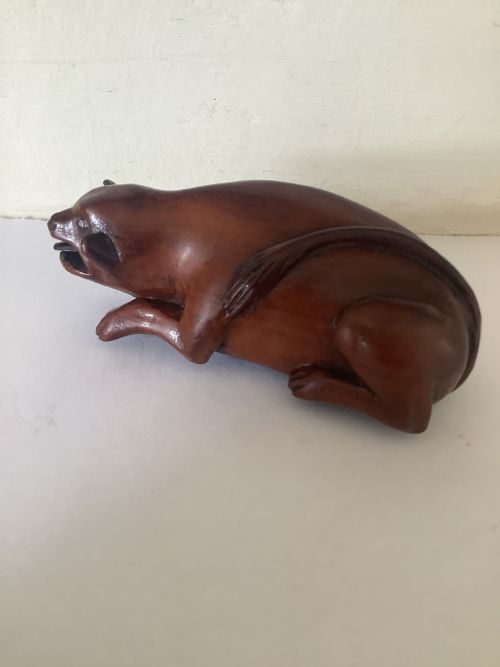
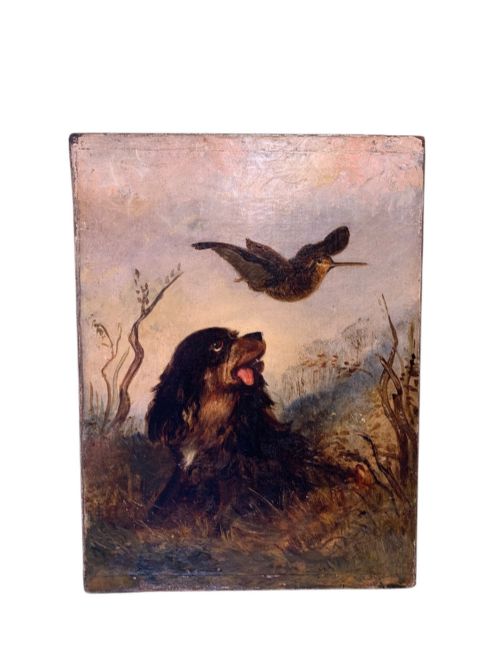
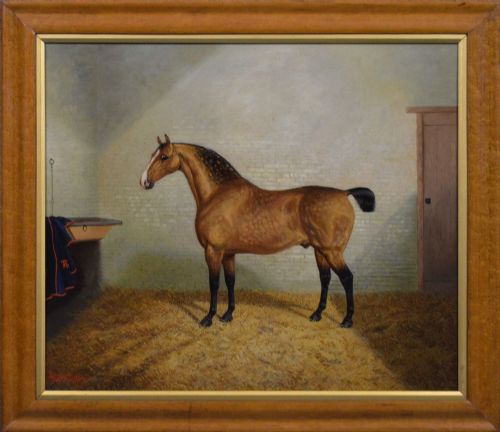
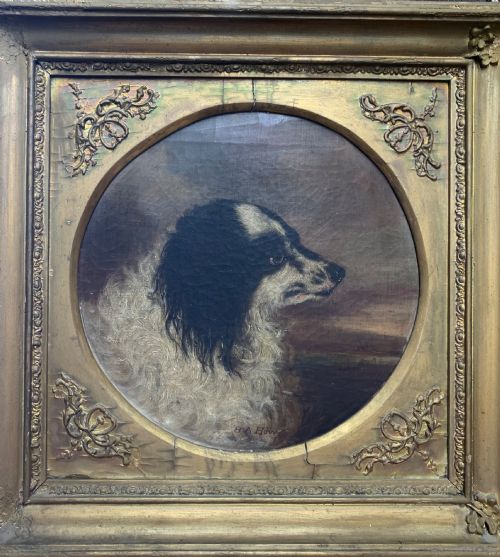
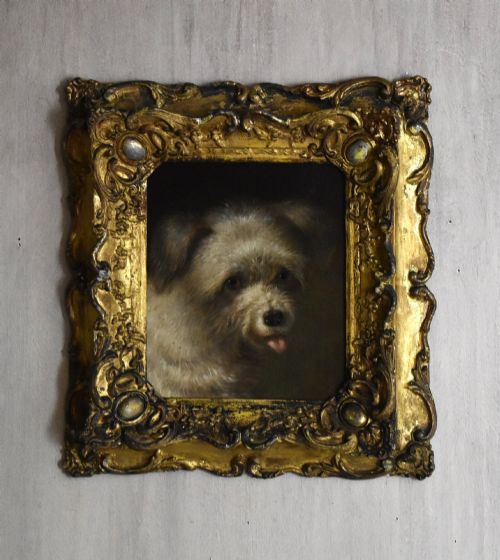
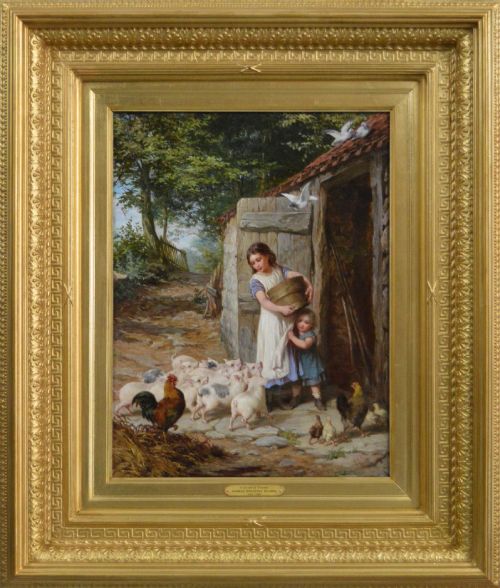
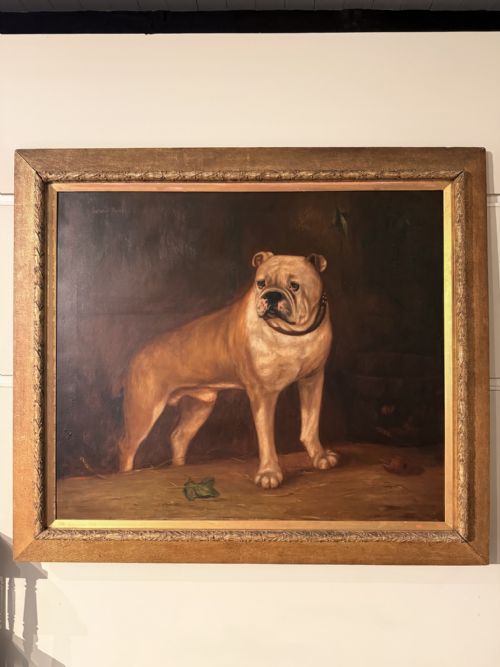
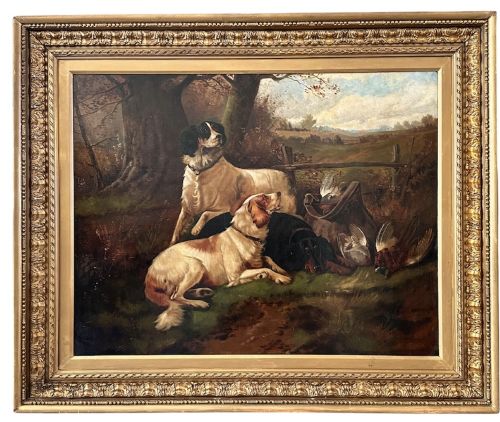
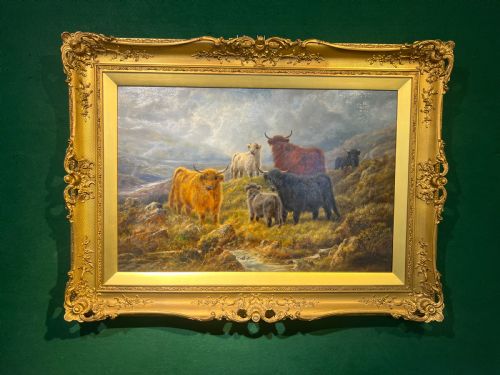
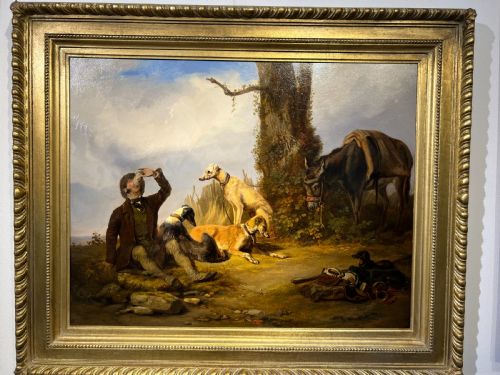
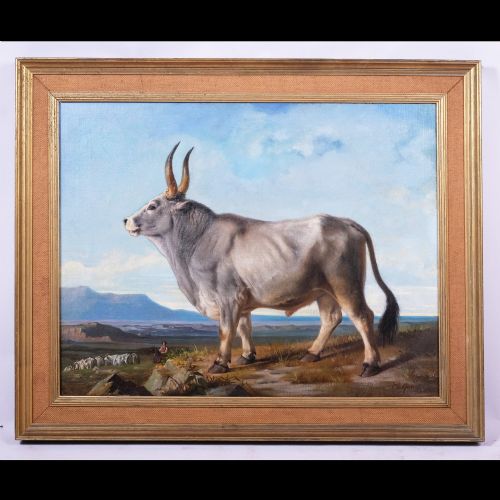
When searching for 19th century animal art, collectors encounter oil paintings, watercolours, etchings, engravings and carved wooden snuff boxes depicting dogs, horses, cattle, sheep and exotic creatures. The selection spans rural landscapes featuring Highland cattle and sheep, intimate portraits of cats and kittens, and detailed equine studies.
The pieces on this page are most commonly oil paintings on canvas or board, originating from British, French and Belgian schools. Works range from academic sporting art and romantic realism to naive folk art representations of animals.
Materials and Techniques
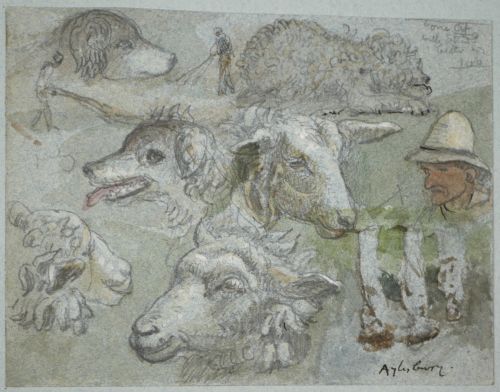
Artists utilised oil paint on canvas or wooden boards, often building up rich textures with brushwork. Prints were produced through techniques such as hand-coloured engravings, etchings on vellum and chromolithographs.
Sculptural and decorative items involve carved wood, sometimes enhanced with gesso, gold leaf and giltwood frames to present the finished work.
Listings feature oil paintings, watercolours, etchings, chromolithographs, and carved wooden snuff boxes from the 19th century.
Judging Quality in Animal Art
Quality rests on the precision of anatomical rendering, the handling of light and texture in fur or horsehair, and the vitality of the creature's expression. Works by documented academic painters display accomplished draftsmanship and proportion.
Naive folk art pieces achieve distinction through character and charm rather than strict academic realism. The preservation of the original surface, paint layers and period framing also contributes to the standing of an individual piece.
Eugène Verboeckhoven·James Smetham·Albert Clark·Martin Theodore Ward·George Augustus Holmes·John Sargent Noble·Robert Watson·Sir Edwin Henry Landseer·Henry Barraud·Fred Fitzpatrick·William Watson Jnr·Herbert Dicksee·Alfred Arthur Brunel de Neuville·Horatio Henry Couldrey·John Emms·Henry Robinson Hall·William Henry Mander·Thomas Sidney Cooper·Franz van Severdonck·George Lance
The 19th Century Animal Art Glossary
- Naive art
- Artwork created by an artist without formal academic training, often characterised by a flat perspective and direct charm. This style appears frequently in folk art animal portraits.
- Chromolithograph
- A multi-colour printmaking method that builds up rich hues using separate lithographic stones for each ink. These prints often reproduced popular animal paintings for domestic display.
- Etching
- A printmaking technique where lines are bitten into a metal plate with acid before ink is applied and transferred to paper. Signed artist proofs represent prime examples of this medium.
- Giltwood
- Wood that has been coated with a thin layer of gold leaf or gold paint. This material is commonly found on the decorative frames enclosing period paintings.
19th Century Animal Art: Frequently Asked Questions
What animals appear most frequently?
Domestic dogs, horses, cattle and sheep dominate the pictorial records of the period. Artists recorded working animals, prize livestock and household pets with equal attention.
Exotic creatures such as monkeys and wild animals also surface in paintings and engraved plates from the era.
How do I distinguish academic works from folk art?
Academic works adhere to formal rules of perspective, anatomical precision and proportion taught in art academies. Painters working within this tradition rendered textures of fur and muscle with fine brushwork.
Folk art and naive pieces prioritise character and direct expression over strict biological accuracy, often featuring flat planes of colour.
Were these pieces meant for homes?
Many oil paintings and framed prints decorated Victorian and Regency domestic interiors, reflecting a cultural affection for pets and rural life. Sporting art celebrated prize hunters and gun dogs owned by the gentry.
Smaller objects like carved wooden snuff boxes served personal, everyday functions while incorporating animal motifs.
How should I care for oil paintings on canvas?
Keep paintings away from direct sunlight, high humidity and dramatic temperature fluctuations to protect the canvas and paint layers. Dust the surface gently with a soft, dry brush without applying pressure.
Avoid using water or cleaning solvents on the paint surface and consult a professional conservator for deeper cleaning.