


19th Century Accent Armchair
A 19th century accent armchair brings period character and practical seating to a room, drawing the eye with varied woods and traditional upholstery.
19th Century Accent Armchair
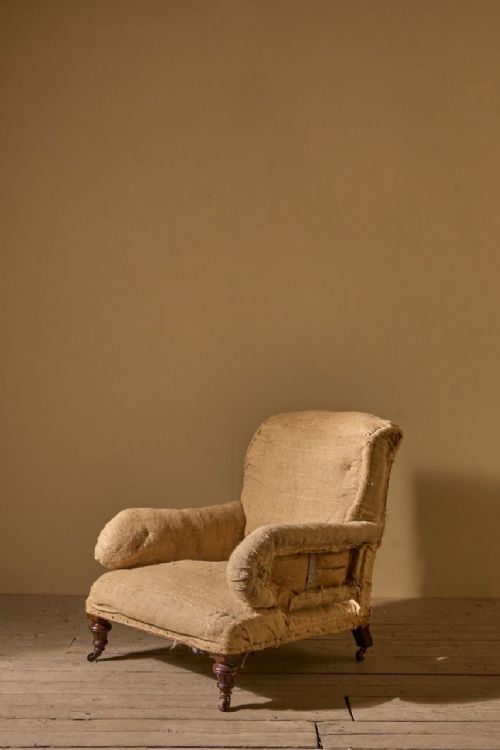
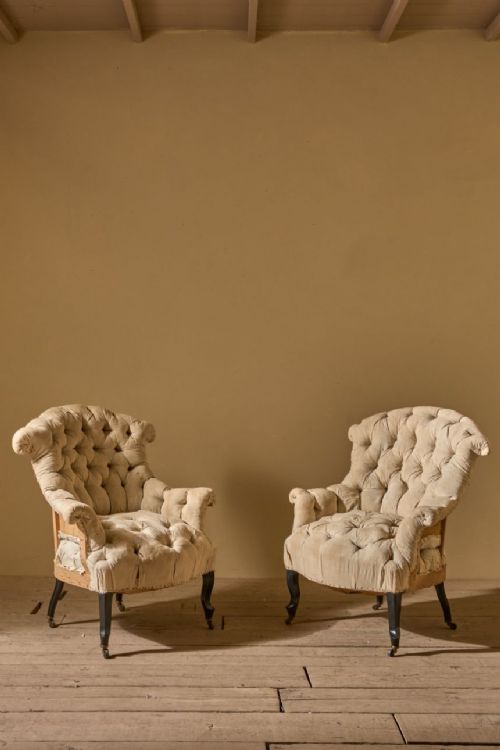
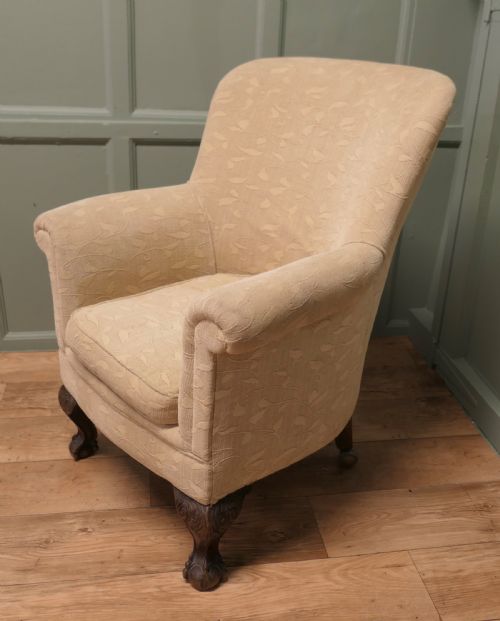
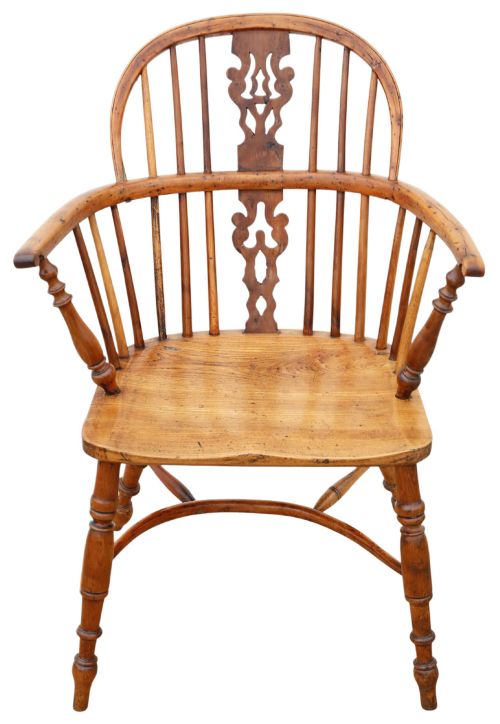
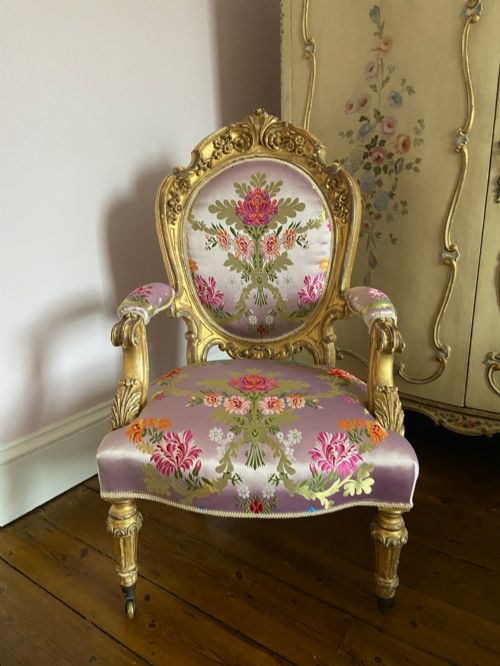
A 19th century accent armchair encompasses diverse seating forms designed for parlours, libraries and bedrooms throughout the period. Buyers examining this page encounter everything from robust Windsor chairs in yew and elm to giltwood French salon seats and sturdy oak turners chairs.
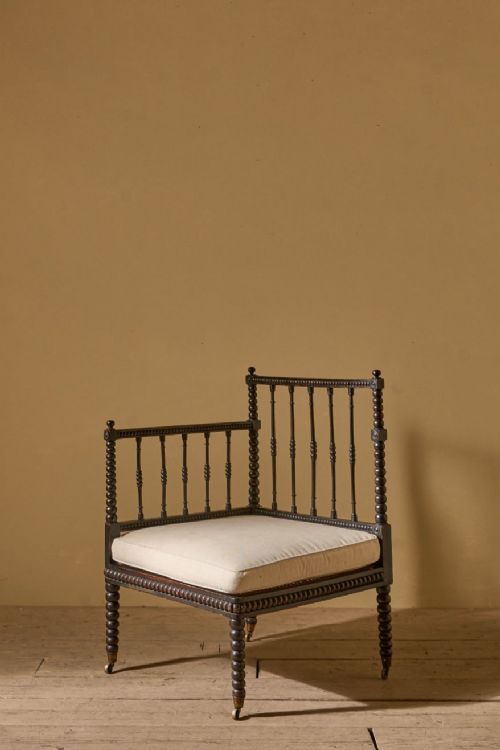
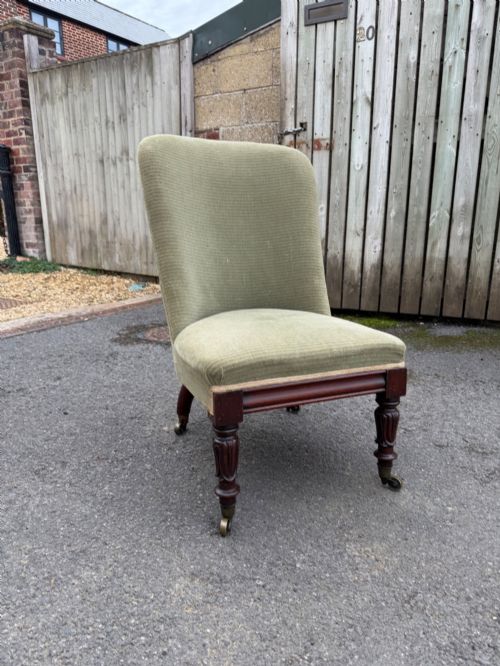
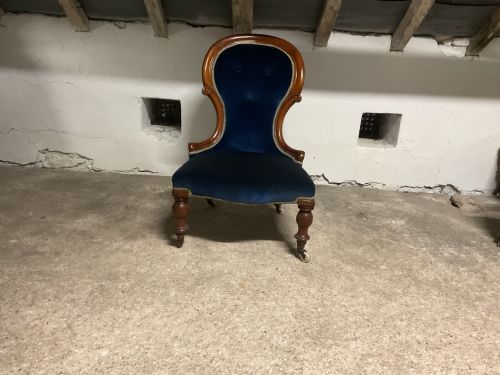
The selection ranges across stylistic revivals and regional country house vernacular, including low-slung nursing chairs, library armchairs and occasional corner chairs. These pieces served specific domestic functions in period interiors, acting as both comfortable seats and decorative focal points.
How They Were Made
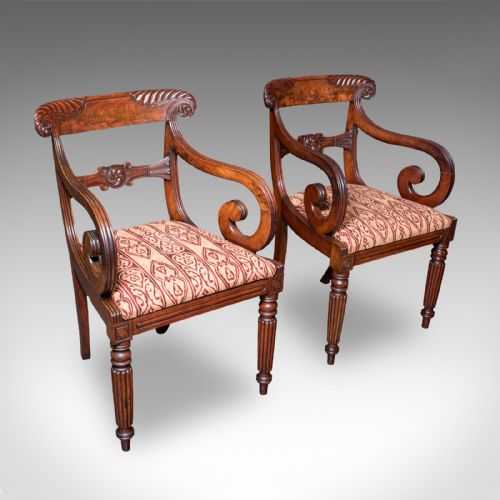
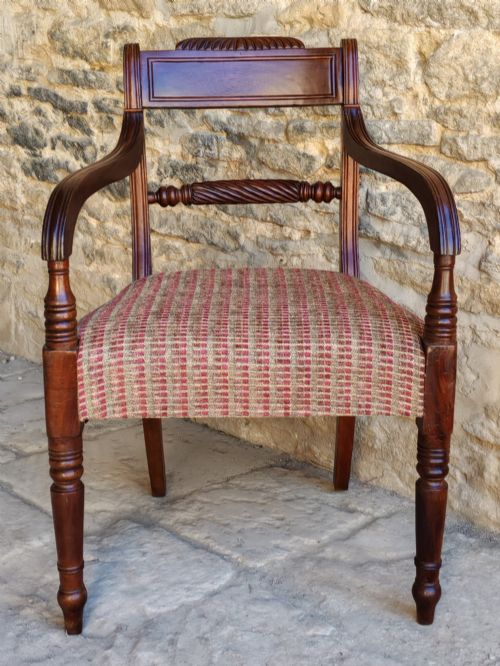
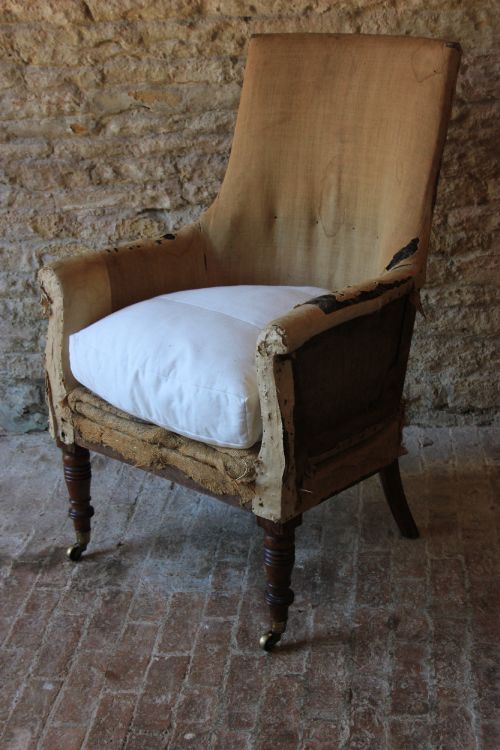
Cabinetmakers and joiners built these frames from solid timbers such as walnut, mahogany, oak and rosewood, often employing traditional turning, carving and joinery techniques. Metal elements like brass frequently appeared as castors or decorative mounts on fine library and salon models.
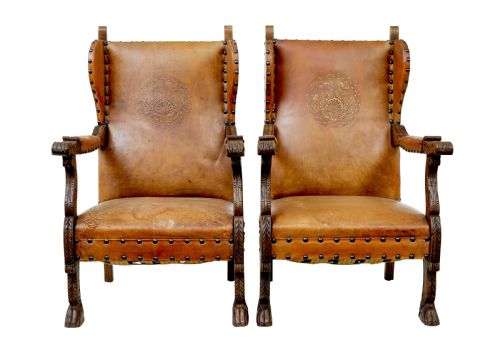
Upholstered versions relied on foundational materials like calico, leather, needlework tapestry and velvet stretched over supportive webbing and stuffing. Frames also incorporated applied surface treatments, including parcel gilding, paint, and French polish to finish the exposed timber.
Listings feature woods such as walnut, mahogany, oak, yew and elm, alongside brass fittings and velvet, calico and leather upholstery.
What Varies in Quality
The distinction between standard domestic seating and exceptional examples lies in the crispness of the hand-carving and the choice of dense, highly figured timbers such as rosewood and walnut. Master workshops invested significantly more labour in moulded details, structural joinery and harmonious proportions.
Upholstery presentation and the retention of original decorative elements, from parcel gilding to specific tapestry covers, elevate certain pieces. Chairs associated with named makers or exhibition-standard craftsmanship demonstrate superior resolution in design execution.
Jacob-Desmalter·Howard and Sons·Andrea Brustolon
The 19th Century Accent Armchair Glossary
- Carver
- An armchair, typically designed with open elbows, intended to match a set of dining chairs.
- Fauteuil
- An open-armed upholstered chair of French origin with exposed wooden framing around the back and armrests.
- Glastonbury chair
- A distinctive type of folding ecclesiastical armchair constructed with intersecting wooden panels.
- Needlework
- Hand-stitched textile work utilised historically for durable and decorative chair upholstery.
- Windsor
- A traditional wooden chair featuring a solid saddle-shaped seat into which turned spindles and a bentwood bow are wedged.
19th Century Accent Armchair: Frequently Asked Questions
What is a 19th century accent armchair?
A 19th century accent armchair is a historic seating piece created during the eighteen-hundreds, encompassing styles from Regency library chairs to Victorian nursing seats.
These chairs bring historical variety into modern spaces through distinct regional forms, turned wooden frames, and period textiles.
How were these armchairs used historically?
These seats served specific functions across the home, from reading in libraries and reception rooms to quiet tasks in bedrooms and parlours.
Different forms accommodated varied domestic routines, offering low seats for nursing infants or sturdy wooden frames for daily utility.
How do I identify a Victorian armchair?
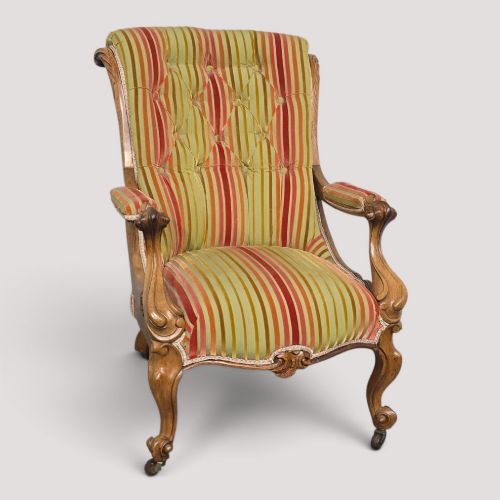
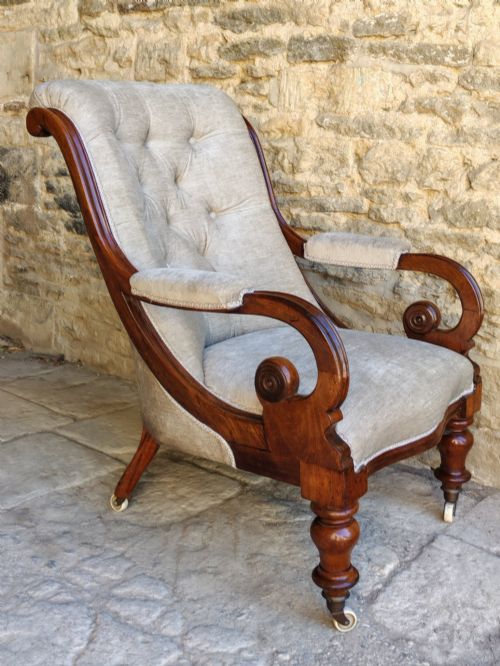
Victorian armchairs often feature heavier carved walnut or mahogany frames, button-backed upholstery, and stylistic influences from Gothic Revival or Rococo revivals.
They tend to show robust construction paired with deep padding and rich textile coverings like velvet or tapestry.
Are these chairs suitable for daily use?
Many period armchairs remain entirely functional for everyday seating, provided their internal webbing and joints have received appropriate maintenance over time.
Selecting a sturdy timber frame ensures durability while adding distinct historical character to a contemporary room scheme.