

1960s Vintage Wrist Watch
A 1960s vintage wrist watch delivers mid-century design and mechanical precision to the wrist, offering a tangible connection to an era of confident horological innovation.
1960s Vintage Wrist Watch
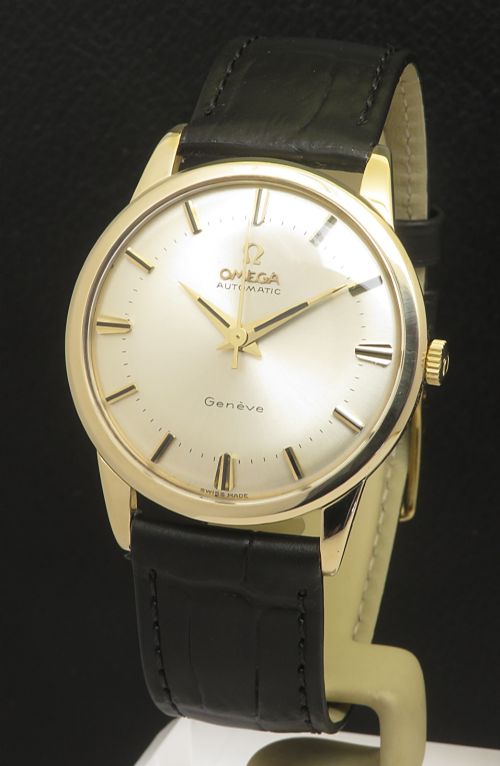
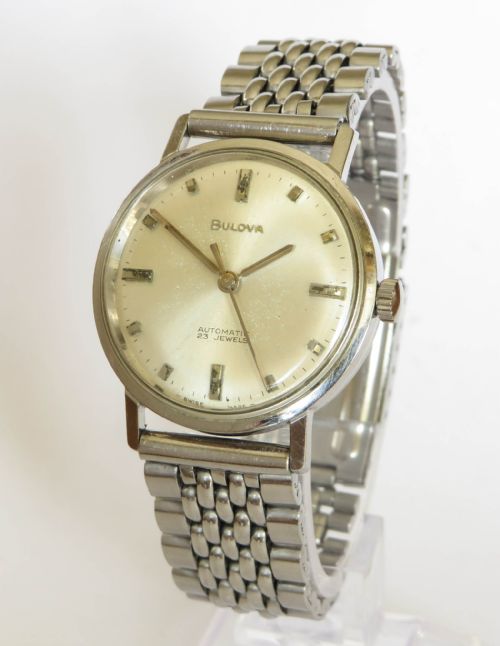
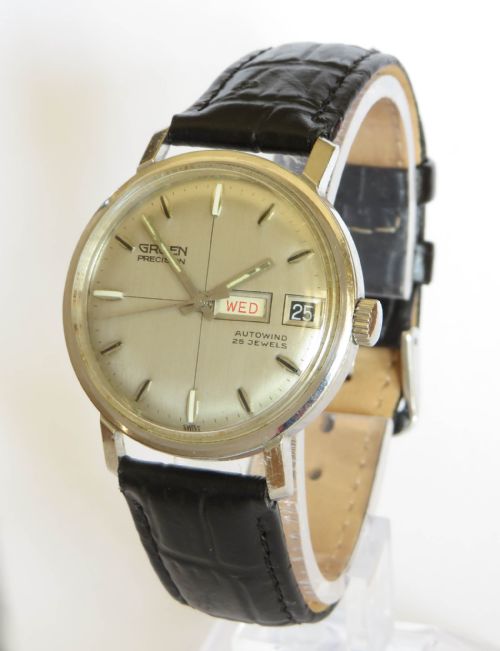
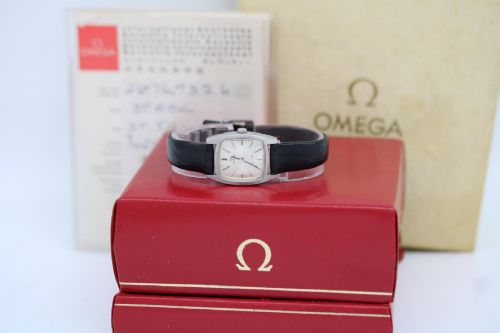
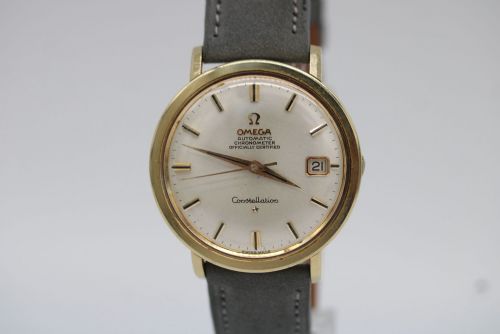
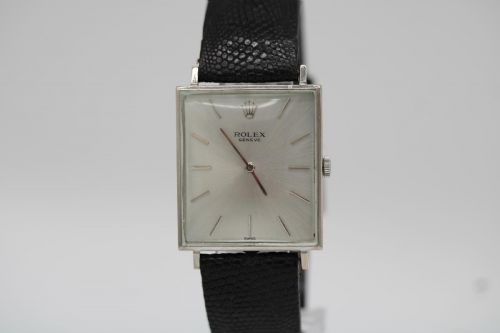
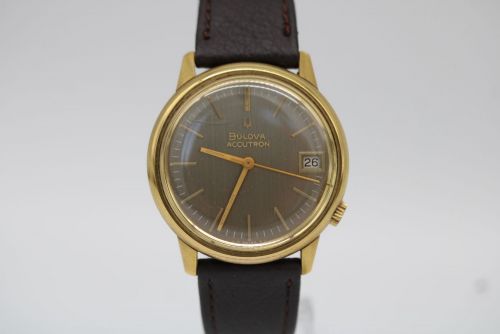
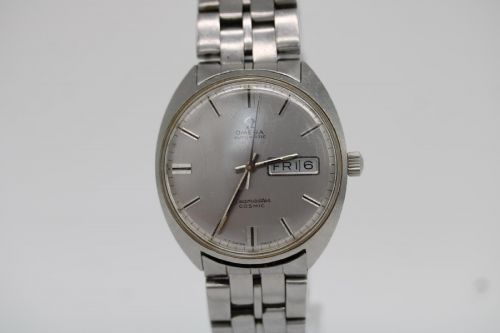
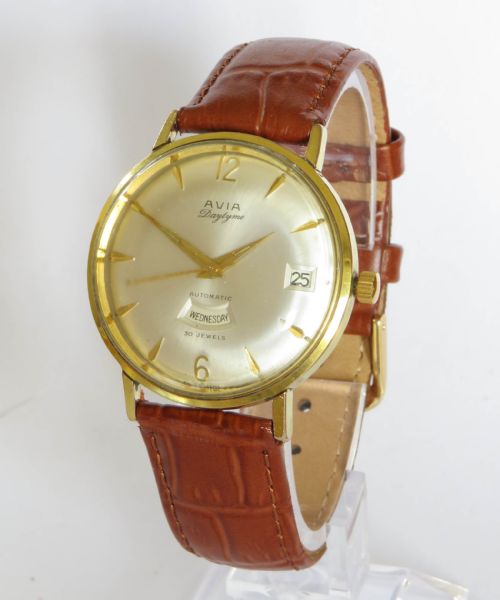
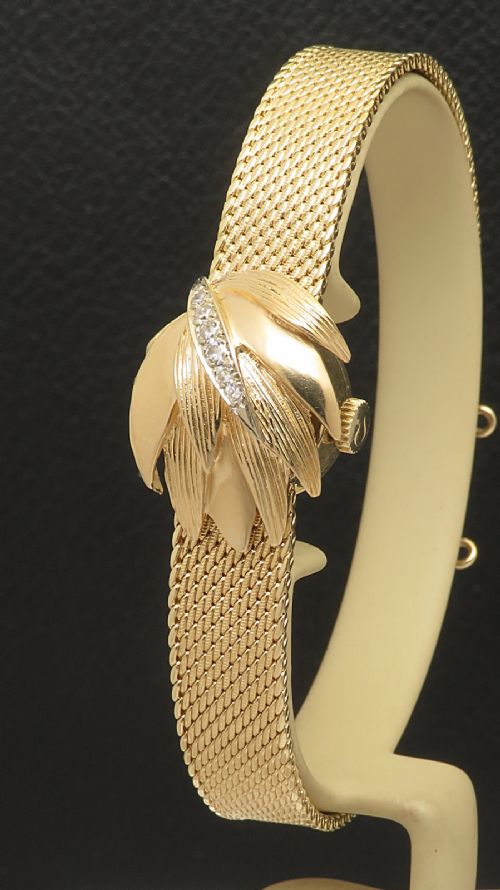
A 1960s vintage wrist watch encompasses both functional gent's models and ornate ladies' cocktail pieces produced during a period of distinct design shifts. You will encounter gentlemen's automatic and mechanical designs alongside dressier iterations shaped by mid-century modern aesthetic ideals.
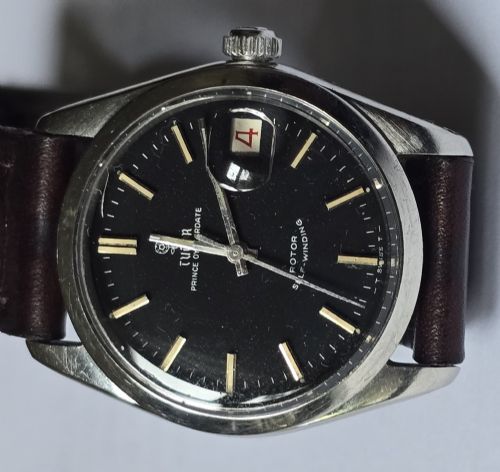
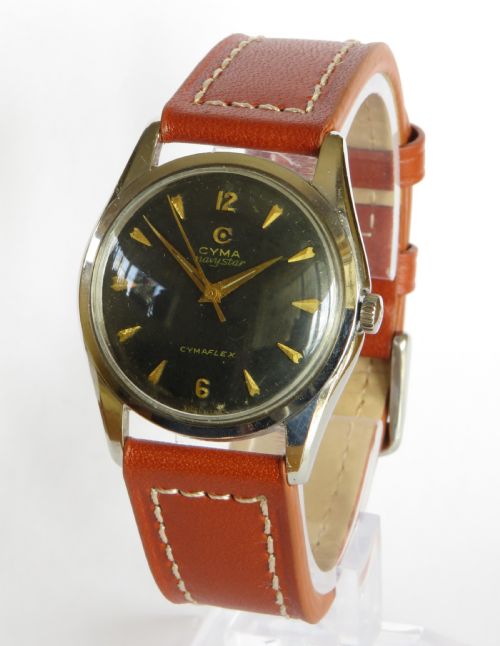
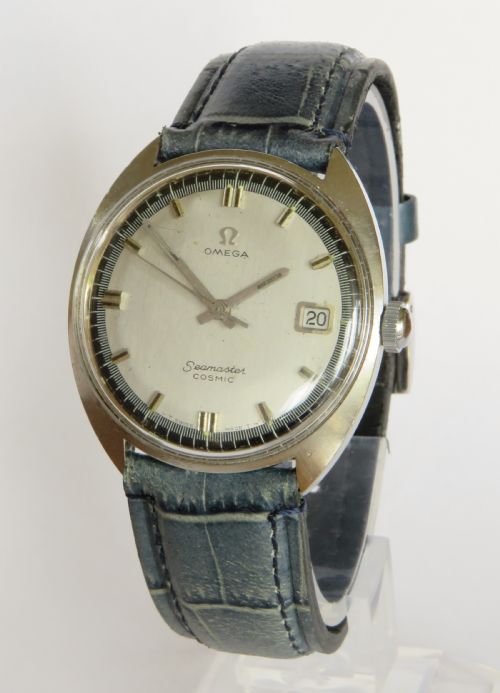
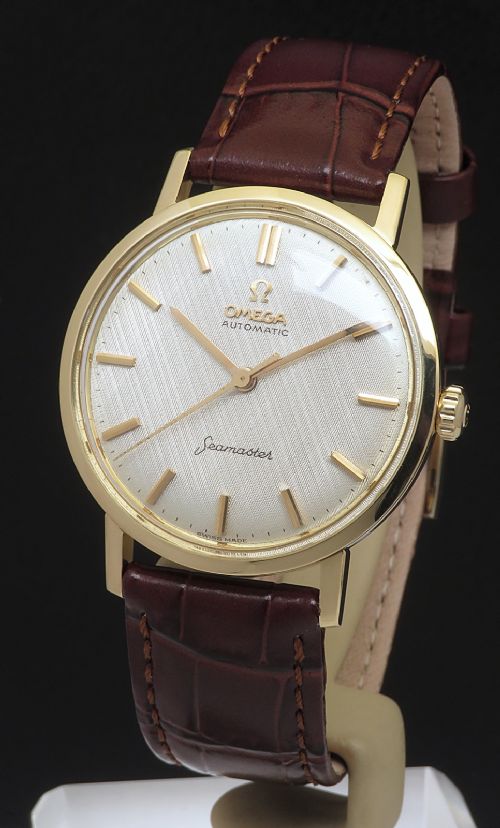
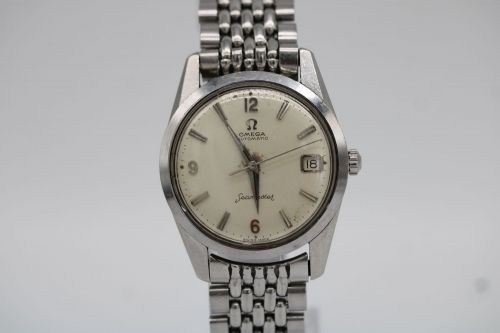
The selections span everyday steel cases from houses like Omega and Tudor as well as precious metal evening iterations set with diamonds. These items reflect the decade's preoccupation with clean dials, robust movements, and wearable geometry.
Materials and Construction
Cases combine stainless steel, gold plate, and solid variants including 9ct gold, 14ct gold, and 18ct white gold, paired with glass or acrylic crystals and leather straps. These components were chosen for durability and refined appearance, housing mechanical automatic and manual-wind movements.
Dials frequently feature applied markers, patinated finishes, and specialised complications like date windows or chronograph functions. Metalwork is executed with crisp lines, while diamond-accented cocktail iterations integrate precious stones directly into hooded or textured bezels.
Some dials aged so gracefully they earned their own character, turning timekeeping into a subtle canvas of natural wear.
Distinctions in Standard
Quality separates objects by the original grade of their metalwork, the complexity and finish of the internal calibre, and the preservation of original factory components. Examples retaining signed crowns, original boxes, and untouched dials command greater interest than those altered over time.
The tier of a piece also rests on whether it is cased in solid gold or stainless steel versus gold-plate, alongside the presence of high-grade mechanical movements from established workshops.
Omega·Tudor·Cyma·Bulova·Rolex·Seiko·Tissot·Zenith·Eterna·Girard Perregaux·Garrard·Mappin
The 1960s Vintage Wrist Watch Glossary
- Calibre
- The internal mechanical movement or mechanism of a watch, designated by the manufacturer by specific numbers or names. It dictates the technical capability and lineage of the piece.
- Automatic
- A self-winding mechanical movement that uses the natural motion of the wearer's wrist to power the mainspring. This removes the need for daily manual winding.
- Patinated Dial
- A dial surface that has naturally aged over decades, often developing a subtle discoloration or texture. Collectors frequently prize this organic sign of authenticity.
- Oysterdate
- A trademarked waterproof case system combined with a date display function. This construction protects the internal movement from moisture and dust.
1960s Vintage Wrist Watch: Frequently Asked Questions
How do I wind a vintage mechanical watch?
Gently rotate the crown clockwise between your thumb and forefinger until you feel light resistance. Avoid overwinding, as this can strain the internal mainspring.
For automatic models, simply wearing the piece throughout the day provides sufficient motion to keep the movement powered.
Are these watches waterproof?
Most vintage timepieces lack modern waterproof seals due to their age and wear on gaskets. Even models originally designated as water-resistant should be kept away from water.
Protect the movement by removing the watch before swimming, showering, or washing hands.
How often should a 1960s watch be serviced?
Mechanical watches require periodic lubrication and cleaning to ensure the oils do not dry out and cause friction. A professional service every few years keeps the movement accurate.
Proper maintenance preserves the delicate gears and extends the working life of the internal calibre.
What is the difference between a manual and automatic watch?
Manual-wind watches require you to turn the crown by hand daily to store energy in the mainspring. Automatic watches feature a weighted rotor that winds the spring automatically as you move.
Both systems rely on traditional mechanical gears rather than batteries or electronic circuits.