
1960s Swiss Watch
A 1960s swiss watch offers clean mid-century horological design coupled with mechanical reliability, making it a sought-after piece for daily wear or collection.
1960s Swiss Watch
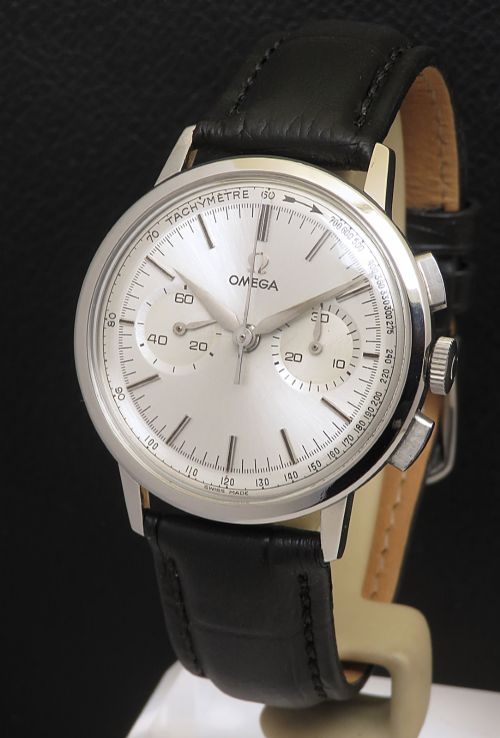
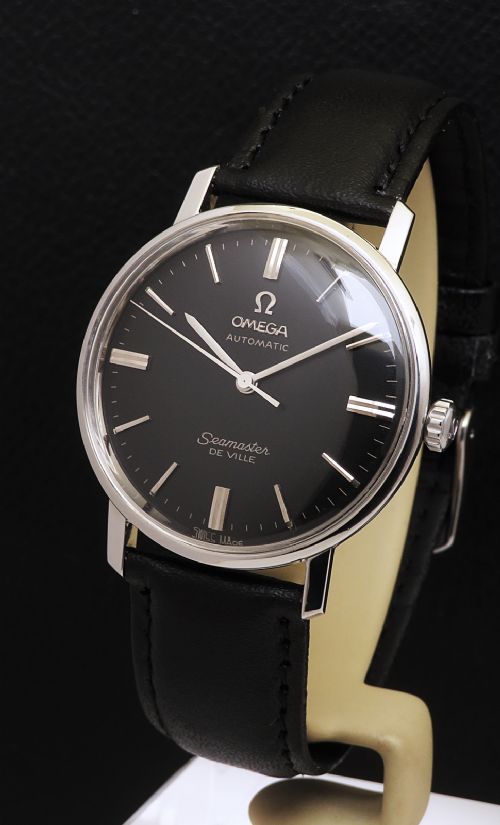
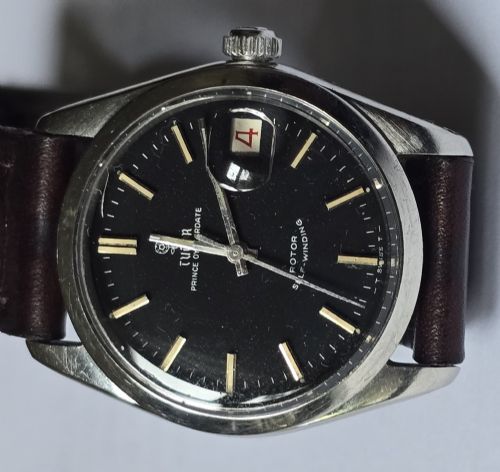
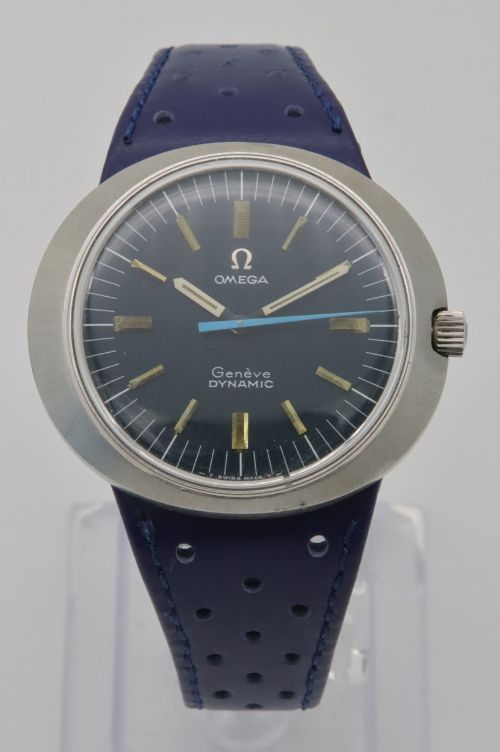
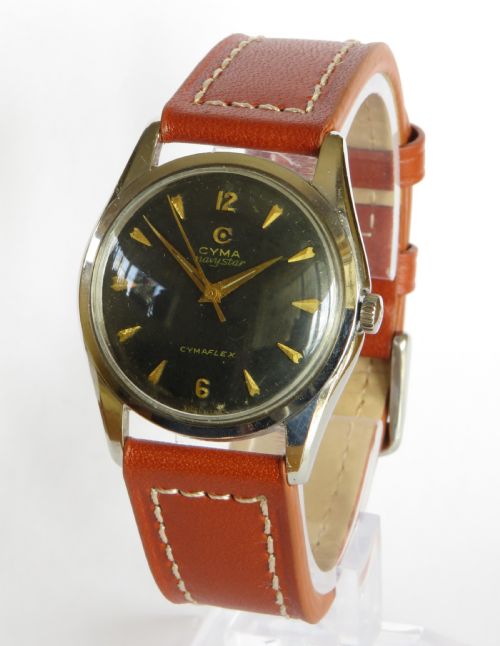
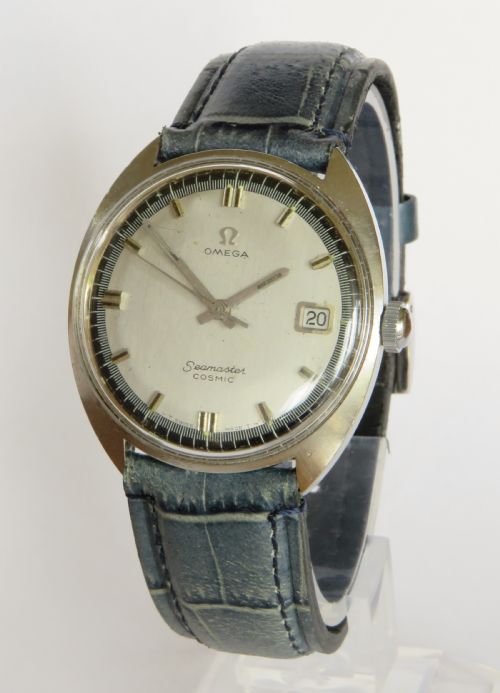
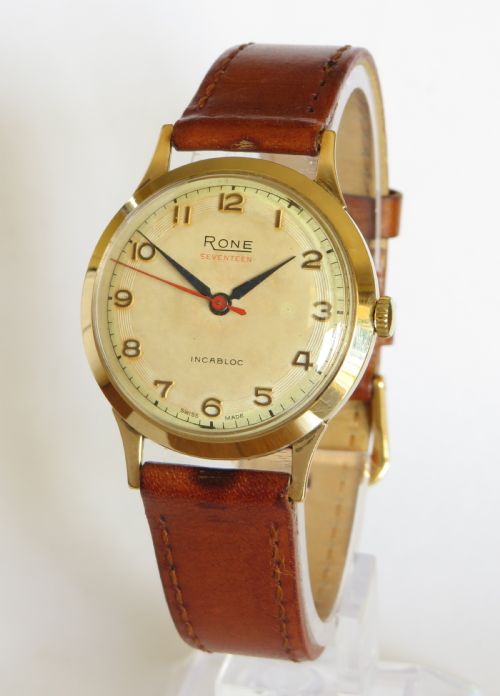
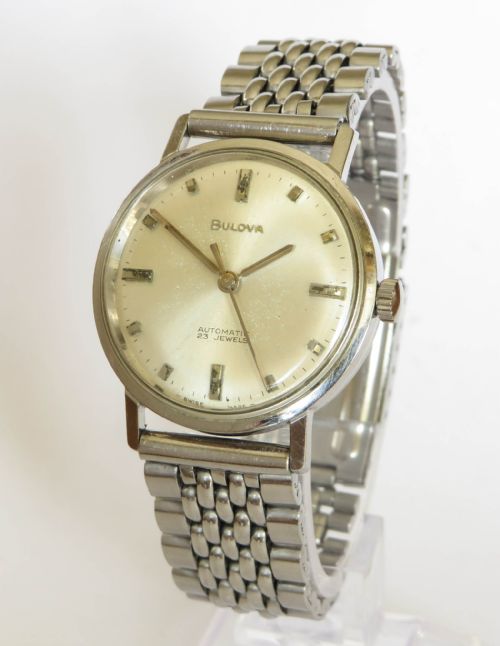
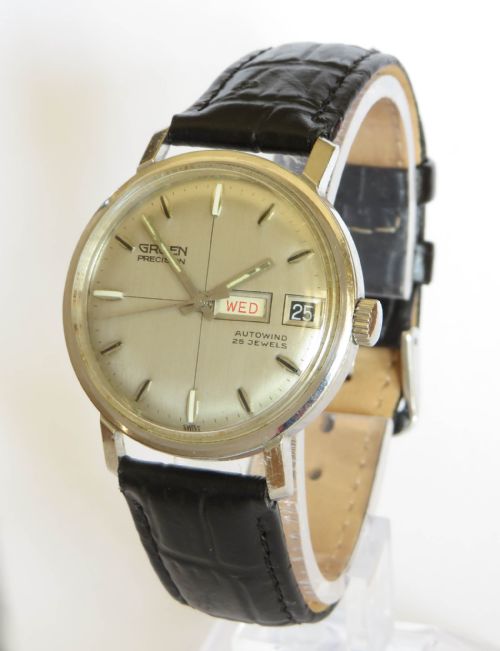
When searching for a 1960s swiss watch, collectors encounter mechanical wristwatches spanning dress, chronograph, and diver forms produced during the mid-century period. These items reflect mid-century modern and 1960s modern design aesthetics, typically categorised as wristwatches or wrist watches.
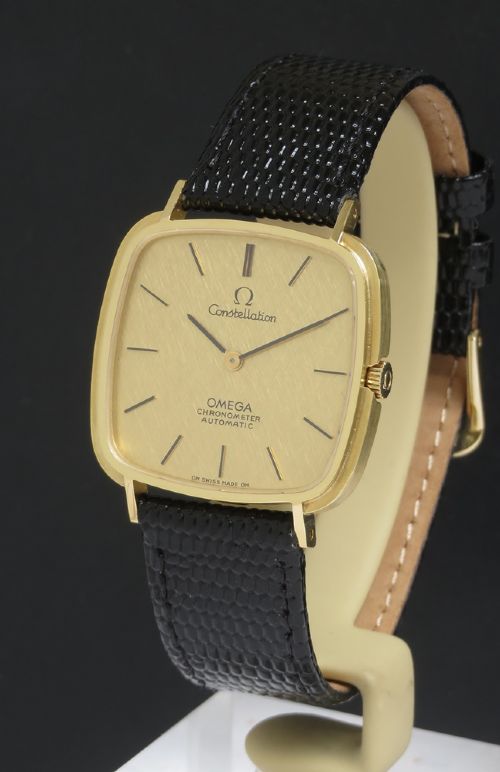
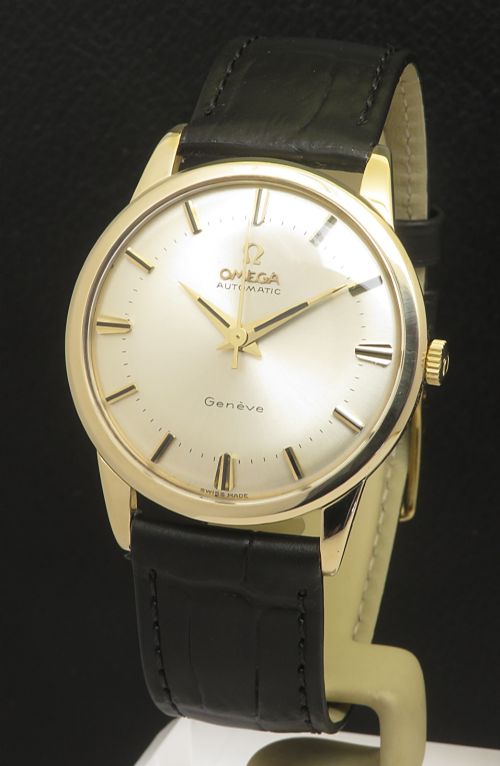
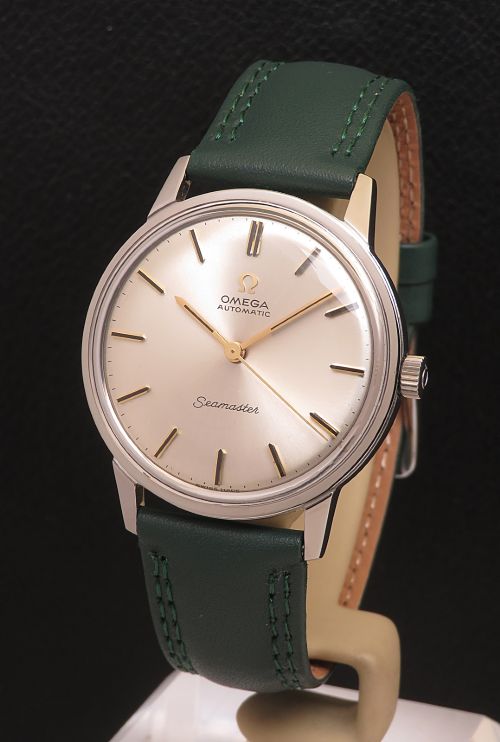
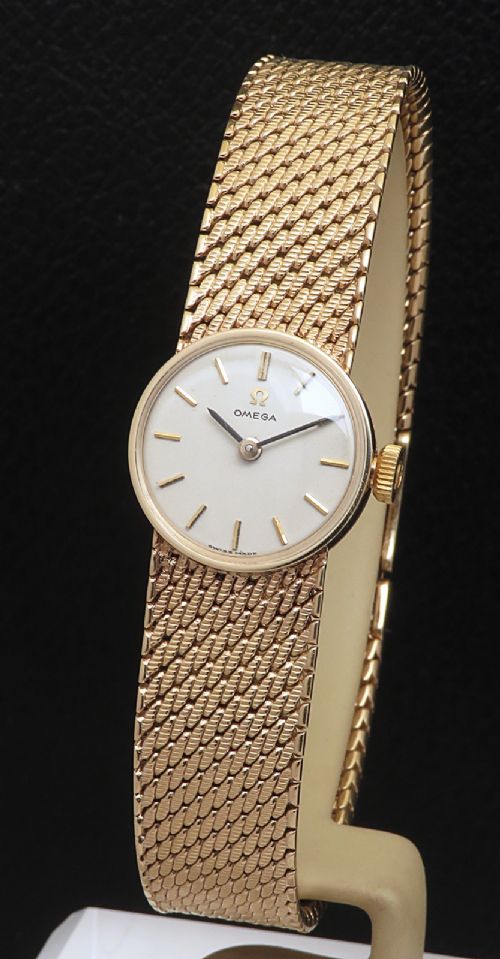
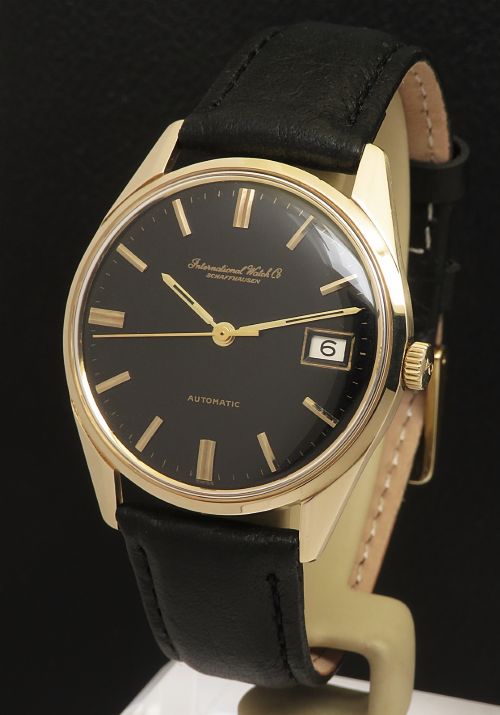
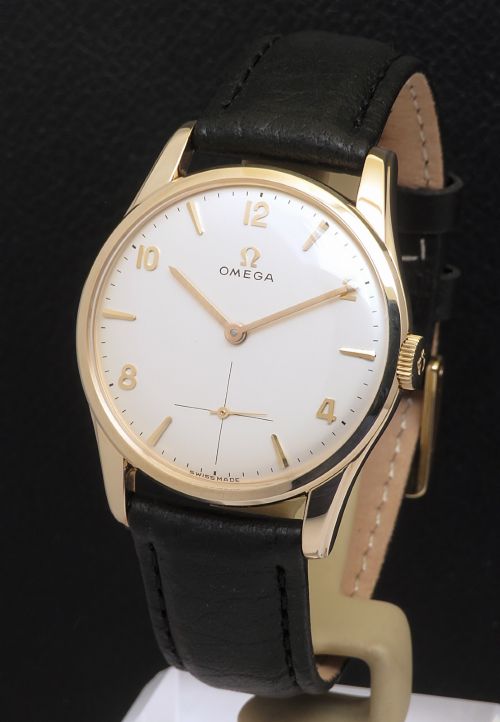
The most common examples on this page are gent's automatic or manual-wind wristwatches housed in stainless steel or gold-plated cases, alongside solid 9ct and 18ct gold models. Prominent series like the Omega Seamaster, Constellation, and Geneve appear frequently, alongside pieces by other Swiss makers.
How They Were Made
Cases of a 1960s swiss watch are constructed from stainless steel, gold plate, or solid 9ct and 18ct white or yellow gold, housing mechanical movements driven by manual wind or automatic calibres. Dials are protected by acrylic or acrylic glass crystals, often paired with leather straps or matching gold bracelets.
Movements utilise precision gear trains, jewelled bearings, and escapements designed for accuracy, frequently housed in waterproof or dust-resistant Oysterdate and hermetic case designs. Finishing techniques involve sunburst brushing on dials, signed crowns, and detailed caseback engravings.
Drivers editions feature rotated dials so motorists could check the time effortlessly while keeping both hands firmly on the steering wheel.
What Varies in Quality
The distinction between tiers of a 1960s swiss watch rests on the grade of the movement, such as chronometer certification versus standard calibres, and the preciousness of the case material from stainless steel to solid 18ct gold. Originality of components - including matching dials, signed crowns, and hands - dictates the desirability of an example.
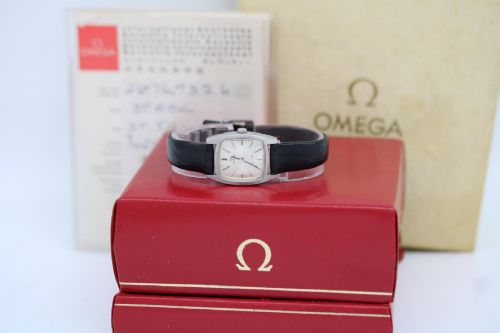
Preservation of case geometry, sharp hallmarks, and dial condition without excessive restoration separate average items from museum-quality pieces. The presence of original documentation, boxes, and factory papers further elevates an example within the secondary market.
Omega·Tudor·Cyma·Bulova·Gruen·IWC·Rolex·Avia·Marvin·Tissot·Gloriosa·Longines·Breitling·Certina·Rone
The 1960s Swiss Watch Glossary
- Automatic
- A self-winding mechanical movement that uses a weighted rotor to wind the mainspring through the natural motion of the wearer's wrist. This system became standard for convenience in mid-century horology.
- Chronometer
- A high-precision watch movement that has been tested and certified to meet strict standards for accuracy over several days in various positions and temperatures. These movements represent the upper tier of mechanical performance.
- Calibre
- The specific manufacturer's model designation for the internal movement of a watch. Collectors reference these numbers to identify the exact mechanical generation of a piece.
- Acrylic glass
- A lightweight, shatter-resistant form of transparent plastic used for watch crystals during the mid-century period. It can be easily polished to remove minor surface scratches.
- Panda dial
- A watch dial design featuring a contrasting light background with dark sub-dials, resembling the face of a panda. This layout is particularly associated with mid-century chronographs.
1960s Swiss Watch: Frequently Asked Questions
How do I wind a manual watch?
Turn the crown clockwise between your thumb and forefinger until you feel gentle resistance. Stop immediately to avoid over-winding and damaging the mainspring.
Do this at roughly the same time each day to maintain steady tension and accurate timekeeping throughout wear.
Are these watches waterproof?
Mid-century water resistance relies on rubber gaskets and caseback seals that degrade over decades. Even models marked waterproof or hermetic should avoid moisture today.
Modern humidity and water immersion will ruin vintage dials and movements unless professional seals have been recently fitted.
What is a chronometer?
A chronometer is a mechanical watch movement that has passed rigorous independent testing for accuracy under varied conditions. These pieces carry official certification of their precision.
Such movements usually feature higher jewel counts and superior regulation compared to standard commercial calibres.
How often should they be serviced?
Mechanical watches require periodic cleaning and lubrication of their internal gears every few years to prevent wear on moving metal parts. Oils dry out over time and cause friction.
A professional watchmaker dismantles the movement, cleans the components, and oils them before regulating the timekeeping.