
1960s Swiss Timepiece
A 1960s swiss timepiece offers mechanical precision and mid-century design, bringing enduring horological craftsmanship straight to your wrist.

1960s Swiss Timepiece
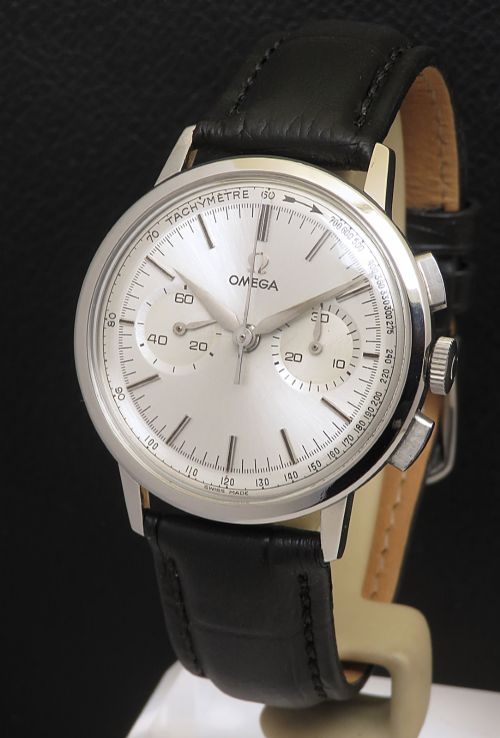
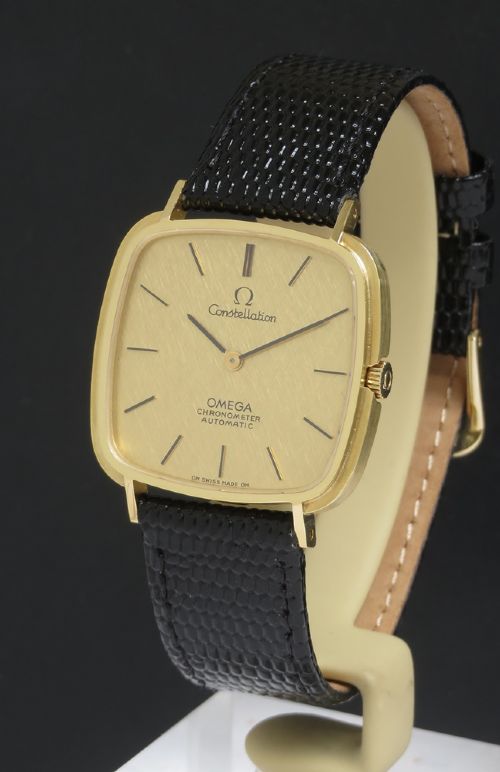
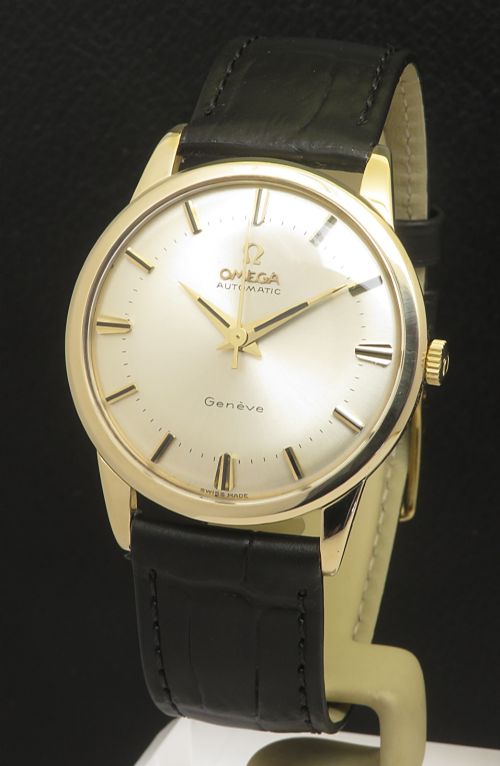
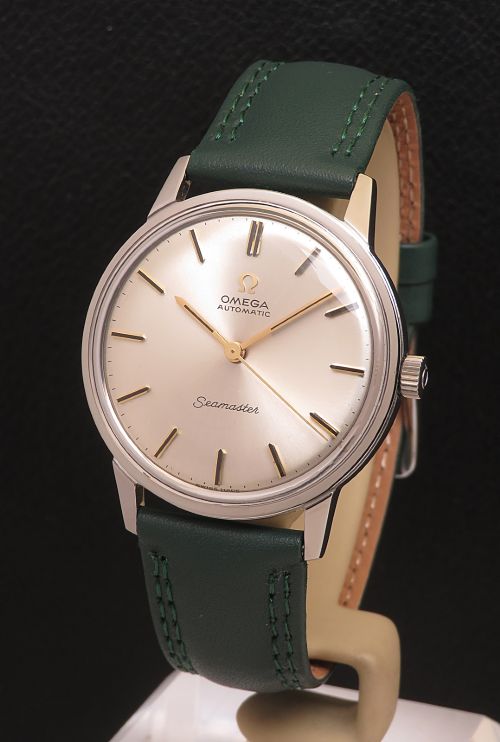
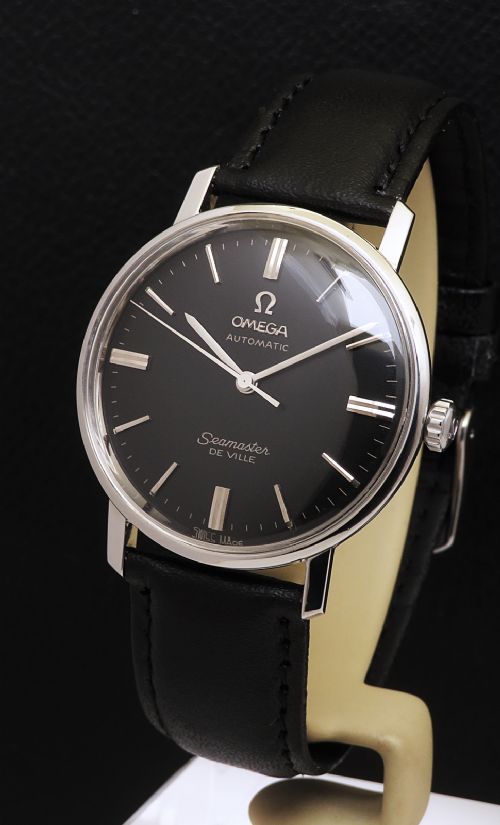
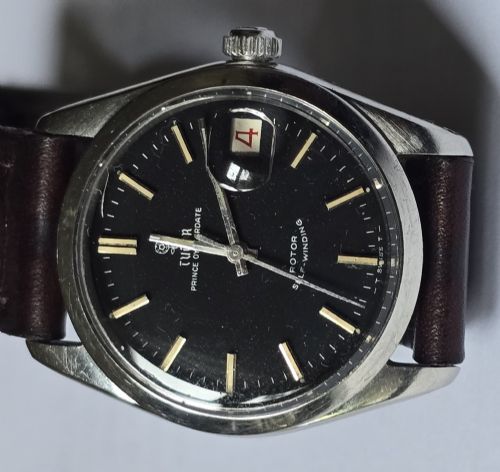
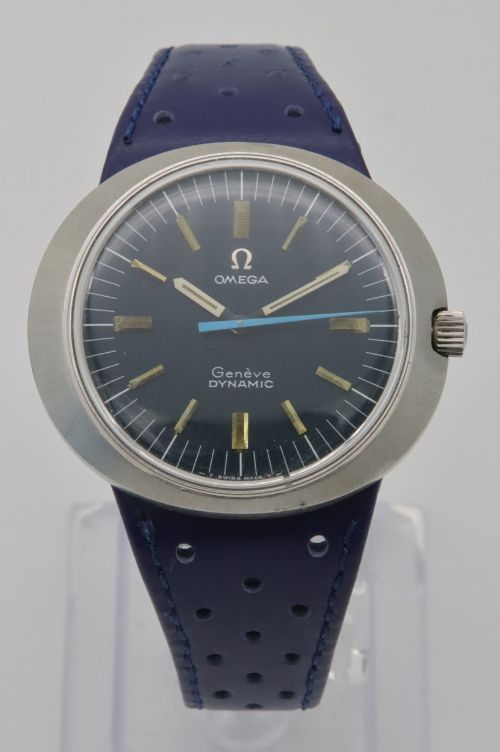
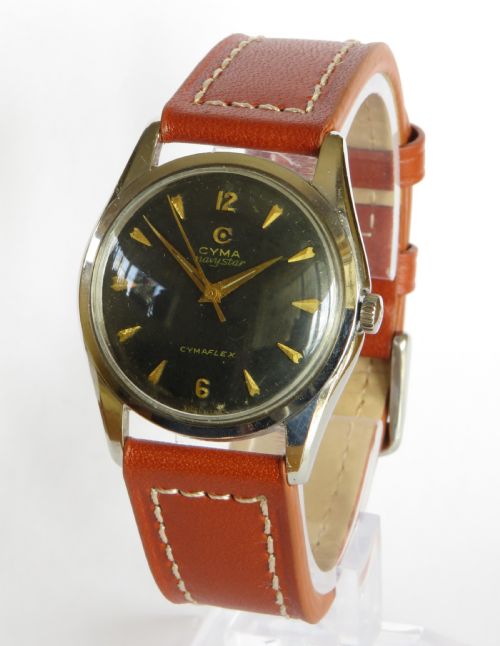
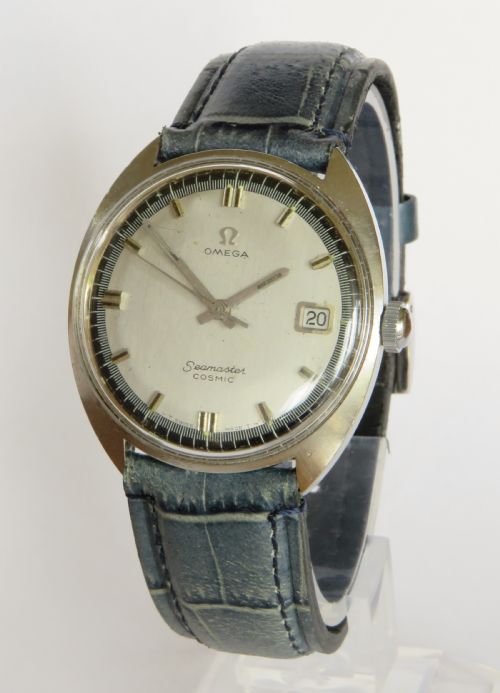
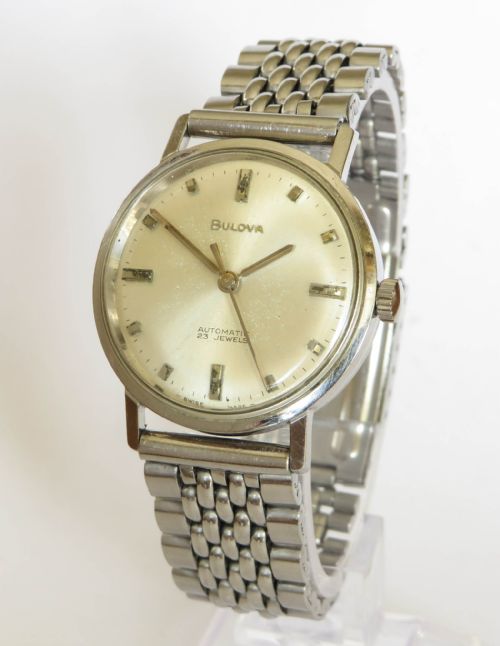
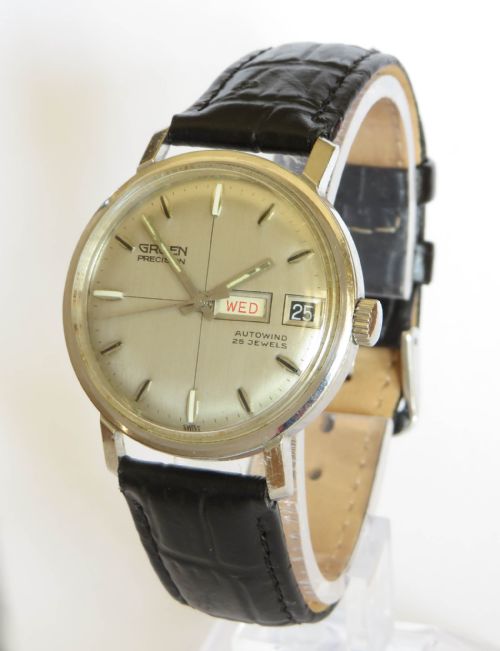
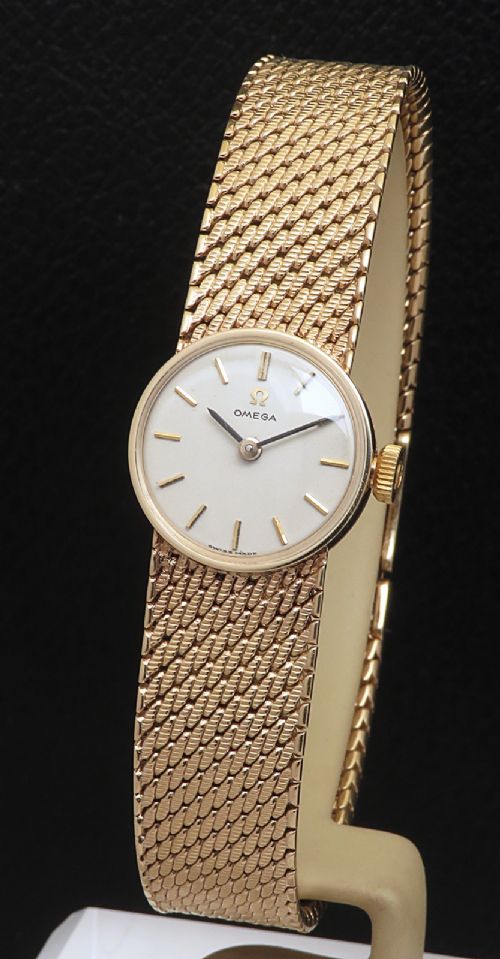
A 1960s swiss timepiece encompasses wristwatches, cocktail watches, and clocks originating from Swiss makers during the mid-century period. Buyers seek these items for their mechanical movements, enduring design styles, and historical associations with prominent watchmakers.
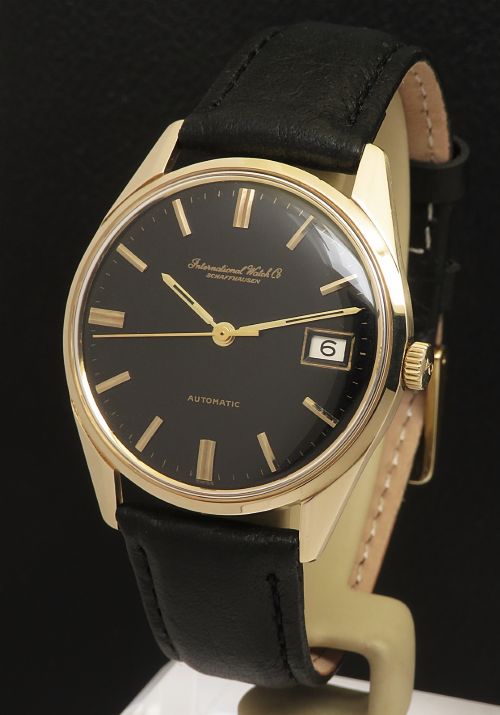
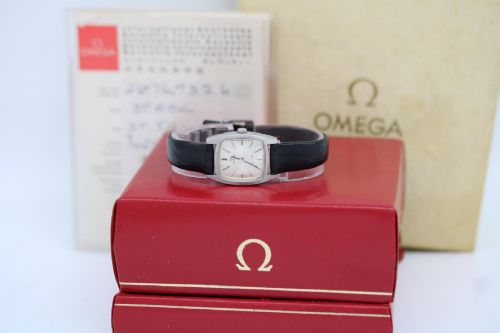
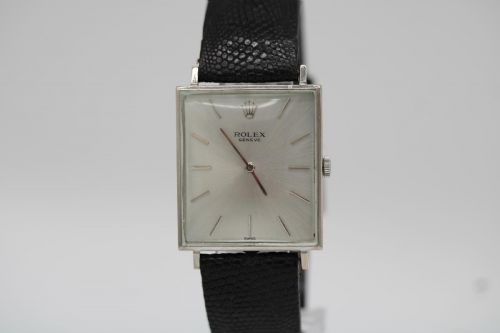
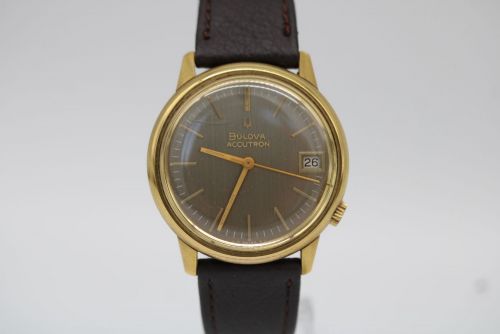
The selections available here lean heavily toward gents wristwatches and ladies dress models produced between nineteen-fifty and nineteen-ninety. Forms range from robust stainless steel divers and chronographs to refined gold dress pieces fitted with leather straps.
How They Were Made
Cases utilise metals such as stainless steel, gold plate, solid nine-carat gold, and eighteen-carat white gold, sometimes accented with diamonds and glass or acrylic crystals. Movements rely on intricate mechanical engineering, requiring manual winding or automatic rotor mechanisms to drive the hands.
Dials and markers show meticulous finishing, often paired with fitted leather straps or integrated metal bracelets. Materials were selected for durability and aesthetic harmony, reflecting the modern design ethos of the era.
Listings feature items spanning the 1950 and 1960 periods, utilising materials like acrylic, gold plate, and 18ct white gold.
What Varies in Quality
Distinction across the range depends on the complexity of the movement, such as chronometer certification or chronograph functions, alongside the preciousness of the metal case. Solid gold housings and high-jewel calibres sit at the upper end of horological output.
Completeness also dictates standing, with original boxes, papers, signed crowns, and factory bracelets elevating a piece above those lacking documentation or retaining replacement components.
Omega·Tudor·Bulova·IWC·Rolex·Longines·Zenith·Eterna·Cyma·Gruen·Avia·Marvin·Gloriosa·Certina·Girard Perregaux·Ensign
The 1960s Swiss Timepiece Glossary
- Calibre
- The specific internal mechanical movement manufactured for a watch. This term identifies the exact design and maker of the gear train and escapement inside the case.
- Chronometer
- A high-precision watch movement that has passed rigorous accuracy tests conducted by an official Swiss testing authority. These mechanisms represent the pinnacle of mid-century timekeeping reliability.
- Automatic
- A self-winding mechanical movement that uses a weighted rotor to power the mainspring through the natural motion of the wearer's wrist. This innovation freed owners from daily manual winding.
- Oyster
- A term denoting a water-resistant watch case design featuring a screwed-down crown and case back. This construction protected the delicate internal movement from moisture and dust.
1960s Swiss Timepiece: Frequently Asked Questions
How do I wind a manual watch?
Rotate the crown clockwise gently between your thumb and forefinger until you feel increasing resistance. Stop immediately to avoid damaging the mainspring.
Perform this action at the same time each day to maintain consistent tension and accurate timekeeping.
Are these watches waterproof?
Vintage models lose their original water resistance due to age, worn gaskets, and degraded seals. Even pieces marked as water-resistant should stay away from water.
Keep them dry and consult a professional watchmaker before exposing any vintage case to moisture.
What is an automatic movement?
An automatic movement winds itself using an internal weighted rotor that pivots as your arm moves throughout the day. This keeps the mainspring fully tensioned without manual intervention.
If left sitting for days, the power reserve depletes and the watch stops until reworn or manually wound.
How should I store my watch?
Keep your timepiece in a dry, temperature-controlled environment away from direct sunlight and strong magnetic fields found near speakers or electronics. Storing them in dedicated boxes protects the acrylic crystal and metal case from scratches.
For long-term storage, ensure the piece rests in a stable position free from excessive dust.