


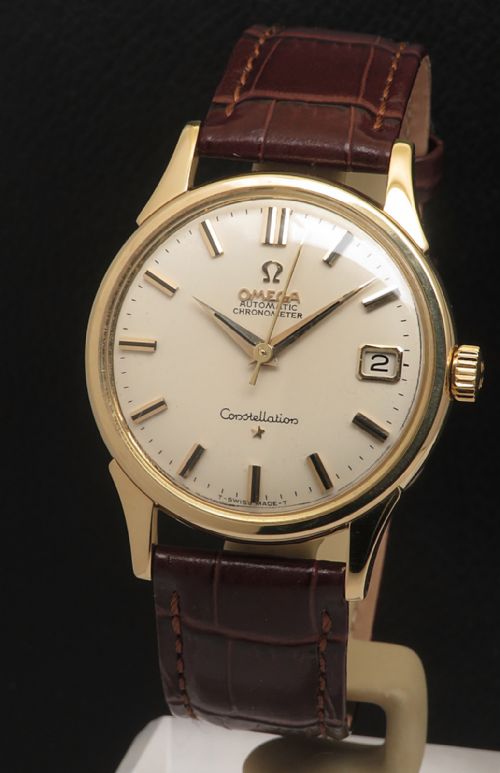

1960s Swiss Movement Watch
A 1960s swiss movement watch brings precise horology and mid-century design to the wrist, offering dependable mechanical reliability.
1960s Swiss Movement Watch
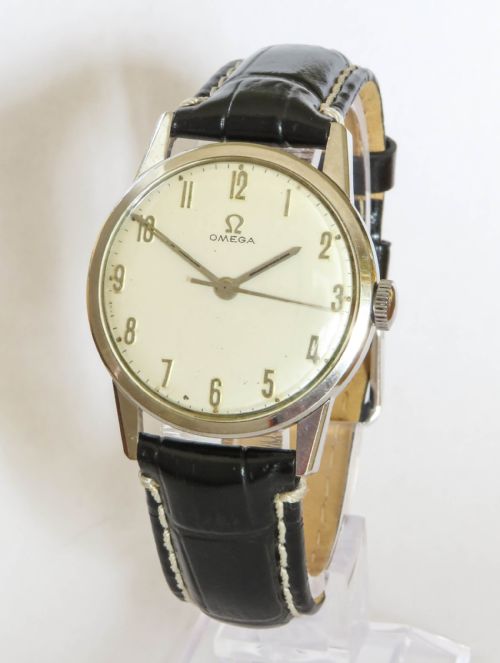
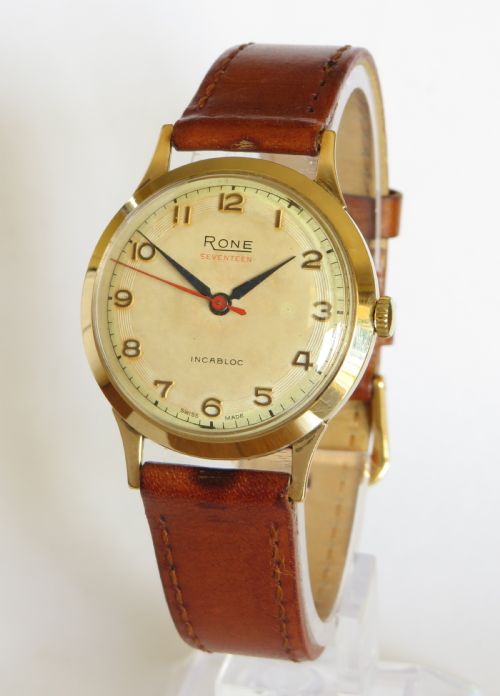
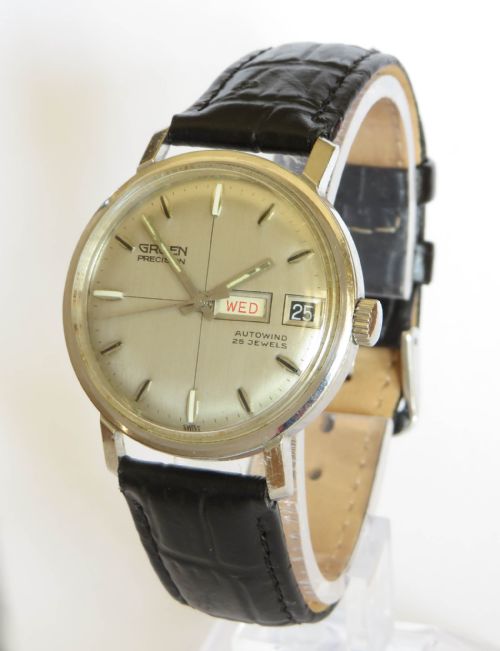
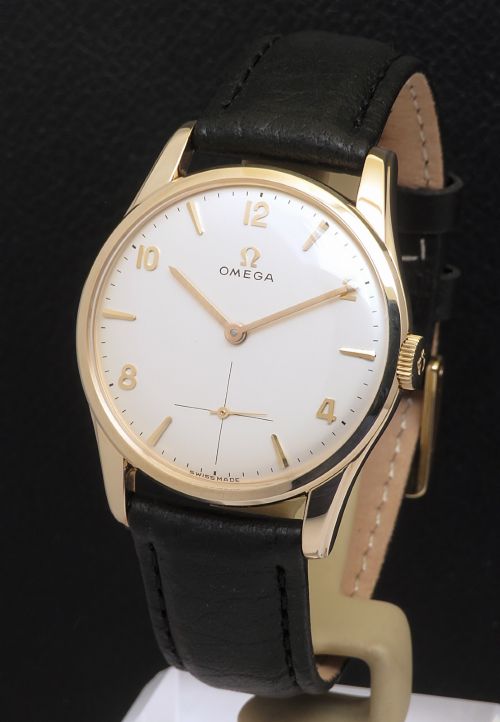
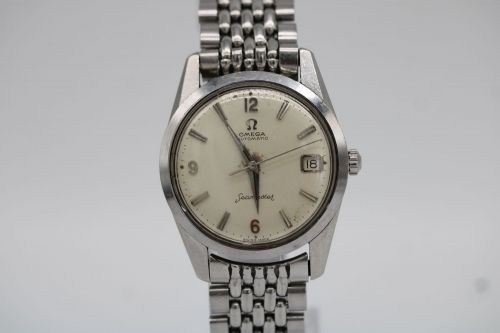
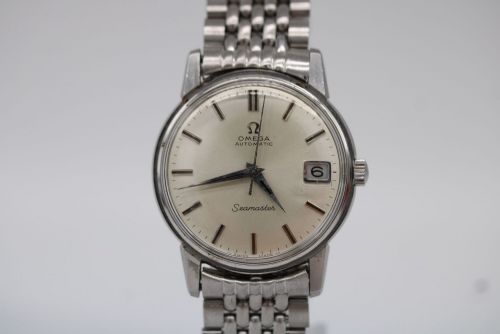
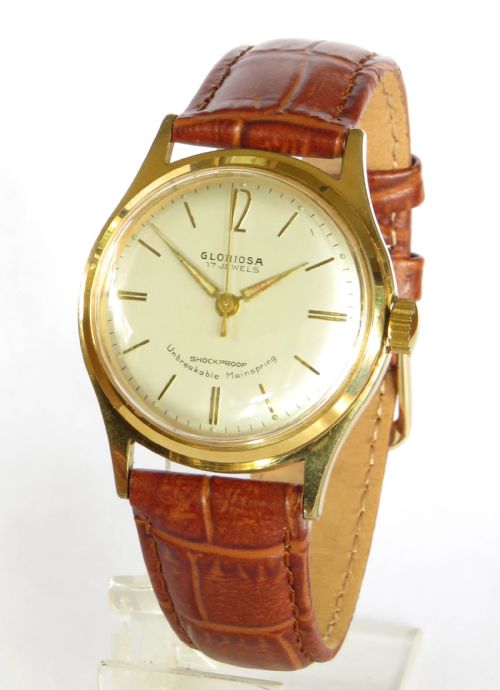
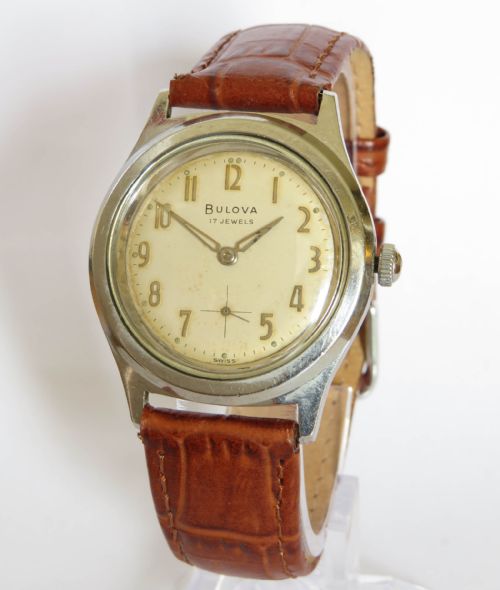
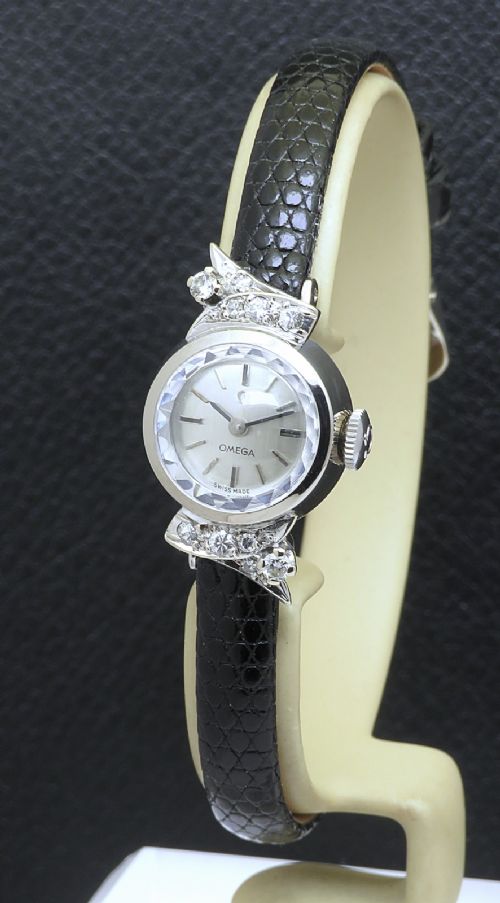
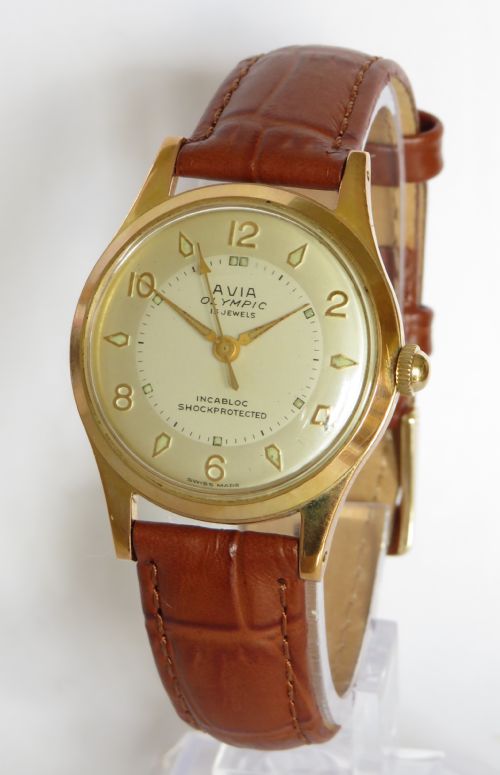
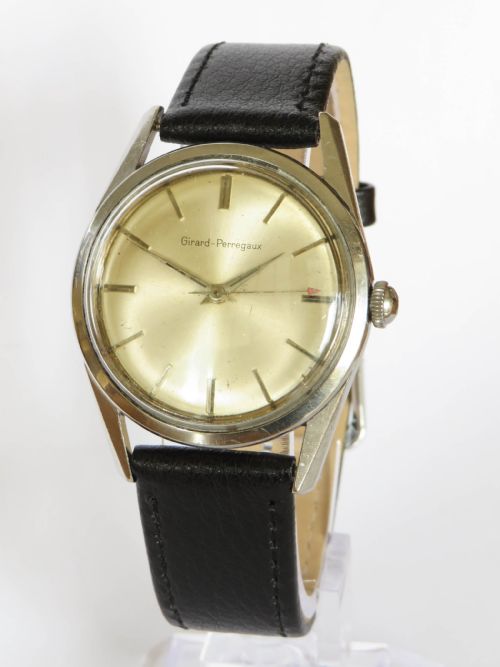
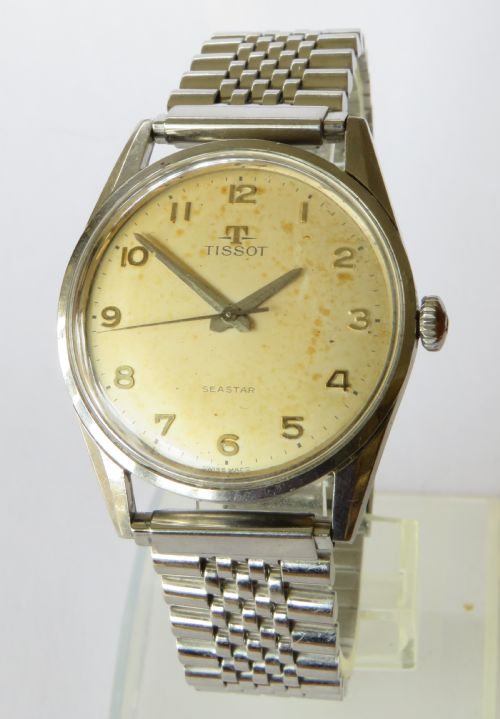
A 1960s swiss movement watch comprises gentleman's wristwatches and ladies' wrist watches produced during the 1960s period. These timepieces display mid-century modern and 1960s horology styles across various forms.
The selection ranges from simple manual wind and automatic date models to sophisticated chronographs and cocktail pieces. Buyers frequently encounter gentlemen's pieces alongside solid gold ladies' variants fitted with original boxes.
Materials and Construction
Casses utilise stainless steel, gold plate, 9ct gold, and 18ct white gold, sometimes accented with diamonds. Dials are protected by glass or acrylic crystals.
Movements rely on precision mechanical engineering, encompassing manual wind mechanisms, auto-wind systems, and specific calibres housed within durable metal casings.
Assessing Quality and Merit
Material choice dictates baseline standing, shifting from gold-plated and stainless steel housings up to heavy solid 9ct and 18ct gold constructions. The inclusion of precious stones such as diamonds elevates specific cocktail designs.
Completeness and preservation separate standard items from superior examples. Preserved boxes, original factory dial conditions, and documented servicing histories distinguish the finest specimens.
Rone·Gruen·Omega·Gloriosa·Bulova·Breitling·Avia·Eterna-Matic·Girard Perregaux·Tissot·Invicta·Felca·Technos·Consul·Beltane
The 1960s Swiss Movement Watch Glossary
- Automatic
- A self-winding mechanical movement that uses the natural motion of the wearer's arm to wind the mainspring. This system removes the need for daily manual winding.
- Calibre
- The specific internal movement design or model designation used by a manufacturer. It identifies the technical specifications of the mechanical interior.
- Panda dial
- A watch face featuring a light-coloured background with contrasting dark sub-dials. The arrangement creates a distinct visual resembling a panda's face.
- Manual wind
- A mechanical movement requiring the wearer to turn the crown by hand to tension the mainspring. This traditional method drives the gear train.
1960s Swiss Movement Watch: Frequently Asked Questions
How do I wind a manual watch?
Rotate the winding crown clockwise between your thumb and forefinger until you feel gentle resistance. Stop immediately to avoid over-tensioning the internal spring.
Perform this action at a consistent time each day to maintain steady operation and accurate timekeeping throughout your wear.
Are these watches suitable for daily wear?
These vintage timepieces handle daily routines well provided they receive sensible care and regular servicing. Avoid exposing mechanical movements to severe impacts or magnetic fields.
Most period designs lack modern water resistance capabilities, so keeping them away from swimming and heavy moisture remains essential.
What is an automatic watch?
An automatic watch contains an internal weighted rotor that spins as your wrist moves during normal daily activities. This motion transfers energy to the mainspring automatically.
Such systems keep the watch running continuously without manual winding, provided the wearer maintains a regular routine of daily use.
How should I store my vintage watch?
Keep your timepiece in a dry, temperature-controlled environment away from direct sunlight and strong magnetic sources. Dedicated watch boxes or padded storage cases provide ideal protection.
If the watch remains unused for extended periods, allow the movement to run down completely rather than keeping it constantly wound.