


1960s Gold Fine Jewellery
These 1960s gold fine jewellery pieces bring bold mid-century design and precious gemstones together for striking everyday wear.
1960s Gold Fine Jewellery
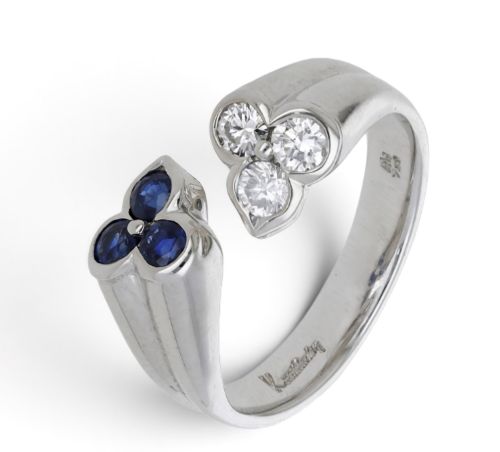
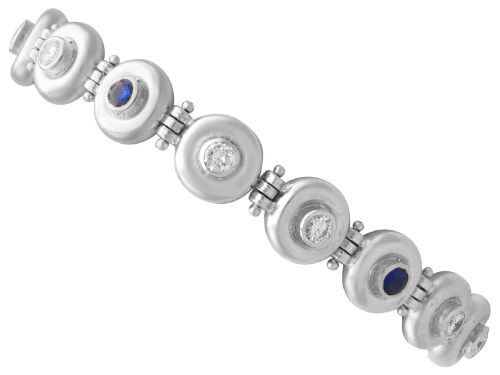
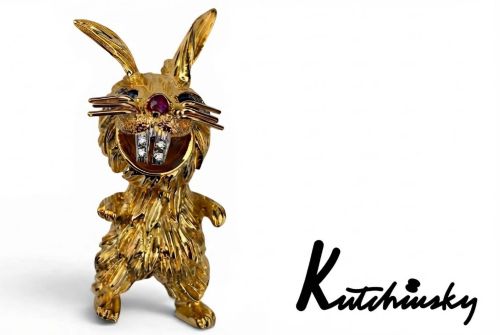
When you search for 1960s gold fine jewellery, you encounter striking rings, earrings, bracelets, necklaces, and novelty brooches shaped by mid-century design. The selection includes characterful animal brooches depicting poodles, rabbits, and ducklings alongside elegant gemstone pieces.
The objects span yellow gold and white gold constructions, often incorporating platinum settings. You will frequently find pieces created in distinctive mid-century modernist styles as well as Victorian revival aesthetics.
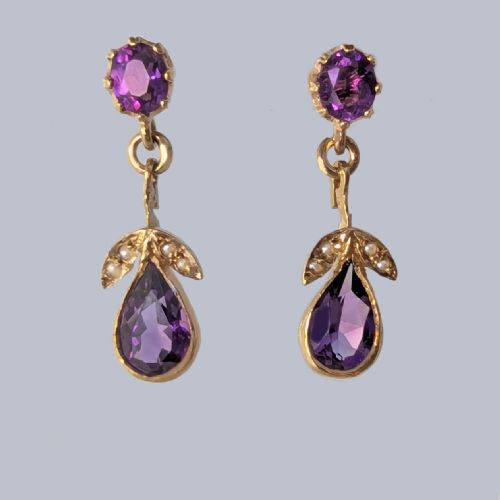
Gemstone combinations define the category, featuring natural sapphires, diamonds, rubies, emeralds, garnets, amethysts, and seed pearls. Many items reflect specific mid-century decades through hallmarked dates and maker signatures.
How they were made
Goldsmiths utilised 18ct gold and 9ct gold alongside 18k yellow and white gold, often combining platinum for secure gemstone settings. Metalwork techniques ranged from cast novelty animal forms to structured articulated bracelets and delicate chain assemblies.
Stone setting involved meticulous claw, bezel, and cluster arrangements to secure diamonds, emeralds, rubies, and sapphires. Jewellers integrated textured gold finishes and polished surfaces to highlight the interplay of precious metals and coloured stones.
What varies in quality
Quality rests upon the originality of the design, the weight of the gold, and the provenance attached to signed pieces by established makers. The distinction between standard commercial output and exceptional work lies in sculptural ambition and gemstone selection.
Natural gemstones with documented origins, such as unheated Colombian emeralds or substantial sapphires and diamonds, elevate a piece. Maker signatures and original boxes further distinguish the finer examples within the category.
Kutchinsky·Andrew Grima
The 1960s Gold Fine Jewellery Glossary
- Hallmarked
- Stamped officially to indicate metal purity, assay office, and year of manufacture. This official mark provides verifiable proof of British or European origin.
- Ballerina ring
- A cluster ring featuring a central stone surrounded by tapered diamonds or baguettes that resemble a dancer's tutu. This distinctive mid-century silhouette maximises visual impact.
- Seed pearl
- A very small, naturally occurring pearl often used in clusters or drop arrangements. They bring a delicate texture to vintage yellow gold mountings.
- Novelty brooch
- A whimsical or pictorial brooch shaped as an animal, flower, or object. These pieces often showcase the playful imagination of 1960s jewellers.
1960s Gold Fine Jewellery: Frequently Asked Questions
How do I care for 1960s gold jewellery?
Clean your gold and gemstone pieces gently with warm soapy water and a soft brush, avoiding harsh chemicals that might harm pearls or emeralds.
Store each item separately in a lined box or pouch to prevent precious metals and diamonds from scratching softer gemstones.
Are these pieces hallmarked?
Many items carry official hallmarks indicating the metal purity, assay office, and exact year of creation. These stamps help verify the mid-century period.
Unsigned or foreign pieces may feature alternative marks or maker stamps that require careful examination by a specialist.
What is mid-century modernist jewellery?
Mid-century modernist jewellery embraces abstract forms, textured gold finishes, and asymmetrical gemstone arrangements. It broke away from traditional revival styles to explore sculptural geometry.
Pieces from this movement often highlight the organic qualities of gold alongside high-value diamonds and coloured stones.
How do I wear a novelty brooch?
Pin animal brooches onto lapels, scarves, or hats to add character to contemporary outfits. Their secure clasps allow them to anchor heavier fabrics easily.
Ensure the pin mechanism fastens firmly before wearing textured gold and gemstone designs on delicate materials.