
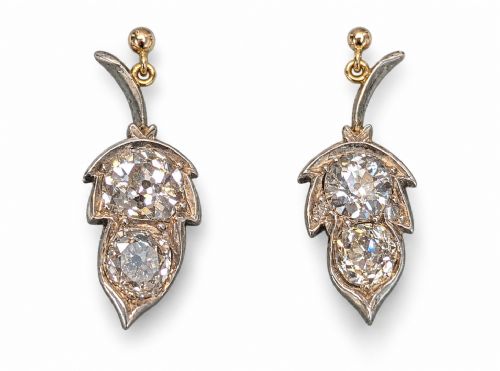
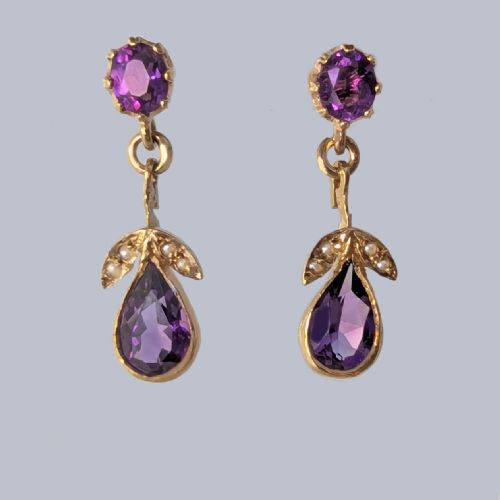
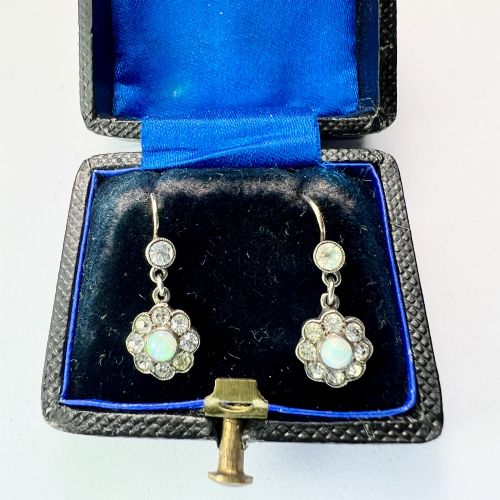


Victorian Style Drop Earrings
Victorian style drop earrings offer the dramatic movement and intricate detailing of the nineteenth century, perfect for adding instant historic character to any outfit.
Victorian Style Drop Earrings
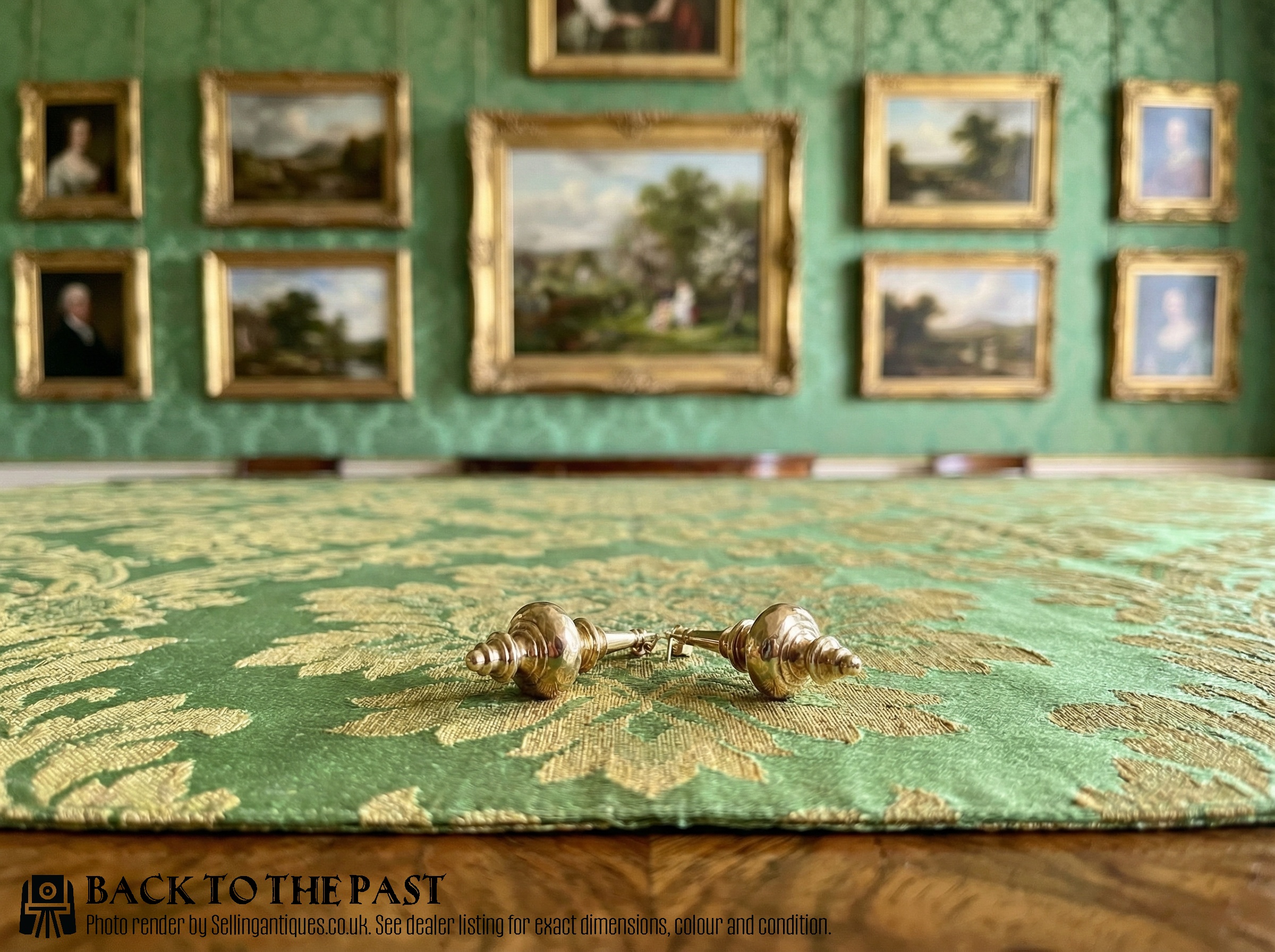
Victorian style drop earrings span actual nineteenth-century pieces alongside later revivals from the Edwardian period, 1920s, 1930s, and mid-twentieth century. When searching for victorian style drop earrings, collectors encounter diverse configurations including dangling tassels, geometric circles, and sunburst motifs.
The materials range from 9ct and 15ct yellow gold to silver gilt, accented with genuine diamonds, amethysts, seed pearls, opals, paste stones, and cameos. Pieces frequently display specific stylistic revivals such as Etruscan Revival and Aesthetic Movement designs alongside classic Victorian shapes.
Materials and Construction Methods
Metals such as silver, 9ct gold, and silver gilt provide the structural foundation for settings, often paired with yellow gold to warm the overall appearance. Gemstones including old cut diamonds, amethysts, seed pearls, and paste are secured in claw or closed-back settings characteristic of the period.
Techniques involve intricate metalwork like granulation and wirework seen in Etruscan Revival pieces, alongside delicate chain drops and screwback mechanisms. Artisans utilised natural materials including tortoiseshell, white chalcedony, coral, and banded agate alongside traditional hand-cut gems.
The listings combine Victorian originals with twentieth-century revivals spanning the Edwardian era through the 1960s, utilising silver, gold, and diverse gemstones.
Assessing Quality and Craftsmanship
The presence of hallmarks, the complexity of motifs like tassels or sunbursts, and the condition of fragile organic elements like seed pearls and tortoiseshell dictate the standing of individual pieces.
Knoll and Pregizer
The Victorian Style Drop Earrings Glossary
- Paste
- Hand-cut glass used as a gemstone substitute in historic jewellery. It mimics the brilliance of diamonds or coloured stones with considerable skill.
- Seed Pearl
- Very small natural pearls threaded or set closely together. They create delicate, textured patterns popular in Victorian and Edwardian pieces.
- Old Cut Diamond
- A diamond cut by hand before modern machinery existed. These stones possess smaller tables and deeper pavilions that produce a softer, candlelight sparkle.
- Silver Gilt
- Silver covered with a thin layer of gold. This technique provides the warm tone of gold while utilising a silver base.
Victorian Style Drop Earrings: Frequently Asked Questions
Are these earrings comfortable for daily wear?
Historic drop earrings vary in weight depending on the metal and stones used. Many feature secure hook or screwback findings designed to distribute the load comfortably.
Lighter pairs containing seed pearls or small paste stones suit regular use, while substantial diamond or gemstone drops are better reserved for special occasions.
How do I distinguish original Victorian from revival styles?
Original Victorian pieces date from the nineteenth century and reflect the specific manufacturing techniques and material preferences of that era. Revival pieces replicate those historic aesthetics but often date from the Edwardian period or mid-twentieth century, sometimes bearing later hallmarks.
Examining the construction methods, findings, and metal purity marks helps determine the exact period of manufacture.
What care do antique drop earrings require?
Organic materials such as pearls, coral, tortoiseshell, and amber need gentle handling and protection from harsh chemicals, cosmetics, and ultrasonic cleaners. Metal components and hard gemstones can be cleaned with a soft cloth and mild soapy water when necessary.
Store each pair separately in a lined box to prevent scratching and tangling of delicate chain drops.
Why do some earrings use paste instead of real gems?
Historic jewellers frequently employed high-quality paste glass to achieve dramatic, large-scale designs without prohibitive costs. Paste was valued for its own decorative merit and exceptional hand-cut facets rather than merely serving as a substitute.
These glass stones offer unique optical properties and vibrant colours characteristic of period paste work.