
1960s Dress Watch
A 1960s dress watch brings mid-century modern styling and mechanical reliability to the wrist, offering an understated elegance that appeals to collectors and daily wearers alike.
1960s Dress Watch
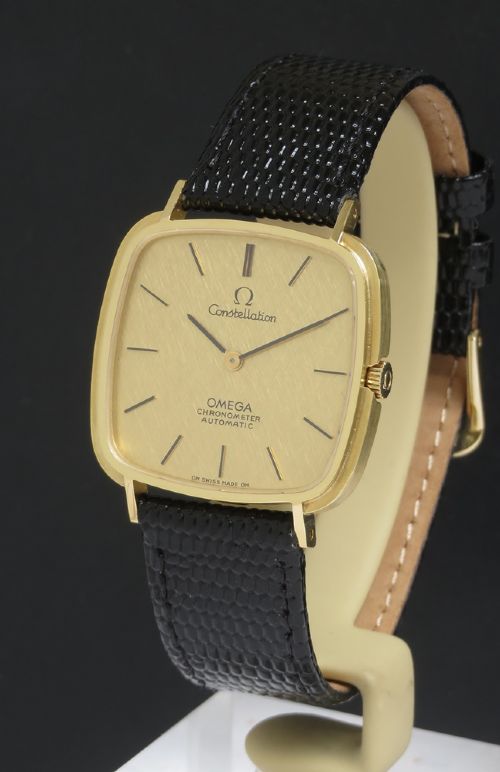
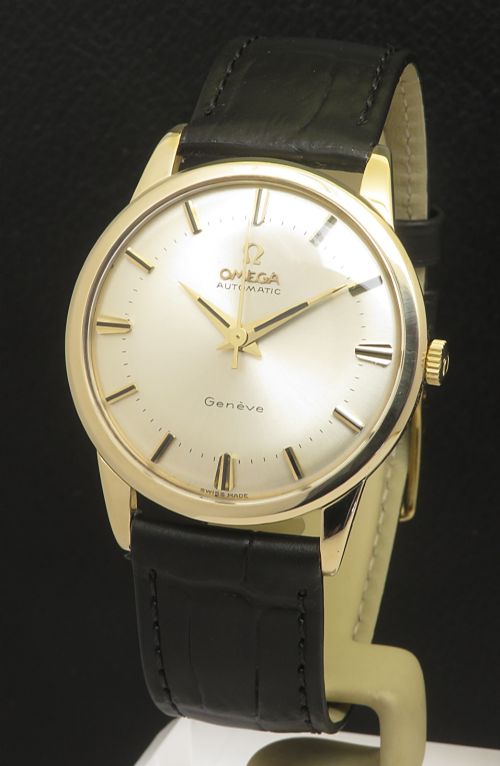
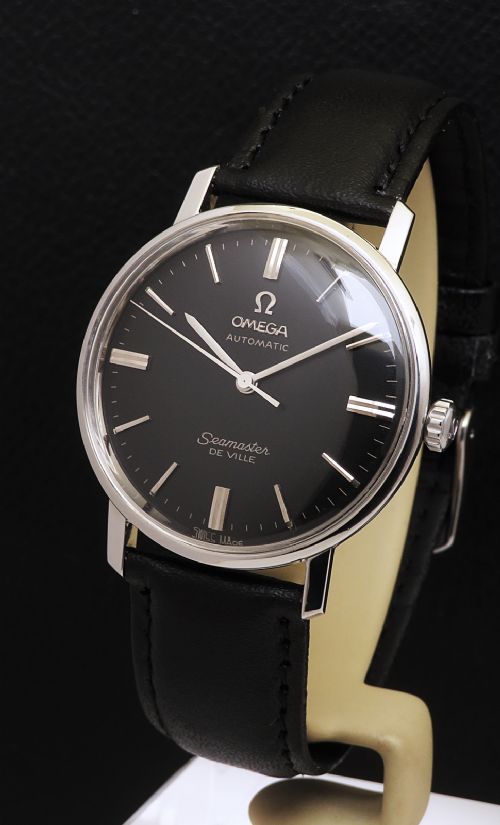
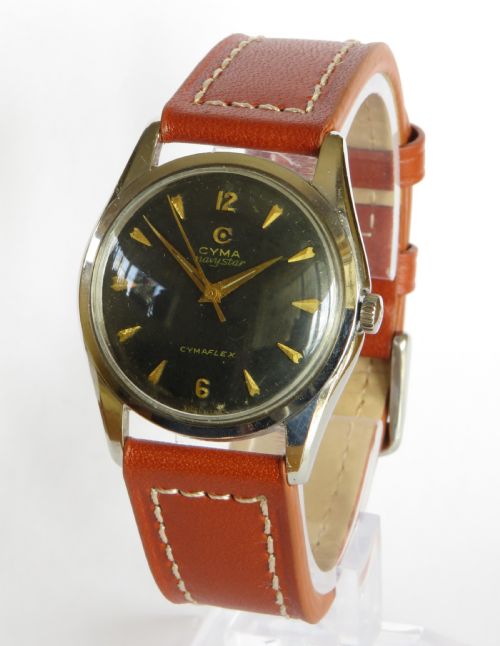
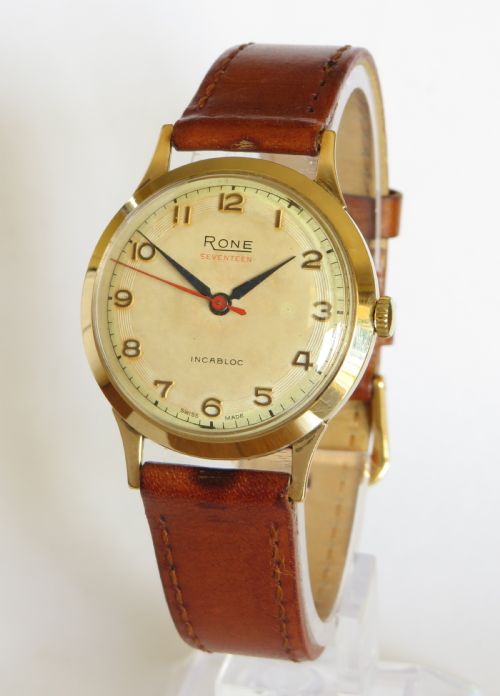
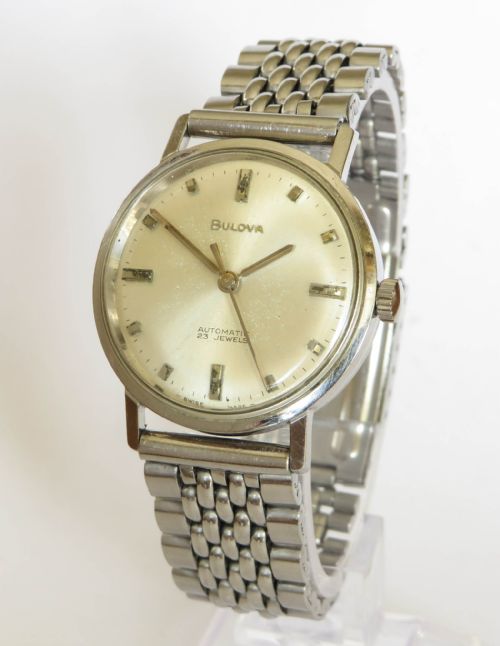
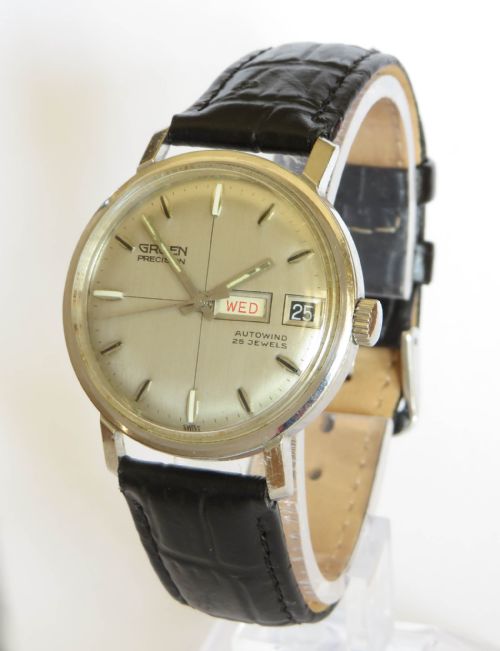
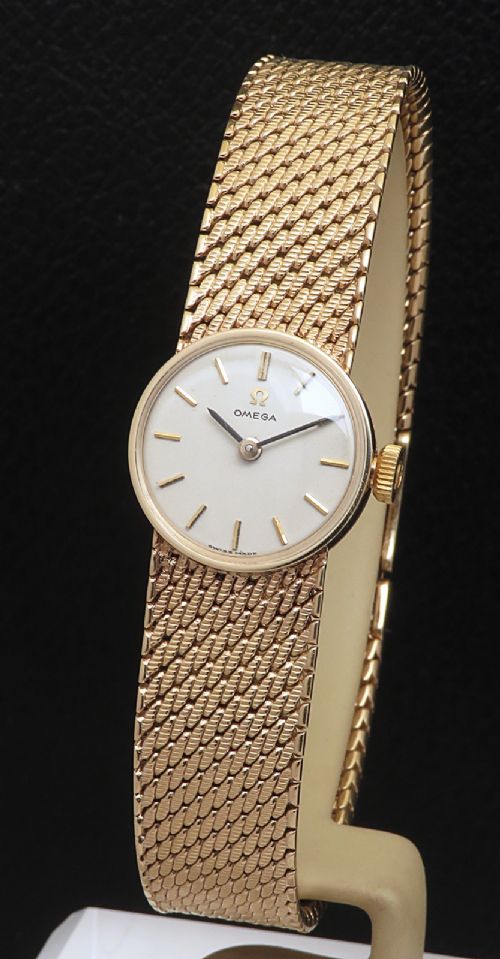
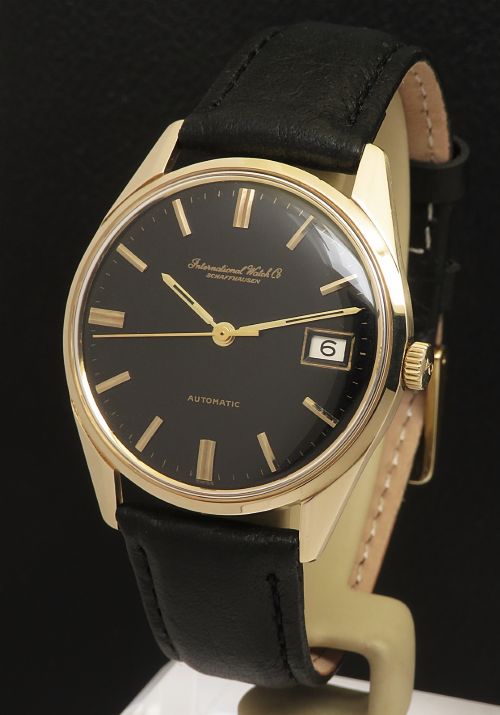
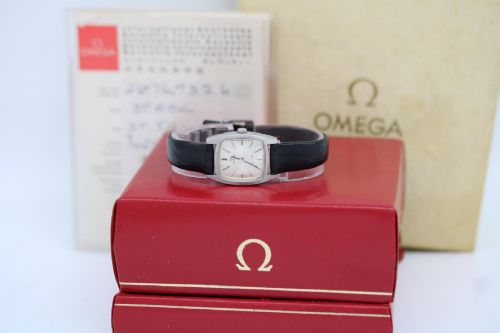
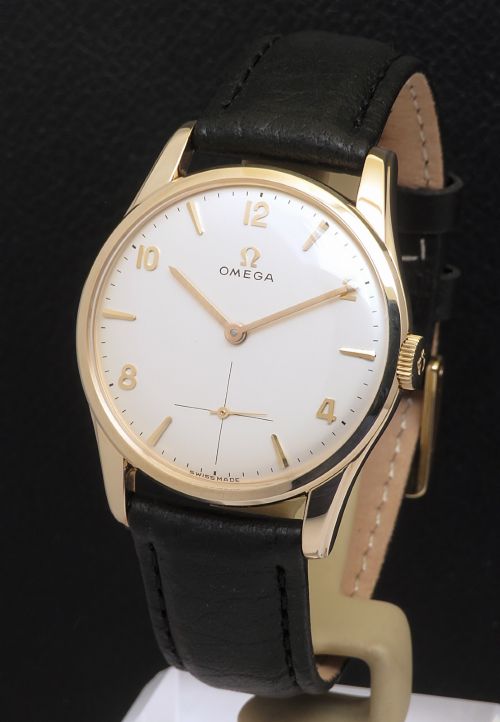
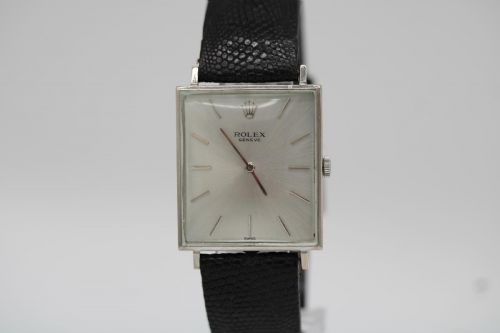
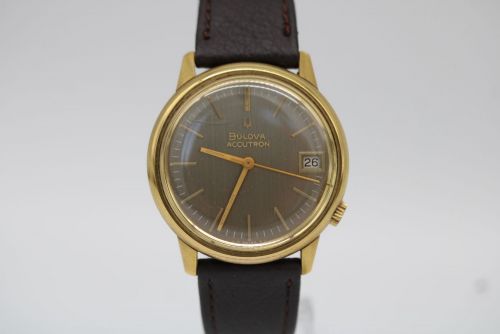
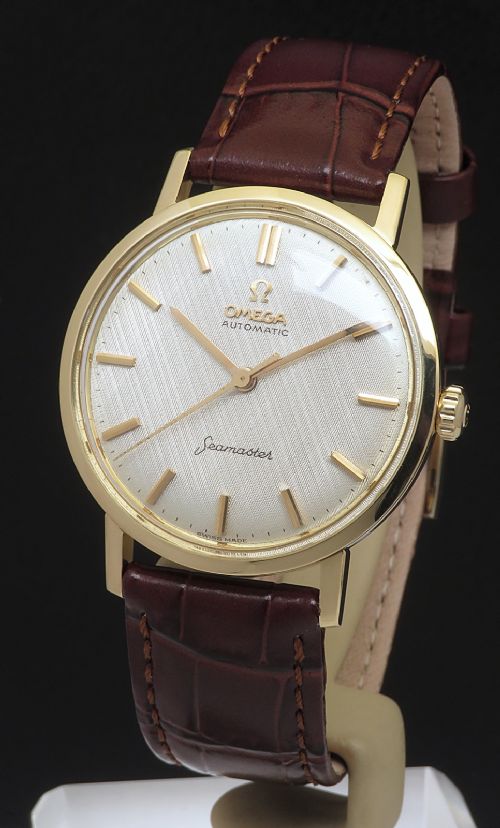
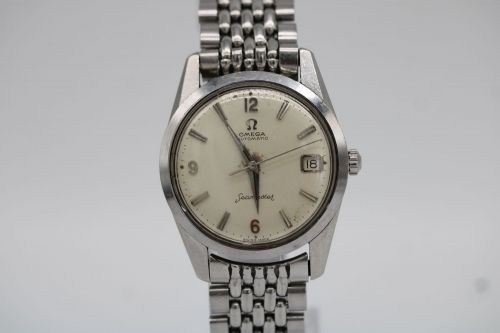
A 1960s dress watch embodies the restrained aesthetic of the mid-century modern period, focusing on clean lines, slim profiles, and uncluttered dials designed to fit neatly under a shirt cuff. The selections here span both gents wristwatches and ladies cocktail variants, reflecting the diverse forms produced during this decade.
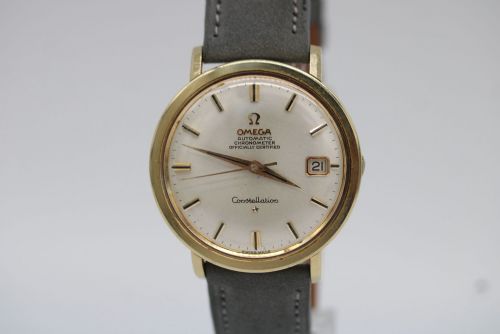
Examples on this page draw from the 1950s and 1960s, capturing a pivotal era when watchmaking shifted towards sleeker profiles and automatic movements without sacrificing traditional craftsmanship. Forms range from simple manual wind models to complex chronometers and diamond-set cocktail watches.
The objects take the form of wristwatches, wristwatch, watches, and cocktail watches, often preserved with original boxes, papers, and straps. This variety ensures that both everyday vintage wearers and dedicated horological enthusiasts find suitable pieces.
Materials and construction
Cases utilise a variety of metals including stainless steel, gold plate, solid 9ct gold, 14ct gold, and 18ct white gold, frequently paired with supple leather straps and clear acrylic or glass crystals. Precious metal variants often incorporate decorative elements such as diamond hoods on cocktail pieces.
Movements rely on traditional mechanical techniques, encompassing manual wind calibres and automatic auto-wind mechanisms developed by leading horological houses. These mechanical interiors drive chronometers and standard timepieces alike, requiring careful assembly and precise calibration.
Object forms recorded on this page include standard wristwatches, cocktail watches, and chronometers reflecting mid-century modern design.
Distinguishing quality across the range
Quality differences emerge in the preservation of original components, such as dials, hands, and signed crowns, alongside the precision of the movement itself. Pieces retaining factory finishes and accompanied by original documentation sit at the upper end of the scale.
The choice of casing metal and internal complication also defines the tier of a piece, with solid precious metals, certified chronometer movements, and integrated diamond work marking out the finer examples from standard steel or gold-plated production.
Omega·Cyma·Rone·Bulova·Gruen·IWC·Rolex·Avia·Seiko·Marvin·Tissot·Gloriosa·Certina·Smiths Astral·Tudor·Zenith·Ensign·Eterna·Longines·JaegarLecoulture
The 1960s Dress Watch Glossary
- Automatic
- A self-winding mechanical movement that uses a weighted rotor to power the mainspring through the natural motion of the wearer's wrist.
- Chronometer
- A high-precision watch that has been tested and certified to meet strict accuracy standards over various temperatures and positions.
- Manual wind
- A movement that requires the wearer to turn the crown by hand to tighten the mainspring and store energy for operation.
- Calibre
- The specific manufacturer's designation for a particular watch movement design and size.
1960s Dress Watch: Frequently Asked Questions
How do I wind a manual watch?
Turn the crown clockwise between your thumb and forefinger until you feel gentle resistance. Stop immediately to avoid damaging the mainspring.
Perform this action at roughly the same time each day to maintain consistent tension and accurate timekeeping.
Can I wear my vintage watch daily?
Many of these pieces were built for daily use, provided they have been recently serviced by a qualified professional. Regular wear keeps lubricants distributed properly within the mechanical movement.
Keep in mind that vintage models lack modern water resistance, so avoid wearing them while swimming or bathing.
How are 1960s styles different?
The decade favoured minimalist geometry, slim profiles, and refined dials that stripped away heavy ornamentation. This mid-century modern approach produced cleaner lines than earlier decades.
Even formal dress and cocktail pieces adopted these sleeker proportions to fit under tighter cuffs.