

1960s Automatic Dress Watch
These 1960s automatic dress watch examples are mid-century wristwatches powered by wrist movement, offering mechanical self-winding reliability for daily wear.
1960s Automatic Dress Watch
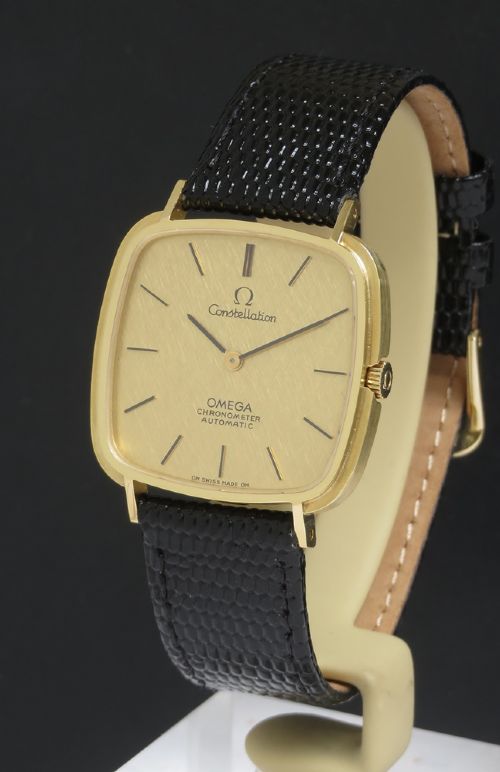
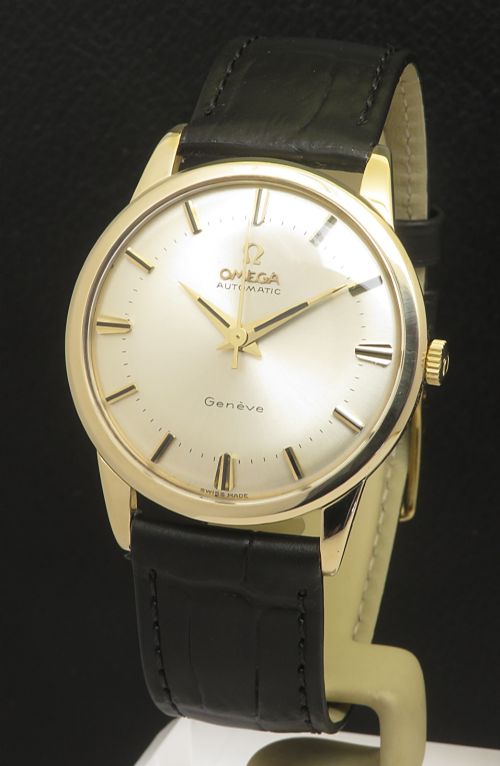
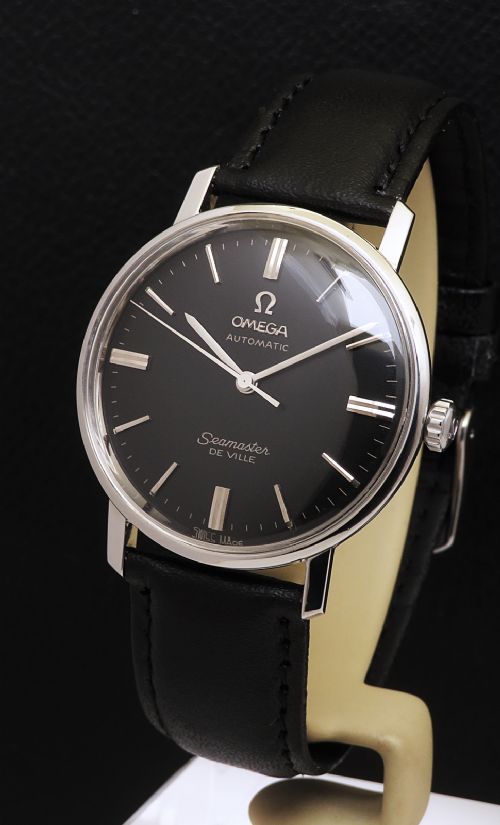
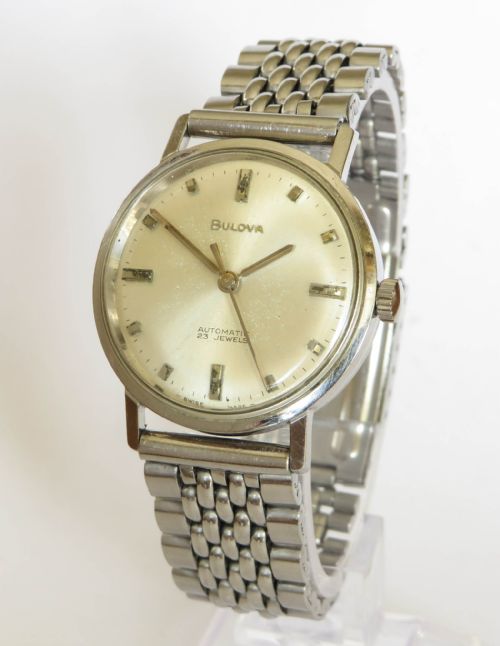
A 1960s automatic dress watch is a mid-century wristwatch driven by an internal self-winding movement rather than manual hand-winding. You encounter stainless steel, gold plate, and solid 9ct or 18ct gold cases paired with leather straps.
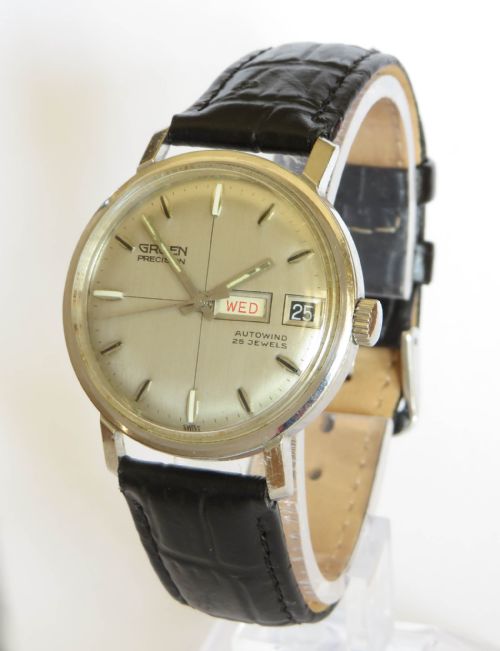
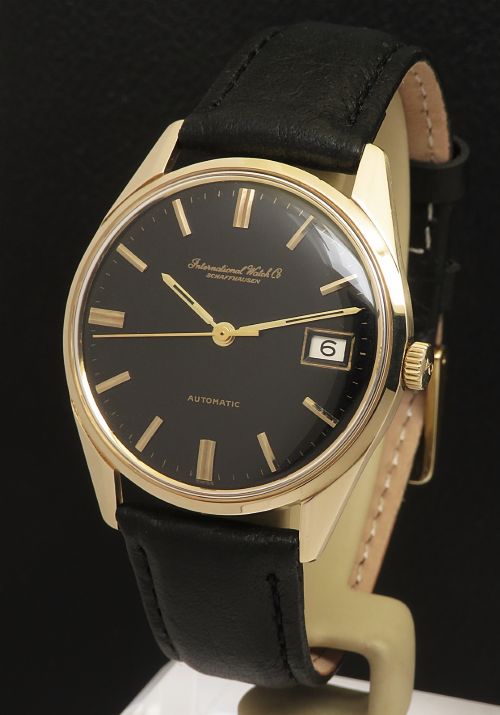
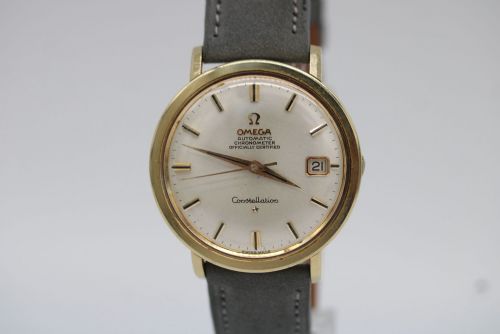
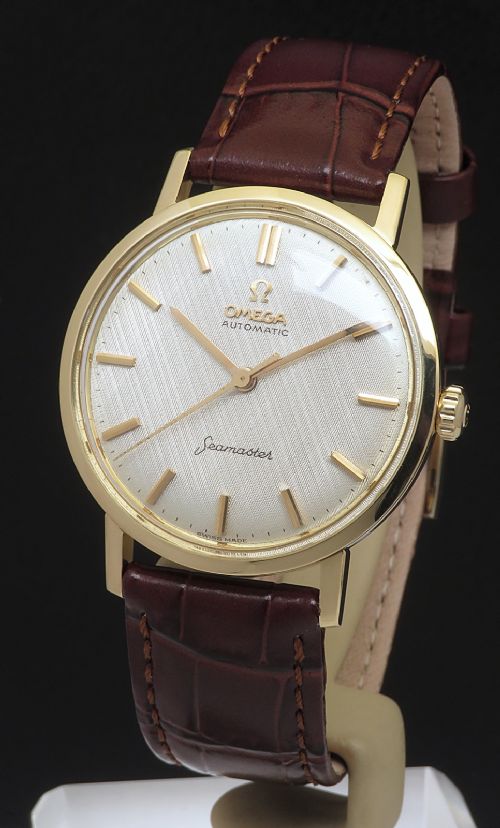
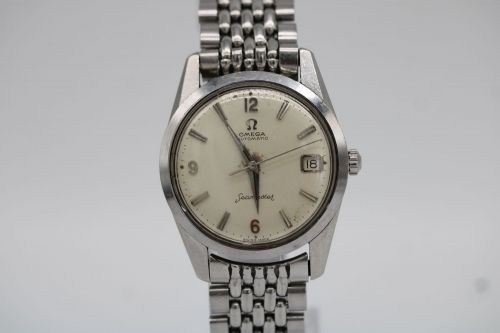
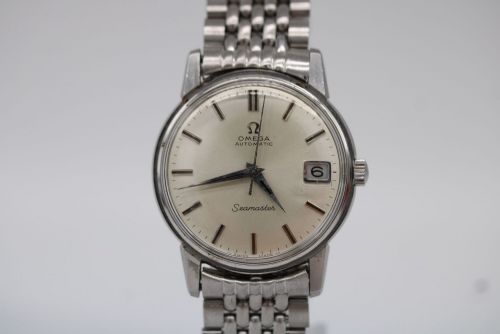
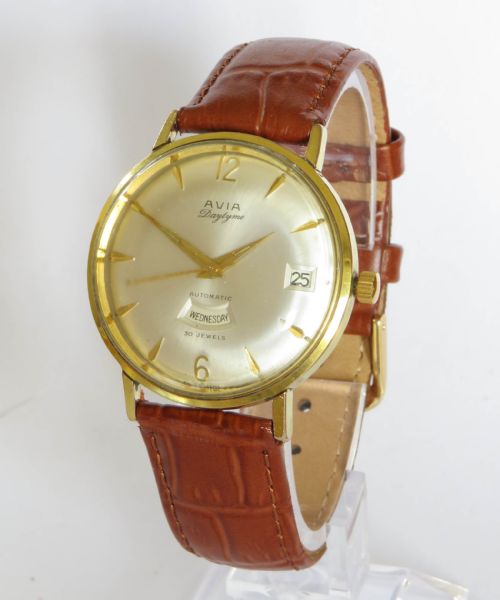
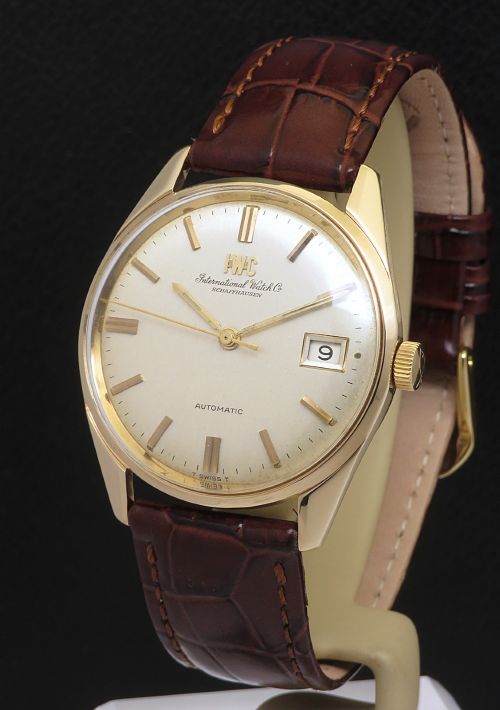
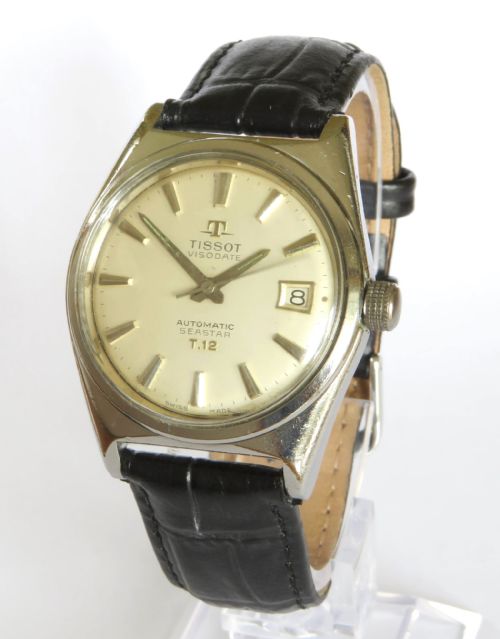
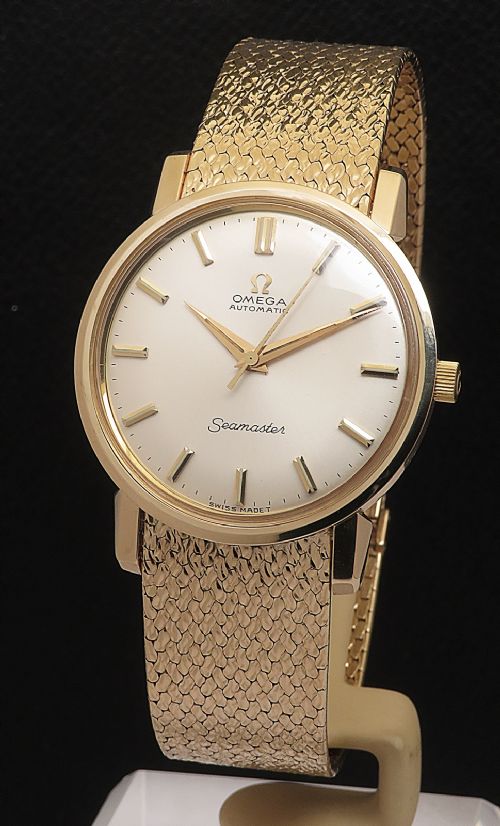
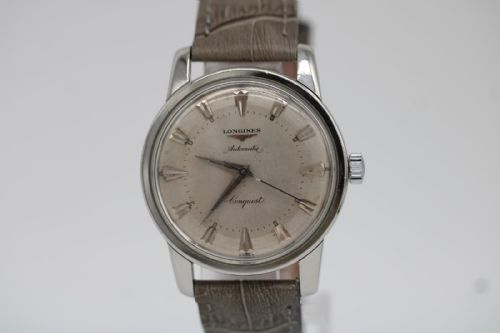
The styles span mid-century modern and 1960s designs, appearing mostly as gents wristwatches from makers such as Omega, IWC, Bulova, Gruen, Tissot, Longines, Eterna-matic, Avia, and Consul.
These pieces function as smart timepieces designed to slip beneath a shirt cuff, carrying mechanical movements from the 1960 decade.
How they were made
Cases combine metals like stainless steel, gold plate, and solid 9ct or 18ct gold to house the internal mechanical movements. Dials sit behind acrylic glass or glass crystals, while leather secures the watch to the wrist.
Movements utilise self-winding technology to harness the motion of the wearer's arm, driving calibres such as the Omega 552, 561, 562, and IWC 8541 without manual daily winding.
The selection includes mid-century modern and 1960s styles incorporating glass and acrylic glass over dials.
What varies in quality
Quality separates by the choice of case material, moving from gold-plated brass up to heavy solid 18ct gold housings. The pedigree of the internal movement and the completeness of original boxes, papers, and signed buckles shift the standing of an example.
The preservation of the dial, whether clean, patinated, or fully restored, defines the character and integrity of the piece.
Omega·Bulova·Gruen·IWC·Tissot·Longines·Eterna-matic·Avia·Consul
The 1960s Automatic Dress Watch Glossary
- Automatic
- A self-winding mechanical movement that uses a weighted rotor to wind the mainspring through natural wrist motion. This system removes the need for daily manual winding.
- Chronometer
- A high-precision mechanical watch that has passed rigorous accuracy tests conducted by an official observatory. These movements represent the upper tier of mechanical performance.
- Calibre
- The specific internal mechanical movement manufactured for a watch model. Makers assign numbers to identify their unique movement designs and sizes.
- Acrylic Glass
- A transparent synthetic plastic material used for watch crystals during the mid-century period. It offers flexibility and can be polished if scratched.
- Gold Plate
- A base metal case covered with a thin layer of gold bonded to the surface. It provides the appearance of solid gold at a different tier of manufacture.
1960s Automatic Dress Watch: Frequently Asked Questions
Do 1960s automatic dress watches wind themselves?
Yes, an internal weighted rotor turns as you move your arm, winding the mainspring automatically throughout the day.
This mechanical self-winding system means you do not need to turn the crown by hand daily to keep the watch running.
What materials make up these watch cases?
Casework appears in stainless steel, gold plate, and solid 9ct or 18ct yellow gold. Leather forms the standard strap material.
The crystals protecting the dials utilise glass or acrylic glass depending on the specific model and maker.
How do I read a 1960s watch dial?
Dials feature hour markers, hands, and often a date aperture or subsidiary seconds depending on the movement calibre. Some examples display patinated finishes from age.
Text on the dial typically states the maker name, collection title such as Seamaster or Constellation, and whether the movement is automatic or a chronometer.
How should I care for a vintage watch?
Keep the watch away from moisture and heavy impacts to protect the mid-century mechanical movement and acrylic crystal. Regular servicing by a watchmaker keeps the internal gears lubricated.
Wind or set the time gently, and store the piece in a dry box when not being worn on the wrist.