


1950s Gold Ring
A 1950s gold ring offers mid-century character and exceptional gemstone presence, making it a sought-after choice for collectors and daily wear alike.
1950s Gold Ring
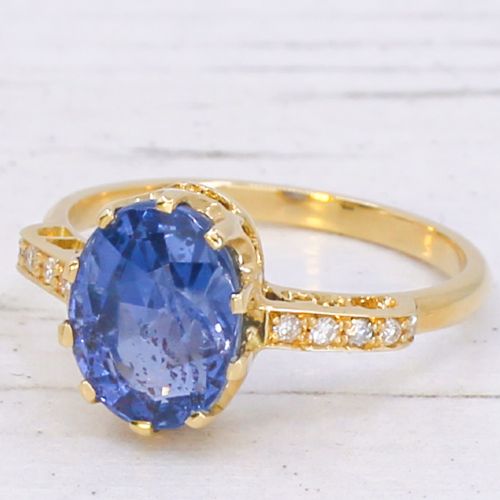
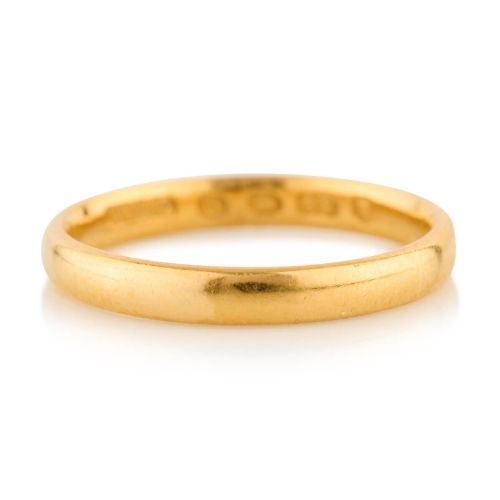
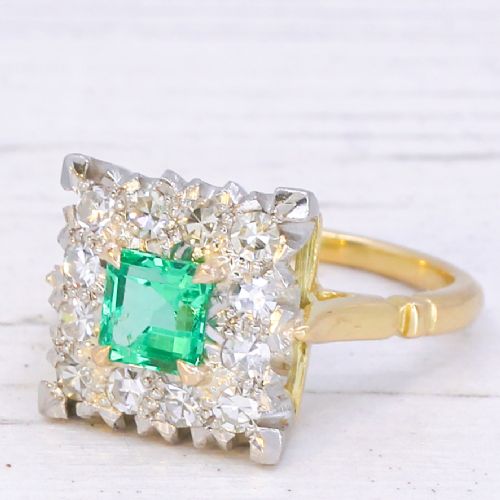
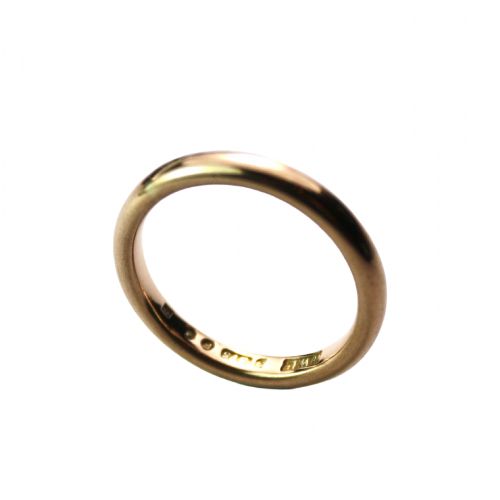
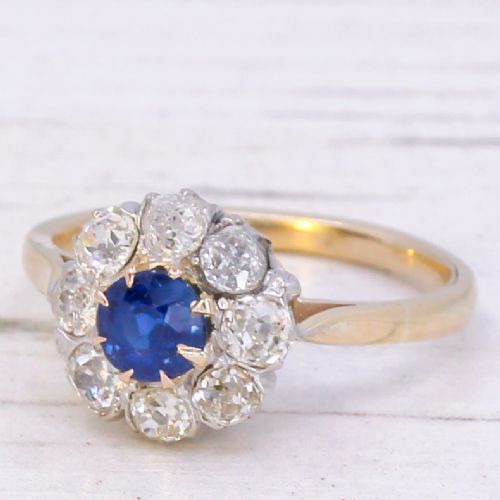
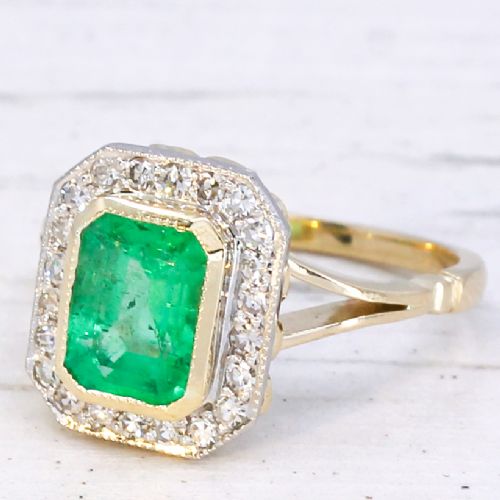
When you search for a 1950s gold ring, you encounter mid-century designs ranging from simple yellow gold wedding bands to elaborate cocktail rings set with large aquamarines, sapphires, and emeralds. The period embraces both streamlined modernist lines and bold retro scroll panels, alongside nostalgic revivals of Victorian cluster styles.
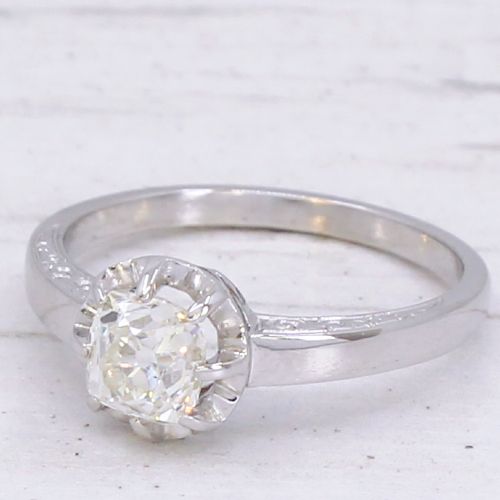
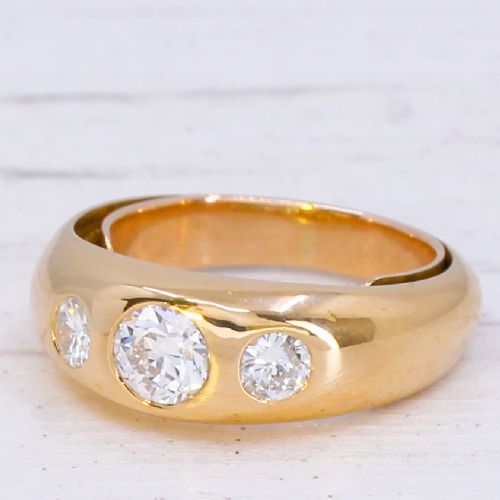
Engagement rings from this decade frequently feature old cut or transitional cut diamonds mounted in platinum or yellow and white gold. You also find distinctive multi-stone arrangements, including gypsy settings, double half eternity bands, and sculptural ballerina clusters.
Makers and workshops of the era utilised varied carat weights in yellow, white, and rose gold, often pairing precious metal bands with high-set central stones. These jewels reflect the optimistic design shifts of the post-war years, combining traditional craftsmanship with dramatic, voluminous silhouettes.
How they were made
Jewellers of the mid-century relied on traditional casting and hand-working techniques in yellow, white, and rose gold, frequently combining 18ct gold with platinum settings to securely showcase diamonds and coloured stones. Many pieces incorporate detailed wirework, scroll panels, and pierced galleries that lift prominent gems high above the finger.
Gemstones such as Ceylon sapphires, Colombian emeralds, and old cut diamonds are secured with meticulous claw, bezel, or flush mountings tailored to the specific geometry of each stone. The construction balances structural durability with delicate aesthetic flourishes, such as grain-set diamond shoulders and patterned band edges.
Several rings conceal secret messages or dates within heavy gold bands, preserving decades of personal history beneath polished surfaces.
What varies in quality
Quality in these mid-century rings rests on the natural merits of the central gemstones, such as the clarity and unheated status of significant sapphires or emeralds, paired with the precision of the diamond cutting. Masterful execution shows in the crispness of the cast scrollwork, the symmetrical balance of cluster arrangements, and the secure integration of stones into heavy gold or platinum mounts.
The distinction between standard commercial output and exceptional pieces lies in the weight of the precious metal utilised and the sophistication of the design, such as fluid bombé contours or complex multi-tier cluster architecture. Maker attribution, evidenced by clear hallmarks or distinct stylistic signatures, further elevates the standing of a ring within the period range.
Kutchinsky
The 1950s Gold Ring Glossary
- Old cut
- A diamond cutting style prevalent before modern brilliant faceting, characterised by a small table, high crown, and open culet. These stones exhibit a distinct, softer candlelit sparkle under ambient light.
- Cocktail ring
- A large, statement ring designed to catch the eye during evening wear, typically featuring oversized coloured gemstones or dramatic diamond clusters. The 1950s version often utilised voluminous bombé or scroll designs.
- Transition cut
- A diamond facet arrangement bridging old European cuts and modern round brilliants, seen frequently in mid-century jewellery. It retains high crown proportions while introducing modern symmetry.
- Gypsy ring
- A band style where the gemstones are flush-set directly into the tapering metal of the hoop. This technique creates a smooth, continuous surface suited for daily wear.
- Ballerina ring
- A complex cluster setting where tapering baguette-cut diamonds surround a central stone like a tutu. This dynamic silhouette gained popularity during the mid-century design boom.
1950s Gold Ring: Frequently Asked Questions
How do I style a 1950s gold ring?
These rings work well as standalone statement pieces due to their substantial central stones and sculptural metalwork. Pair cocktail rings with simpler attire to let the design take focus, or wear vintage wedding and eternity bands alongside modern bands for a mixed-era stack.
Consider the profile height of the ring when pairing it with other bands. High-set cluster and solitaire designs benefit from contoured wedding bands that sit flush against the main setting.
What gold colours define the 1950s?
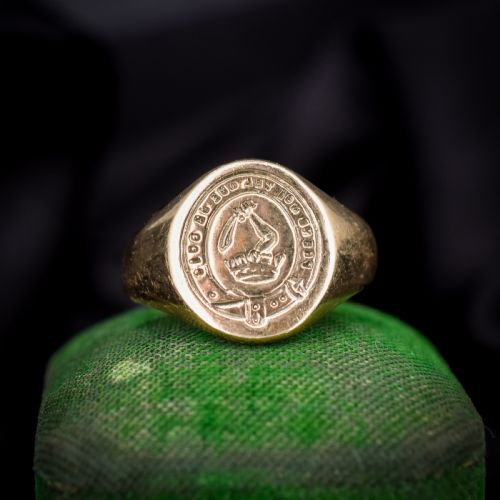
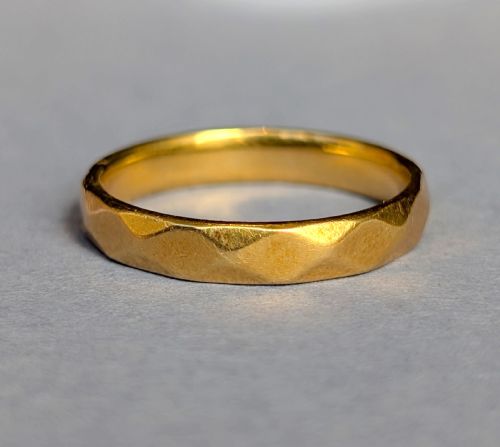
Yellow gold dominates the period, particularly in warm 9ct and 18ct formulations used for textured bands, signet rings, and retro cocktail mounts. White gold and platinum also appear frequently, especially for diamond-set engagement rings and intricate illusion settings.
Bi-colour combinations involving both yellow and white gold highlight the architectural detail of mid-century scroll panels and multi-stone clusters.
Are these rings suitable for daily wear?
Most mid-century gold rings were built for everyday durability, utilising robust 18ct gold or platinum settings. However, rings featuring softer gemstones like pearls or high-set emeralds require careful handling to avoid impact.
Inspect the claws and settings periodically to ensure the central stones remain secure, particularly on vintage rings with delicate gallery wirework.
How can I tell a 1950s ring apart from earlier eras?
Mid-century pieces diverge from intricate Victorian and Edwardian filigree by favouring bolder, cleaner lines, voluminous bombé shapes, and distinct retro scroll motifs. The use of transitional cut diamonds and specific hallmark dates from the post-war decade also helps confirm the period.
Look for the heavier metal weight and characteristic asymmetrical or abstract floral cluster arrangements that define post-war design aesthetics.