


Mid Century Gold Band
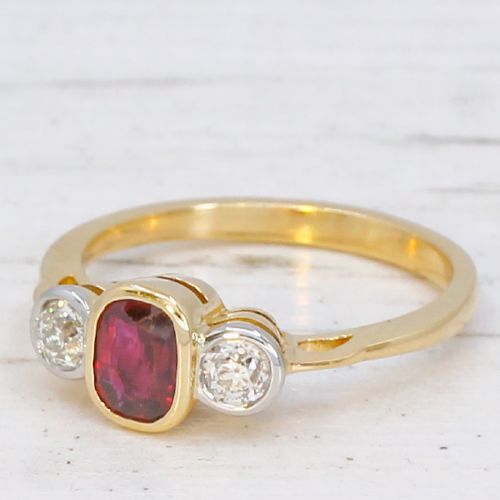
Mid century gold band pieces bring together clean modernist lines, rich precious metals and striking coloured stones.
Mid Century Gold Band
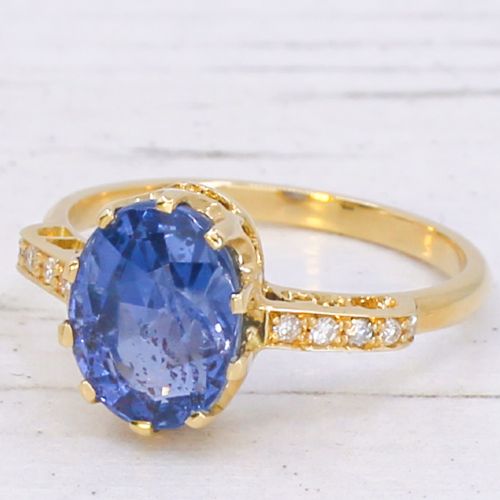
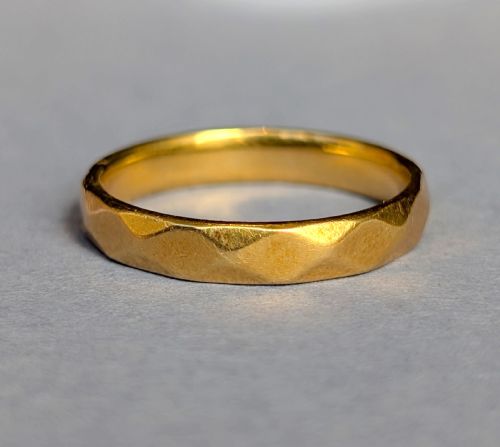
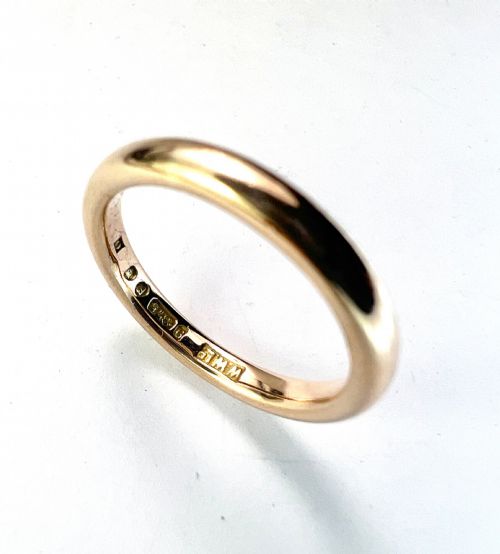
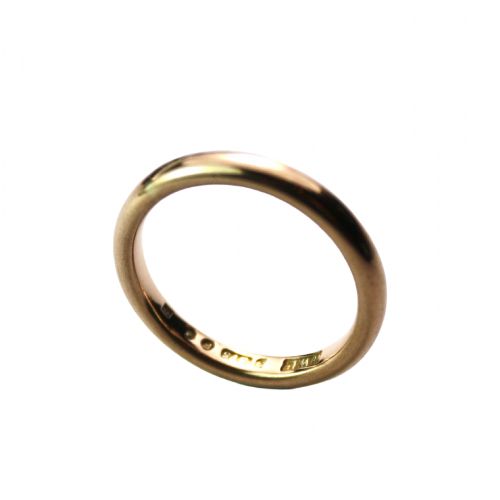
When searching for mid century gold band items, buyers encounter a focused selection of rings and jewellery spanning the 1940s, 1950s and 1960s. The selection relies heavily on simple wedding bands alongside diamond solitaires, clusters and cocktail rings set in yellow and white gold.
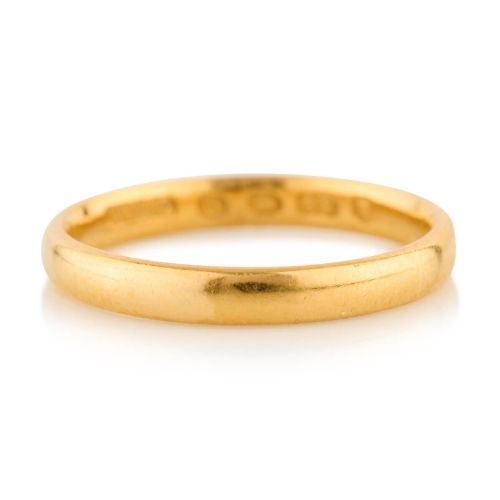
While the majority of pieces date from the mid-century decades, occasional examples stretch back to earlier Victorian and Edwardian periods or incorporate decorative glass vessels. Plain metal wedding bands in high-carat yellow gold form a significant portion of the available inventory alongside gem-set variations.
Materials and construction methods
The construction of these pieces relies primarily on yellow gold, white gold and platinum, often fashioned into heavy wedding bands or geometric cocktail mountings. Gems such as diamonds, sapphires, rubies, turquoises and opals are secured using traditional claw, bezel and cluster settings.
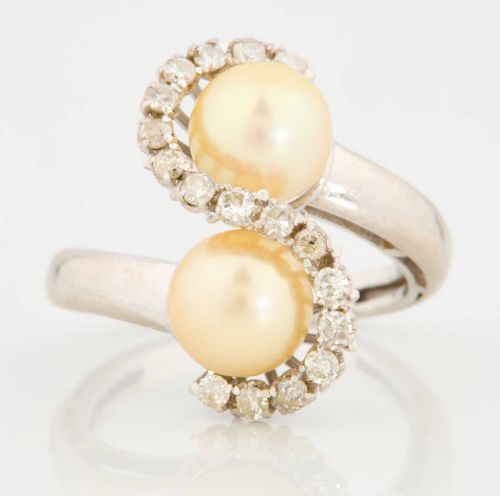
Maker techniques span simple cast and plain polished wedding bands to intricate modernist lattice work and multi-stone crossover designs. The integration of 18ct and 22ct gold provides a deep, warm hue characteristic of the period's output.
Some mid-century rings feature interchangeable multi-bead stones, offering an adjustable burst of colour for indecisive dressers.
Distinctions in quality and execution
Quality differences stem from the weight of the precious metal and the precision of the stone setting, distinguishing substantial high-carat bands from lighter stacking rings. The clarity, cut and carat weight of central diamonds and unheated Ceylon sapphires heavily dictate the standing of gem-set pieces.
The artistry of the design, ranging from straightforward plain wedding bands to complex modernist and retro configurations, marks the graduation from utilitarian items to high-end fine jewellery.
Paul Heller·Booms Glass·Bravingtons
The Mid Century Gold Band Glossary
- Cocktail Ring
- A large, prominent ring featuring substantial gemstones designed to draw attention during evening events.
- Solitaire
- A piece of jewellery featuring a single mounted gemstone, most commonly a diamond.
- Old Cut
- A historic diamond cutting style characterised by a smaller table, higher crown and open culet, typical of earlier stones reused in later mounts.
- Crossover Ring
- A design where the shank of the ring sweeps around to cross over the finger, often displaying two main stones side by side.
- Carat
- The unit of measurement used to weigh gemstones, or alternatively the measure of purity for gold alloys.
Mid Century Gold Band: Frequently Asked Questions
What defines a mid century gold band?
These pieces generally date from the 1940s through the 1960s, showcasing the period's shift toward streamlined designs and bold use of yellow or white gold.
They encompass plain wedding bands as well as elaborate gem-set cocktail rings featuring diamonds, sapphires, and rubies.
How do I know the gold purity?
British and international pieces frequently bear hallmarks or stamps indicating the metal standard, such as 9ct, 14ct, 18ct, or high-purity 22ct gold.
Higher carat numbers indicate a greater proportion of pure gold, resulting in a richer, deeper colour.
Are these rings suitable for daily wear?
Solid gold wedding bands and sturdily mounted rings from this era are exceptionally durable and built to withstand everyday use.
Items set with softer stones like opals or pearls require more care to avoid knocks and scratches.
What stones appear in these designs?
Diamonds are the most frequent choice for solitaires, clusters, and multi-stone engagement rings.
Coloured gemstones such as Ceylon sapphires, rubies, turquoise, and opals also feature prominently in mid-century cocktail and cluster configurations.