
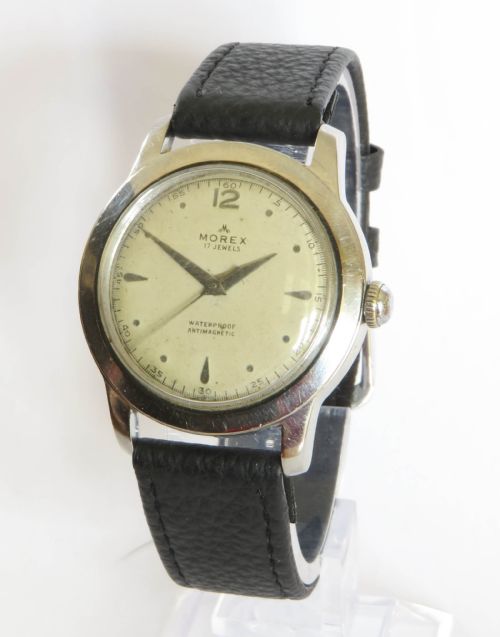
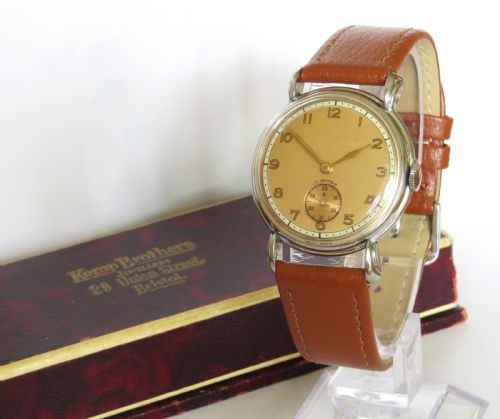
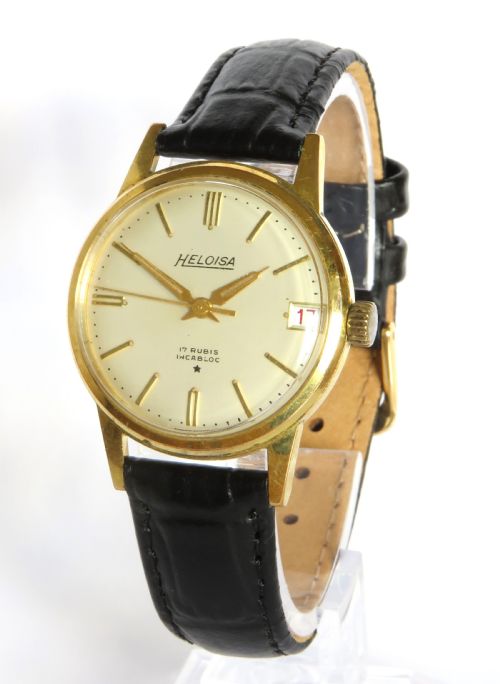
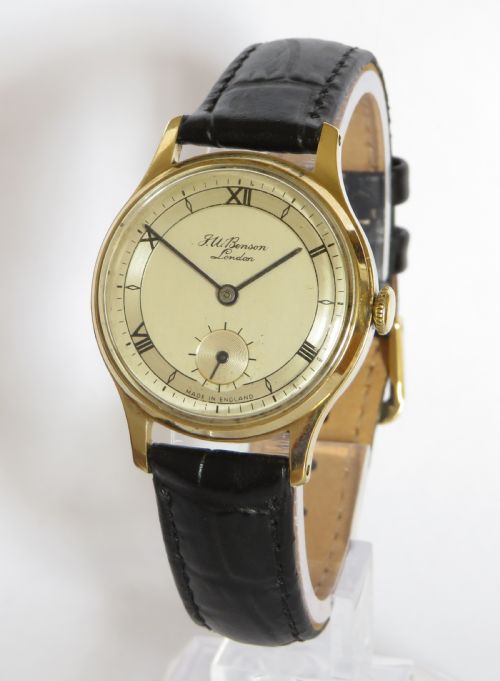
1950s Gents Wrist Watch
A 1950s gents wrist watch combines mid-century style with mechanical reliability, offering an authentic piece of horological history to wear daily.
1950s Gents Wrist Watch
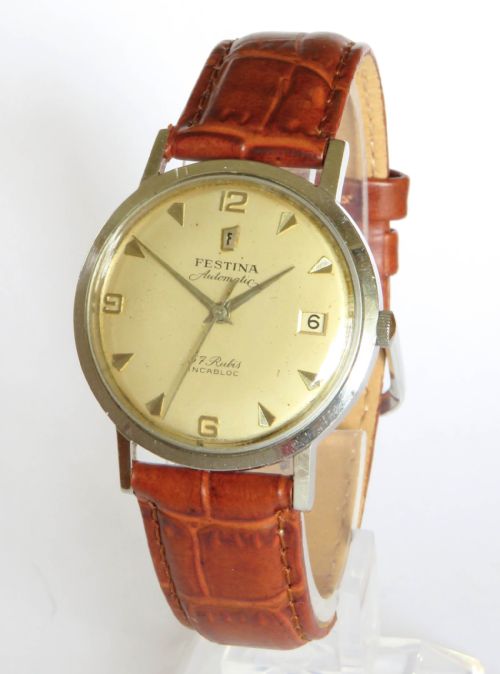
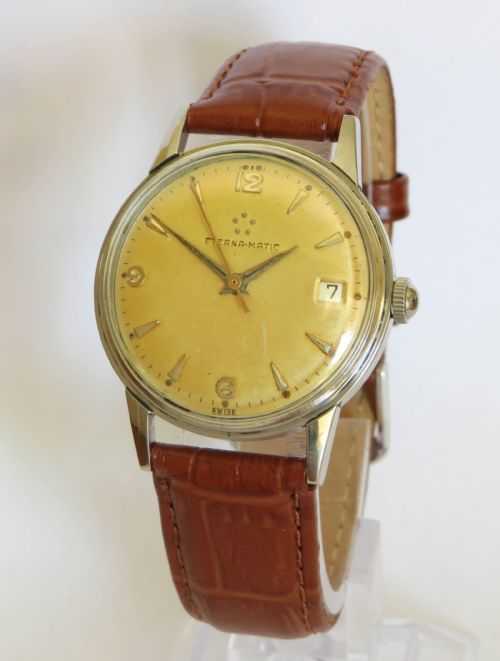
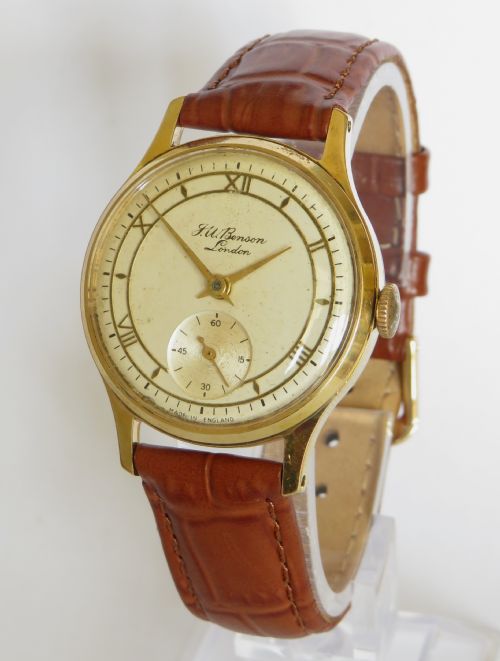
A 1950s gents wrist watch embodies the mid-century modern aesthetic, capturing the design shifts of the post-war era in a compact format. These timepieces typically arrive from Swiss workshops or British retailers, reflecting the international nature of mid-century watchmaking.
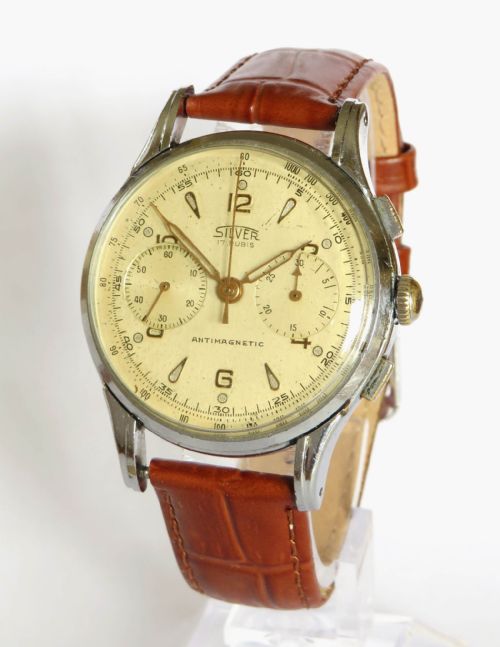
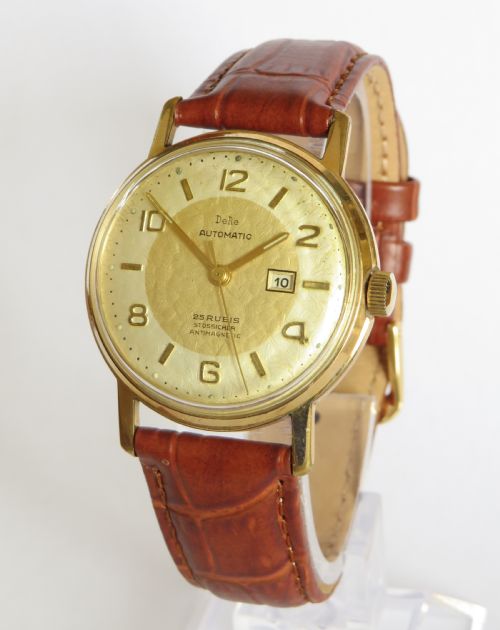
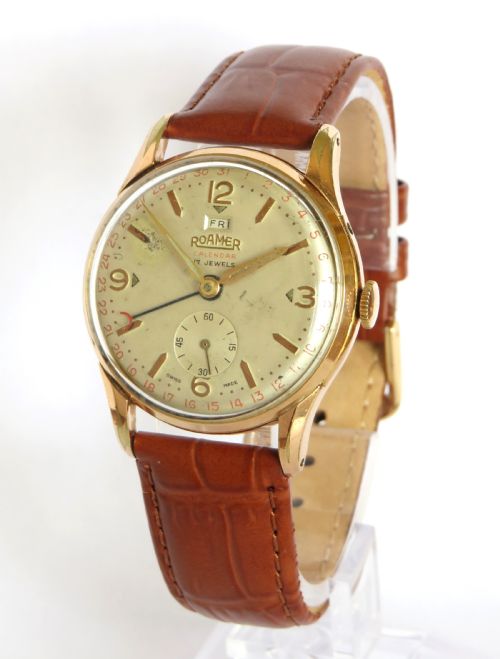
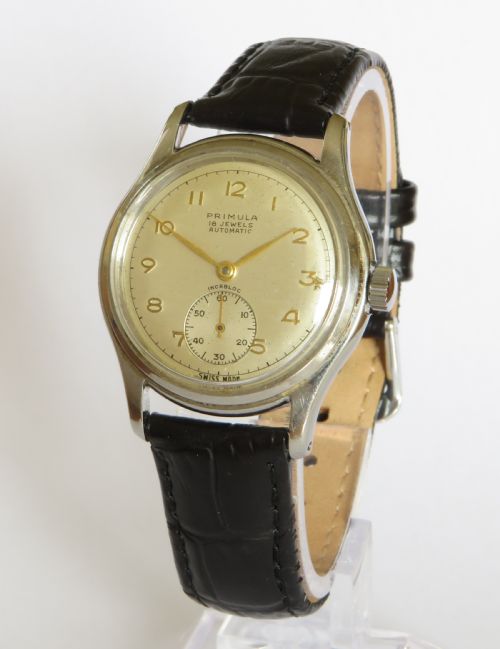
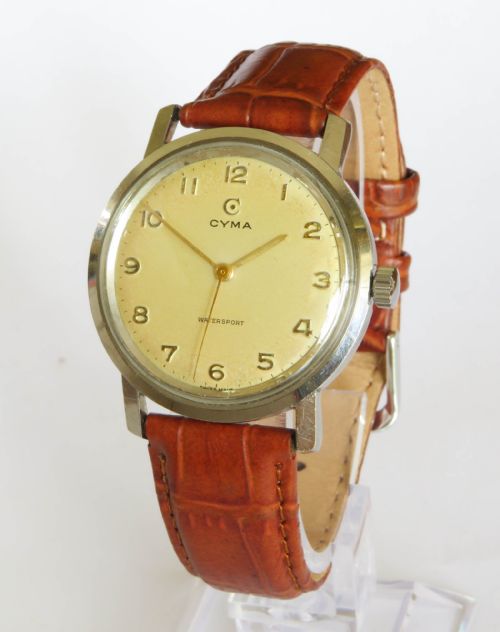
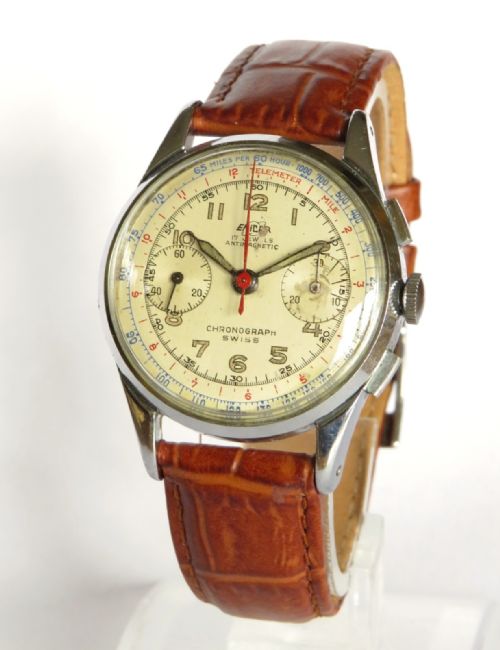
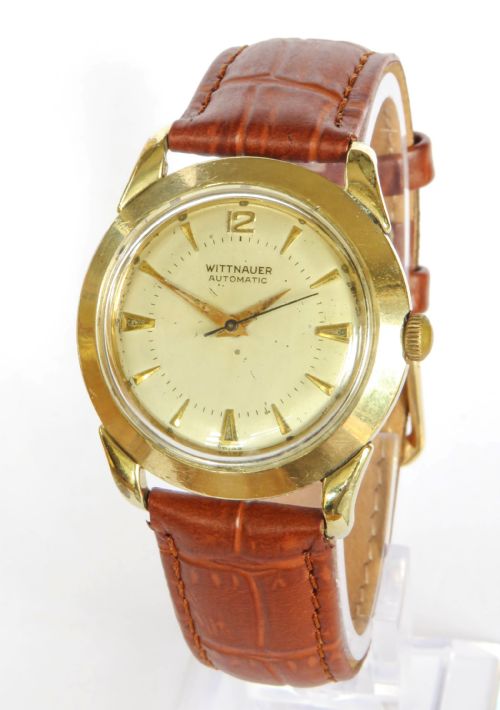
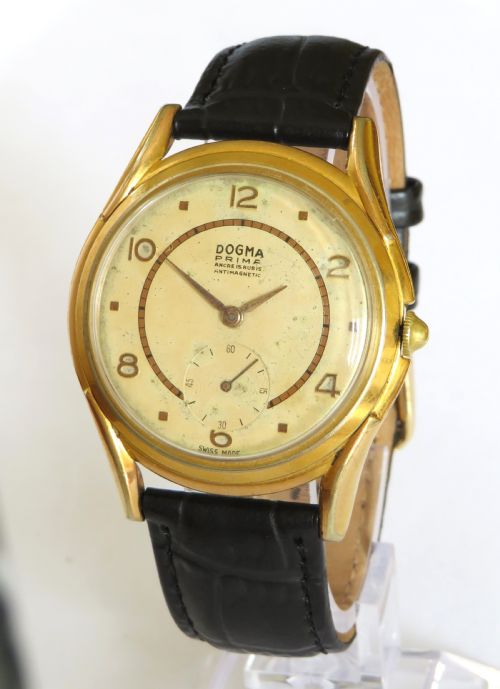
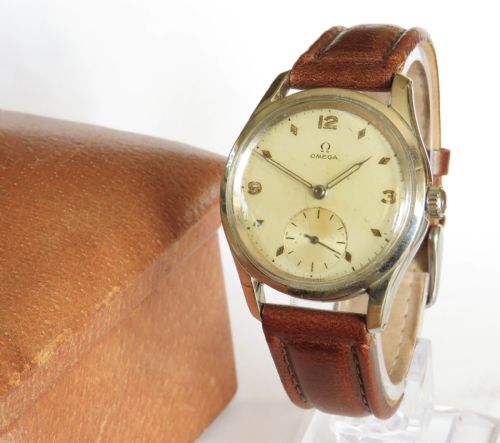
The most common version encountered on this page is a manual-wind or automatic wristwatch housed in a steel or gold-plated case. Many examples retain their original leather straps or display complications such as calendars and chronograph functions.
Materials and construction
Cases utilise stainless steel, chrome, and gold plate, paired with glass, acrylic, or acrylic glass crystals to protect the dial. These components reflect the standard manufacturing methods of the decade, balancing durability with refined metallic finishes.
Movements rely on mechanical ingenuity, often incorporating automatic winding systems or shock-resistant technology within traditional metal chassis. Leather straps complete the construction, securing the watch to the wrist with traditional pin buckles.
Some models included calendar functions or doctor's chronograph scales, proving that mid-century buyers loved a gadget on their wrist.
Evaluating quality and execution
The horological pedigree of the internal movement separates standard commercial pieces from high-grade examples. Pieces signed by established Swiss or British makers often display superior finishing on the internal components.
The preservation of the dial and case geometry dictates the overall desirability of the watch. Original unpolished metal surfaces and clean dials retain greater integrity than heavily restored counterparts.
Montilier·Heloisa·Festina·Eterna Matic·Antoremi·Roamer·Primula·Cyma·Enicar·Wittnauer·Dogma Prima·Omega·Kered·Rotary·Baume Bimatic·Lanco Sport·Smiths Deluxe·Prisma·Marvin·Certina·Longines·Elgin·Berg Parat·Bucherer·Silvana
The 1950s Gents Wrist Watch Glossary
- Automatic
- A self-winding mechanical movement that uses a weighted rotor to tension the mainspring during normal wrist movement. This technology became widespread during the 1950s.
- Chronograph
- A watch equipped with a stopwatch function alongside the standard time-displaying hands. These models often feature additional sub-dials on the face.
- Acrylic glass
- A lightweight, shatter-resistant plastic material used for watch crystals during the mid-century period. It can be polished to remove surface scratches.
- Gold plate
- A base metal layer covered with a thin coating of gold to simulate a solid precious metal case. This technique offered an accessible luxury finish.
1950s Gents Wrist Watch: Frequently Asked Questions
How do I wind a 1950s mechanical watch?
Manual-wind models require turning the crown clockwise between your thumb and forefinger until gentle resistance is felt. Care must be taken not to overwind the mainspring.
Automatic models wind themselves through wrist motion, though manual priming via the crown may be necessary if the watch has stopped completely.
Are these watches waterproof?
Mid-century timepieces generally lack modern waterproofing standards and gasket technology. Exposure to moisture, rain, or humidity can easily damage the delicate internal movement.
It is advisable to keep these watches away from water entirely to preserve the metal case and paper or painted dial.
How can I tell if the watch is original?
Examine the dial typography, hand shape, and case markings against known examples from the same decade. Matching the movement signature to the brand on the dial offers further verification.
Replacements of parts like crystals and straps are common during servicing, but the dial and movement should remain authentic to the era.
Can I wear a vintage watch every day?
Daily wear is possible with vintage timepieces provided they receive regular mechanical servicing and are handled with care. Avoiding harsh impacts and magnetic fields helps maintain timekeeping accuracy.
Many collectors rotate several pieces to reduce daily wear on individual movements and straps.