


1950s Diamond Ring
These mid-century pieces combine robust platinum and gold settings with striking central gems, offering enduring style for daily wear.
1950s Diamond Ring
A 1950s diamond ring brings together the bold designs of the post-war era and traditional craftsmanship, spanning clean solitaires to elaborate cocktail clusters. Buyers searching this phrase will find engagement rings and dress rings that showcase both old cut and transitional diamonds.
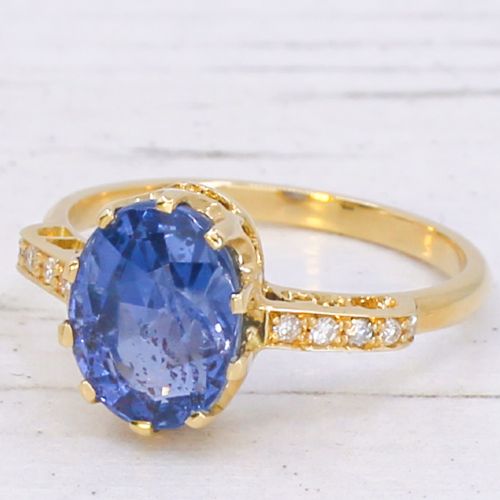
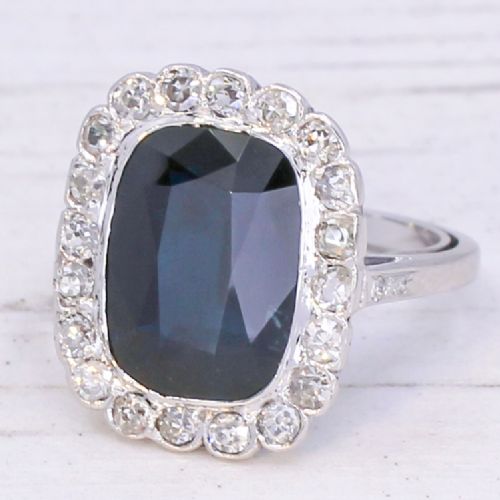
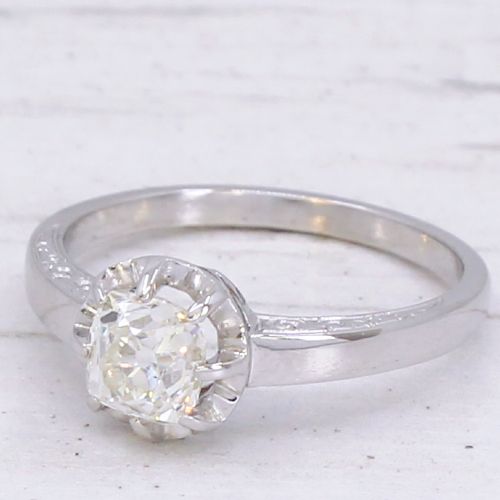
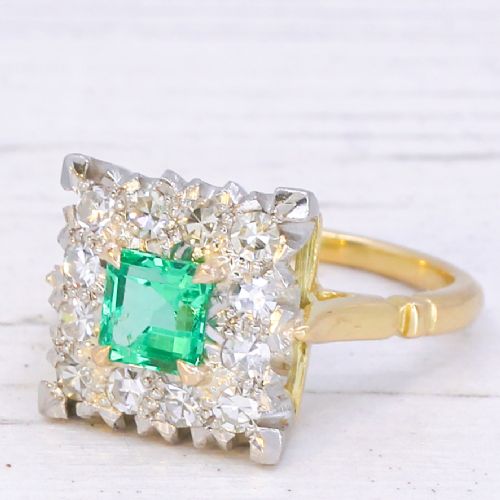
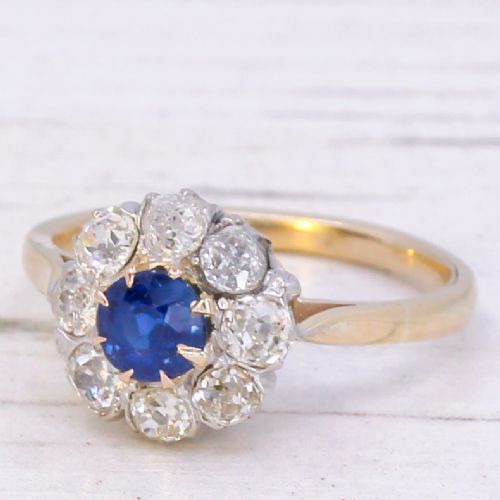
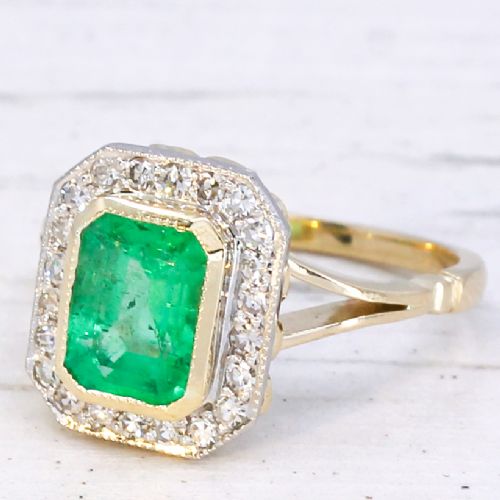
The most common form on this page is the classic diamond solitaire or cluster ring, frequently mounted in platinum or 18ct white gold. Alongside these, examples featuring significant sapphires, emeralds and rubies appear regularly.
Originating from British, French and American workshops, these mid-century jewels reflect a period of transition towards modern aesthetics while retaining heavy, durable precious metal mountings.
Materials and construction
Platinum and 18ct white or yellow gold form the structural foundation of these rings, providing secure settings for heavy stone arrangements. Workshops also utilised 14ct and 9ct gold for specific regional markets.
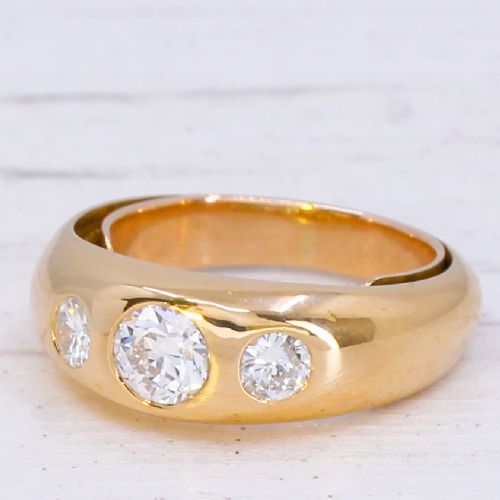
Gemstones are secured using traditional claw, bezel and gypsy settings, often complemented by intricate millegrain detailing or geometric scroll panels. Ballerina and bombé designs demonstrate complex, multi-layered metalwork that demands precise hand-assembly.
1950s Diamond Ring Retail Price Guide 2026
Typical asking prices for 1950s diamond ring among the pieces listed under this phrase on Sellingantiques today, from the lower quarter to the upper quarter. They describe what is for sale here now, not the wider market.
Listings feature platinum and 18ct white gold predominantly, alongside yellow and rose gold variations paired with old cut and transitional diamonds.
Factors of distinction
Quality rests upon the proportion and natural character of the central gemstone, particularly unheated sapphires or clean emeralds paired with well-matched diamond pavé. Maker attribution and heavy, solid platinum or gold mountings elevate a piece significantly.
Superior examples display crisp casting and hand-finished details such as sharp claw work and undamaged gallery wire, whereas lower tiers show heavy wear or unrefined metal distribution.
Kutchinsky·Boucheron
The 1950s Diamond Ring Glossary
- Old cut
- A diamond facet style featuring a smaller table, higher crown and open culet, common in mid-century pieces utilising earlier stones. This cut produces a softer, candlelit sparkle rather than modern brilliant scintillation.
- Bombé
- A heavily domed ring style that swells outwards from the finger, characteristic of 1950s French and retro design. These voluminous settings maximise visual impact and accommodate large clusters of pavé-set stones.
- Ballerina
- A cluster ring design featuring a central stone surrounded by tapered baguette or brilliant cut diamonds that radiate outward like a dancer's tutu. This layered silhouette creates dramatic depth.
- Transitional cut
- A diamond faceting style bridging old cut and modern brilliant cuts, produced during the mid-twentieth century. It retains a small table and deep pavilion while increasing light return.
- Gypsy setting
- A mounting style where the gemstone is flush-set directly into the thick metal band, creating a smooth, streamlined profile. This technique protects the girdle of the stone within heavy gold or platinum.
1950s Diamond Ring: Frequently Asked Questions
Are 1950s diamond rings suitable for daily wear?
Most rings from this decade utilise robust platinum or high-carat gold mountings designed for structural durability. Their solid construction makes them well-suited for everyday engagement wear.
However, pieces featuring softer coloured stones or high-set cocktail clusters require mindful care to avoid impact damage during heavy manual tasks.
How do I identify a 1950s ring?
Look for heavy precious metal weights, characteristic retro scroll work, and specific stone cuts like transitional or early brilliant facets. Geometric platinum settings combined with yellow gold accents often point directly to this post-war decade.
Maker marks, London import hallmarks, and specific design silhouettes like bombé clusters further confirm the mid-century origin.
Can these rings be resized?
Platinum and gold rings from this era can generally be resized by a skilled jeweller, though heavy shank designs or full eternity bands require specialist attention. The presence of side engraving or shoulder stones may limit the adjustment range.
It is advisable to consult a professional bench jeweller who understands vintage mounting integrity before altering the band.