
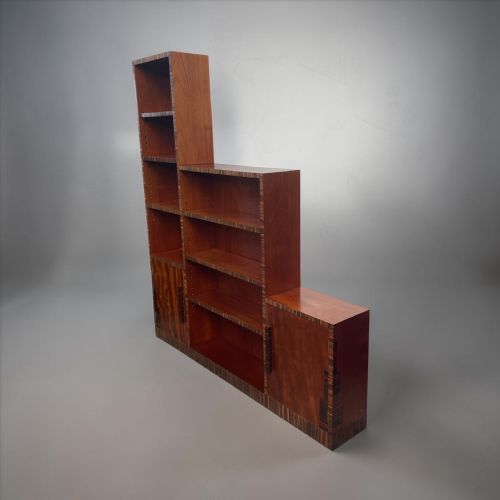
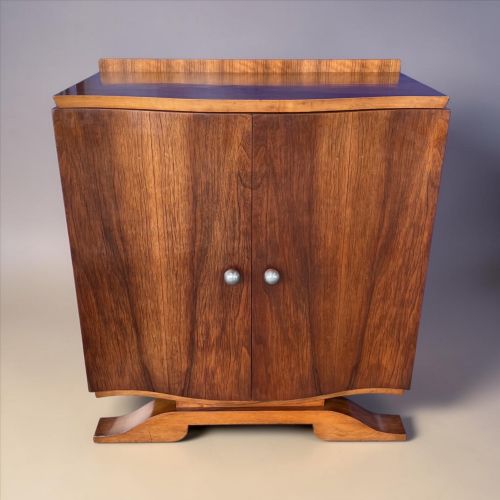
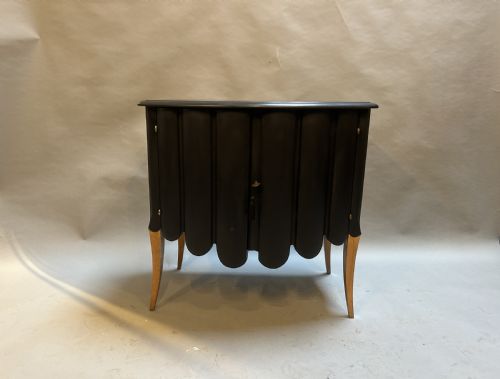
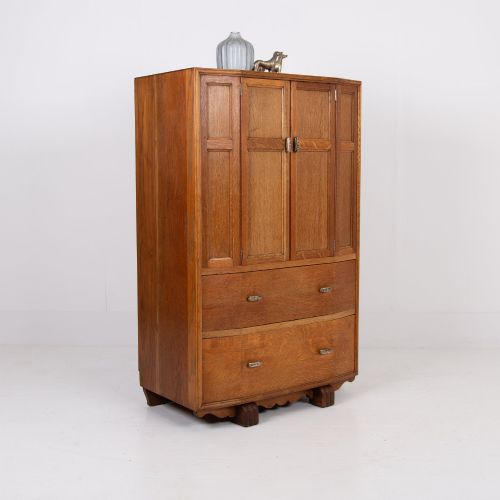
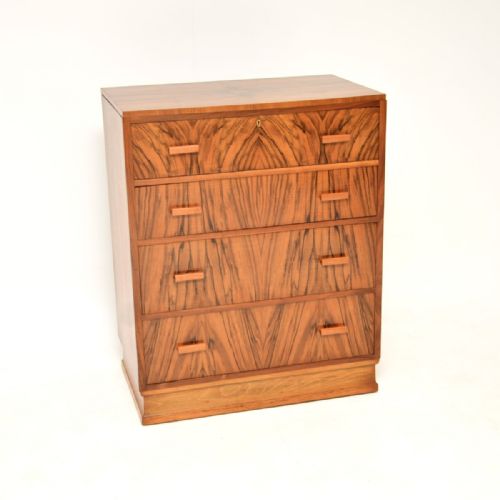


1930s Wooden Storage Cabinet
A 1930s wooden storage cabinet brings practical period utility into a modern room through honest craftsmanship and distinct interwar forms.
1930s Wooden Storage Cabinet
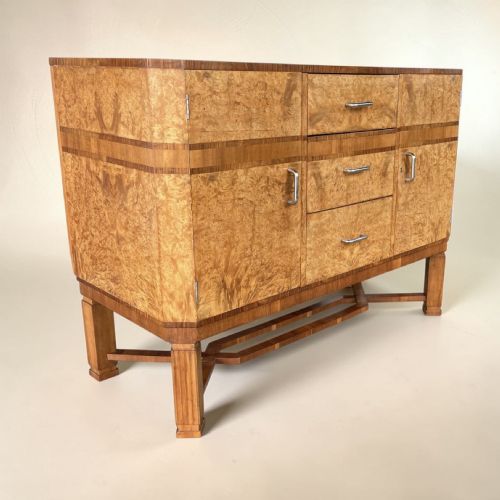
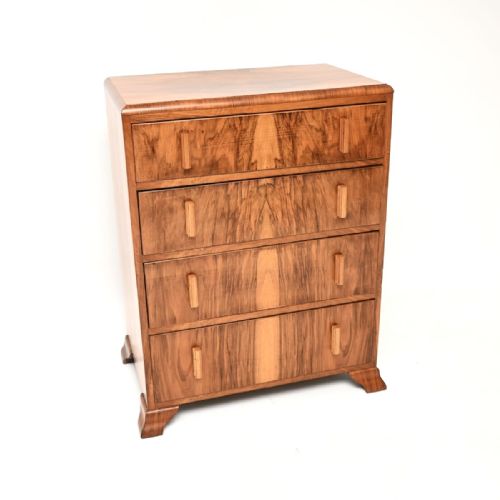
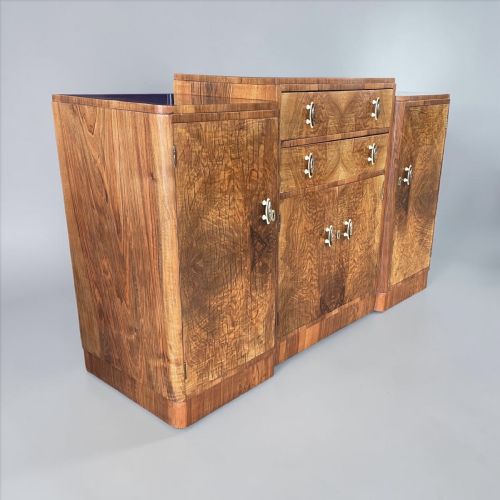
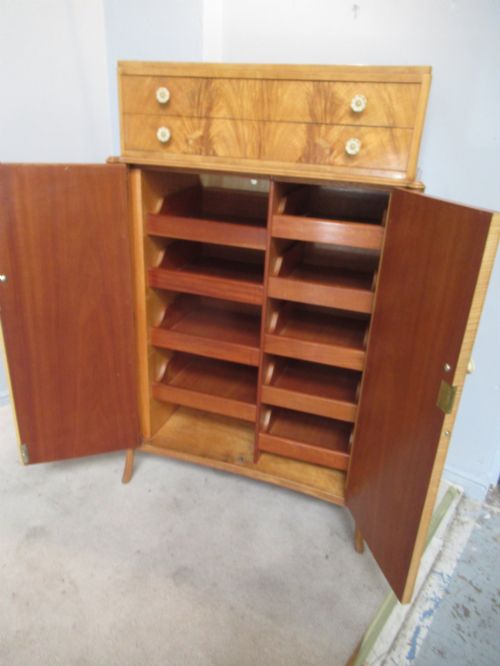
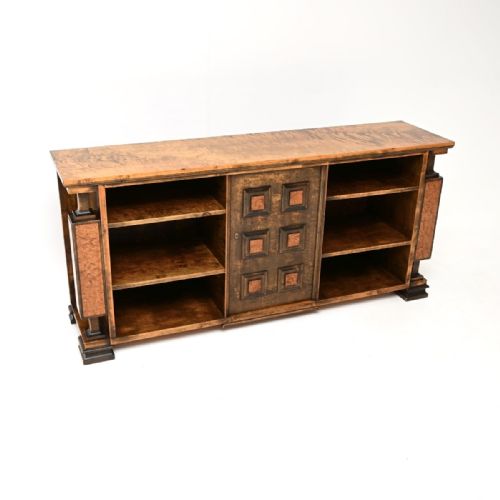
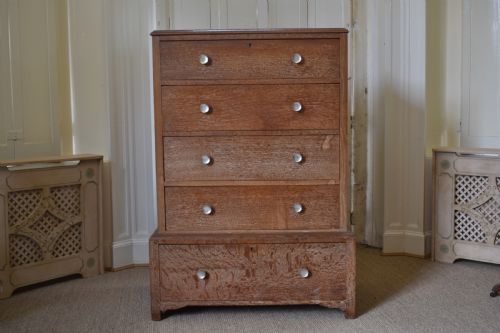
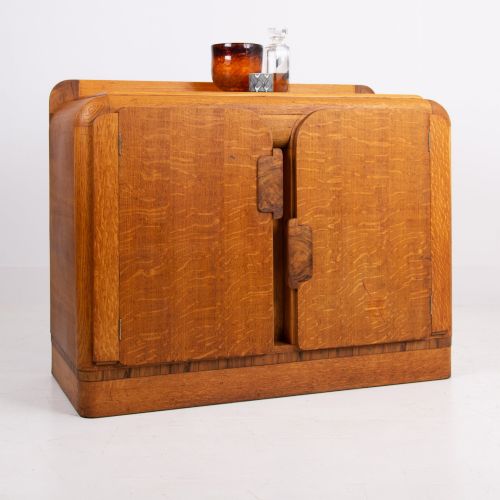
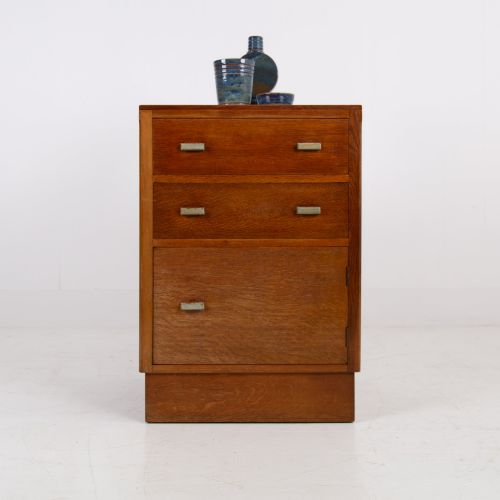
A 1930s wooden storage cabinet encompasses diverse utility furniture, ranging from school cupboards and office filing units to domestic sideboards, chests of drawers, and tallboys. Buyers searching this phrase encounter substantial pieces designed for specific domestic or institutional storage needs.
The prevailing style across these pieces is Art Deco, alongside modernist, industrial, and country variants. Woods such as walnut, oak, mahogany, and birch dominate the forms, reflecting the material preferences of the interwar period.
Most examples originate from the 1930s, though related pieces from the 1920s also appear. Forms vary from compact spice cabinets and music cabinets to grand sideboards and bookcases.
Materials and Construction
These cabinets utilise solid timbers and decorative wood veneers, with walnut, burr walnut, oak, and mahogany forming the primary structure. Cabinet makers applied figured veneers to flat surfaces to create striking grain patterns, particularly on Art Deco designs.
Metal and brass components provide structural support and hardware, while glass appears in bookcase doors and display sections. Tambour fronts and fitted internal drawers demonstrate specific mechanical techniques employed by interwar makers.
Listings demonstrate a strong prevalence of walnut and oak, paired with specialised forms like tambour front filing cabinets and music cabinets.
Distinctions in Quality
Quality rests upon the selection of timber veneers and the precision of the cabinetwork. Pieces utilising highly figured burr walnut, satin birch, or maple sit at the upper end of the range, showing careful grain matching across doors and drawers.
Attribution to known makers or institutions elevates a piece, distinguishing standard utility furniture from designer work. The integrity of original brass hardware, glass panels, and sliding tambour mechanisms further separates fine examples from simpler production.
Gomme·Bowman Brothers·Heal's·Otto Schulz for Boet
The 1930s Wooden Storage Cabinet Glossary
- Art Deco
- A design style characterised by sleek geometric shapes, streamlined forms, and stylised ornamentation popular during the interwar period. It influences the silhouette of many cabinets and sideboards from this era.
- Tallboy
- A tall chest of drawers, often consisting of a wardrobe section or smaller drawers placed atop a larger chest. This form maximises vertical storage space in bedrooms.
- Tambour
- A flexible shutter made from narrow strips of wood glued to a canvas backing, allowing doors to slide smoothly around curves. It is commonly found on office filing cabinets and specific storage units.
- Burr Walnut
- A specialised wood grain obtained from the wart-like growths on walnut trees, yielding intricate, swirling patterns. Furniture makers prize this material for decorative veneering.
- Commode
- A low chest of drawers or a cabinet with doors, often standing on relatively high legs. French examples from the period frequently feature ebonised finishes.
1930s Wooden Storage Cabinet: Frequently Asked Questions
What woods were used for these cabinets?
Makers utilised a variety of timbers including walnut, oak, mahogany, birch, and pine. Decorative veneers such as burr walnut and maple frequently cover primary surfaces on Art Deco pieces.
Solid woods like oak and pine appear more commonly on institutional, school, and country storage furniture from the same decade.
How do I identify an Art Deco cabinet?
Art Deco cabinets display geometric silhouettes, stepped forms, and symmetrical grain patterns on veneered surfaces. They often omit excessive carving in favour of clean architectural lines.
Hardware tends to be streamlined, constructed from brass or contrasting metals to complement the polished wood.
Were these cabinets for home or office use?
Interwar storage furniture served both domestic and institutional environments. Listings include pieces designed for school art departments, high schools, and offices alongside domestic sideboards and music cabinets.
Office variants feature specialised internal arrangements like tambour fronts and multiple shallow drawers for filing.
How do 1920s and 1930s cabinets differ?
Cabinets from the 1920s often retain heavier proportions and revival styles, while 1930s pieces lean towards streamlined Art Deco and modernist minimalism. The transition brought lighter woods, satin birch, and simplified geometric facades.
Both decades share an emphasis on practical storage enclosed within finely veneered or solid timber cases.