

1930s Watch
A 1930s watch brings together period precision and distinct horological character, offering collectors tangible mechanical heritage from an era of transition.
1930s Watch
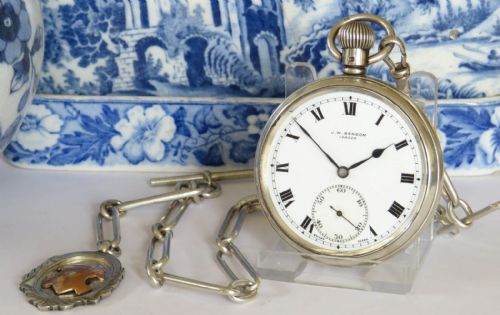
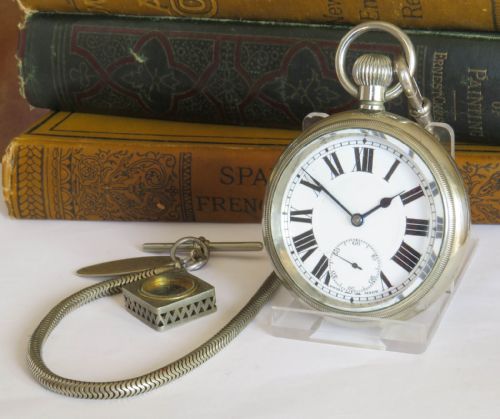
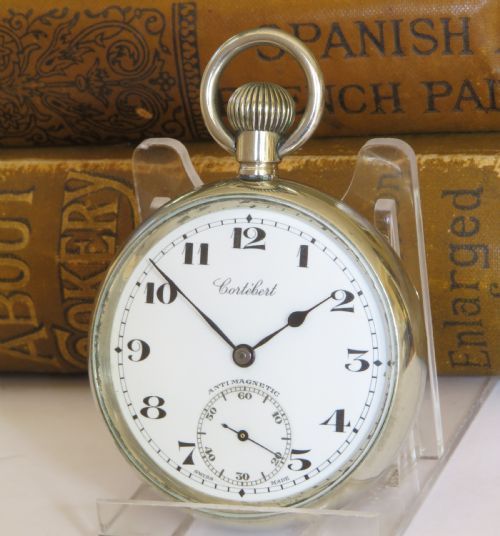
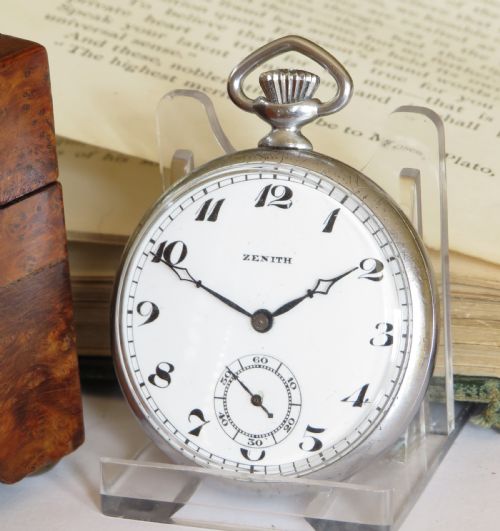
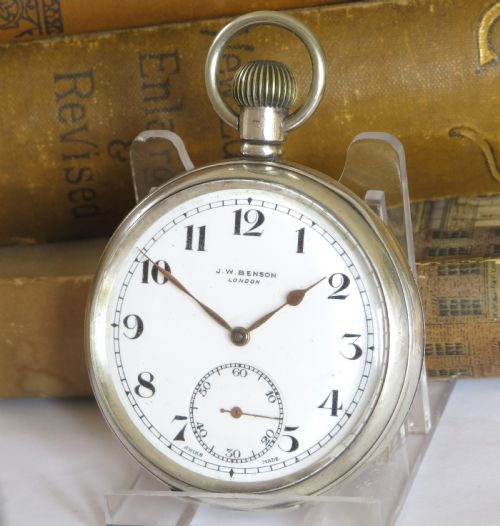
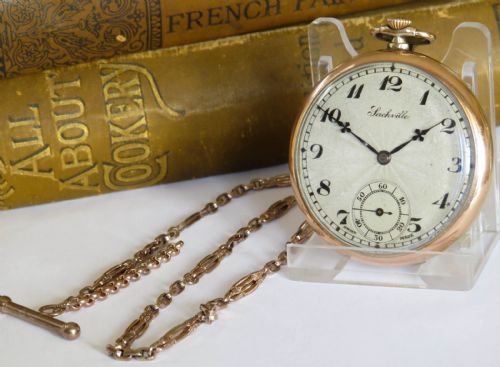
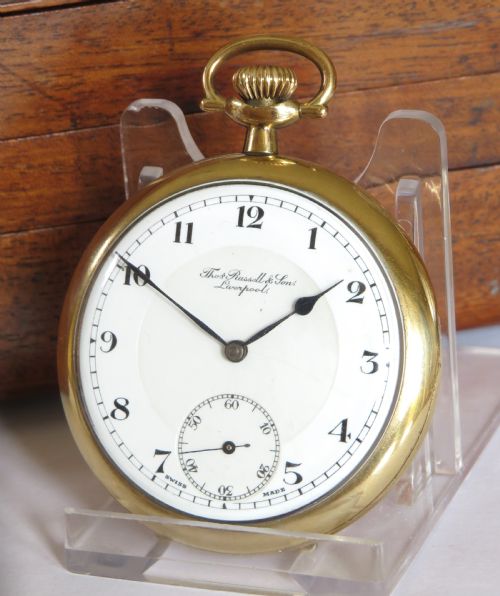
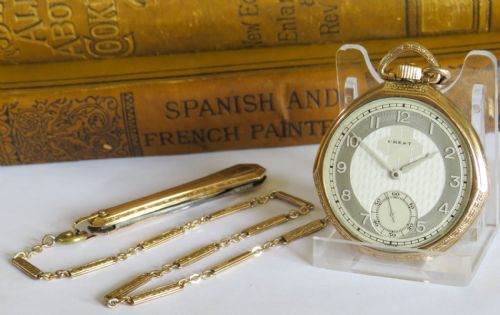
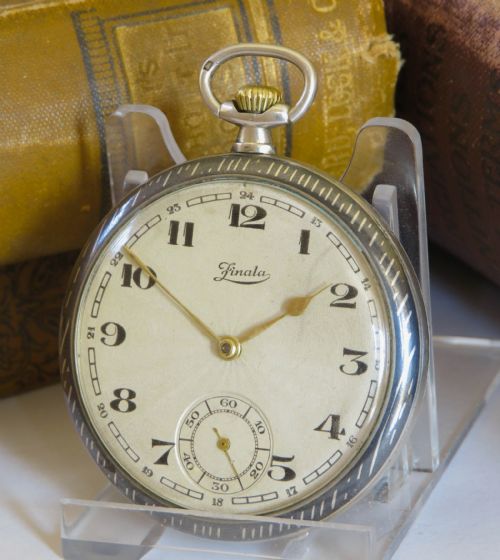
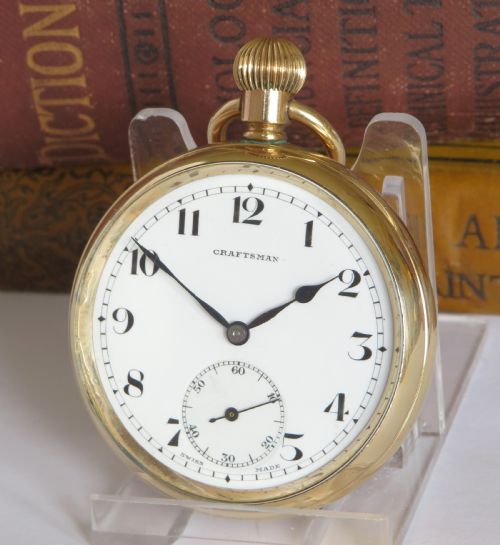
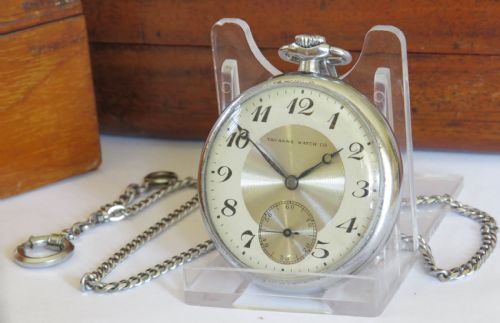
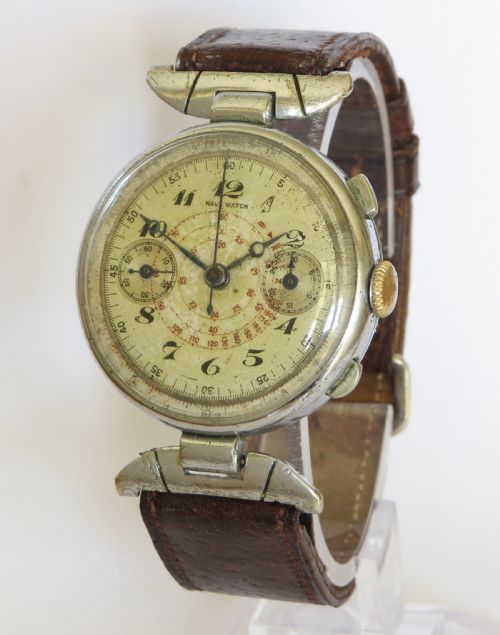
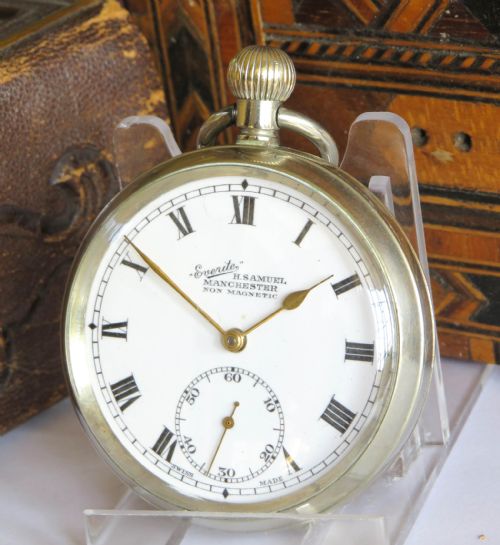
A 1930s watch encompasses both pocket watches and wristwatches from the 1930 and 1940 periods, reflecting changing habits in timekeeping as wristwear gained prominence alongside traditional pocket pieces. Pocket watches dominate the selection, often accompanied by chains, alberts, and fobs, while wristwatches range from aviator chronographs to refined dress pieces.
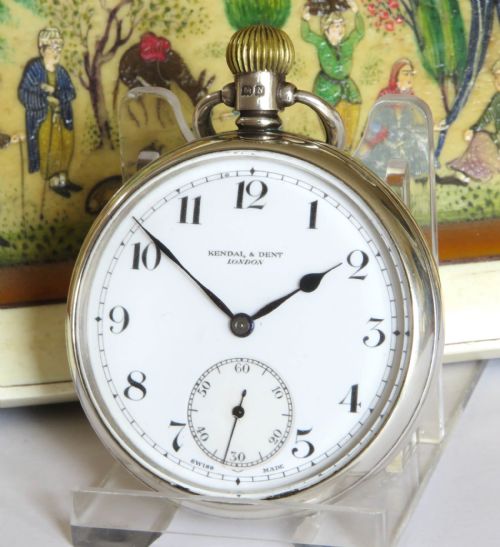
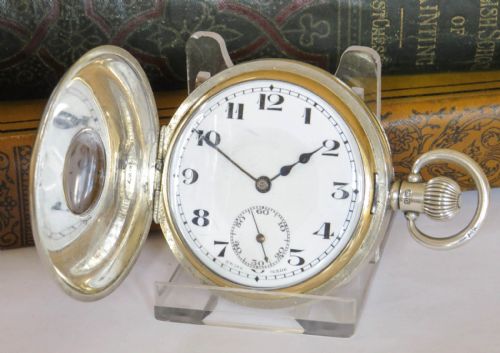
The aesthetic is heavily shaped by Art Deco design and 1930s Swiss horology, visible in geometric dial layouts, elegant numerals, and specialised forms such as half hunter cases and cocktail watches. These objects served diverse functions, from everyday utility and bravery awards to formal evening wear.
Materials and Construction
Cases of a 1930s watch utilise a variety of metals, pairing sterling silver, chrome, brass, and gold plate with solid 9ct rose gold and 18k white gold in finer items. Components incorporate glass crystals, enamel dials, and leather straps, alongside platinum and diamond settings on specialised cocktail pieces.
Movements rely on traditional mechanical craftsmanship, including manual wind mechanisms and Swiss jewelled lever escapements. Enamel work provides crisp dial markings, while niello and specialised metal finishes add decorative contrast to case exteriors.
1930s Watch Retail Price Guide 2026
Typical asking prices for 1930s watch among the pieces listed under this phrase on Sellingantiques today, from the lower quarter to the upper quarter. They describe what is for sale here now, not the wider market.
Listings demonstrate a strong preference for pocket watches, accompanied by silver, gold plate, and stainless steel materials.
Assessing Quality and Execution
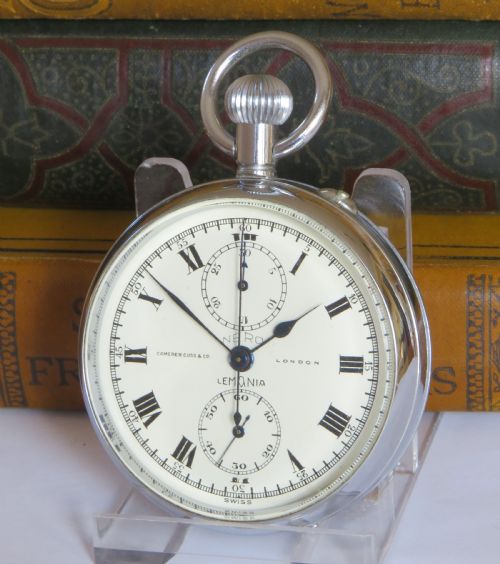
Quality in a 1930s watch rests on the precision of the movement, the integrity of the case metals, and the preservation of original dial details. Pieces featuring complex complications like chronographs or high-grade jewelled lever movements demonstrate superior horological ambition.
The choice of materials also dictates standing, moving from base chrome and brass to solid silver, rose gold, and platinum set with diamonds. The presence of original fitted chains, alberts, or specialised engraving adds contextual depth to individual items.
Zenith·Cortebert·Kendal and Dent·Thomas Russell and Son·Cyma·Tavannes·Silvana·H Samuel·Revue·Hahn Landeron·Rotary·Record·Omega·Rolex·Consul
The 1930s Watch Glossary
- Half hunter
- A pocket watch case featuring a small glass-covered central opening in the outer lid, allowing the time to be read without opening the case.
- Chronograph
- A watch equipped with a display function for measuring elapsed time, often operated via independent pushers.
- Albert
- A chain attached to a pocket watch, secured to a waistcoat or belt buttonhole for safety.
- Niello
- A black metallic alloy used as an inlay on engraved metal, creating sharp graphic contrasts on watch cases.
- Cocktail watch
- A small, highly decorative women's wristwatch designed primarily for formal evening wear, frequently incorporating precious stones.
1930s Watch: Frequently Asked Questions
What is a 1930s watch?
A 1930s watch is a mechanical timepiece originating from the 1930 period, encompassing pocket watches, aviator chronographs, and delicate cocktail wristwatches.
These pieces reflect the stylistic shifts of the decade, bridging traditional pocket timekeeping with the rising popularity of wristwear.
How do I wind a 1930s watch?
Most pieces from this era utilise a manual wind mechanical movement that requires turning the crown gently until resistance is felt.
Care should be taken not to overwind these vintage mechanisms, ensuring the mainspring remains in good working order.
Were wristwatches common in the 1930s?
While pocket watches remained widespread and reliable, wristwatches gained significant traction during this decade for everyday practicality and aviation use.
Designs ranged from robust utility models to jewelled platinum cocktail pieces meant for formal occasions.
What materials were used?
Cases were constructed from silver, gold plate, stainless steel, chrome, and brass, alongside solid gold and platinum for luxury items.
Dials typically feature enamel finishes with glass crystals protecting the hands and markers.