



1930s Walnut Tallboy
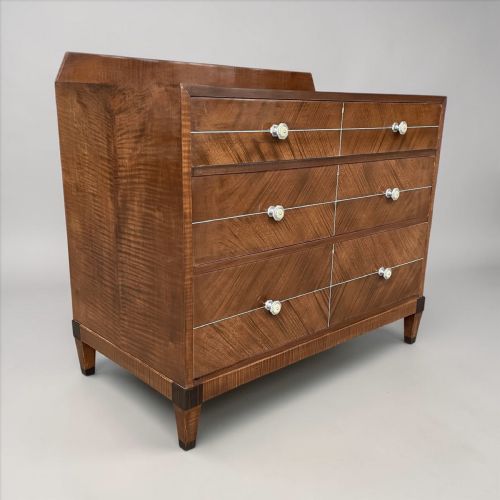
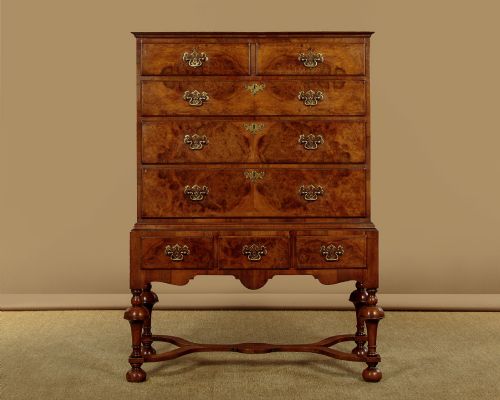
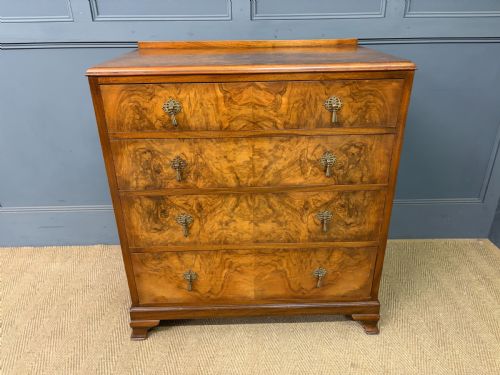
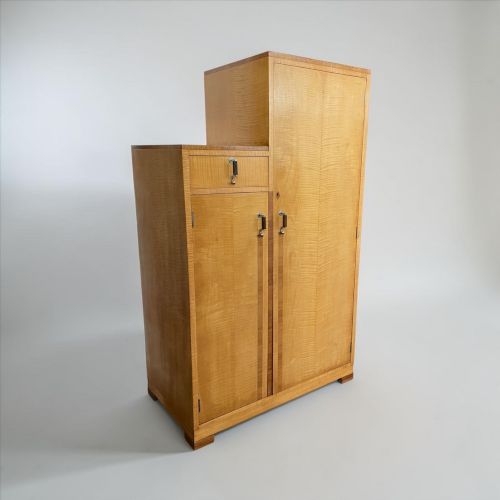
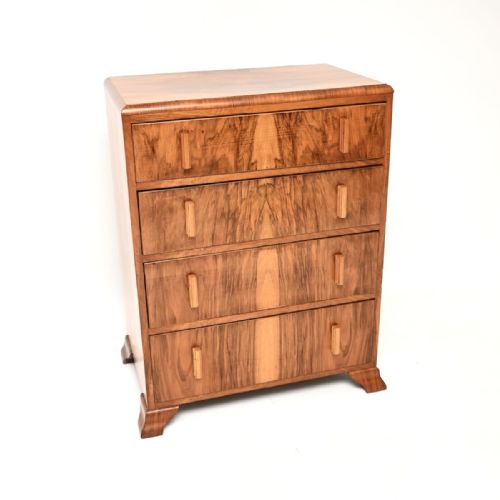
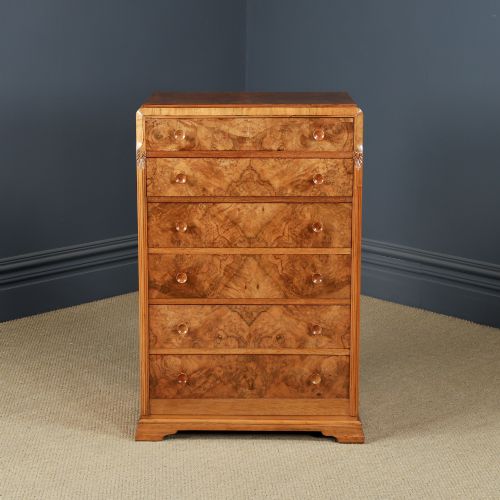
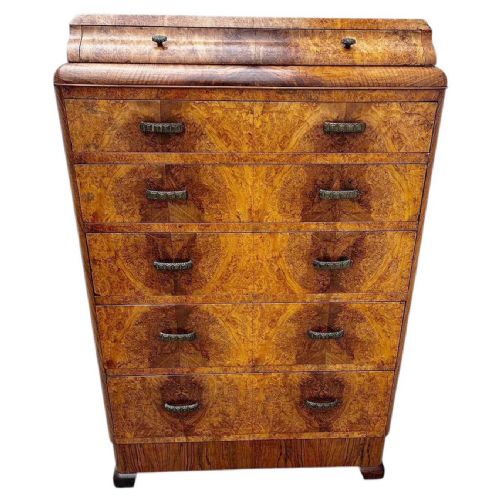
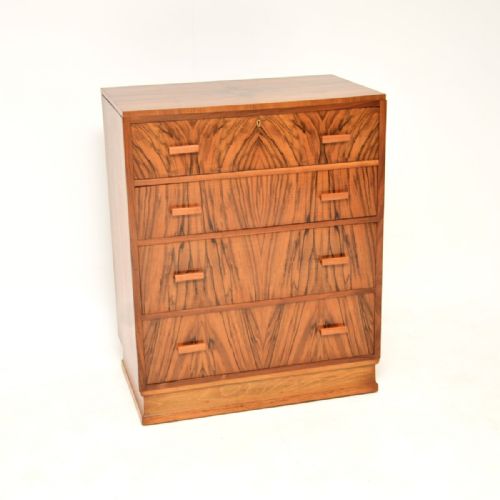
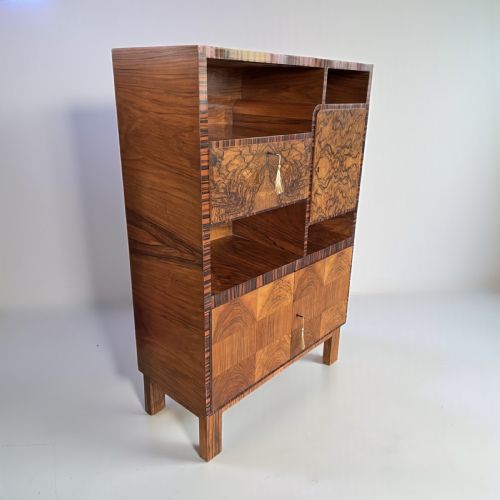
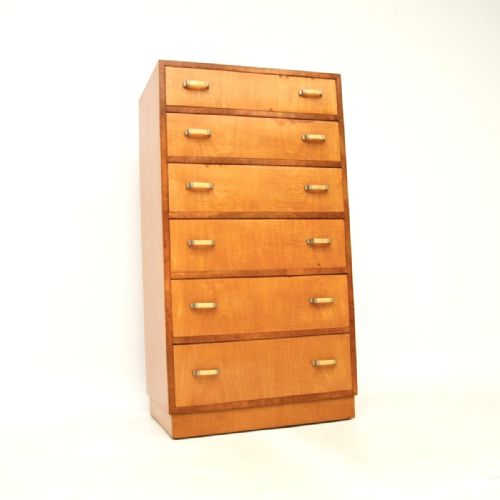
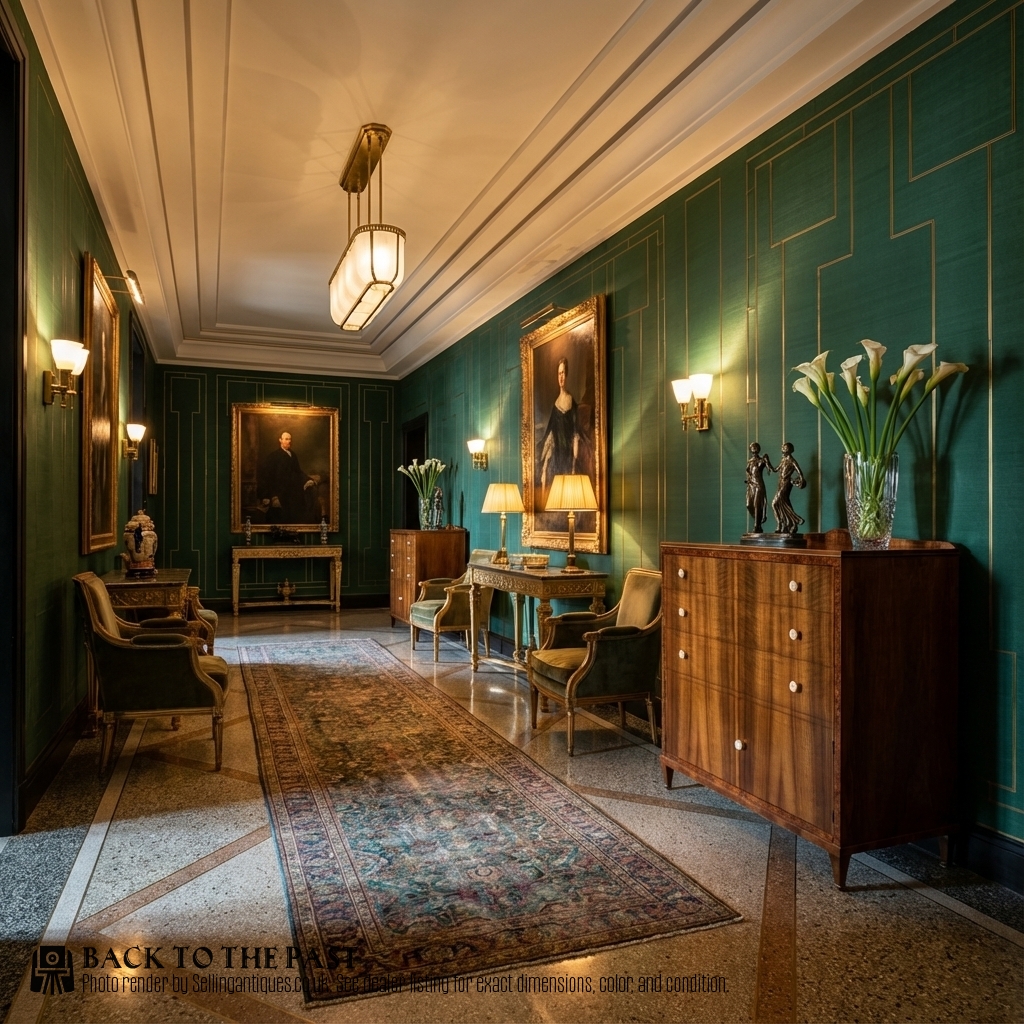
These 1930s walnut tallboy pieces bring striking Art Deco presence and vertical storage to a room.
1930s Walnut Tallboy
A 1930s walnut tallboy combines the height of a traditional chest with the enclosed shelving of a cabinet, providing substantial vertical storage. The pieces meeting this search phrase are distinctly rooted in the 1930 Art Deco period, showcasing clean architectural lines and purposeful design.
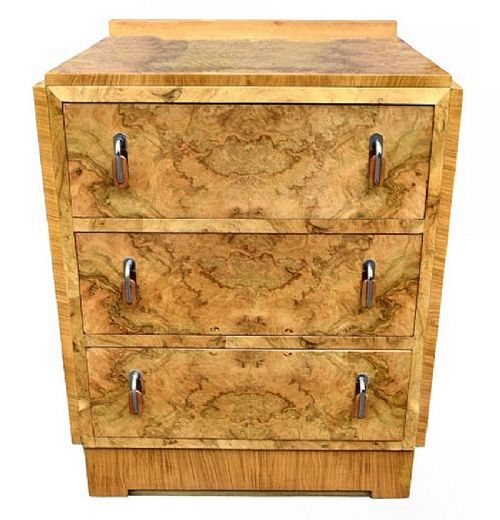
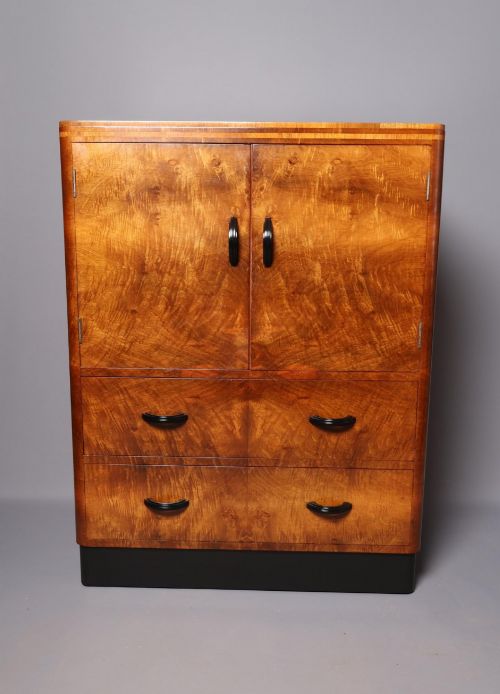
Surviving examples on this page appear as tallboys, cabinets, and chests of drawers. Buyers encounter substantial wooden carcasses designed to maximise bedroom storage without claiming excessive floor space.
How they were made
Cabinet makers utilised solid walnut alongside burr walnut veneer to cover expansive drawer fronts and cabinet doors. This technique allowed workshops to display rich, swirling wood grain patterns across the main facade.
Makers integrated brass hardware and occasionally Bakelite details to accent the timber surfaces. The construction relies on traditional cabinet-making methods combined with modern veneer applications typical of Art Deco furniture.
1930s Walnut Tallboy Retail Price Guide 2026
Typical asking prices for 1930s walnut tallboy among the pieces listed under this phrase on Sellingantiques today, from the lower quarter to the upper quarter. They describe what is for sale here now, not the wider market.
Every listed piece on this site dates to 1930 and incorporates walnut, veneer, brass, or burr walnut materials.
What varies in quality
The choice of surface veneer defines the visual hierarchy, with figured burr walnut creating a much richer texture than plain walnut boards. Book-matching across doors and drawer fronts demonstrates superior planning during construction.
Hardware selection also dictates grade, where solid brass fixtures and specialised handles separate standard production from high-end cabinet work.
Waring and Gillow
The 1930s Walnut Tallboy Glossary
- Tallboy
- A tall piece of furniture combining drawers and a cupboard section. This form offers generous vertical storage.
- Burr Walnut
- A timber harvested from walnut tree growths that produces intricate, swirling grain patterns. Cabinet makers prize this material for decorative veneering.
- Art Deco
- A design style dominant in the 1930s characterised by sleek geometric shapes and streamlined forms. This movement influenced the architecture of these cabinets.
- Veneer
- A thin layer of choice wood applied to a stable underlying timber base. This method allows artisans to display expensive grains efficiently.
1930s Walnut Tallboy: Frequently Asked Questions
What is a 1930s walnut tallboy?
A tall cabinet from the 1930 period combining drawers and enclosed shelving.
These pieces provide vertical storage while displaying figured walnut and burr walnut surfaces.
How do I style a tallboy?
Place the cabinet in a bedroom or dressing area where vertical storage is necessary.
The Art Deco lines complement both period and modern interior schemes.
What materials are used?
Makers constructed these cabinets using walnut, burr walnut veneer, and standard veneer over a wooden core.
Brass handles and Bakelite details frequently complete the construction.
Are these pieces Art Deco?
Yes, surviving examples on this page originate from around 1930 and share distinct Art Deco characteristics.
The geometric forms and figured veneers reflect the design ethos of that decade.