





1930s Vanity Mirror
A 1930s vanity mirror captures the sleek glamour of the interwar years, offering functional geometry and refined dressing-table style that collectors prize.
1930s Vanity Mirror
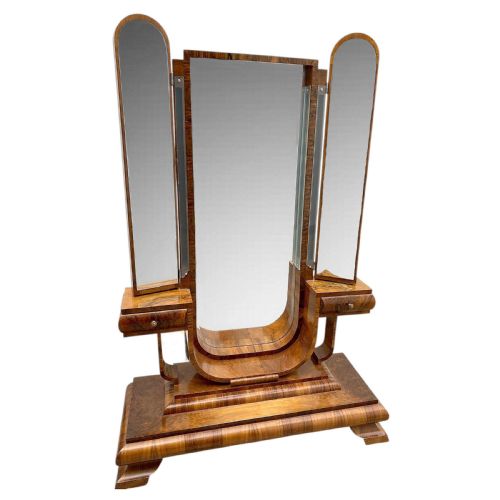
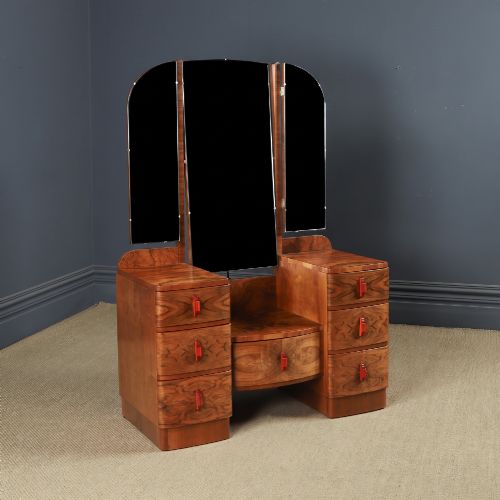
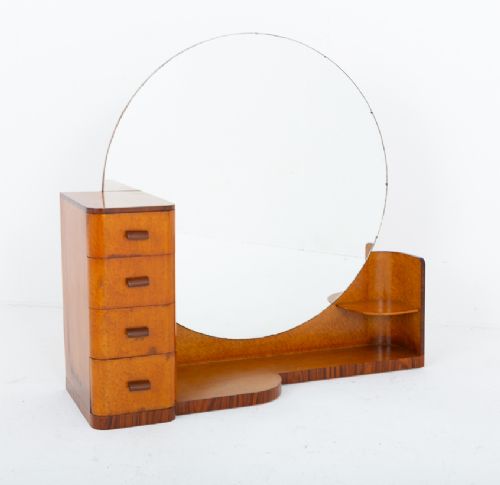
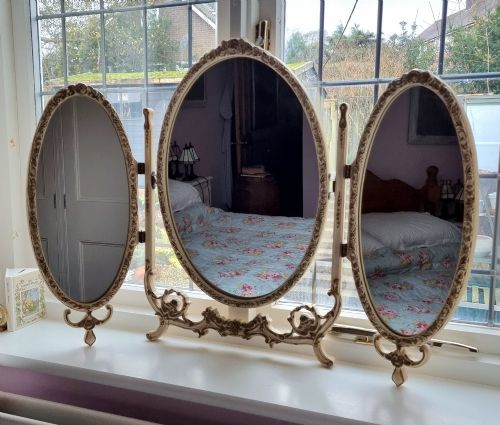
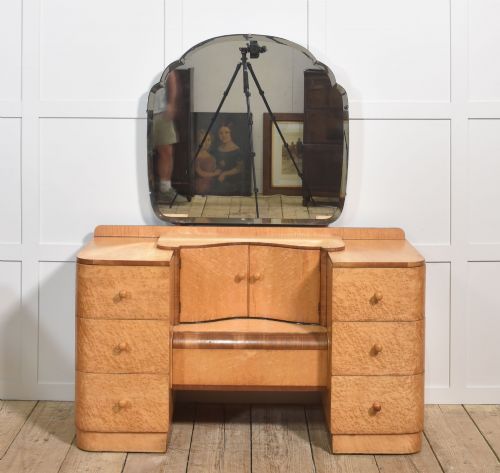
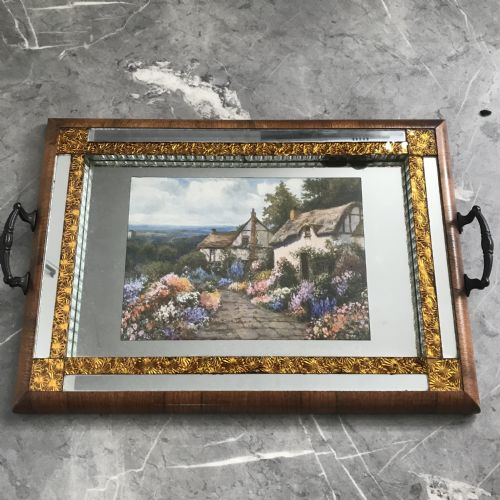
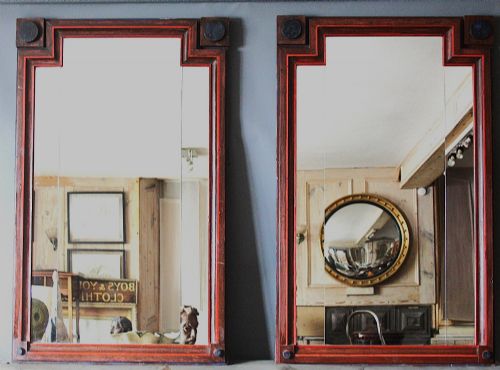
A 1930s vanity mirror search brings up everything from freestanding dressing table glasses and wall-mounted pieces to portable accessories like compacts and trays. The most frequent finds on this page are larger dressing table mirrors and integrated vanity furniture.
The objects stem predominantly from the 1930 period, with occasional overlapping examples from the 1920s and 1910s. Styles span mainstream Art Deco, French Art Deco, Swedish Grace, and Cotswold School pieces.
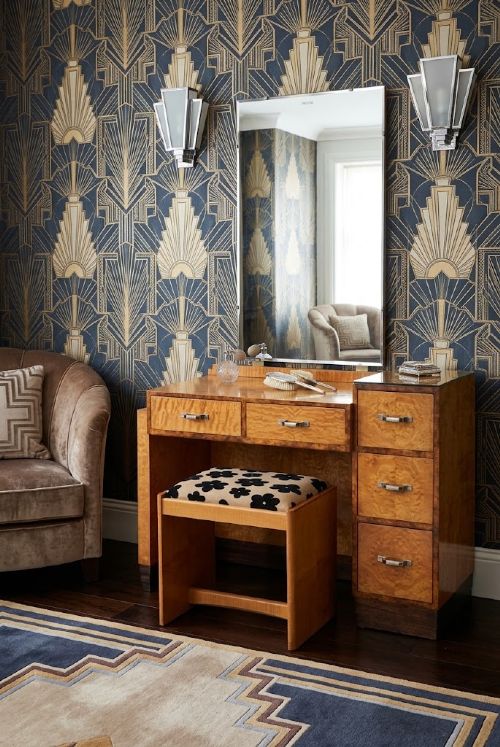
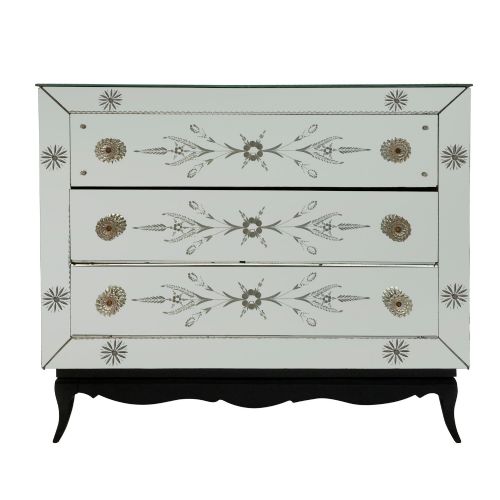
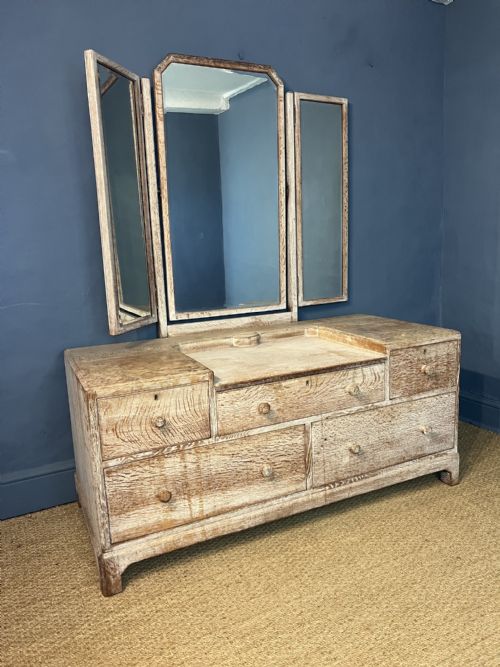
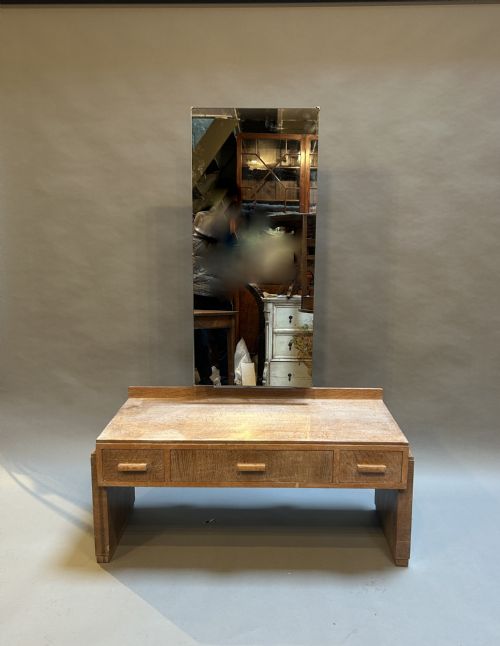
Beyond standalone tabletop glasses, the form often merges into dressing chests, pedestals, and asymmetrical vanity tables. These pieces served morning routines in period bedrooms and now anchor modern interior styling.
Materials and construction
Cabinetmakers utilised rich timber veneers including walnut, burr walnut, birds-eye maple, and limed oak for dressing tables and frames. These woods were frequently laid out to display striking grain patterns.
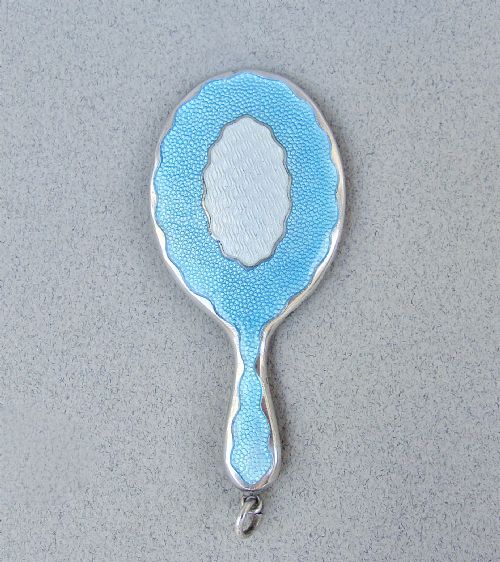
Reflective surfaces combine plain mirror glass with specialist peach and white tinted variants, often paired with chrome, brass, and copper hardware. Hand-applied guilloche enamel and colourful metal mesh add intricate detail to smaller vanity items.
1930s Vanity Mirror Retail Price Guide 2026
Typical asking prices for 1930s vanity mirror among the pieces listed under this phrase on Sellingantiques today, from the lower quarter to the upper quarter. They describe what is for sale here now, not the wider market.
Listings feature walnut, oak, and maple timbers alongside chrome, brass, and coloured enamel.
Distinguishing quality
Quality rests in the precision of the timber matching and the crispness of the bevel on the mirror glass. Pieces by known makers exhibit superior joinery and more ambitious architectural silhouettes.
The integration of secondary materials dictates overall refinement, separating standard production pieces from high-end commissions with detailed metalwork or bespoke enamel decoration.
Henry Williamson·Heals·Maurice Adams·Harry and Lou Epstein·Richard Hudnut
The 1930s Vanity Mirror Glossary
- Art Deco
- A design style dominant in the 1930s characterised by geometric shapes, stylised motifs, and sleek lines. It defined the aesthetic of interwar furniture and decorative accessories.
- Guilloche enamel
- A decorative technique where a precise pattern is mechanically engraved into metal beneath a translucent enamel layer. It frequently appears on vanity mirrors and compacts.
- Burr walnut
- A highly figured timber harvested from walnut tree growths, prized for its swirling grain patterns. Cabinetmakers utilised it as a decorative veneer on statement dressing tables.
- Limed oak
- Timber treated with a white pigment to highlight the open grain, a finish associated with progressive interwar British design. It created a lighter, modern look in bedroom suites.
1930s Vanity Mirror: Frequently Asked Questions
How do I identify a 1930s vanity mirror?
Look for characteristic Art Deco geometry, stepped wooden frames, and specific material combinations such as chrome alongside walnut veneer.
Inspect the edges of the glass and the construction methods at the back to confirm period authenticity.
Where were these mirrors used?
These items sat atop dressing chests and pedestals in interwar bedrooms to assist with grooming and personal care.
Smaller iterations, such as folding compacts and hand mirrors, were carried in handbags for use away from home.
How do I care for antique mirror glass?
Keep the pieces out of direct sunlight and away from excessive moisture to protect the delicate backing of the glass.
Clean the surface gently with a soft cloth, avoiding harsh chemical sprays that might seep beneath the frame.
Can I mix these with modern furniture?
The clean lines and polished surfaces of Art Deco vanity items allow them to integrate smoothly into contemporary bedroom schemes.
Their sculptural wood and metal forms work well as standalone accent pieces against neutral walls.